
The Residence at Lucknow — History & Facts
What secret hides in the quiet of the canvas? Behind the serene façade lies a tension that speaks of chaos, an unsettling beauty crafted through the hand of an observer. Look to the foreground; the lush greenery creates an inviting frame around the residence, drawing the eye toward the architectural marvel. Notice how the light spills delicately over the building’s ornate details, emphasizing its grandeur while casting long shadows that hint at the turmoil brewing beneath the surface. The cool blues and warm earth tones blend harmoniously, yet the palette also evokes the heat of conflict that once engulfed this very place. As you explore further, the interplay of stillness and movement emerges.
The imposing yet tranquil structure stands resolute, yet the scattered figures, small and somewhat distant, whisper of lives forever altered. The contrast between the robust architecture and the delicate human forms conveys a delicate balance; while the building is a monument of stability, the inhabitants are but shadows of a more chaotic existence. Here lies the artist’s subtle commentary on the fragility of life against the backdrop of history. In 1870, Nicholas Chevalier painted this work amid the tensions surrounding the Indian Rebellion of 1857 and the subsequent turmoil in British India.
Living in a time of stark colonial contrasts, Chevalier focused his artistic lens on the remnants of conflict and the remnants of culture, seeking to capture not just beauty but also the weight of history. His choices reflect a deep engagement with the complexities of his era, revealing a world that is as much about chaos as it is about calm.
More Artworks by Nicholas Chevalier
Browse all →
Coast near Dunedin
Nicholas Chevalier
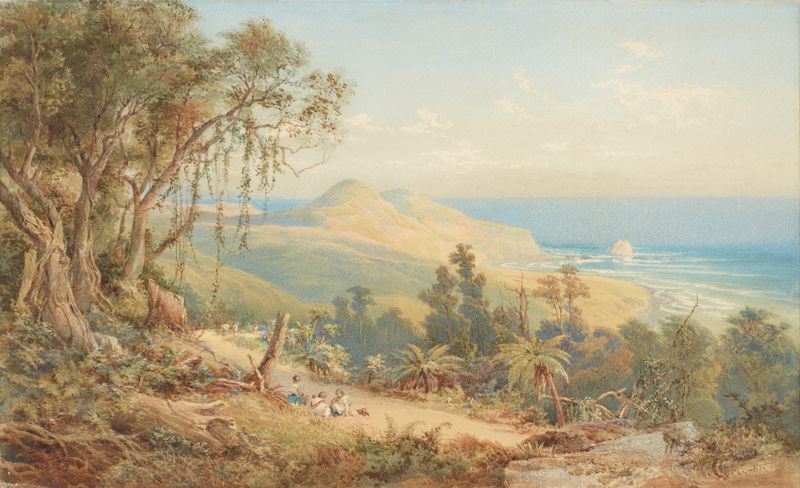
Sandfly Bay, Otago
Nicholas Chevalier

Buckler Burn at the head of Wakatipu Lake
Nicholas Chevalier

Mr MacKellar’s Station, the Waimea Plains, Southland
Nicholas Chevalier
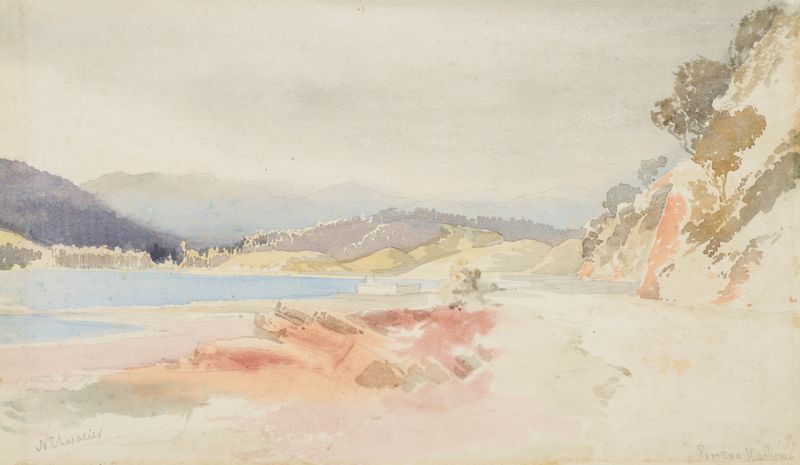
Porirua Harbour
Nicholas Chevalier
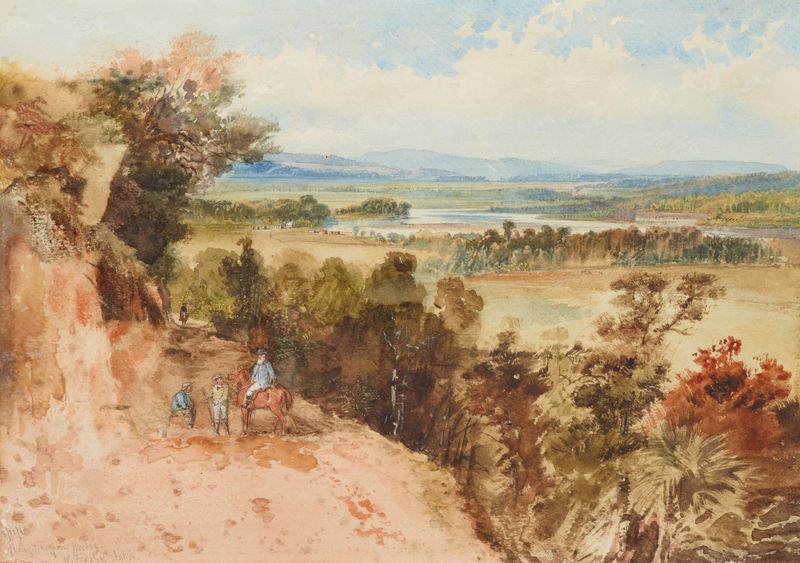
Rangitikei from Westoe, W. Fox Esq’s Station
Nicholas Chevalier

The Upper Rangitikei
Nicholas Chevalier
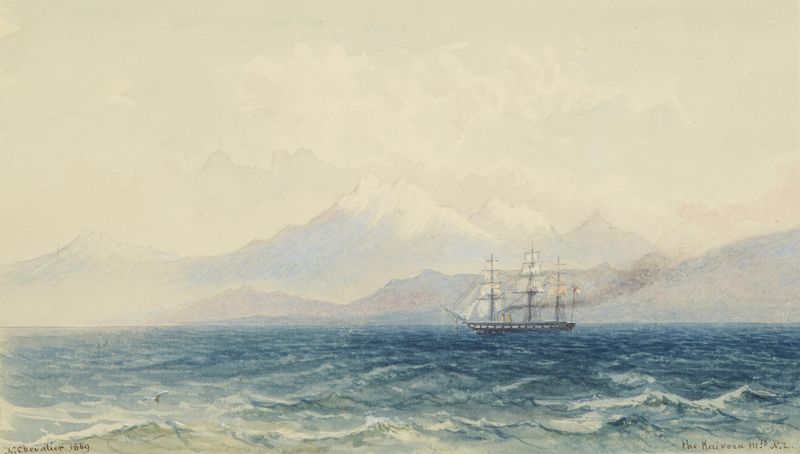
The Kaikoura Mountains, N.Z.
Nicholas Chevalier

Upper Hutt Valley
Nicholas Chevalier

The Tararua Mountains and the Waipoua River
Nicholas Chevalier
More Architecture Art
Browse all →
The statue of Liberty
Frédéric Auguste Bartholdi

View of Houses in Delft, Known as ‘The Little Street’
Johannes Vermeer

View of Houses in Delft, Known as ‘The Little Street’
Johannes Vermeer

The Cathedral in Rouen. The portal, Grey Weather
Claude Monet

The yellow house
Vincent van Gogh

The Church in Auvers-sur-Oise, View from the Chevet
Vincent van Gogh