The Road in Sunlight — History & Facts
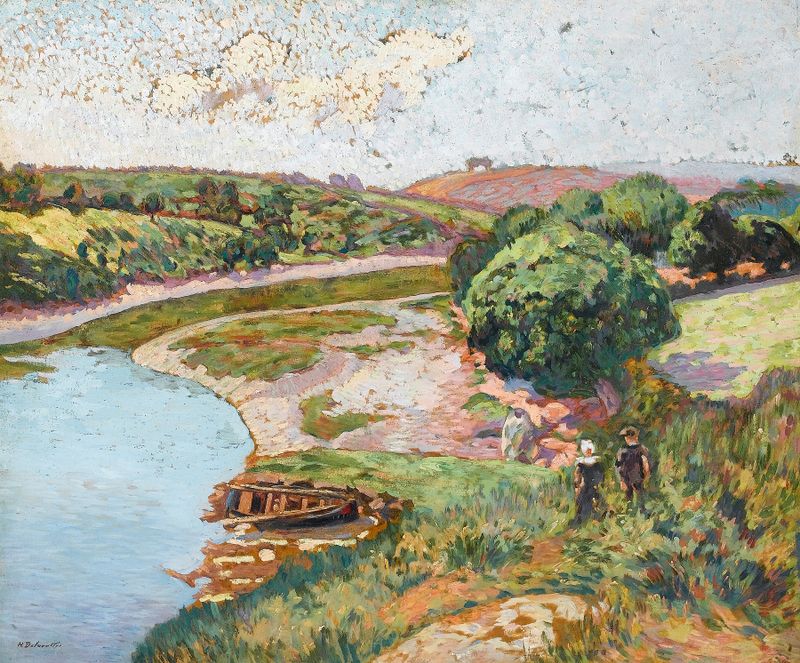
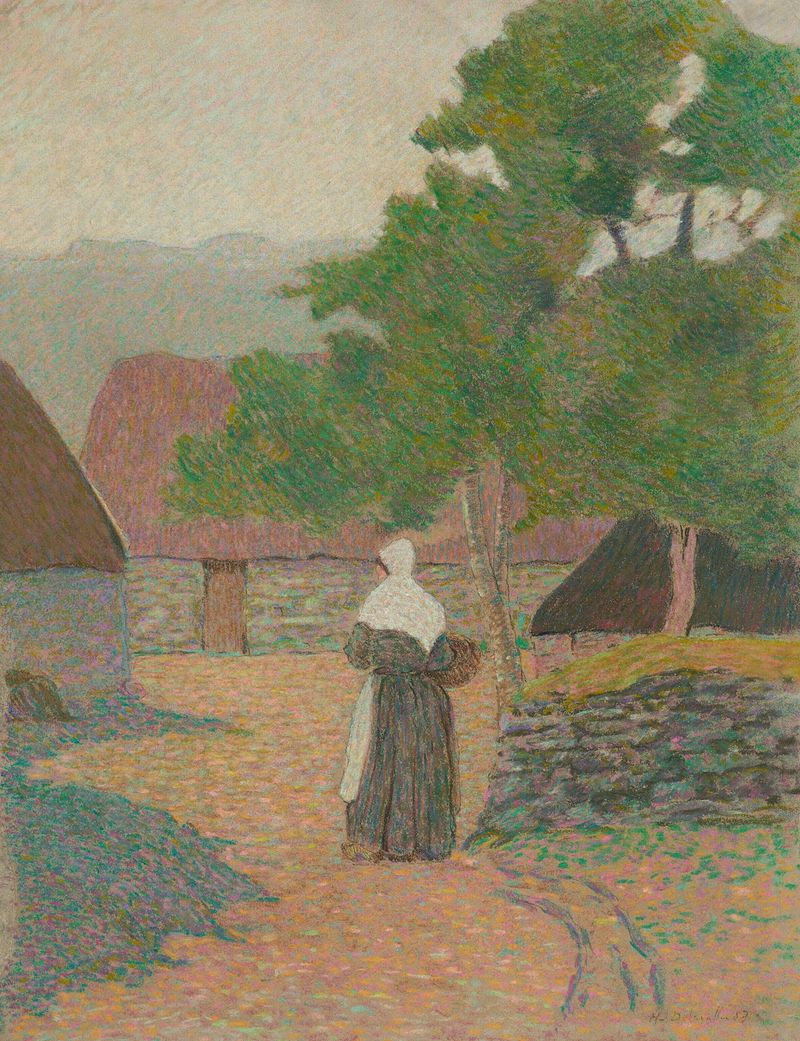
Could a single brushstroke hold eternity? In The Road in Sunlight, each stroke captures the transformative power of light as it dances over a familiar path, inviting the viewer to contemplate the fleeting nature of moments. Look to the left of the canvas, where soft greens and yellows blend seamlessly to depict sunlit foliage. Notice how the golden rays splatter across the road, weaving a tapestry of shadows and warmth. The artist's deft use of dappled light creates a sense of movement, suggesting the very air is alive with possibility.
The winding path draws the eye deeper into the painting, a journey not just through landscape but through time itself. Within this vibrant scene lies a poignant contrast: the vibrancy of the sunlit road against the shadowed edges of the trees. These elements speak to the duality of existence—light and dark, hope and uncertainty. As viewers, we feel the allure of the illuminated path while acknowledging the hidden realms that linger just beyond the brightness.
The artist's palette becomes a vessel for transformation, encouraging us to reflect on our own journeys through light and shadow. Around 1887, Henri Delavallée painted this masterpiece during a period marked by a growing interest in plein air painting. At this time, he sought to capture the beauty of everyday landscapes, experimenting with light and color to evoke emotion. The art world was shifting, embracing Impressionism's ideals, and Delavallée's work stands as a testament to this transformative moment in history.