
The Road to Jerusalem. Study — History & Facts
Who listens when art speaks of silence? In the quiet turmoil of The Road to Jerusalem. Study, the viewer is drawn into a world where madness and stillness intertwine, inviting contemplation of a deeper reality. Focus first on the foreground, where the crooked path meanders across the canvas, almost beckoning you to step into its embrace. Notice how the earth tones blend harmoniously, a marriage of browns and ochres that reflects the tumultuous journey ahead.
The soft yet resolute brushstrokes evoke a tactile sense, as if the ground whispers secrets of those who have tread this way before, with shadows and light playing across the surface to reveal both the beauty and despair of the journey. There is a tension between the vibrant colors and the muted tones; the vibrancy hints at hope while the shadows suggest an underlying madness lurking within the landscape. The figures in the distance, almost ghostly, stand as silent witnesses to the path’s secrets, their ambiguous expressions challenging the viewer to consider their own emotions in relation to the journey depicted. The juxtaposition of stillness and movement captures the essence of a moment frozen in time, resonating with the viewer's own experiences of despair and light. Created in 1921, at a time when Anna Boberg was deeply influenced by her surroundings in Sweden, this study reflects her exploration of emotional landscapes post-World War I.
The world was still reeling from the echoes of conflict, and her work sought to bridge the gap between reality and the inner turmoil many faced, a testament to her understanding of the sensory nature of our experiences.
More Artworks by Anna Boberg
Browse all →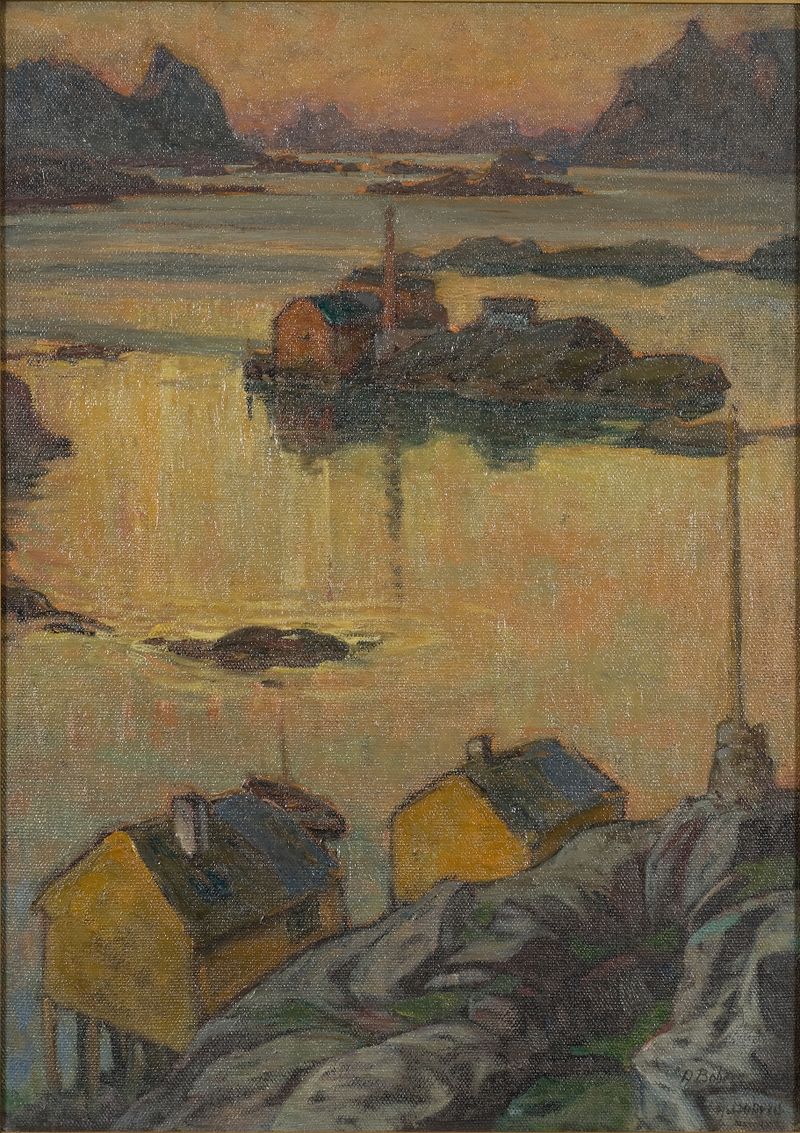
An August Night. Study from North Norway
Anna Boberg
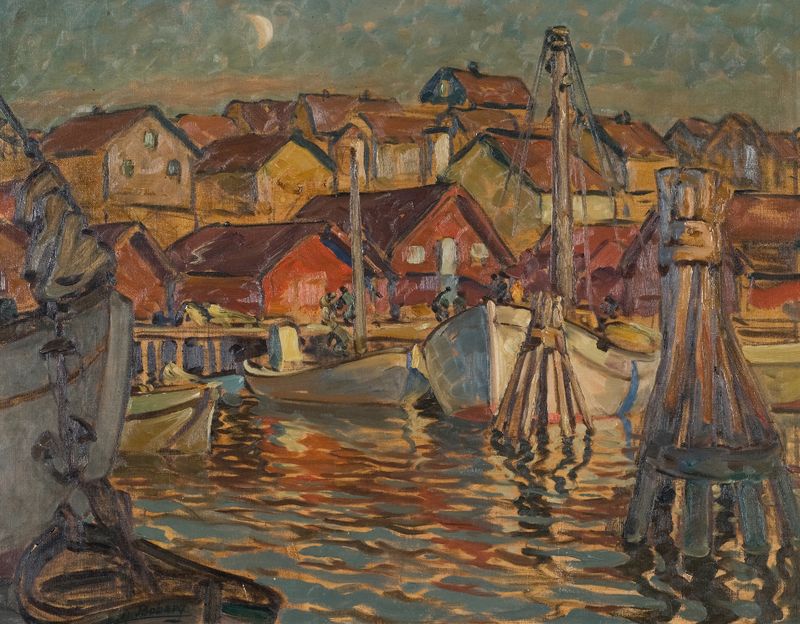
A Fishing Harbour. Study from North Norway
Anna Boberg
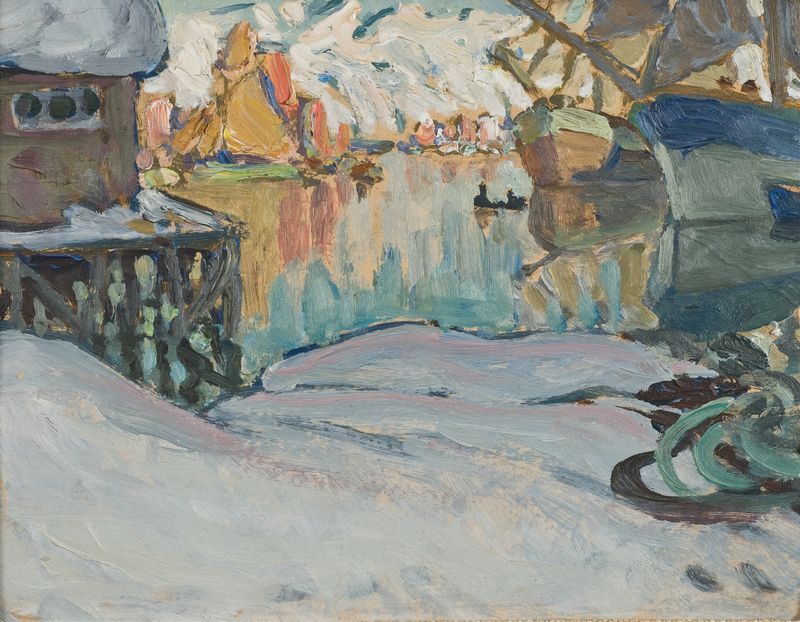
From Svolvaer Harbour. Study from Lofoten
Anna Boberg
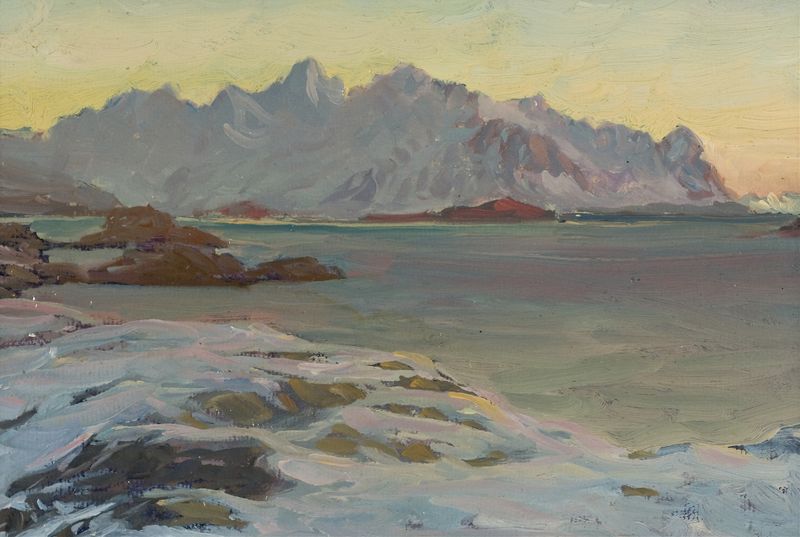
Mountains.Study from North Norway
Anna Boberg
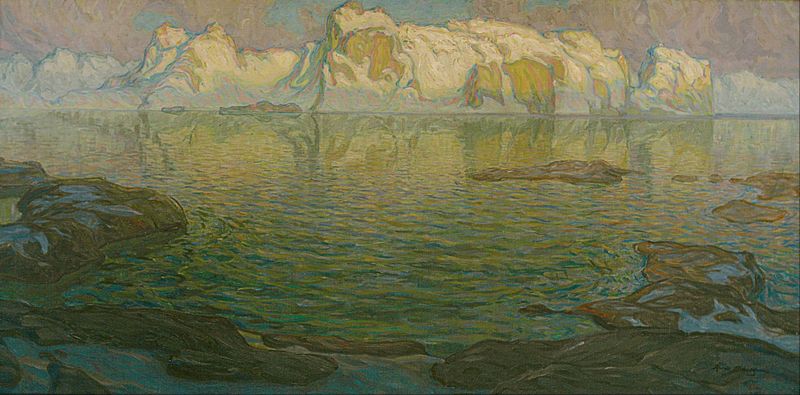
Silent evening – Scene from Lofoten
Anna Boberg
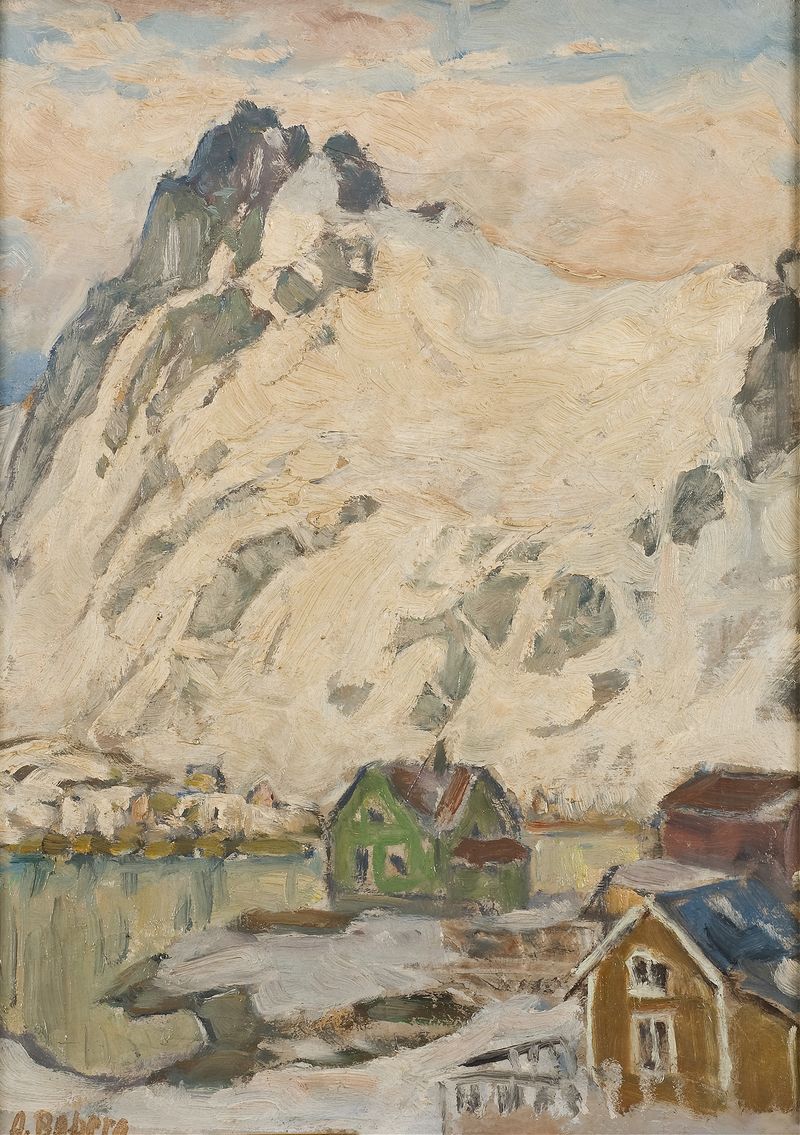
At the Foot of the Mountain. Study from Lofoten
Anna Boberg
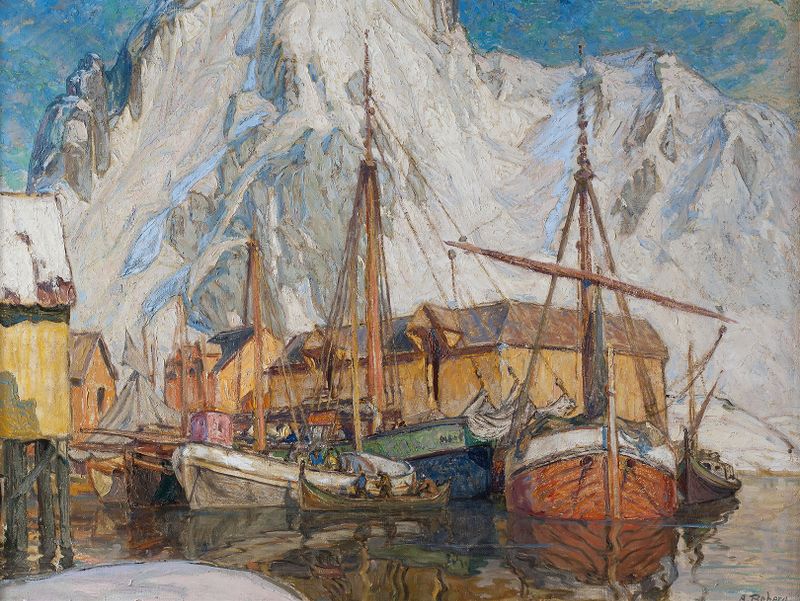
The Harbour at Svolvaer, Lofoten
Anna Boberg
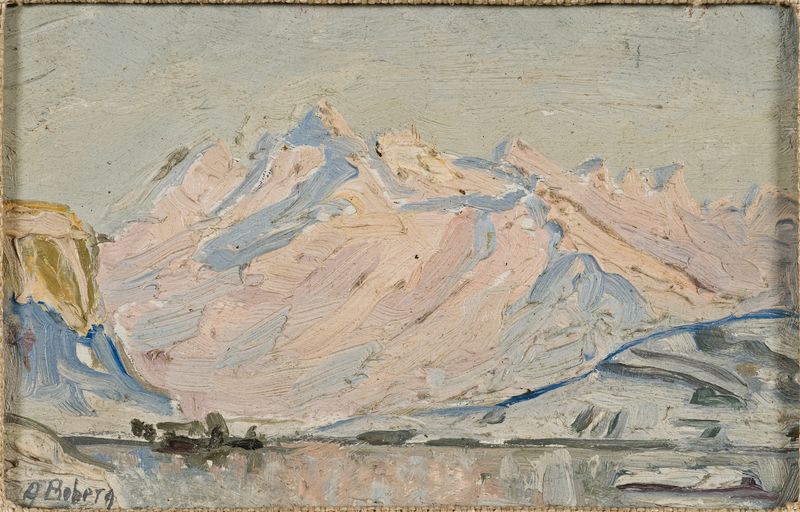
The Sun over Lofoten. Study
Anna Boberg
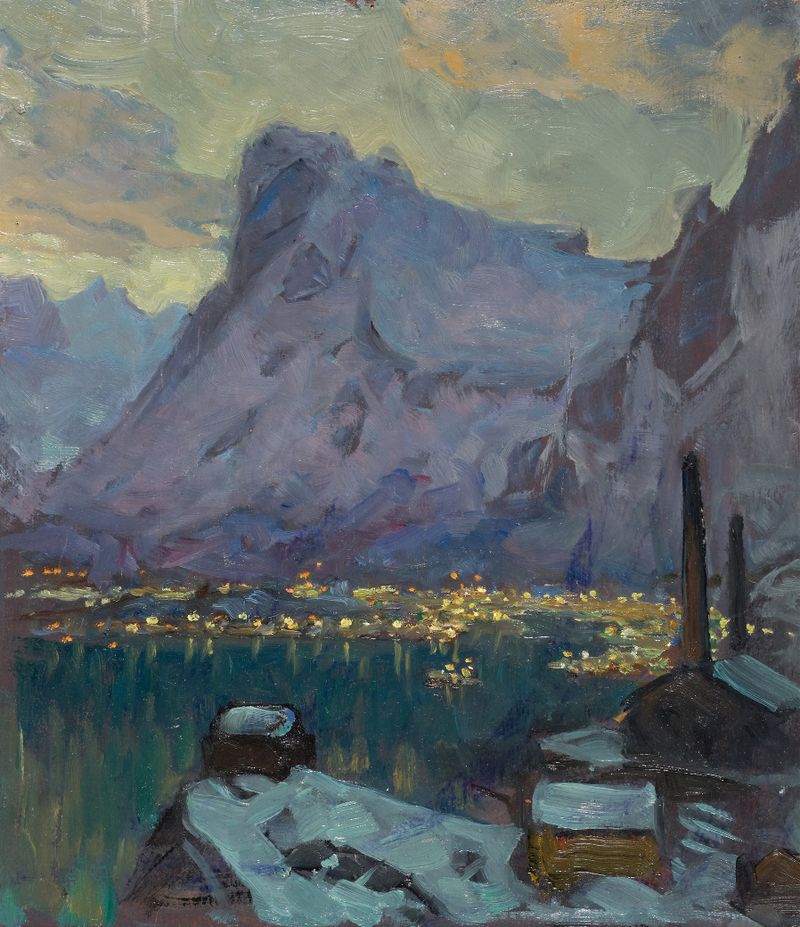
Svolvaer Harbour at the Height of the Fishing Season. Study from Lofoten
Anna Boberg
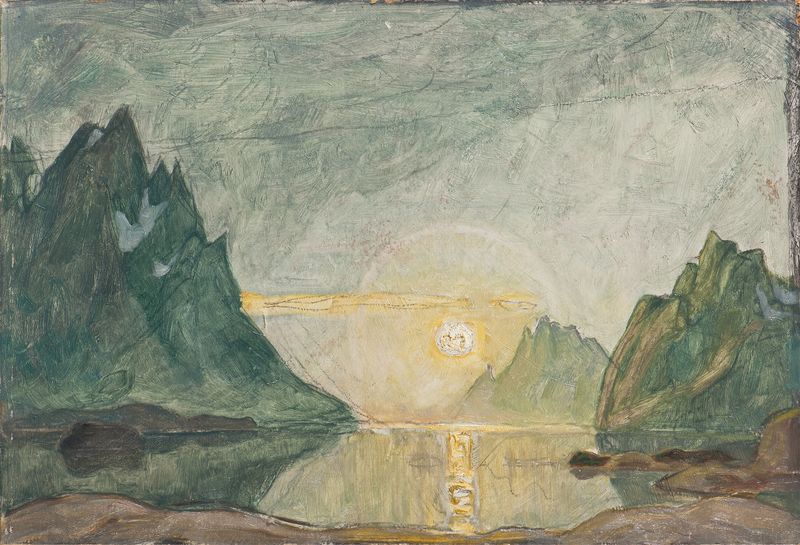
Midnight Sun. Study from North Norway
Anna Boberg





