
The rock at Jahangira on the Ganges — History & Facts
Can beauty exist without sorrow? As we gaze upon the tranquil scene, a haunting loneliness permeates the vibrant depiction of the Ganges, where the rock at Jahangira stands resolute against the ebb and flow of water and time. Look to the left where the serene river stretches across the canvas, its water reflecting soft hues of blue and green. The rock, a steadfast presence in the foreground, commands attention with its weathered texture and muted earth tones, contrasting sharply against the shimmering water. Notice how the artist expertly captures the play of light, illuminating the rock's surface while creating gentle shadows that hint at the depths of solitude surrounding this natural formation. Delve deeper into this composition, and you will find layers of meaning woven into the scene.
The rock symbolizes permanence amidst the constant change of the flowing river, embodying both resilience and isolation. The surrounding flora appears both lush and sparse, reflecting the duality of thriving life existing alongside profound loneliness. This juxtaposition evokes a sense of yearning, revealing that even in beauty, the ache of solitude lingers just beneath the surface. During this time, Sir Charles D’Oyly was navigating his career as a painter in India, where he was drawn to the landscapes and culture that surrounded him.
Working in the early to mid-19th century, he captured the landscapes with precision, blending Western artistic techniques with Eastern sensibilities. This period was marked by a growing interest in the sublime beauty of nature, yet also an undercurrent of nostalgia for a world that was rapidly changing under colonial influence.
More Artworks by Sir Charles D'Oyly
Browse all →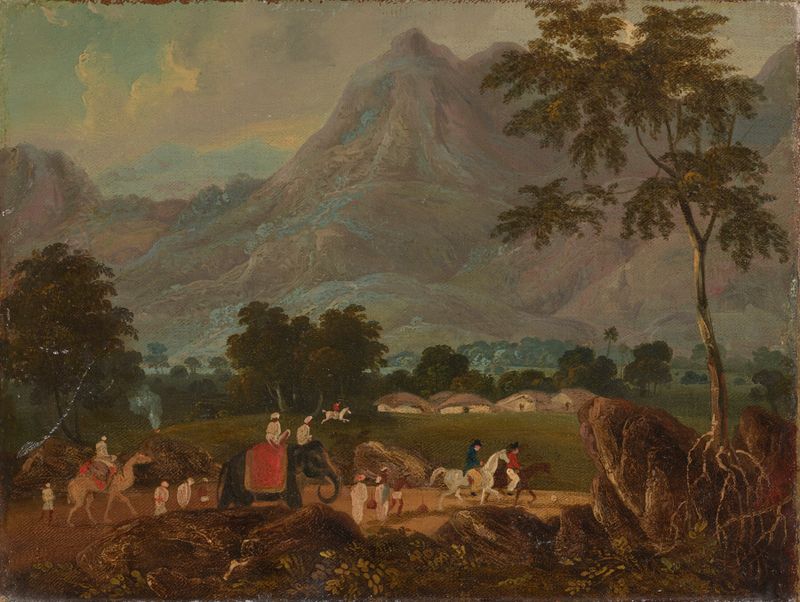
The road from Calcutta to Patna with an elephant and a camel
Sir Charles D'Oyly
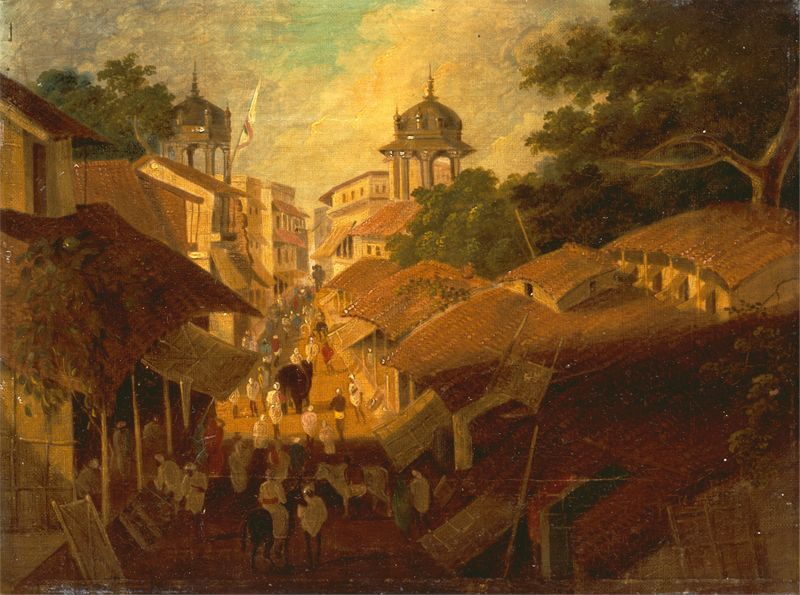
Street in Patna
Sir Charles D'Oyly
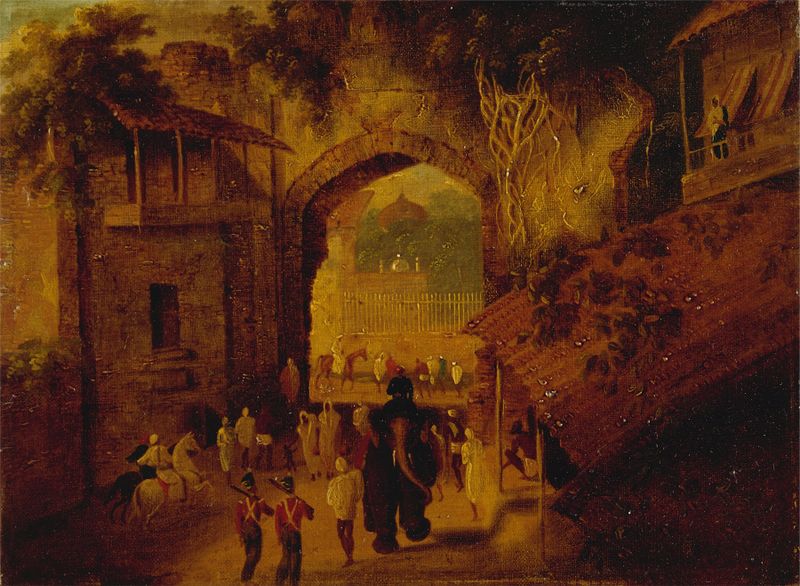
East Gateway, Patna
Sir Charles D'Oyly
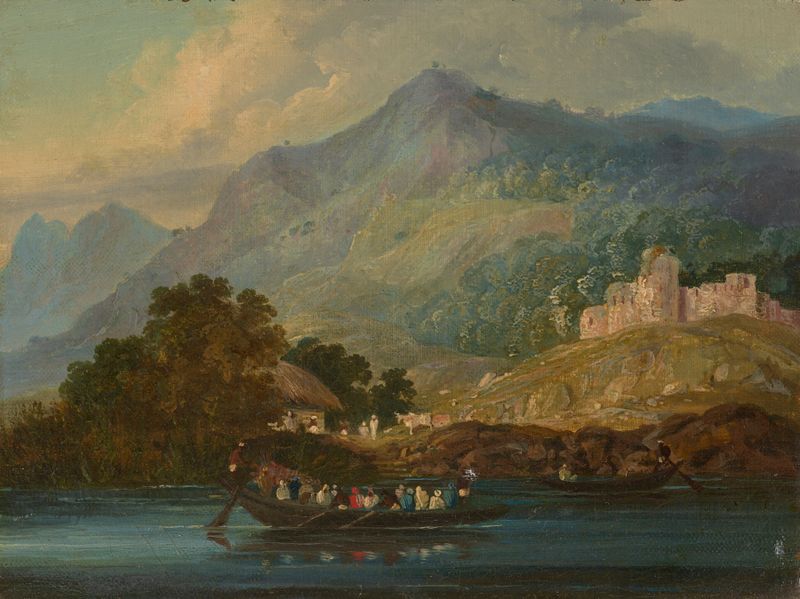
Hilly landscape with figures in a boat on the river Ganges
Sir Charles D'Oyly
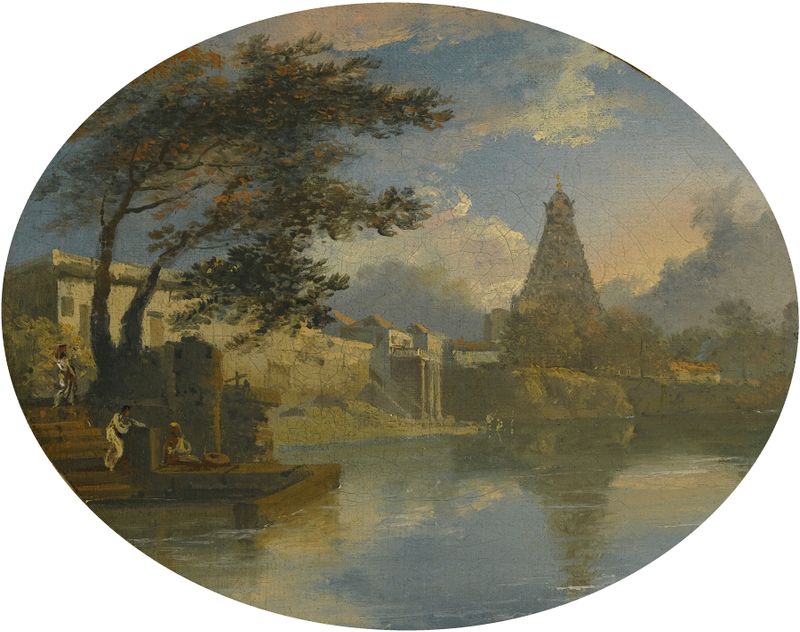
View Of Thanjavur, India, With The Brihadeeswarar Temple
Sir Charles D'Oyly
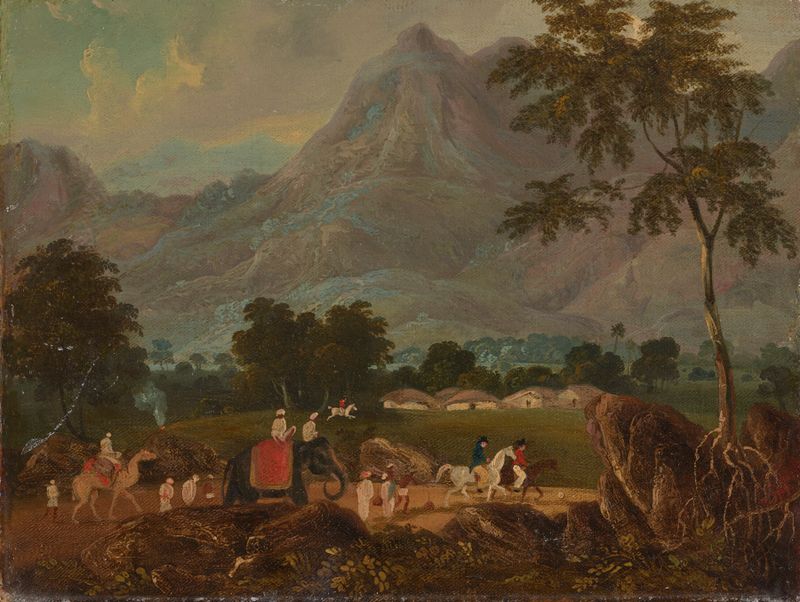
The road from Calcutta to Patna with an elephant and a camel
Sir Charles D'Oyly

The rock at Jahangira on the Ganges
Sir Charles D'Oyly
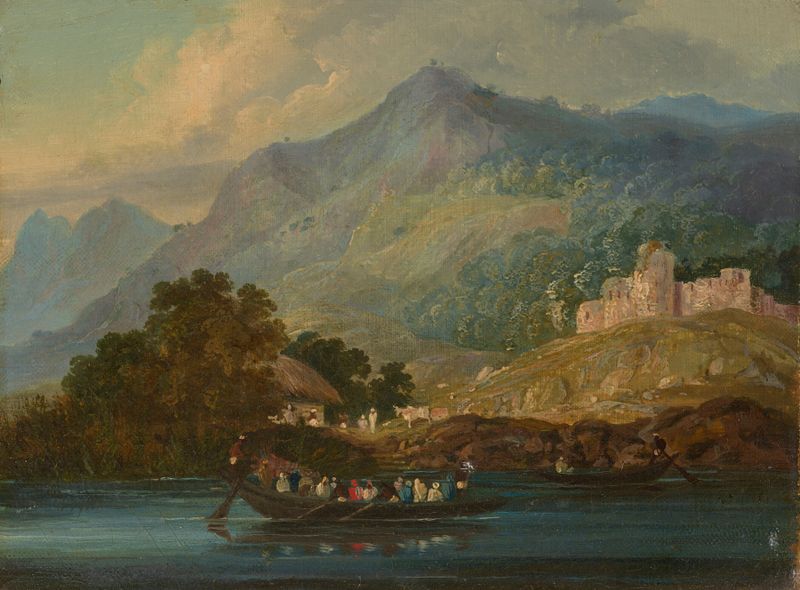
Hilly landscape with figures in a boat on the river Ganges
Sir Charles D'Oyly

An encampment at dusk
Sir Charles D'Oyly
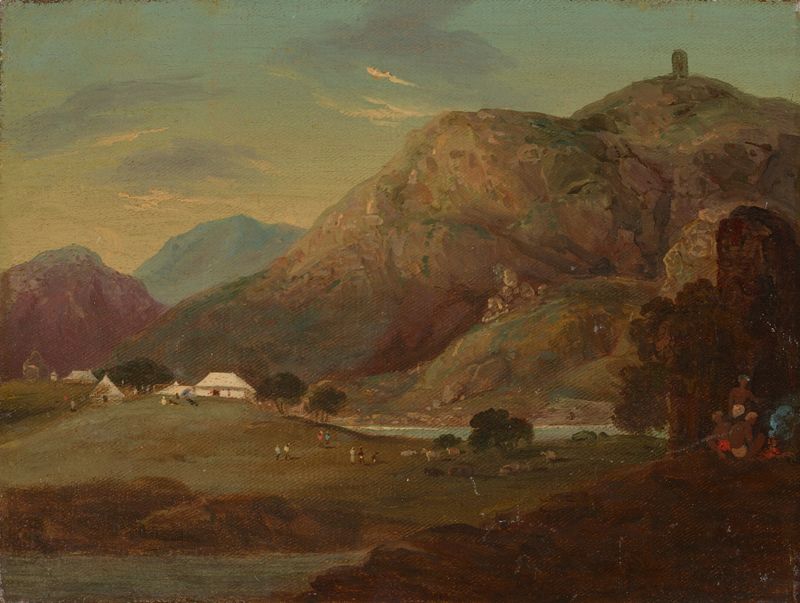
An encampment by a river at dusk
Sir Charles D'Oyly





