The room in which Shakespeare was born — History & Facts
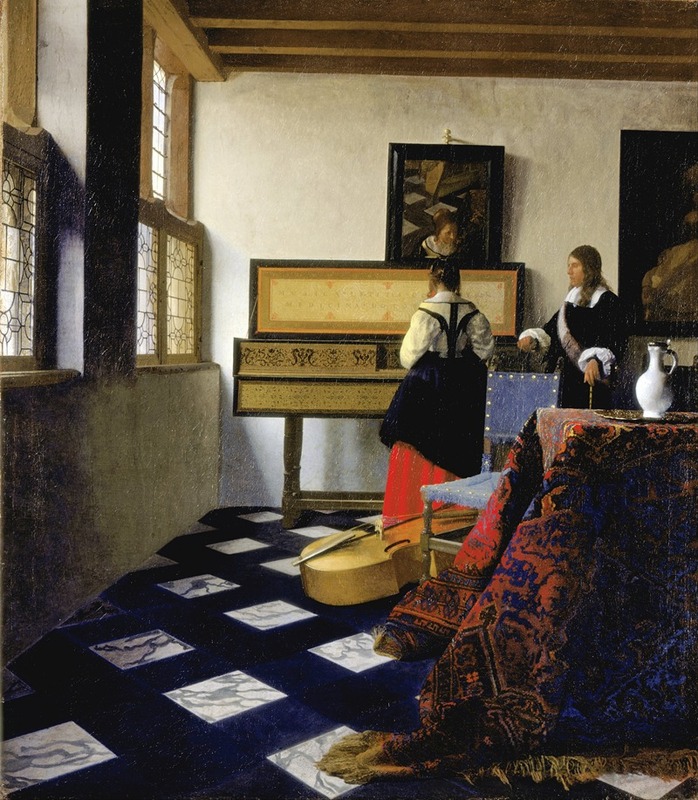
Who listens when art speaks of silence? In the stillness of a room, one can feel the weight of history, the echoes of genius lingering in the air, waiting for recognition. Look closely at the intricate details of the room; begin with the wooden beams that cradle the ceiling, their dark hues a testament to time's passage. Notice how the muted light filters through the window, casting gentle shadows that dance across the floor, emphasizing the comforting yet solemn atmosphere. The palette, dominated by earthy tones, invites a sense of nostalgia and reverence, blending seamlessly with the sense of faith in the creative spirit that once thrived within these walls. Delve deeper, and you'll find layers of meaning woven into the fabric of this space.
The simple furnishings evoke not just the modesty of Shakespeare's beginnings but also the profound connection between creativity and the ordinary. The contrast of light and shadow plays a pivotal role, suggesting the interplay between genius and obscurity, while the stillness of the room stands as a faithful witness to the thoughts and dreams of a young playwright destined for greatness. W. Underhill painted this evocative scene in 1849, during a period when the Romantic movement was flourishing in England.
As the world around him was increasingly captivated by the past, the artist sought to immortalize the birthplace of one of literature's most celebrated figures. This work emerged amidst discussions of heritage and identity, reflecting a yearning to connect with the roots of artistic expression and the enduring legacy of creativity.