
The Ruins of the great Temple at Palmira, from the West — History & Facts
When did color learn to lie? The shifting hues of a world long gone vibrate on the canvas, whispering tales of grandeur and decay through the palette of a forgotten artist. To grasp the essence of this piece, look to the crumbling columns on the left, their once-mighty forms now wrapped in shadows that speak of time's relentless march. Notice how the sun's warm glow cascades over the ruins, illuminating the intricate carvings that remain intact, hinting at the stories woven into their stone. The expansive sky above, with its swirling blues and soft whites, contrasts sharply against the solidity of the temple, creating a dynamic tension that evokes both nostalgia and loss. Here lies a profound commentary on the passage of time.
The remnants of civilization, standing yet fragile, challenge the viewer to consider what it means to endure. The light that dances over the stones suggests both beauty and the inevitability of dissolution, while the scattered debris of the foreground evokes a sense of abandonment and the fleeting nature of human accomplishment. It’s a poignant reminder that even in ruin, there is movement—a constant flux between the past and the present. This artwork was created in 1750, a time when the fascination with antiquity was surging, particularly among European artists captivated by the remnants of classical civilizations.
The artist, whose identity remains anonymous, likely drew inspiration from the burgeoning interest in archaeology and the exoticism of faraway places, mirroring a broader cultural movement that sought to reconcile the past's beauty with contemporary existence.
More Artworks by Unknown Artist
Browse all →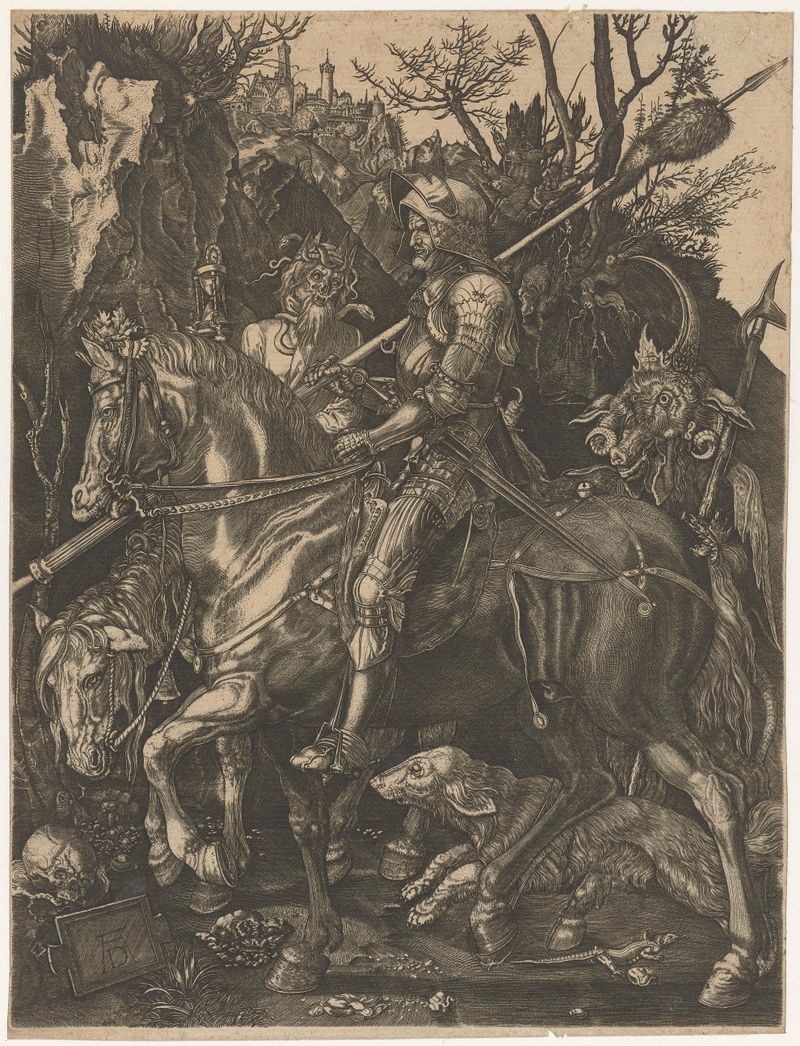
Ridder, Dood en Duivel
Unknown Artist
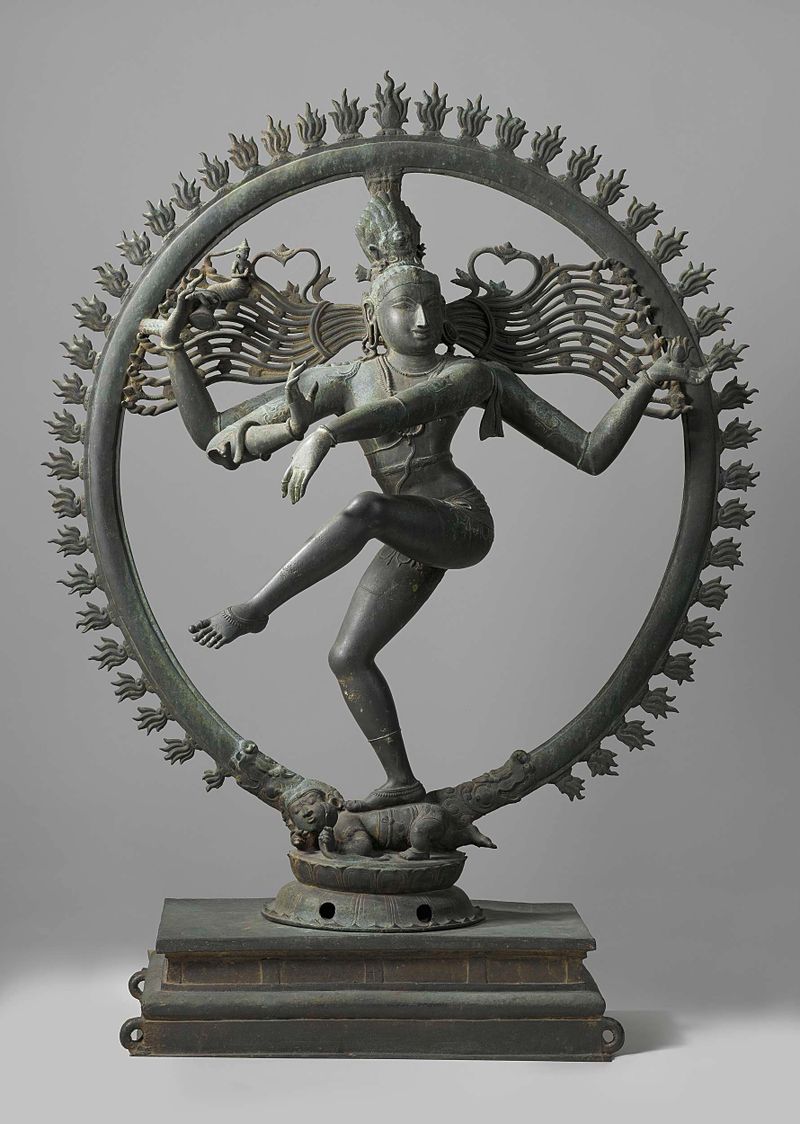
Shiva Nataraja
Unknown Artist
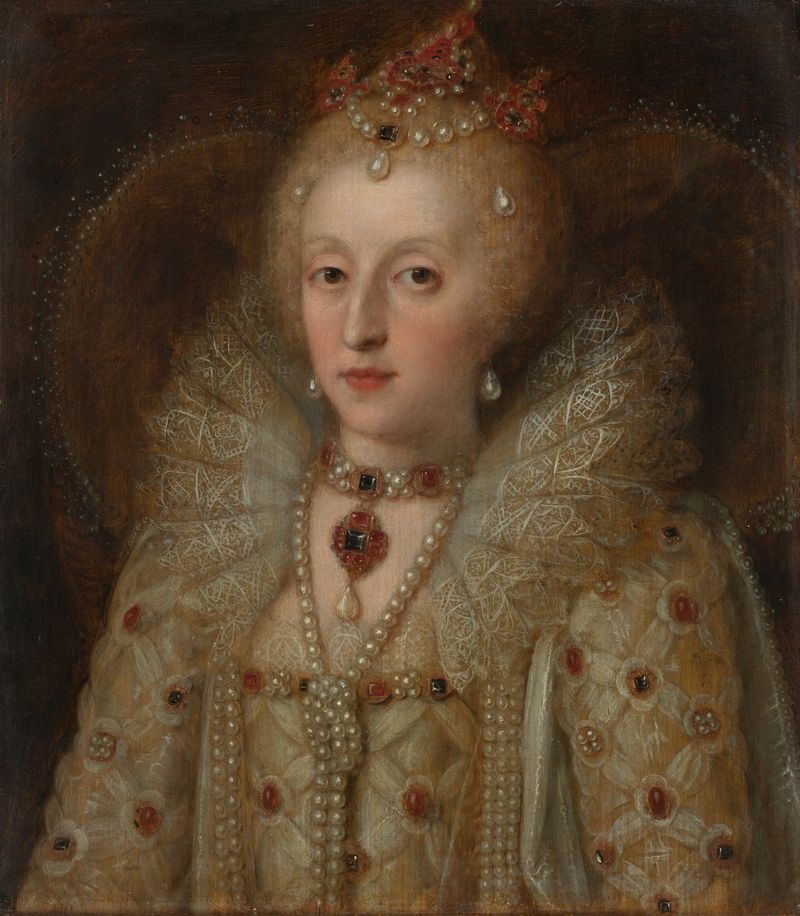
Portrait of Elizabeth I, Queen of England
Unknown Artist
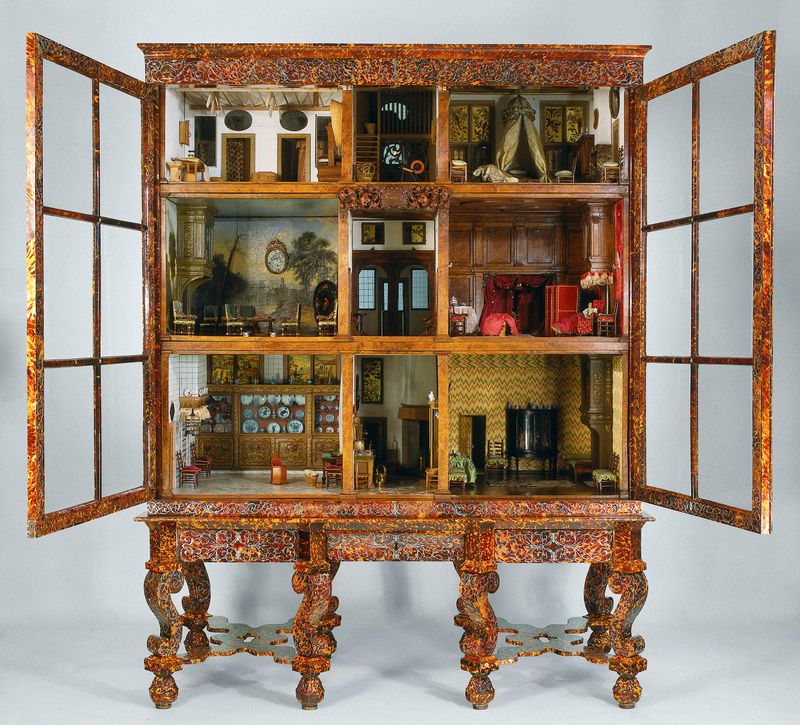
Dolls’ house of Petronella Oortman
Unknown Artist
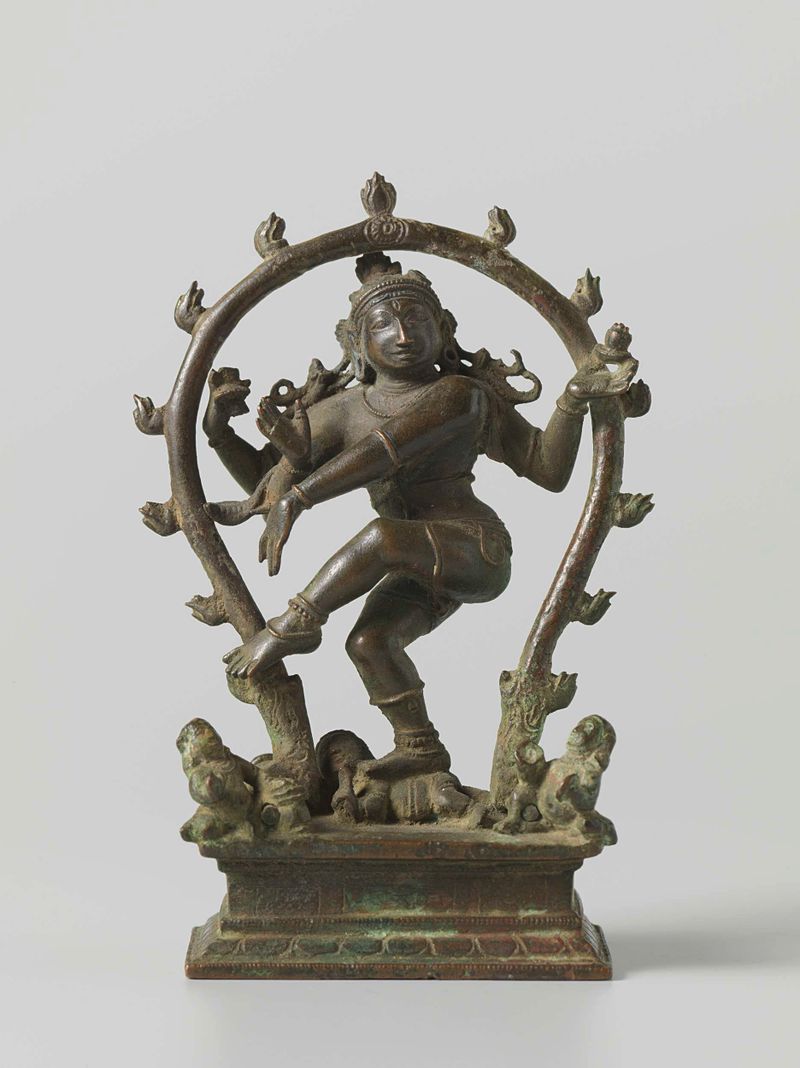
Shiva Nataraja
Unknown Artist

The Tale of Genji
Unknown Artist

The Tale of Genji
Unknown Artist
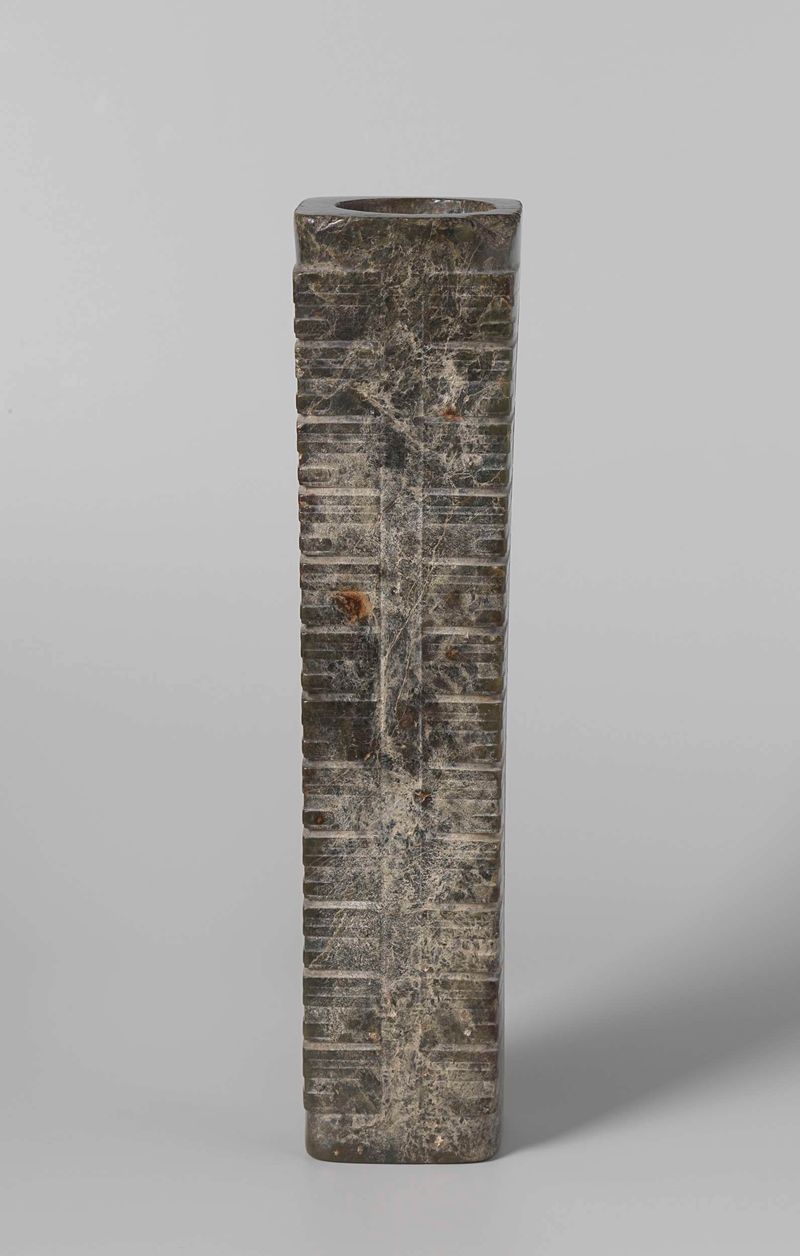
Cong
Unknown Artist
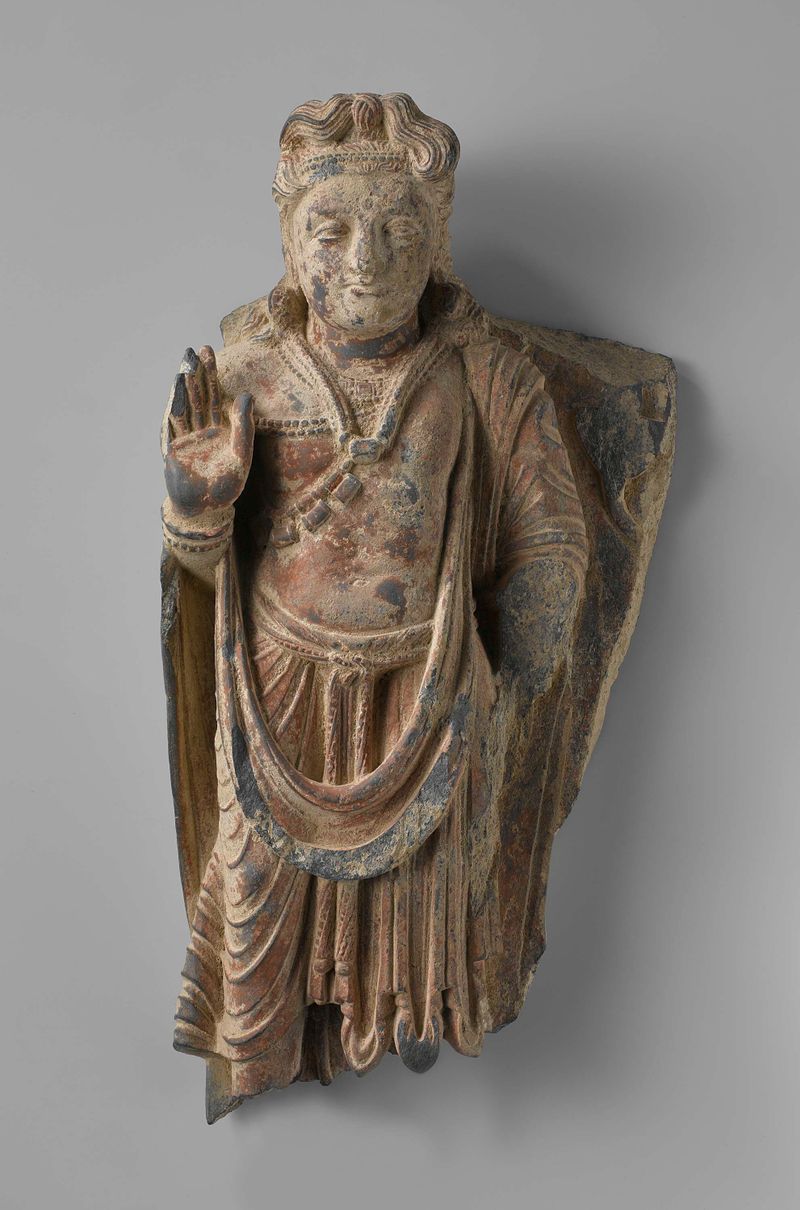
The bodhisattva Maitreya
Unknown Artist
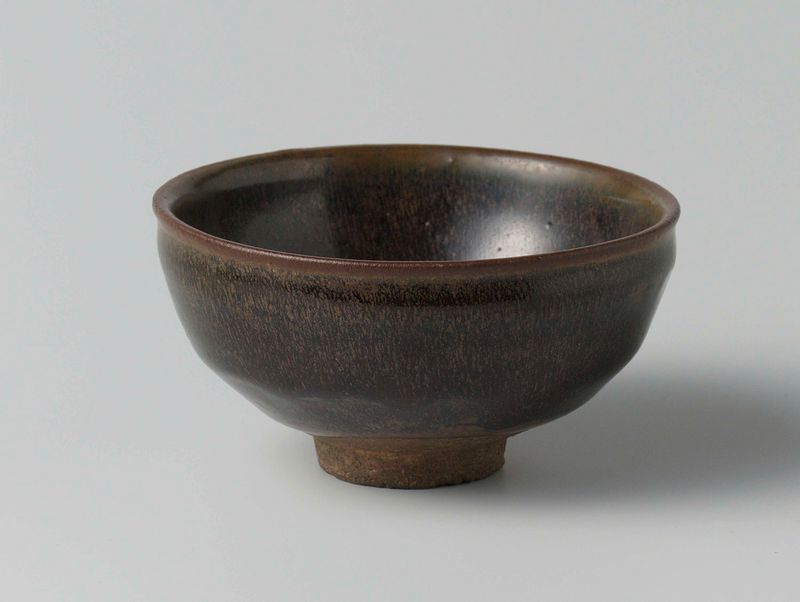
Teabowl with a 'hare's fur' glaze
Unknown Artist
More Architecture Art
Browse all →
The statue of Liberty
Frédéric Auguste Bartholdi

View of Houses in Delft, Known as ‘The Little Street’
Johannes Vermeer

View of Houses in Delft, Known as ‘The Little Street’
Johannes Vermeer

The Cathedral in Rouen. The portal, Grey Weather
Claude Monet

The yellow house
Vincent van Gogh

The Church in Auvers-sur-Oise, View from the Chevet
Vincent van Gogh