
The Ruins of the Old Town Hall of Amsterdam after the Fire of 7 July 1652 — History & Facts
Can beauty exist without sorrow? In the charred remnants of a once-grand structure, we find a haunting reflection of loss and resilience, a poignant reminder of the fragility of human endeavor. Look to the foreground, where the somber gray and burnt umber hues dominate the canvas, revealing the desolate ruins of the old town hall. The artist's meticulous brushwork captures the jagged edges of stone, signifying both destruction and the passage of time. Notice how the soft golden light, diffusing through the smoke-dimmed sky, highlights the ruins, creating a breathtaking contrast that speaks to the tension between decay and beauty. Within this melancholic scene, the twisted beams and shattered walls evoke a profound sense of grief, each element infused with historical significance.
The interplay of light and shadow tells a story of remembrance, while the scattered debris serves as a metaphor for the impermanence of glory. In observing the distant figures, we are reminded of the collective mourning shared by a community, their silent presence reinforcing the emotional weight of the landscape. Painted during the years immediately following the catastrophic fire of July 7, 1652, this work emerged in a time of reflection for the artist. Jan Abrahamsz Beerstraaten, a notable landscape painter of the Dutch Golden Age, sought to document not just the physical remnants but the emotional scars left on society.
The tragedy resonated with a world grappling with change, as the beauty of the past collided with the stark reality of loss.
More Artworks by Jan Abrahamsz Beerstraaten
Browse all →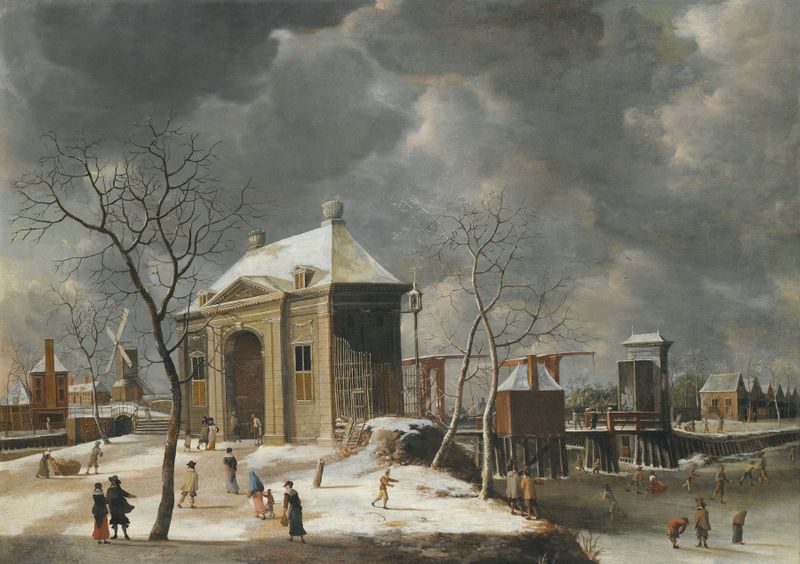
Amsterdam, A View Of The Heiligewegspoort From The North-West, With Skaters On A Frozen Canal
Jan Abrahamsz Beerstraaten
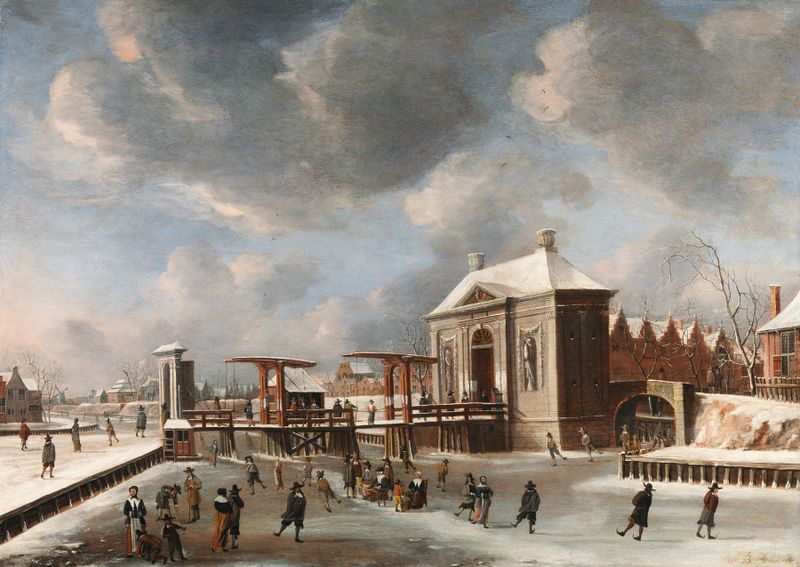
The Heiligewegs Gate, Amsterdam
Jan Abrahamsz Beerstraaten
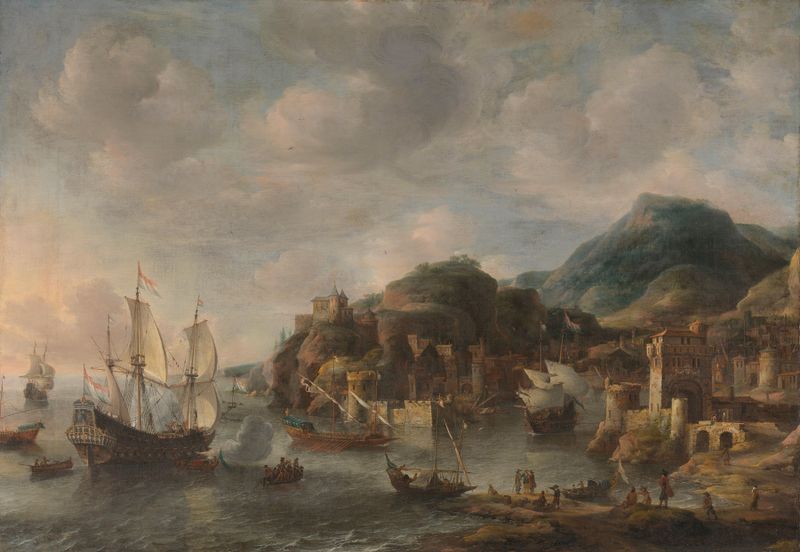
Dutch Ships in a Foreign Port
Jan Abrahamsz Beerstraaten
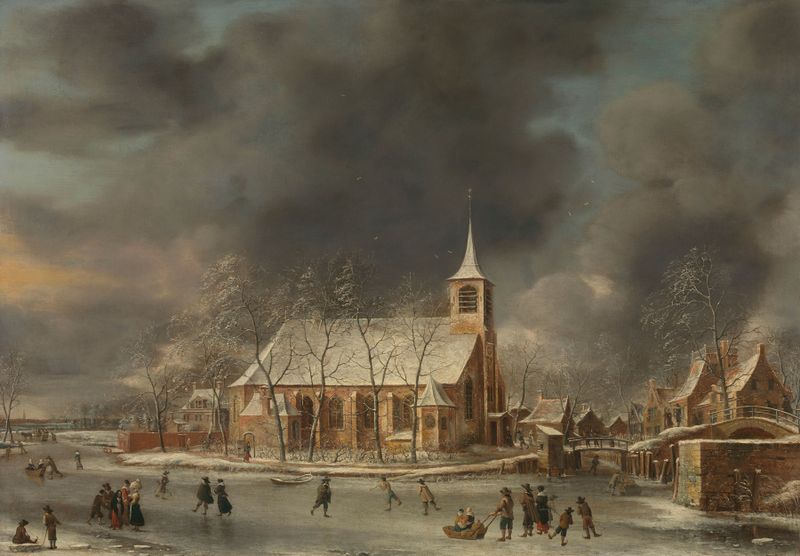
View of the Church of Sloten in the Winter
Jan Abrahamsz Beerstraaten

A Harbour Scene With A Man-Of-War And Other Shipping, Figures Conversing On The Shore
Jan Abrahamsz Beerstraaten

The Paalhuis and the Nieuwe Brug, Amsterdam, in the Winter
Jan Abrahamsz Beerstraaten
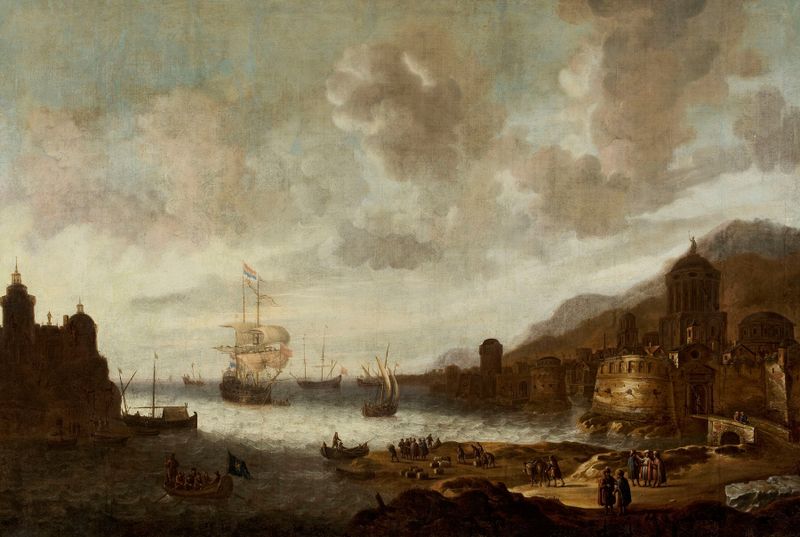
Dutch ship in an exotic port
Jan Abrahamsz Beerstraaten

Skating at Sloten, near Amsterdam
Jan Abrahamsz Beerstraaten

Winter landscape with skaters on a frozen river
Jan Abrahamsz Beerstraaten
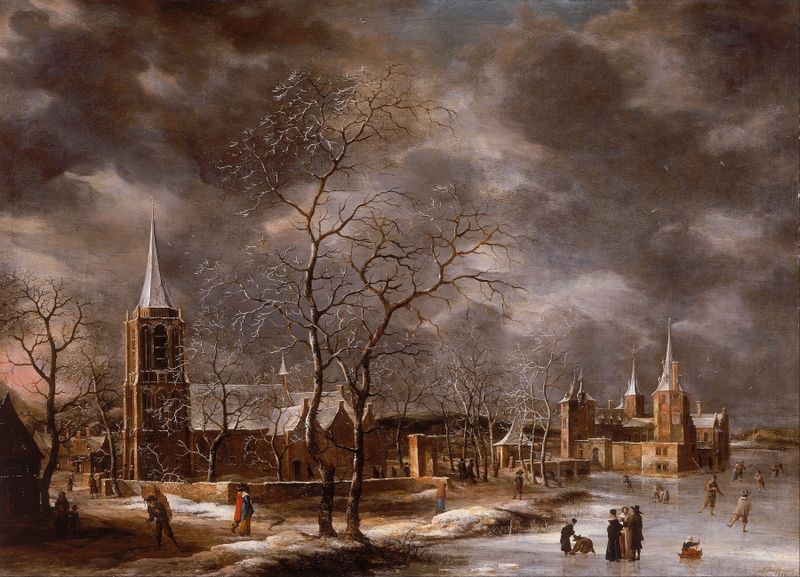
Warmond Castle in a Winter Landscape
Jan Abrahamsz Beerstraaten
More Architecture Art
Browse all →
The statue of Liberty
Frédéric Auguste Bartholdi

View of Houses in Delft, Known as ‘The Little Street’
Johannes Vermeer

View of Houses in Delft, Known as ‘The Little Street’
Johannes Vermeer

The Cathedral in Rouen. The portal, Grey Weather
Claude Monet

The yellow house
Vincent van Gogh

The Church in Auvers-sur-Oise, View from the Chevet
Vincent van Gogh