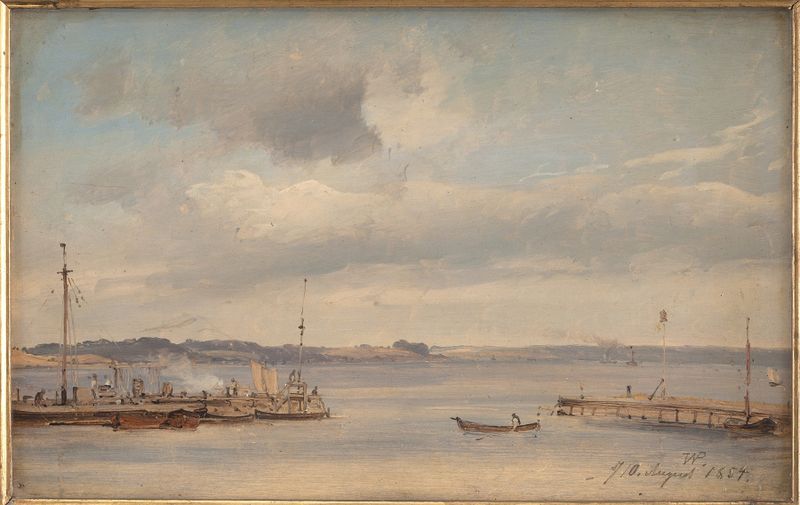
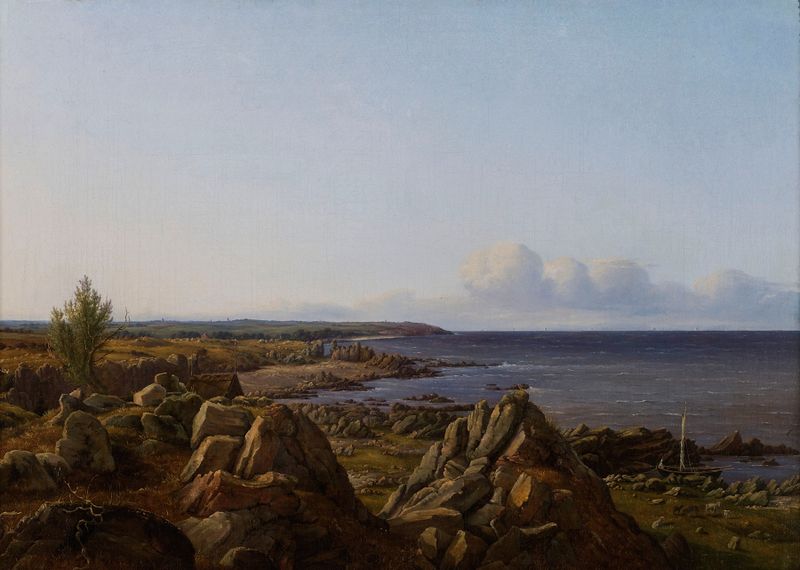
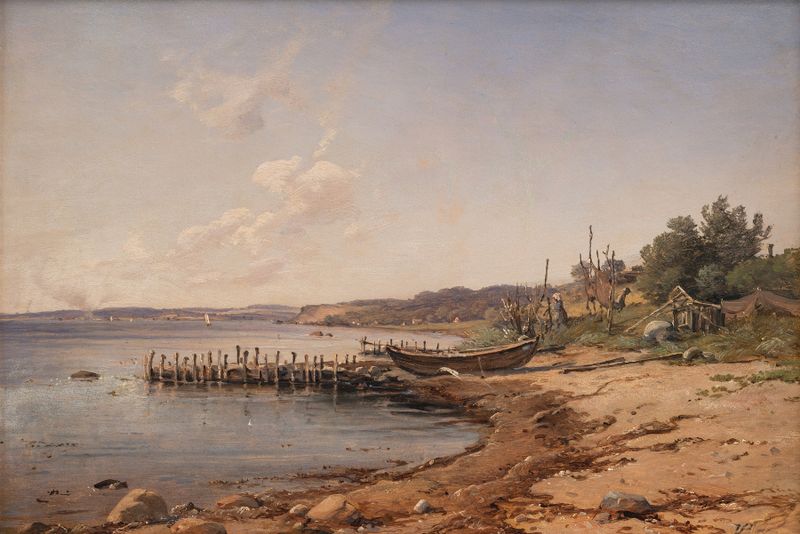
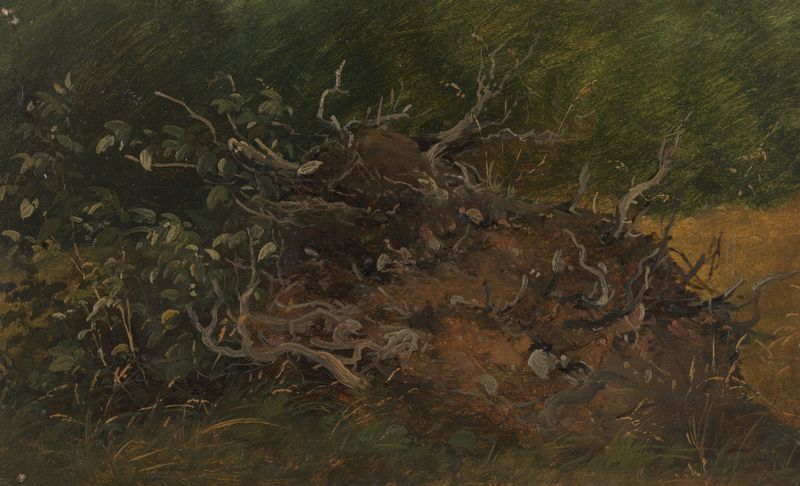
The Sand Box at the Stormbro Bridge with Thorvaldsen’s Museum in the Background — History & Facts
The fleeting nature of existence weaves itself into the fabric of life, echoing through the sands of time. In the interplay of light and shadow, mortality emerges as an intrinsic theme that beckons reflection. Focus on the foreground, where grains of sand seem to shimmer as if they hold secrets of the past. The bridge looms in the background, sturdy yet distant, capturing the eye with its grand arch.
Notice how the sun spills a warm glow over the scene, illuminating the delicate textures of the sand while casting cool shadows that hint at the chill of inevitability. The colors are muted yet rich, evoking a sense of nostalgia and longing, inviting the viewer to ponder the passage of time. Delve deeper into the subtle contrasts within the composition: the smoothness of the sand juxtaposed against the rugged structure of the bridge symbolizes the fragility of life against the permanence of mortality. The museum, a testament to human achievement, serves as a reminder that while art can endure, the moments it captures are transient.
The gentle ripples of the landscape echo the inevitability of change, urging us to consider our own place within this shared temporal experience. In 1846, while creating this work, the artist found himself in a period of artistic exploration amidst the shifting tides of Romanticism. Living in Denmark, he was influenced by the burgeoning movement that sought to capture the sublime and the emotional depth of the human experience. This painting, set against the backdrop of his contemporary realities, reflects his contemplation of life’s fleeting beauty amidst the weight of existence.