View of the parish of Østerlarsker — History & Facts
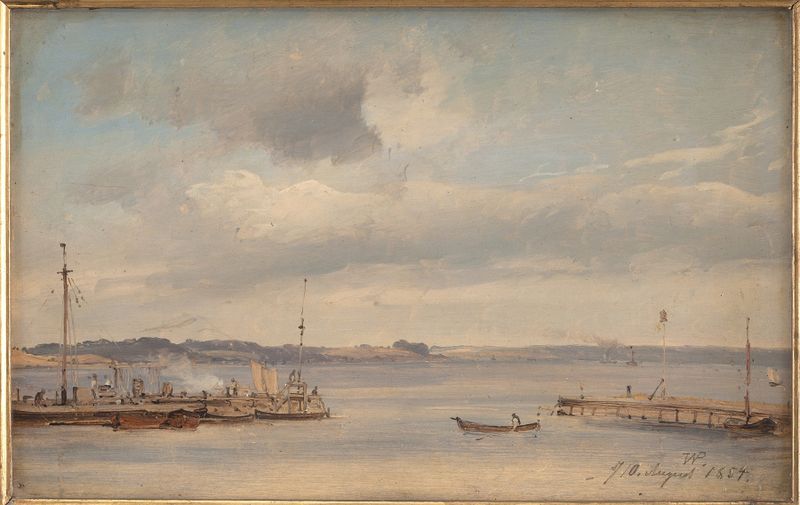
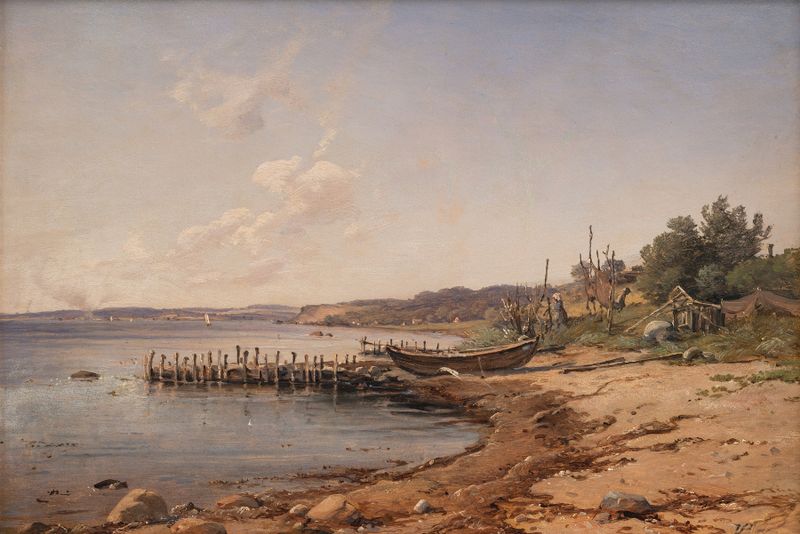
Who listens when art speaks of silence? In View of the parish of Østerlarsker, the stillness reverberates, inviting a deep reflection on the beauty of simplicity and the awe of the natural world. Focus your gaze on the sweeping horizon, where rolling hills meet the tranquil sky. The muted palette of soft greens and blues harmonizes beautifully, while wisps of delicate clouds brush across the canvas. Notice how Petersen's gentle brushstrokes create a sense of movement in the foliage, almost as if the landscape breathes, each blade of grass alive with potential.
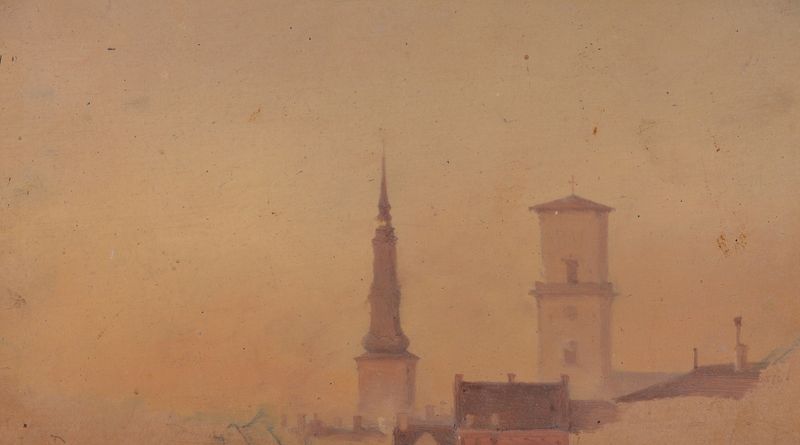
The church steeple rises gracefully in the background, a steadfast sentinel amidst the serene expanse. Delve deeper into the subtle contrasts within the work. The church, emblematic of community and faith, stands in stark relief against the expansive countryside, symbolizing humanity's search for connection amidst nature's vastness. The interplay of light and shadow evokes a sense of time passing, a reminder of the ephemerality of existence.
The painting's tranquility invites viewers to consider their own place within this context, fostering a sense of awe both for the landscape and the human experience. Petersen created this work in 1838, during a period when Danish Romanticism was flourishing. The artist sought to capture the essence of his homeland, reflecting the era's growing appreciation for nature and local landscapes. At this time, Denmark was experiencing a cultural awakening, with artists turning their gaze toward the beauty of rural life, establishing a connection that would resonate throughout the centuries.