
The Shaded Walk — History & Facts
Could a single brushstroke hold eternity? In The Shaded Walk, the transient nature of grief finds expression in every stroke, urging us to linger on the edges of our loss. Look to the left at the gentle arch of trees, their leafy canopies casting a delicate mosaic of light and shadow across the winding path. Notice how the soft greens and deep browns blend into a serene palette, the artist's careful layering of paint mimicking the weight of emotion. The composition draws the eye subtly along the path, inviting contemplation of both the journey and the destination—an echo of the inescapable passage of time. As you absorb the scene, consider the contrasts at play: the vibrant life of nature juxtaposed against the melancholy of absence.
Each leaf seems to whisper stories of those who have walked this path before, while the winding walk hints at solitude and reflection. The interplay of light and shade embodies the complexity of grief—a space where beauty and sorrow coexist, revealing how intimately they are intertwined. In 1927, William Henry Holmes painted this piece during a period marked by personal and societal upheaval. Amidst the modernist movements reshaping the art world, he sought solace in landscapes that echoed emotional truths.
This was a time of introspection for him, as he navigated the changing tides of life and art, capturing the quiet strength of nature as a refuge from the chaos beyond.
More Artworks by William Henry Holmes
Browse all →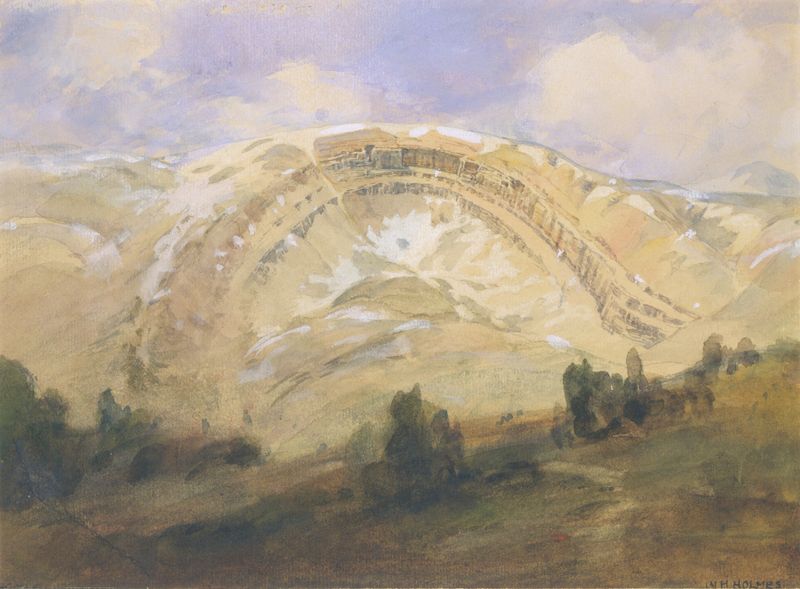
Folded Strata, A Great Geological Arch, Colorado
William Henry Holmes
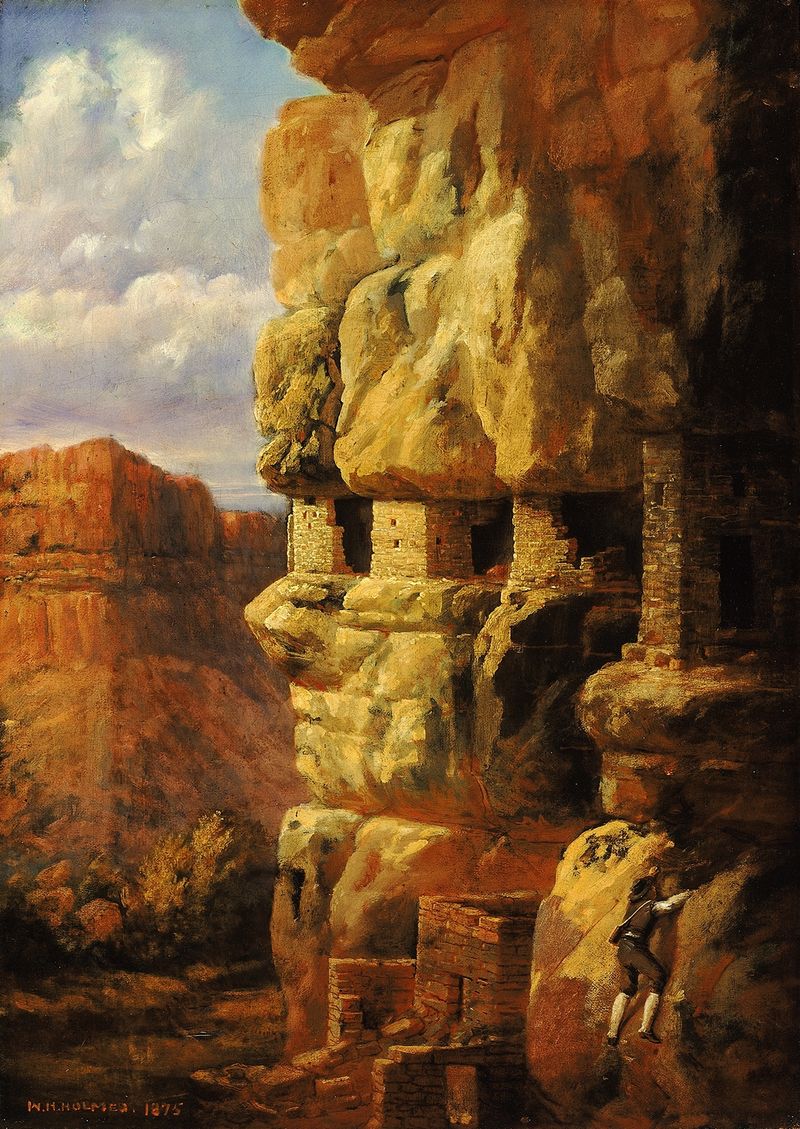
Cliff Houses On The Rio Mancos, Colorado
William Henry Holmes
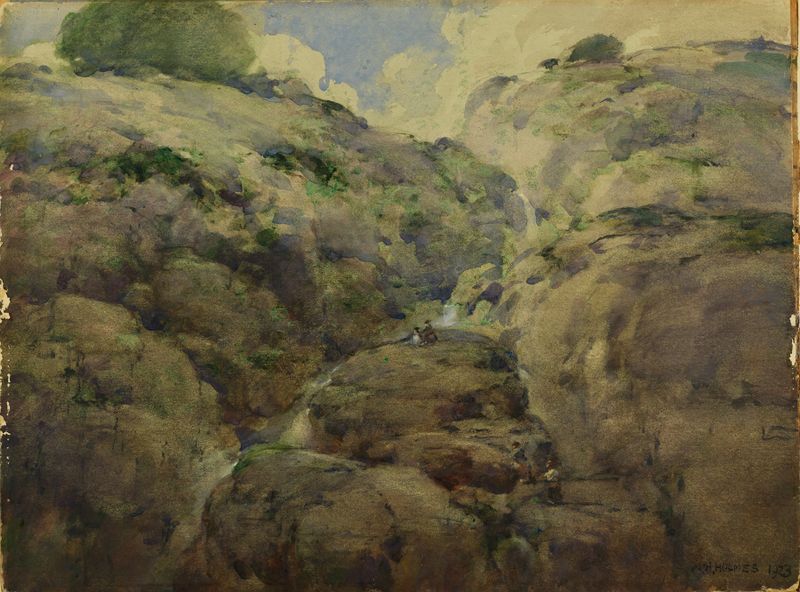
Mountain Gorge, Colorado
William Henry Holmes
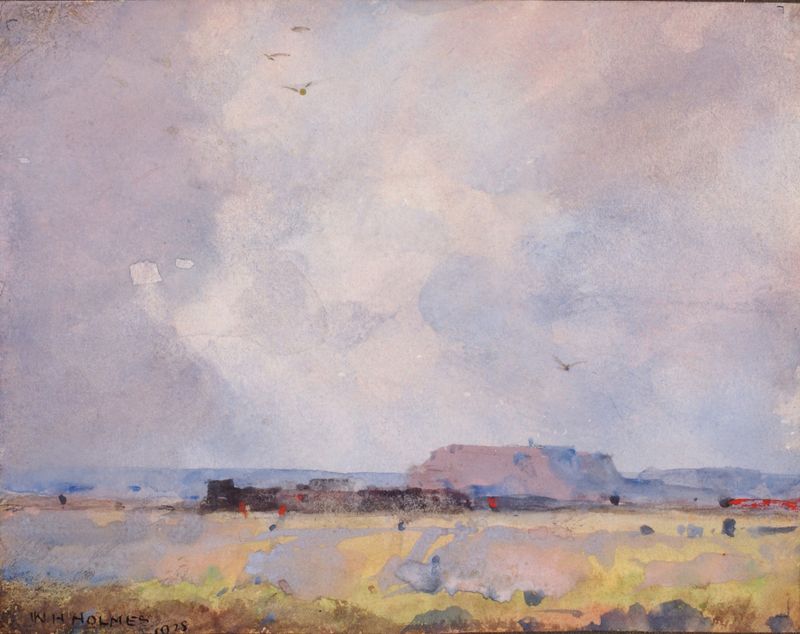
In The Plateau Country, With An Inhabited Pueblo
William Henry Holmes
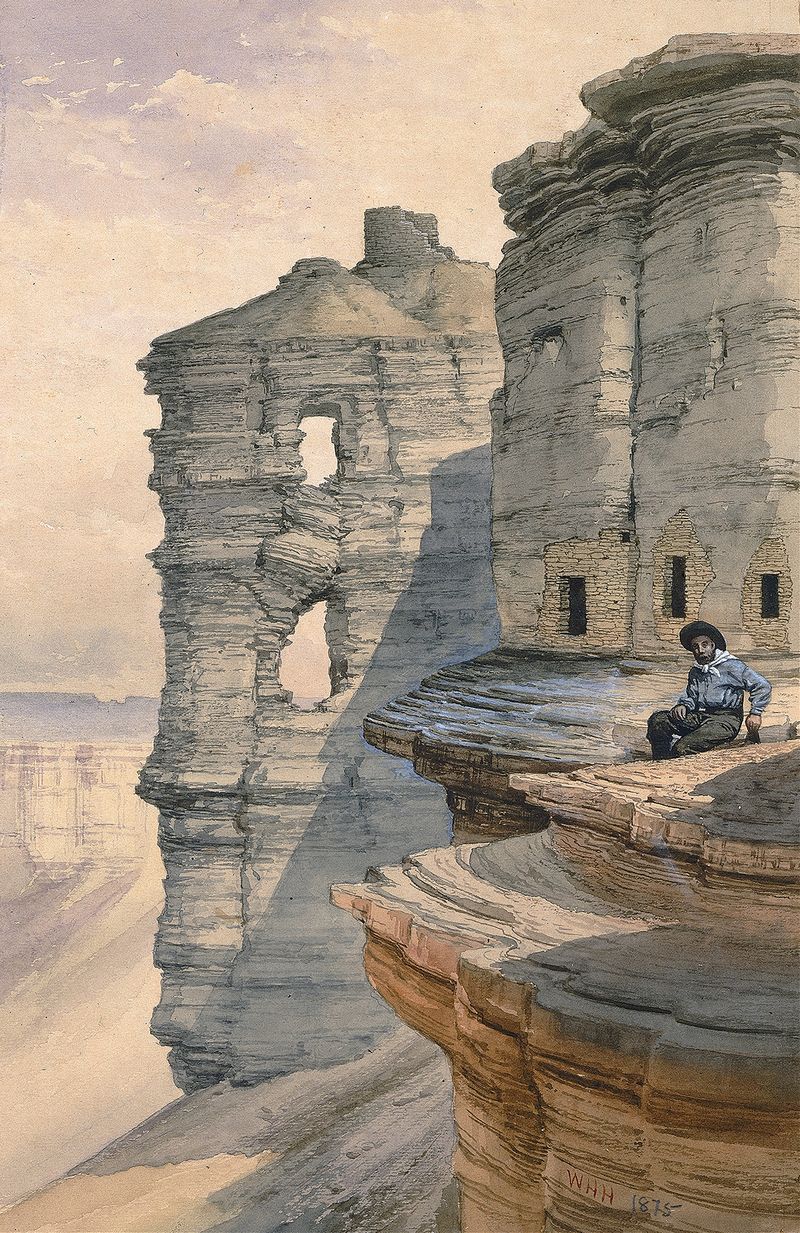
Cliff Houses on the Rio Mancos, Colorado
William Henry Holmes
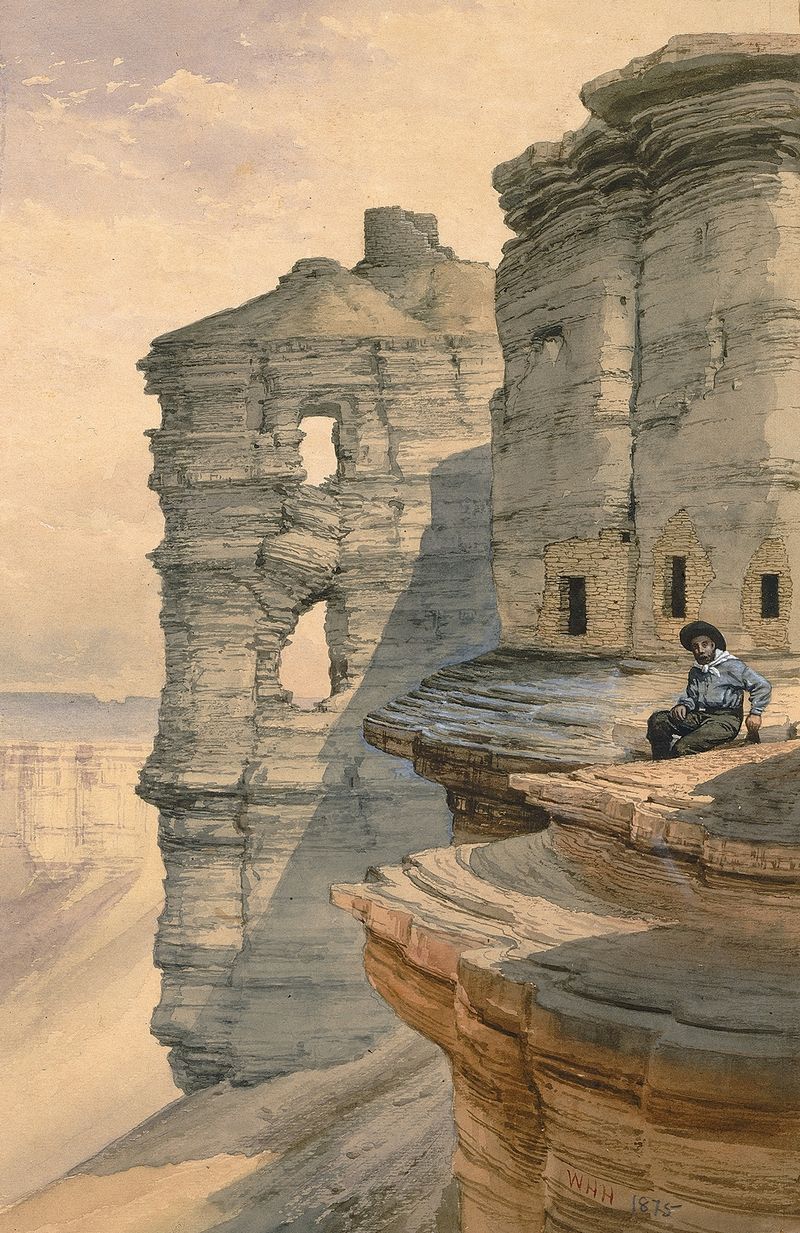
Cliff Houses On The Rio Mancos, Colorado
William Henry Holmes
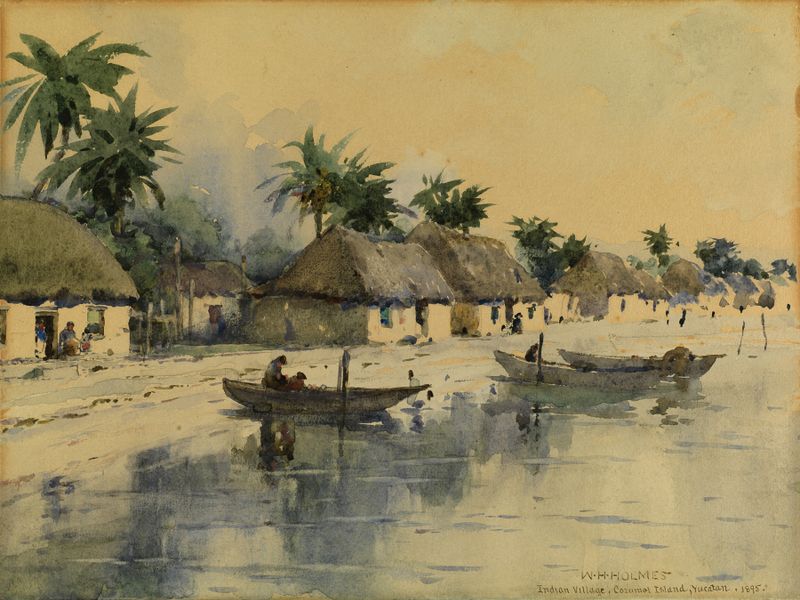
Indian Village, Cozumel Island, Yucatan
William Henry Holmes
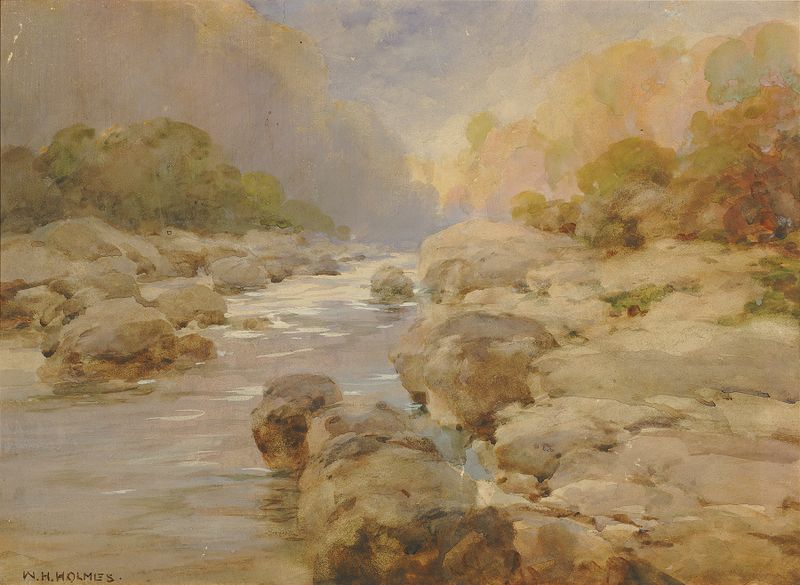
Unmodified Rock Creek, About 1910
William Henry Holmes
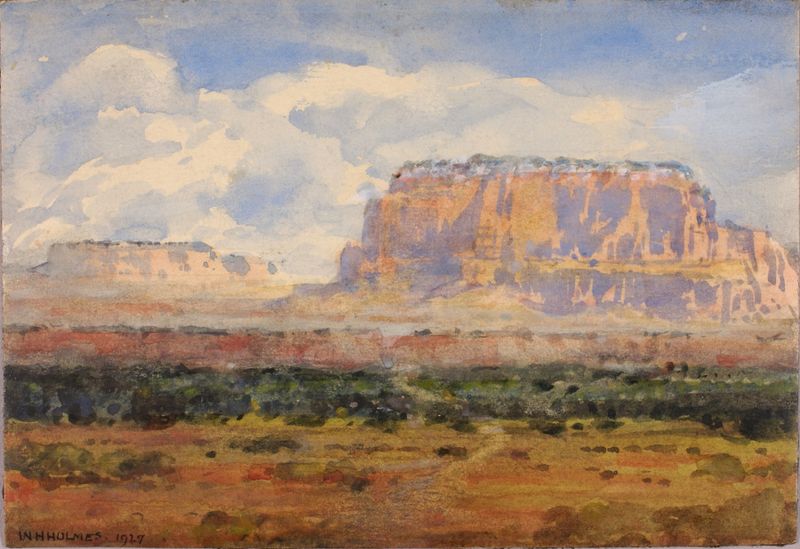
The Enchanted Mesa
William Henry Holmes
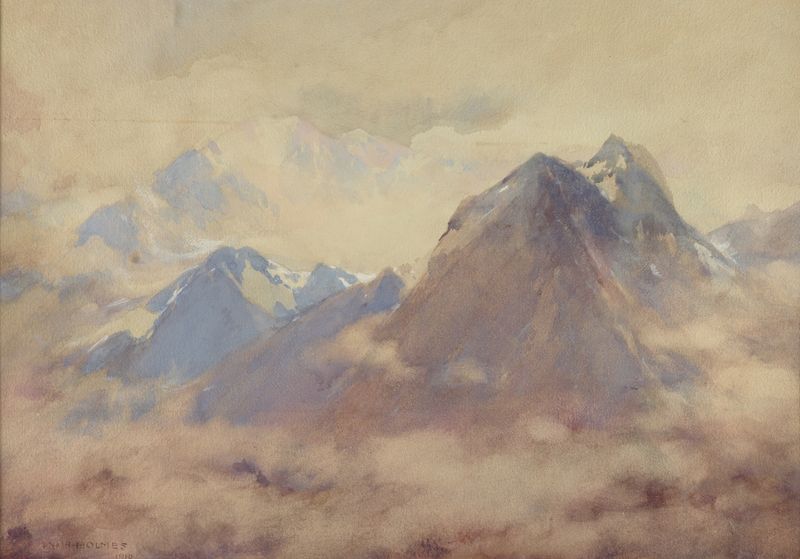
The Almighty’s Own, An Impression Of The High Andes
William Henry Holmes





