The Station At Vichy — History & Facts
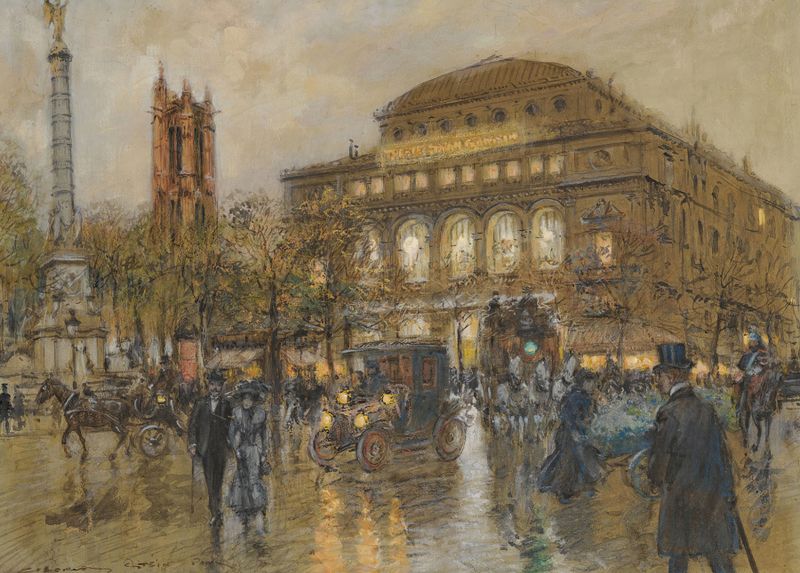
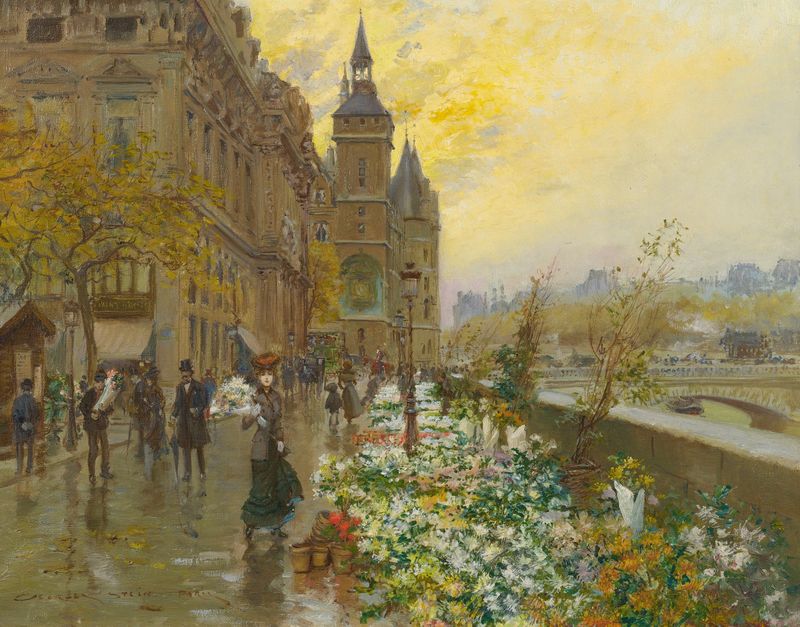
In the stillness of a forgotten space, one contemplates the heaviness of absence and what it leaves behind. A void echoes through the canvas, reminding us of the unseen stories lurking in the shadows of memory. Look to the center of the composition; notice how the muted colors blend together, creating a sense of desolation. The stark lines of the architecture rise from the bottom, drawing the eye upward, while the barren surroundings suggest a once-bustling environment now reduced to silence.
The interplay of light and shadow enhances the feeling of isolation, as if every corner of the painting holds its breath, waiting for a whisper of life. Upon closer inspection, the emptiness suggests more than mere absence; it is a reflection on lost time and shattered connections. The interplay of stark geometry against the softness of the surrounding void evokes a tension between the present and the past, as if the viewer is being invited to confront their own histories. This emotional contrast speaks of hope amidst despair, a longing for what once was yet remains unattainable. Georges Stein painted this piece during a time when the world was grappling with profound changes.
Created in the early 20th century, likely between the wars, the artist was influenced by the complexities of modernity and the impact of loss on society. The artwork encapsulates a moment of introspection, set against the backdrop of a world in turmoil, and reflects the broader existential questions facing humanity during this period.