The Stone Quarry of Nanterre by Moonlight — History & Facts
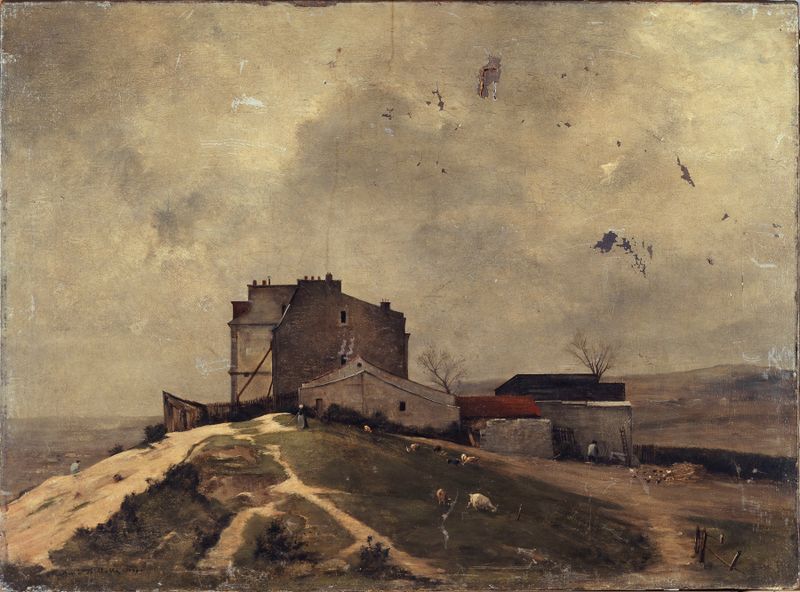
This sentiment echoes deeply in the luminous shadows of a moonlit quarry, where the past meets a haunting present. As forms emerge from the darkness, they beckon us to explore the remnants of forgotten labor and the whispers of toil that linger in the night. Look to the bottom left at the stark, jagged outlines of the stone cliffs, illuminated by a silvery glow. The interplay of light and shadow creates a dramatic contrast, revealing textures that evoke the ruggedness of the earth.
Notice how the gentle curves of the moon’s reflection dance on the water's surface, providing a serene counterpoint to the harshness of the quarry walls. This composition weaves together a narrative of both beauty and brutality, inviting contemplation on the human spirit amidst nature's raw power. Delve deeper into the emotional resonance of this scene. The stillness suggests a moment frozen in time, yet the quarry hints at the laborious efforts once exerted within its depths.
The moonlight signifies an ethereal longing, as if the landscape mourns the stories of those who toiled there, their dreams buried beneath the weight of stone. This contrast between tranquility and the echoes of labor raises questions about memory and legacy, the eternal interplay of human ambition and nature’s indifference. Created during an uncertain period in the late 19th century, the artist painted this piece while living in France, where the art world was grappling with the rise of modernism and shifts in perception. This environment of transition and reflection influenced his work as he sought to capture ephemeral moments, bridging the gap between the past and present.
The quarry stands as a testament to the enduring human narrative amid the ever-changing landscape of art.