
The storm, Capri — History & Facts
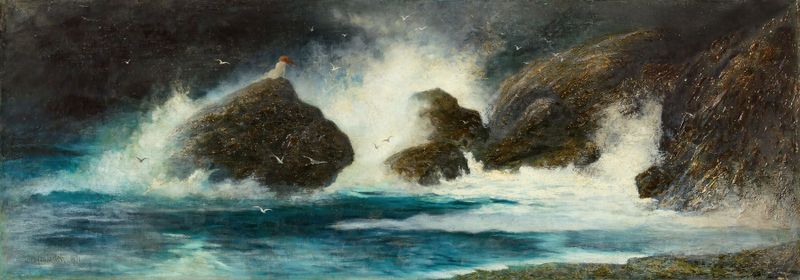
In a world teetering on the brink of revolution, life is not merely depicted; it is felt, pulsing with intensity and urgency. Look to the swirling clouds overhead, where deep indigos and grays clash violently, capturing the very essence of a brewing tempest. Focus on the horizon, where the tumultuous sea mirrors the sky's fury, each wave a chaotic dance of emotion. Notice how the flickering light breaks through the dark, illuminating the rugged cliffs of Capri—a juxtaposition of beauty and chaos, hinting at nature’s unpredictable power and the inner turmoil of humanity. The contrasting tones evoke a sense of struggle—between calm and storm, hope and despair.
The brushstrokes, vigorous and raw, suggest a sense of movement, urging the viewer to feel the tension that lies just beneath the surface. Each detail, from the erratic waves to the fierce winds, serves as an invitation to reflect on the profound impact of change, both in nature and in life. This clash of elements mirrors the revolutionary spirit of the time, imbuing the artwork with layers of meaning that resonate well beyond the canvas. Created during a period of personal exploration and societal upheaval, the artist captured The Storm at a time when he sought to break away from conventional artistic constraints.
Living in Germany and later in Italy during the late 19th century, he was immersed in the philosophies of the avant-garde, grappling with ideals of freedom and expression in a rapidly changing world. The painting embodies these principles, reflecting his desire for authenticity in the face of turmoil.
More Artworks by Karl Wilhelm Diefenbach
Browse all →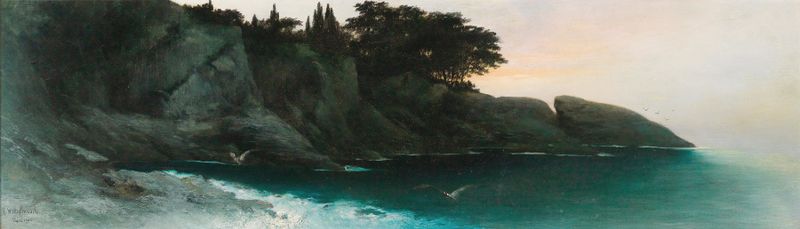
Capri
Karl Wilhelm Diefenbach

Capri
Karl Wilhelm Diefenbach
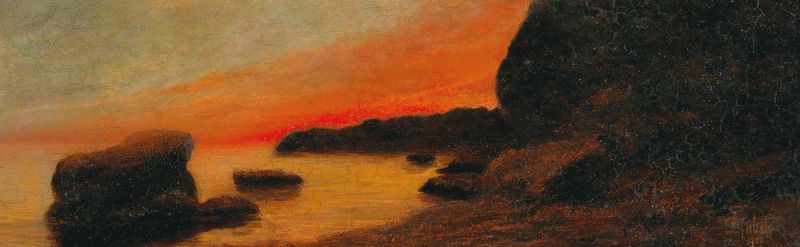
Sunset on the coast of Capri
Karl Wilhelm Diefenbach
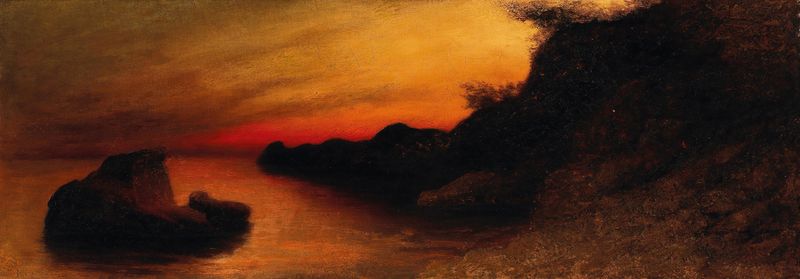
Capri
Karl Wilhelm Diefenbach
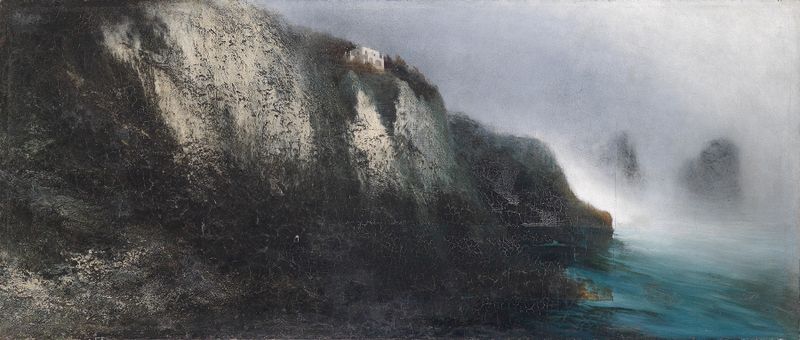
Caprilandschaft
Karl Wilhelm Diefenbach
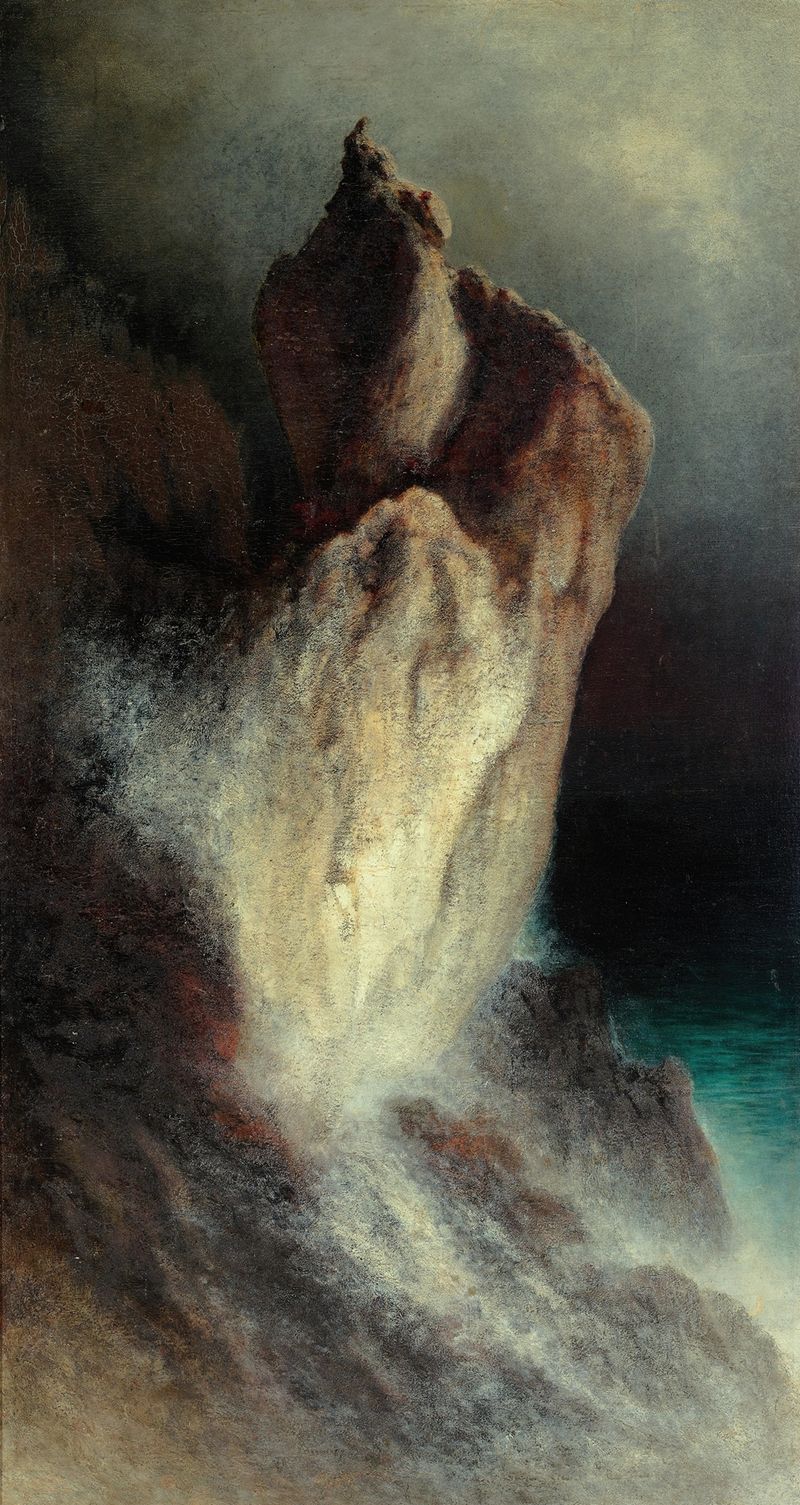
Pizzolungo, Capri
Karl Wilhelm Diefenbach
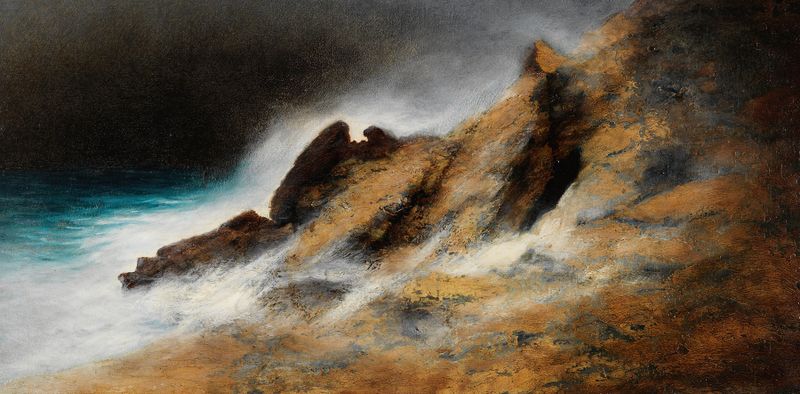
Stürmische Meeresbucht
Karl Wilhelm Diefenbach
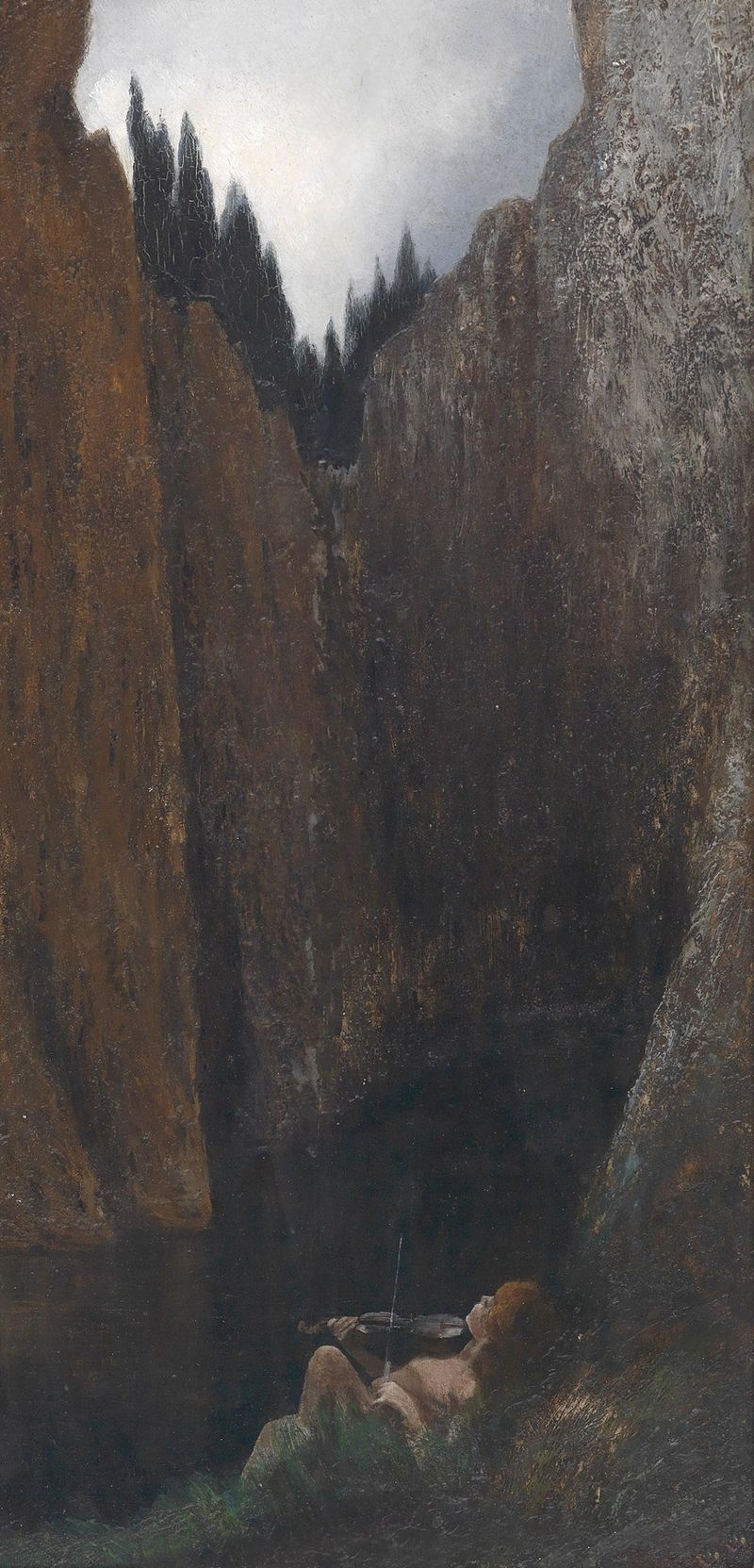
Geige spielender Knabe
Karl Wilhelm Diefenbach
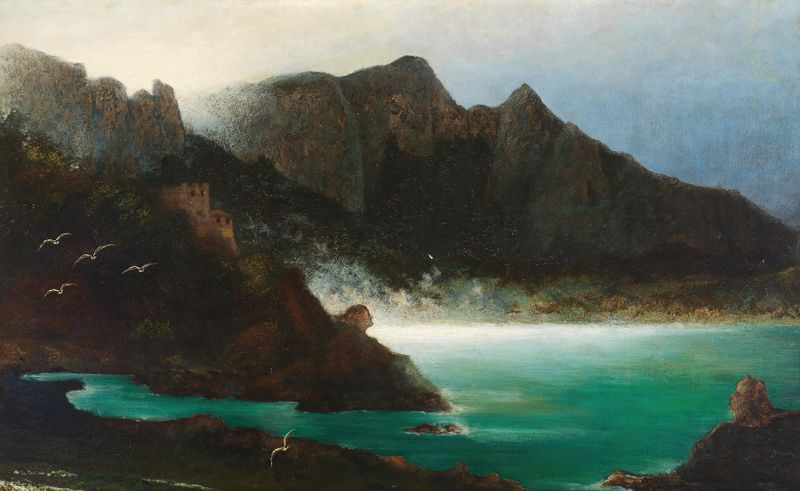
Solitude
Karl Wilhelm Diefenbach
Stürmische Seelandschaft
Karl Wilhelm Diefenbach





