Discover insights about this artwork
The Swineherd — History & Facts
In The Swineherd, Paul Gauguin presents a vibrant rural scene filled with rich colors. The painting features a swineherd surrounded by pigs, set against a lush landscape. Gauguin's use of bold hues creates a lively atmosphere, drawing the viewer's eye to the central figure.
The figures are stylized, reflecting Gauguin's interest in simplifying forms and colors. This painting is an example of Post-Impressionism, characterized by its vivid colors and emotional depth. Gauguin employed oil on canvas to create this work, which measures approximately 73 x 92 cm. The brushwork is expressive, with thick applications of paint that enhance the texture of the scene.
The composition is balanced, with the swineherd positioned centrally among the pigs. The Swineherd was created during Gauguin's time in Brittany, where he sought to capture the essence of rural life. This period was significant for the artist, as he moved away from the Impressionist style to develop his own unique approach. An interesting fact about this work is that it reflects Gauguin's fascination with the lives of peasants and their connection to nature.
This painting exemplifies his desire to convey a sense of place and culture through art.
More Artworks by Paul Gauguin
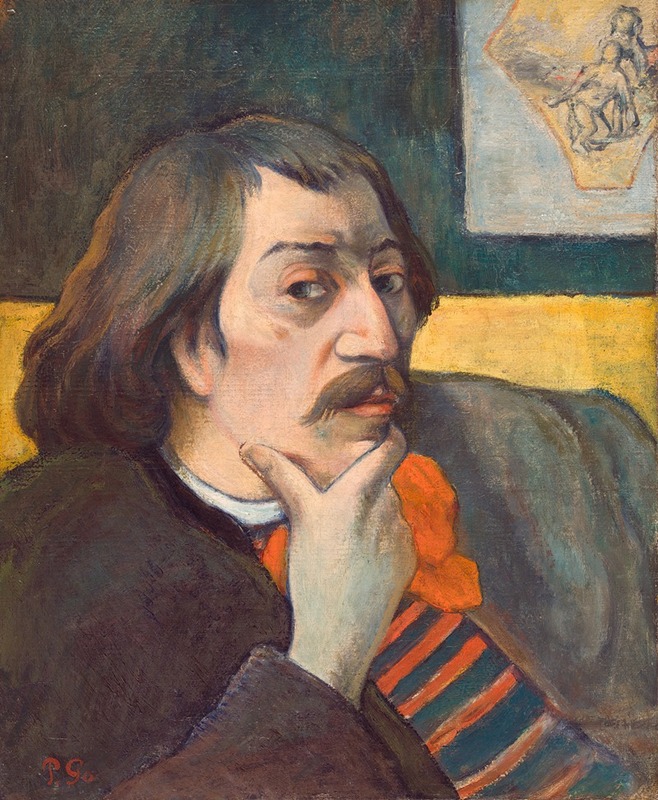
Self Portrait
Paul Gauguin
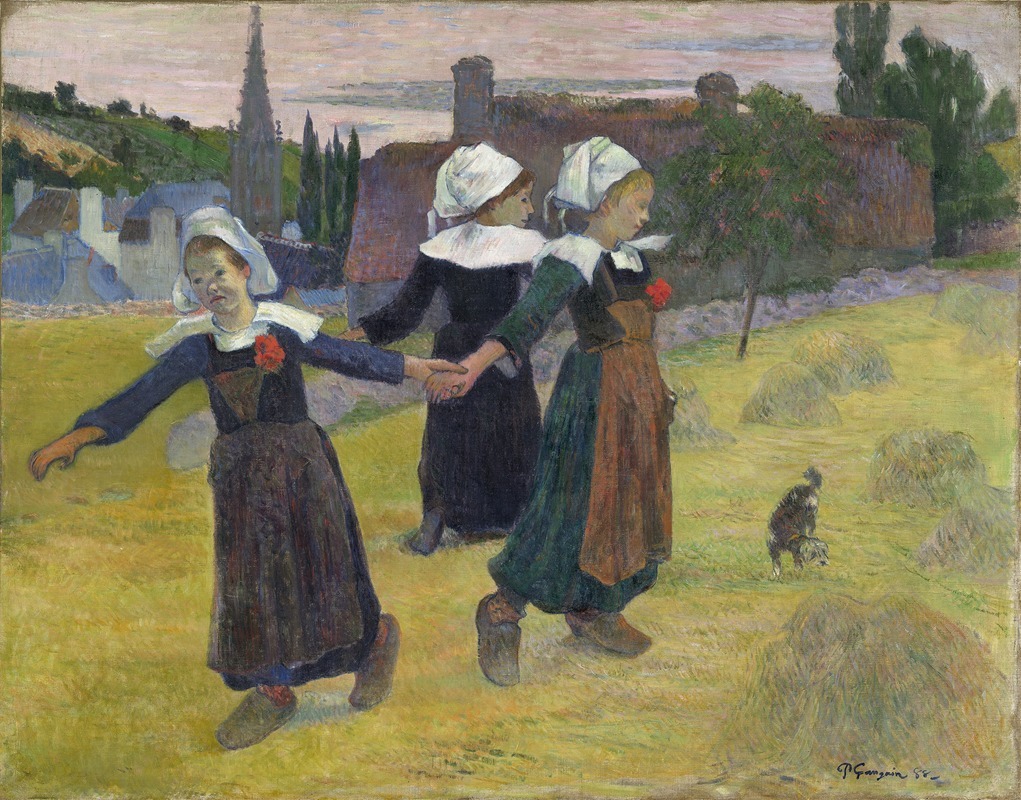
Breton Girls Dancing,Pont-Aven
Paul Gauguin
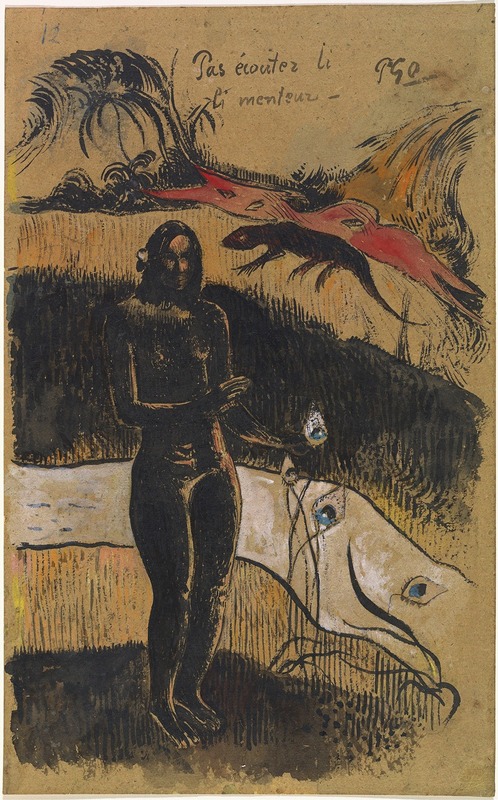
Nave Nave Fenua
Paul Gauguin
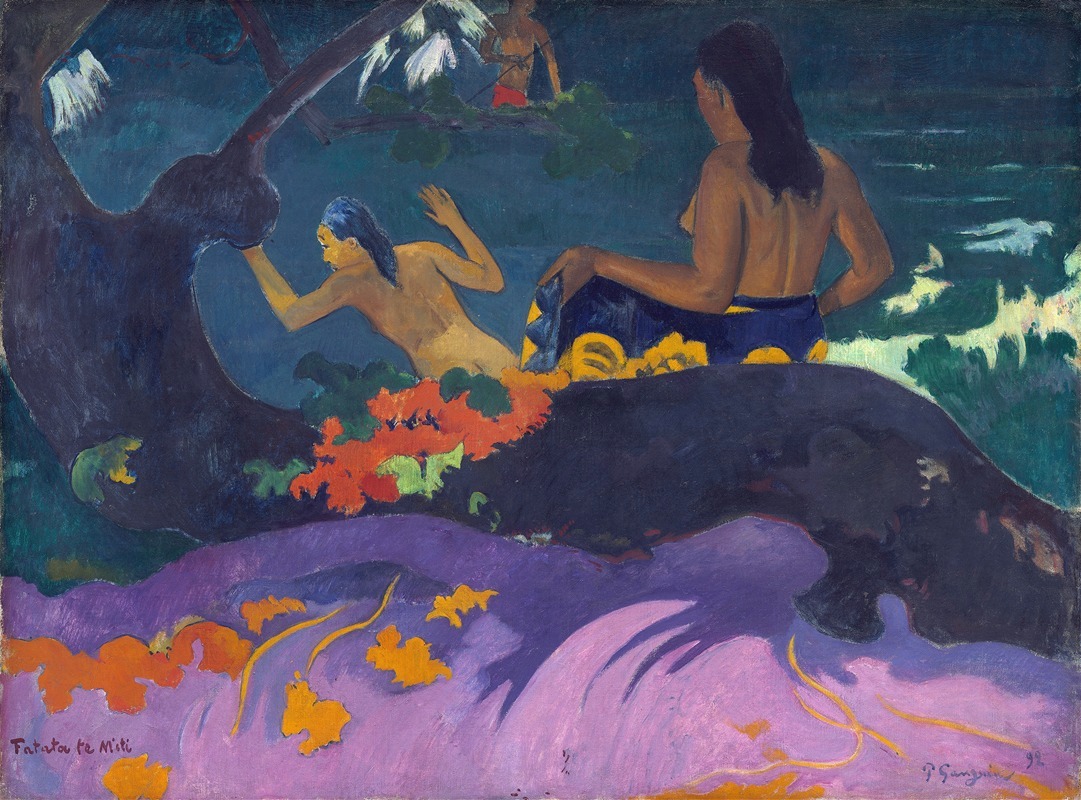
Fatata te Miti (By the Sea)
Paul Gauguin
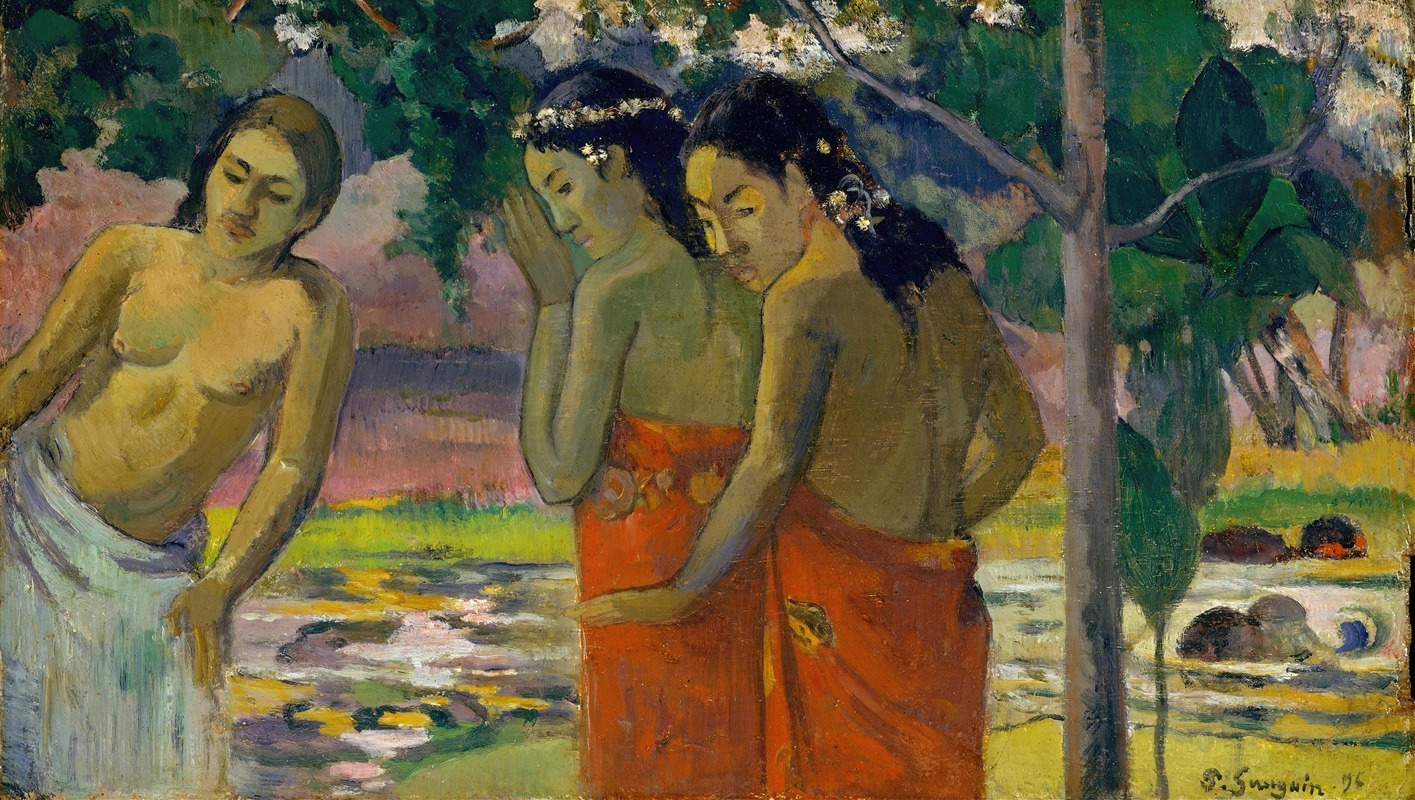
Three Tahitian Women
Paul Gauguin
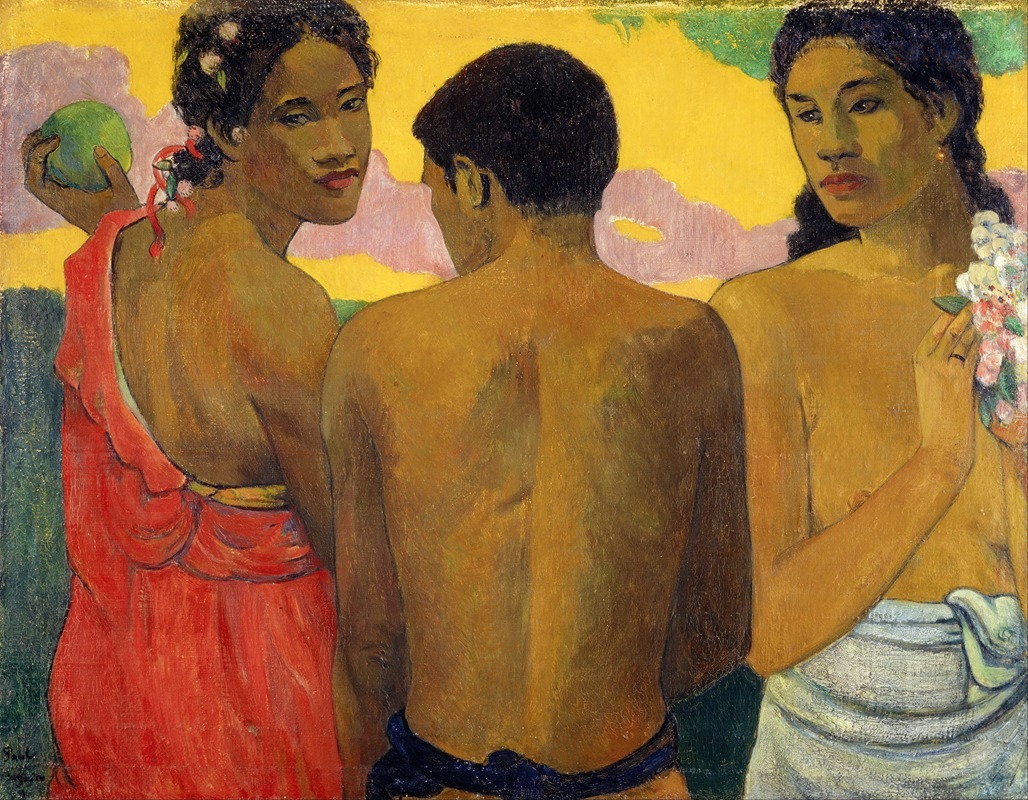
Three Tahitians
Paul Gauguin
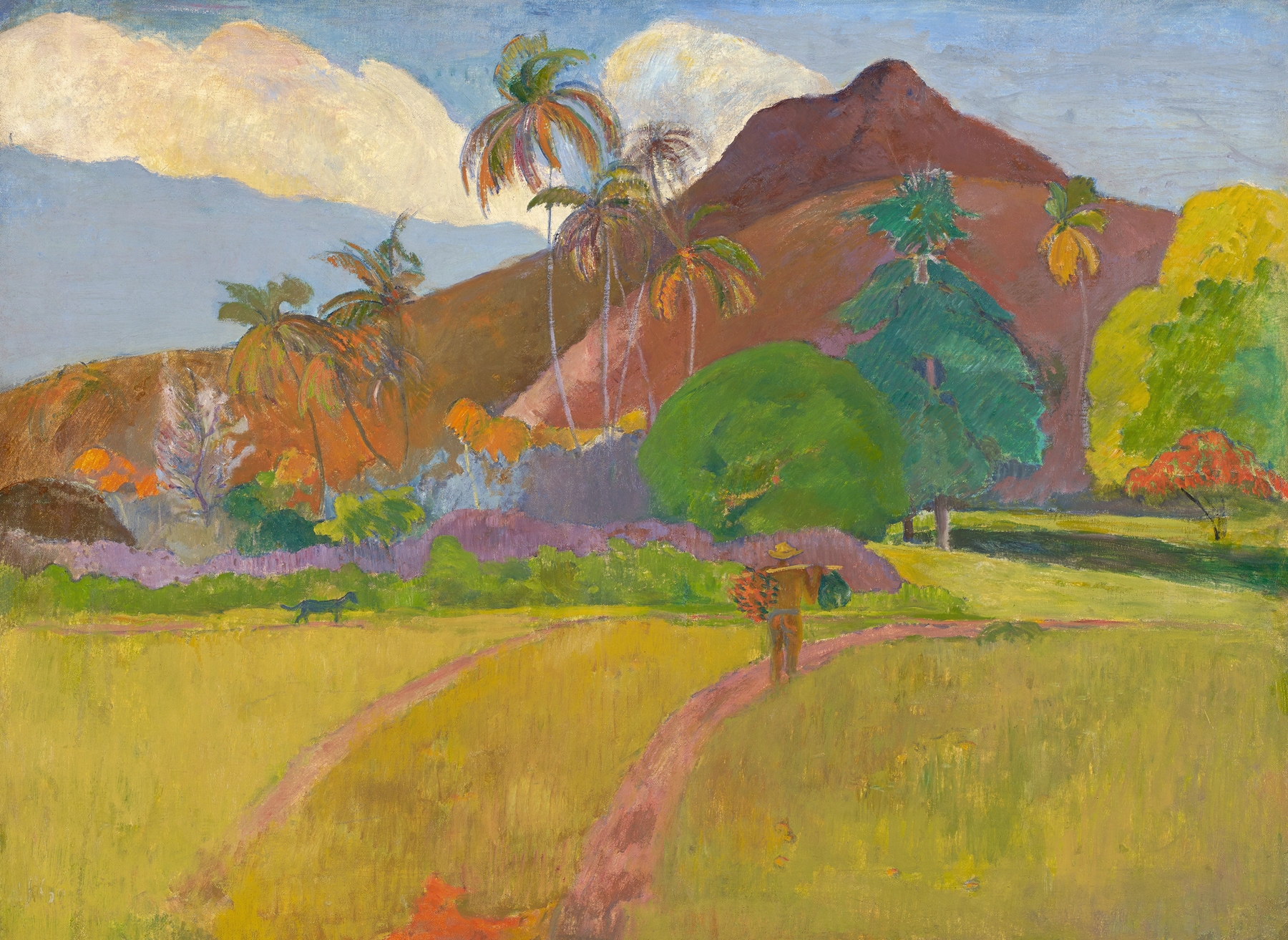
Tahitian Landscape
Paul Gauguin
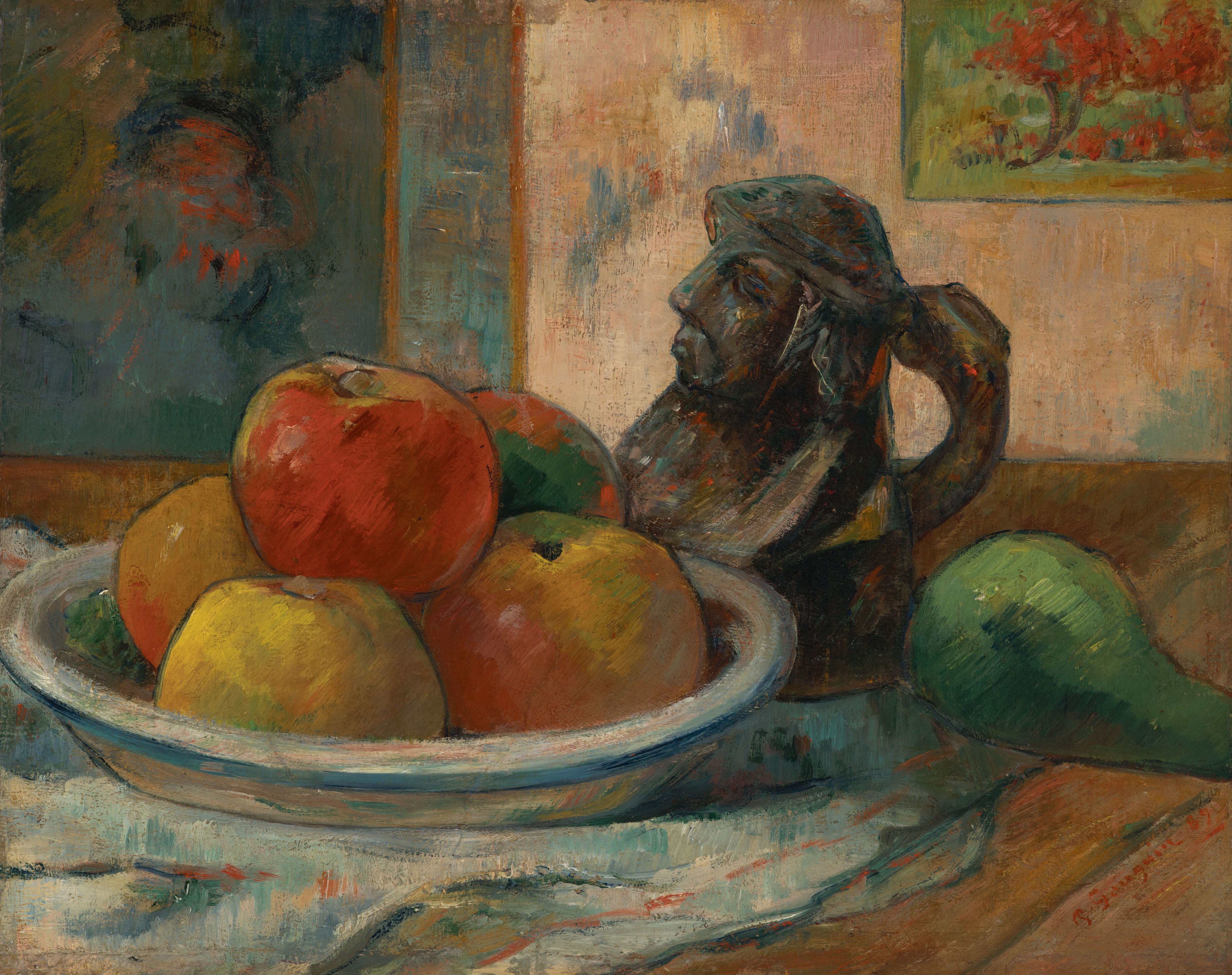
Still Life with Apples, a Pear, and a Ceramic Portrait Jug
Paul Gauguin
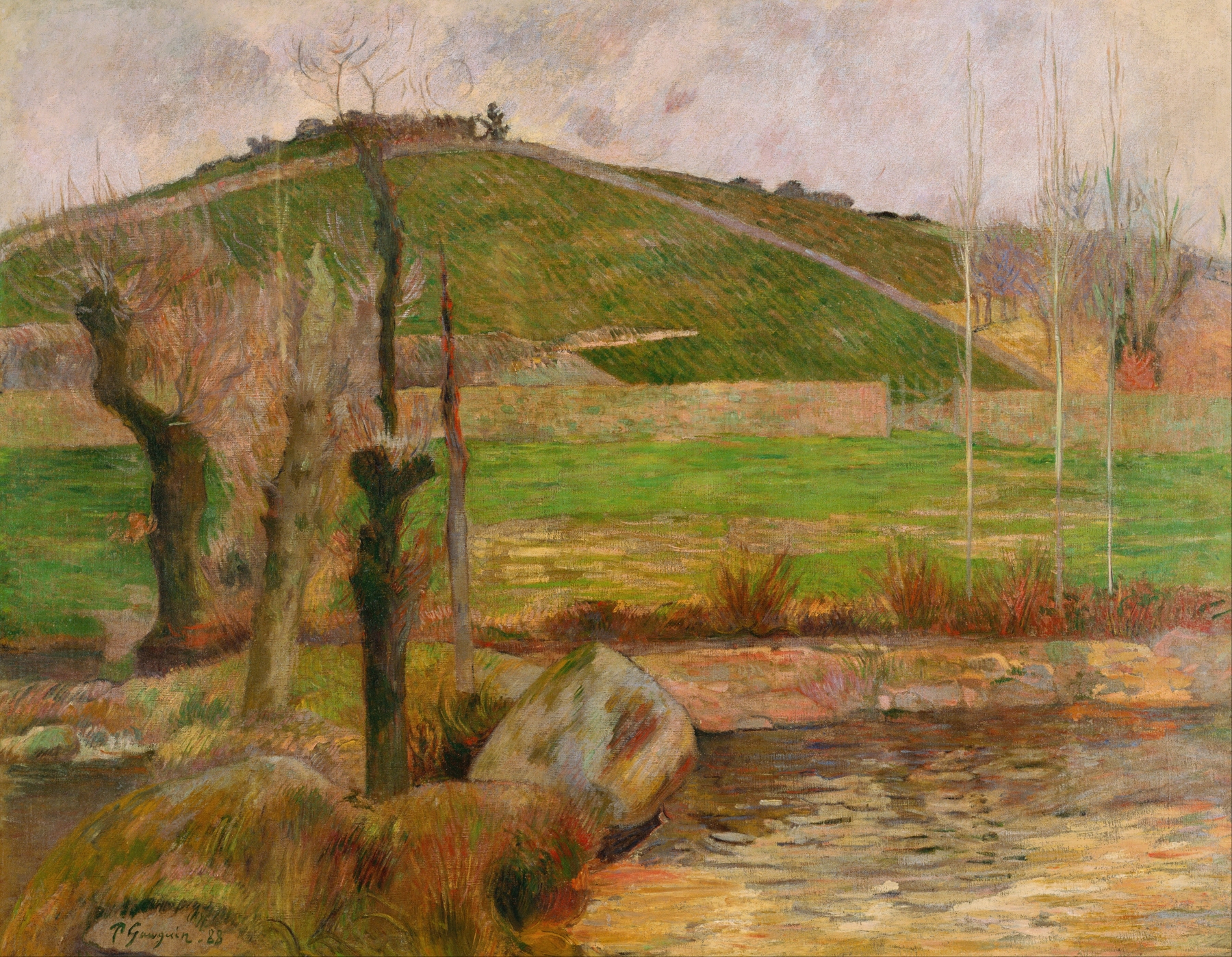
Landscape near Pont-Aven
Paul Gauguin

No te aha oe riri (Why Are You Angry?)
Paul Gauguin