The Türkenschanze According to Nature — History & Facts
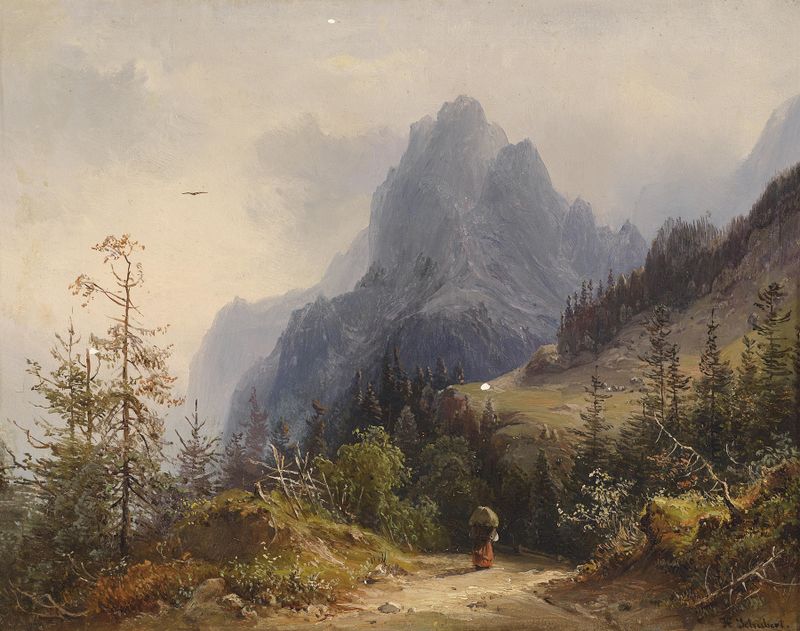
In a world often dazzled by the noise of revolution, stillness can be a powerful statement. The visceral nature of artistic interpretation invites us to confront the unspoken realities that shape our lives. Focus your gaze on the vibrant palette that unfolds across the canvas, where lush greens and deep blues clash and blend with hints of ochre. Notice how the strokes dance between abstraction and representation, drawing you into a landscape that feels both familiar and alien.
The composition invites exploration, creating a sense of movement that belies the static nature of the medium — a gentle breeze rustling through the trees captured in paint. Within this tumultuous beauty lies an exploration of contrasts; the serene backdrop hints at the discontent brewing beneath the surface. The radiant colors speak of life, yet their chaotic application whispers of underlying tensions. The juxtaposition of tranquility and unrest mirrors the societal shifts occurring during the time it was painted, where nature becomes a canvas for both renewal and revolution. Heinrich Carl Schubert created The Türkenschanze According to Nature during a period of artistic exploration, likely in the mid to late 19th century.
Living in Germany, he experienced the rapid changes brought about by industrialization and political upheaval. The artwork reflects a moment where nature was revered amid societal turmoil, encapsulating the artist's inner conflict and the broader cultural transformation of his time.