
The Tuileries Palace on the side of the Court — History & Facts
In a world where innocence often teeters on the edge of tumult, the delicate beauty of a garden can speak louder than words. Look to the lush greenery that frames the palace, a vibrant tapestry of verdant hues that invites the viewer into a realm of serenity. Your eyes are drawn first to the grand architectural lines of the Tuileries Palace, its stately presence softened by the surrounding foliage. Notice how the warm sunlight bathes the scene, illuminating the intricate details of the palace’s façade, and casting gentle shadows that dance across the ground.
This interplay of light and shadow not only highlights the elegance of the structure but also evokes a serene stillness, creating a harmonious balance between nature and architecture. Yet, beneath the tranquility lies an undercurrent of tension. The palace stands as a reminder of authority and power, juxtaposed against the innocence of the surrounding garden. The meticulously arranged flowers symbolize the fragility of beauty, while the palace itself, with its imposing grandeur, hints at the inevitable complexities of life.
This duality captures the viewer’s imagination, encouraging contemplation on the nature of innocence amidst an ever-encroaching world of sophistication and complexity. Created in 1750, during a period of great refinement in French art and architecture, the piece reflects the shifting societal values of the time. The artist, whose identity remains a mystery, likely found inspiration in the lush landscapes of Paris, a city at the height of its cultural influence. This was an era when the delicate balance between nature and civilization was a prevalent theme in artistic exploration, capturing the essence of both innocence and the burgeoning complexities of modern life.
More Artworks by Unknown Artist
Browse all →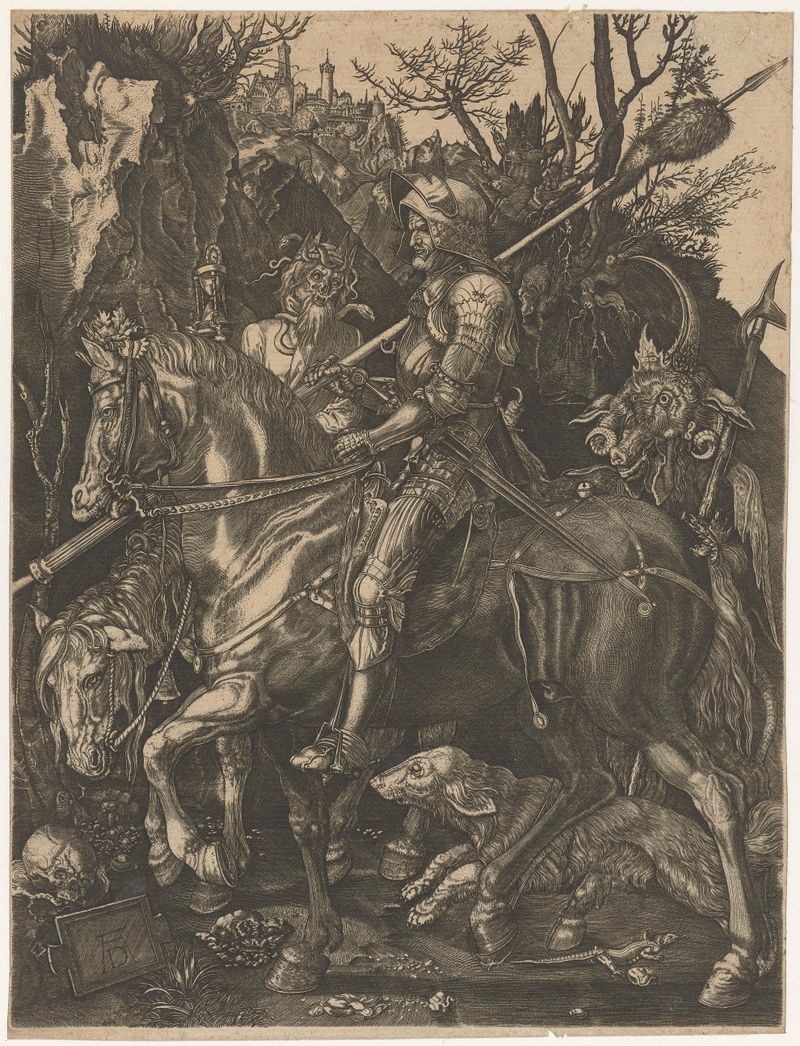
Ridder, Dood en Duivel
Unknown Artist
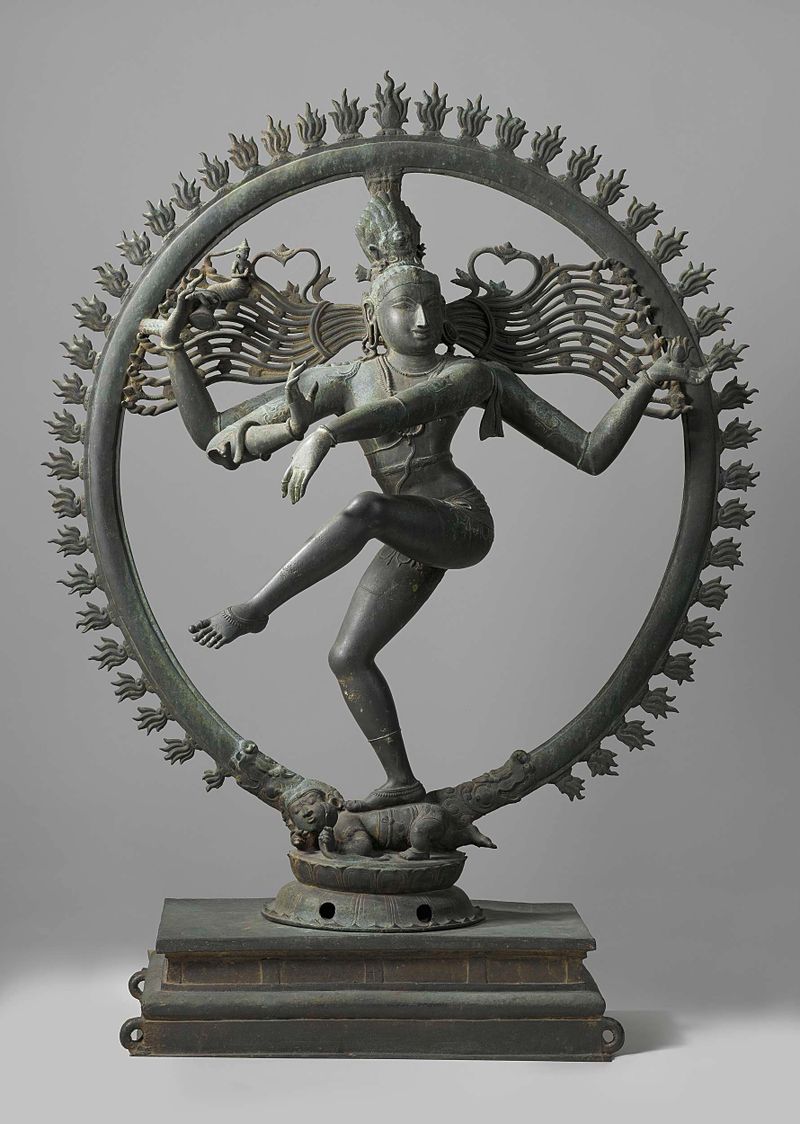
Shiva Nataraja
Unknown Artist
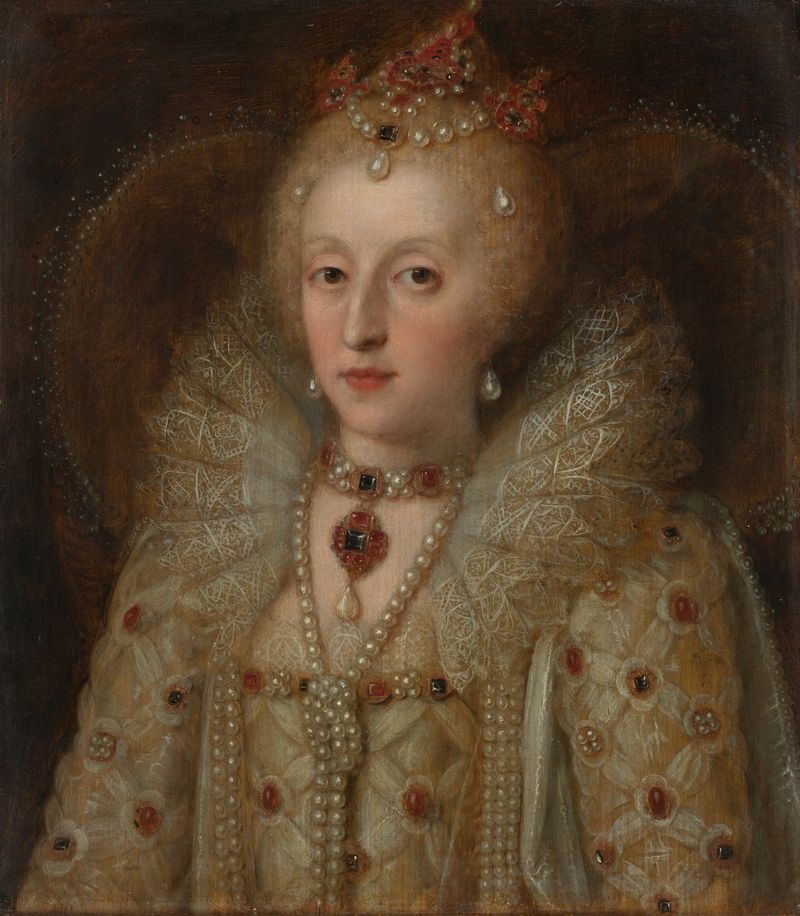
Portrait of Elizabeth I, Queen of England
Unknown Artist
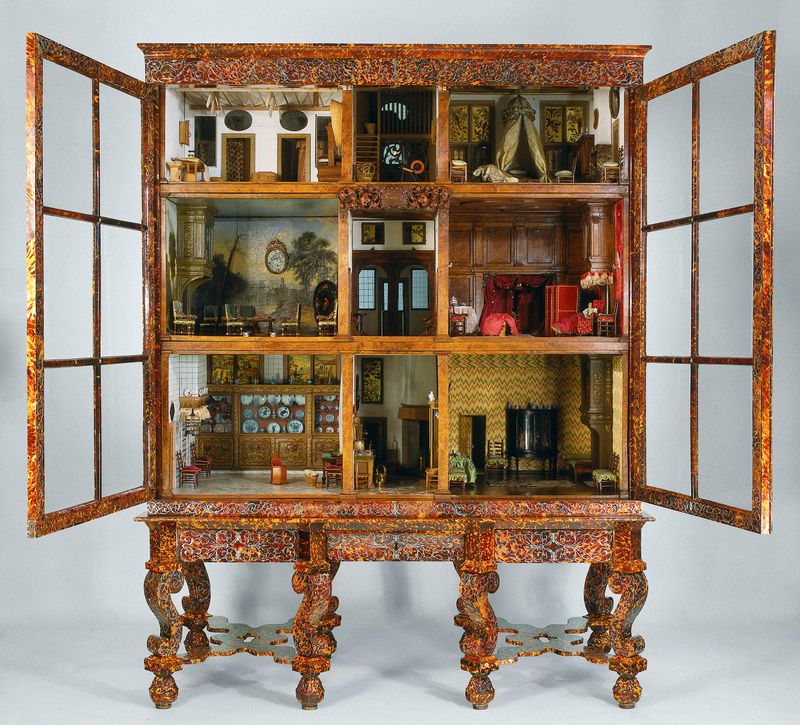
Dolls’ house of Petronella Oortman
Unknown Artist
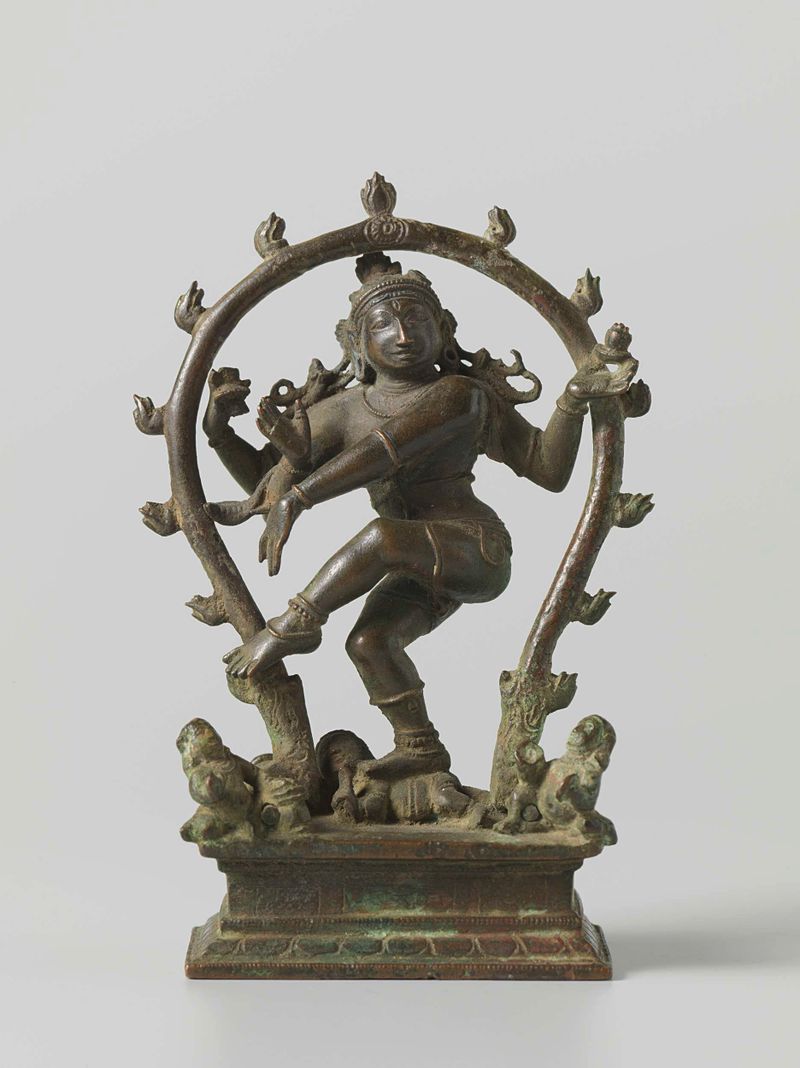
Shiva Nataraja
Unknown Artist

The Tale of Genji
Unknown Artist

The Tale of Genji
Unknown Artist

Cong
Unknown Artist
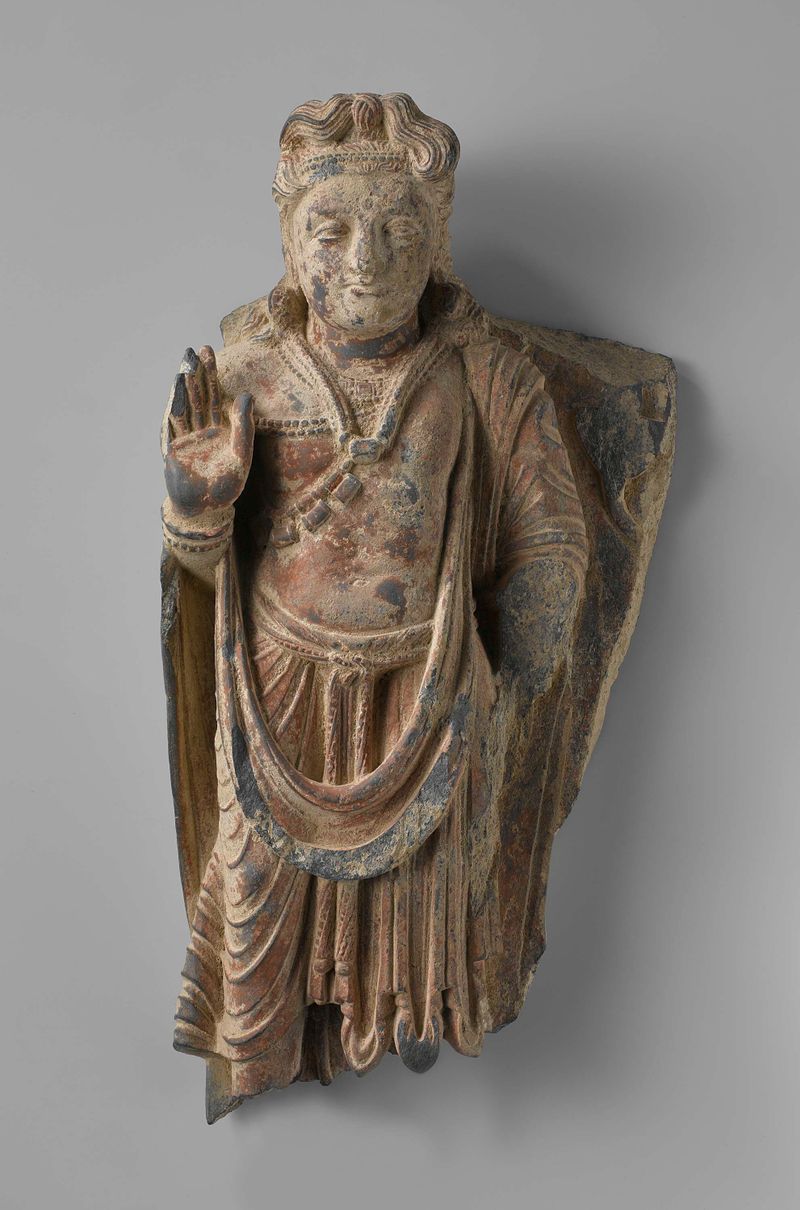
The bodhisattva Maitreya
Unknown Artist

Teabowl with a 'hare's fur' glaze
Unknown Artist
More Architecture Art
Browse all →
The statue of Liberty
Frédéric Auguste Bartholdi

View of Houses in Delft, Known as ‘The Little Street’
Johannes Vermeer

View of Houses in Delft, Known as ‘The Little Street’
Johannes Vermeer

The Cathedral in Rouen. The portal, Grey Weather
Claude Monet

The yellow house
Vincent van Gogh

The Church in Auvers-sur-Oise, View from the Chevet
Vincent van Gogh