The Villa of – Groote Esq near Bromley Kent — History & Facts
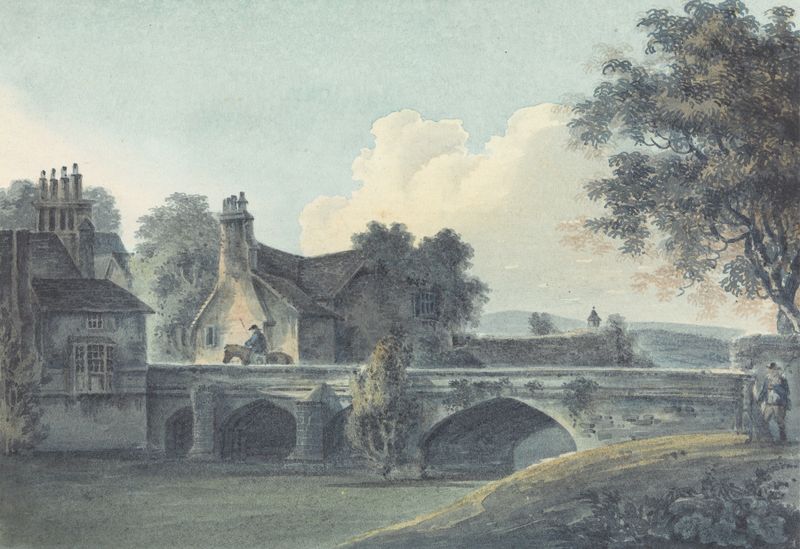
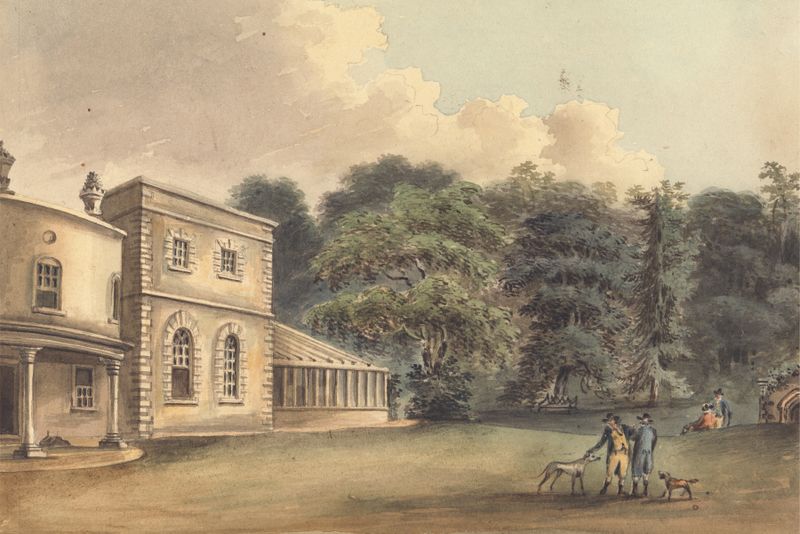
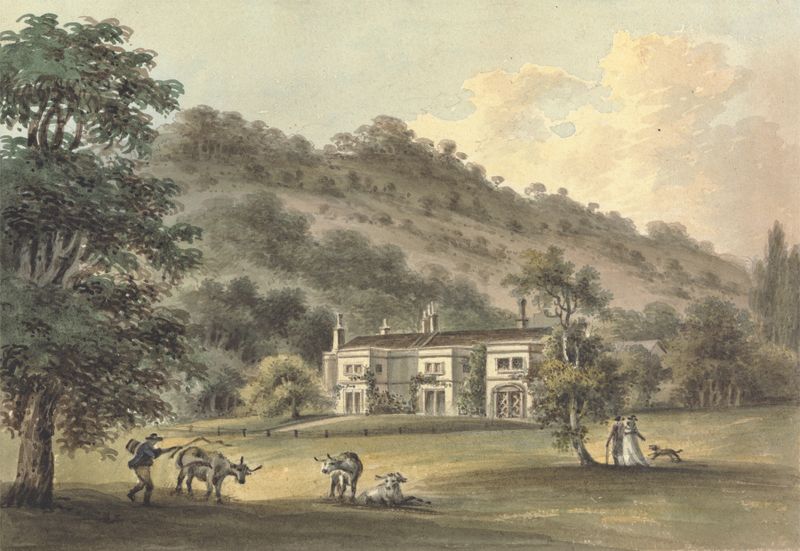
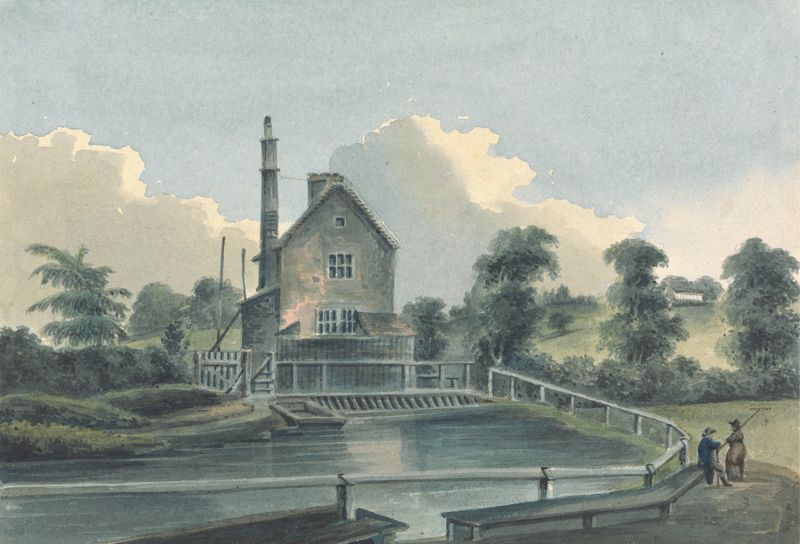
Could a single brushstroke hold eternity? In the delicate strokes of this artwork, we find a world that breathes with both the splendor of nature and the whisper of unspoken loss. Look to the left at the winding path that leads to the villa, where the soft greens of the landscape cradle the structure, inviting the viewer into a tranquil embrace. Notice how the light spills across the scene, illuminating the villa’s facade with a warm glow that contrasts with the cool shadows lurking in the foliage. The careful composition draws the eye through the lush gardens, leading us to the home, while the meticulously detailed trees frame the architecture, creating a sense of harmony and balance. Beneath the surface, the juxtaposition of vivid life and shadow hints at deeper emotional currents.
The villa, a symbol of domestic comfort, stands as a beacon against the encroaching darkness of grief, suggesting that even in moments of beauty, there exists a weight of sorrow. The serene landscape belies the potential for loss, as each element—the winding path, the lush vegetation, the villa’s welcoming appearance—whispers of memories that linger, echoing the complexities of human experience. John Hassell painted this work in 1812 during a period marked by his exploration of English landscapes and architecture. Living in London at the time, he was influenced by the Romantic movement, which celebrated nature and emotional depth.
This period in his life was characterized by a shift towards more personal, evocative portrayals, reflecting both his artistic evolution and the broader cultural shifts that sought to reconnect humanity with the natural world.