Discover insights about this artwork
The Washerwoman — History & Facts
In The Washerwoman, Jean Siméon Chardin presents a scene filled with soft, muted colors. The central figure, a washerwoman, is depicted in a moment of labor, surrounded by baskets and water. Her expression is focused, highlighting the effort of her work.
The background is simple, allowing the viewer to concentrate on her daily task. Chardin's technique in this painting showcases his skill in capturing textures and light. The use of oil on canvas allows for a rich depth of color, particularly in the folds of the washerwoman's clothing. The composition is balanced, with the figure positioned slightly off-center, drawing the eye naturally.
This work exemplifies Chardin's attention to detail and realism. Jean Siméon Chardin was known for his depictions of everyday life, and The Washerwoman is a prime example of this focus. Created around 1735, this painting reflects the Rococo style, emphasizing the beauty of ordinary moments. Interestingly, Chardin often painted scenes that celebrated the working class, elevating their status in art.
This work remains a testament to his ability to find beauty in the mundane.
More Artworks by Jean Siméon Chardin

The White Tablecloth
Jean Siméon Chardin
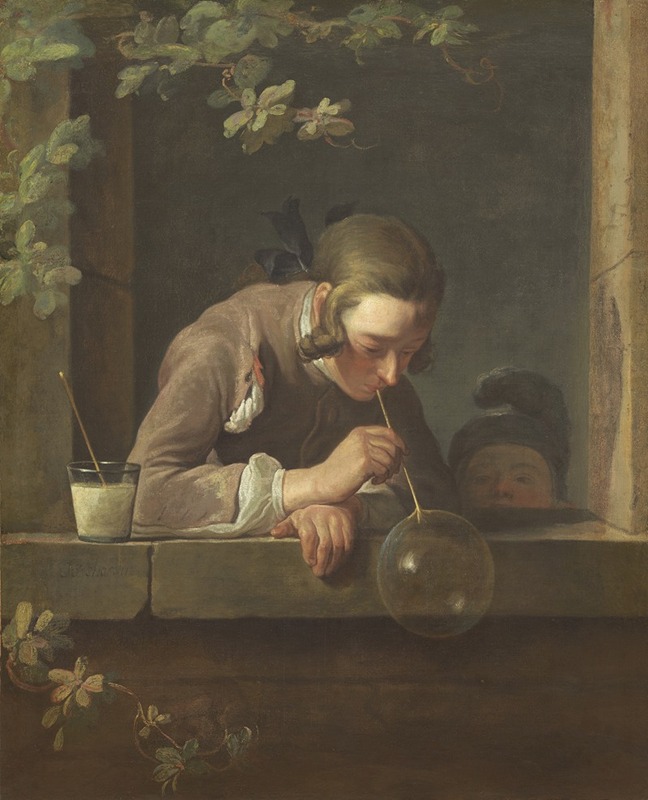
Soap Bubbles
Jean Siméon Chardin
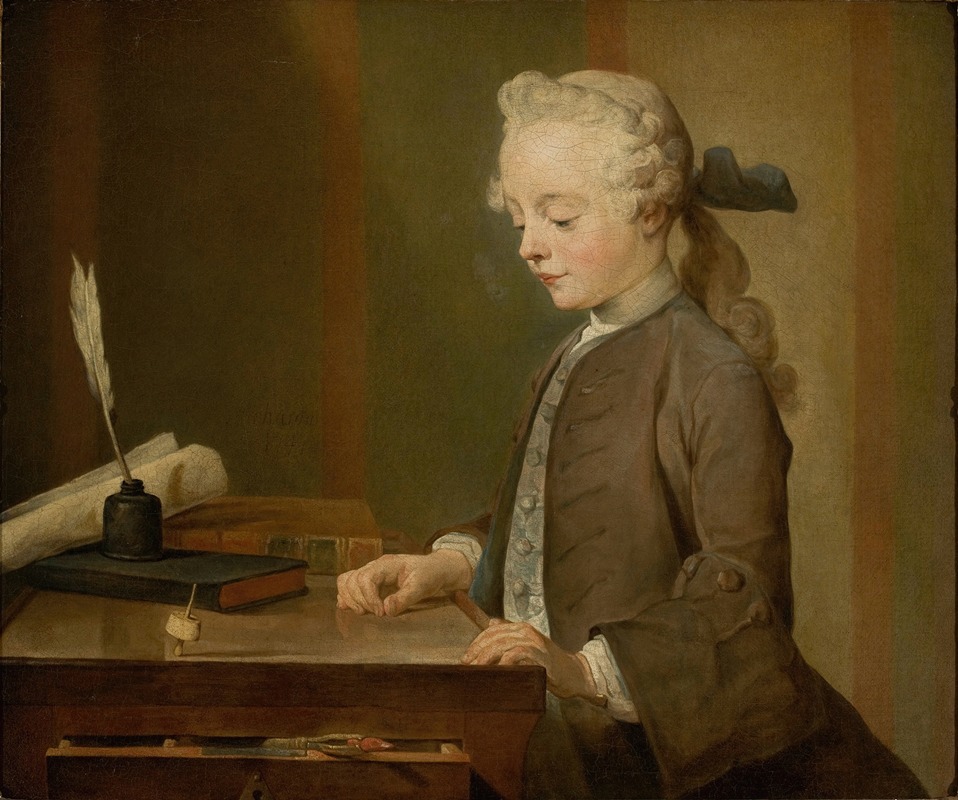
Portrait of Auguste Gabriel Godefroy
Jean Siméon Chardin
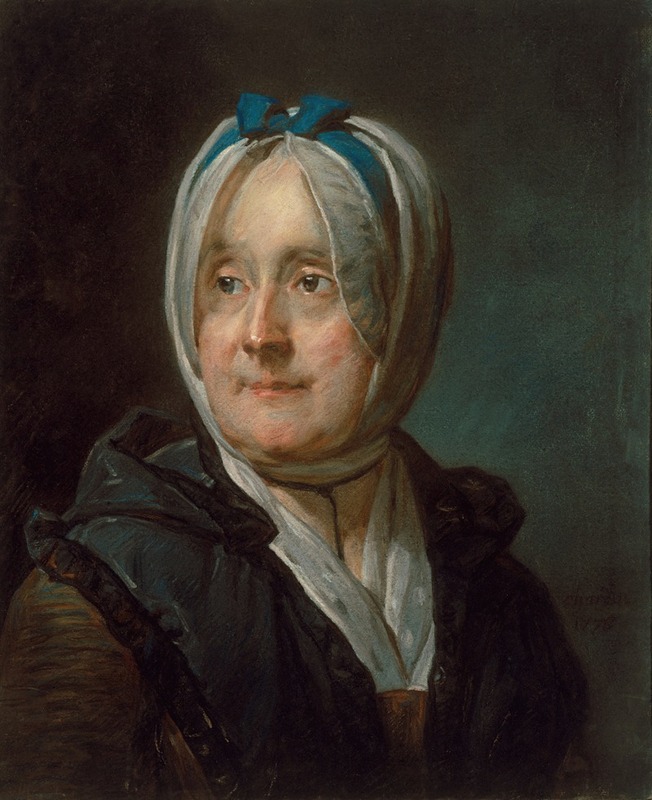
Portrait of Madame Chardin
Jean Siméon Chardin
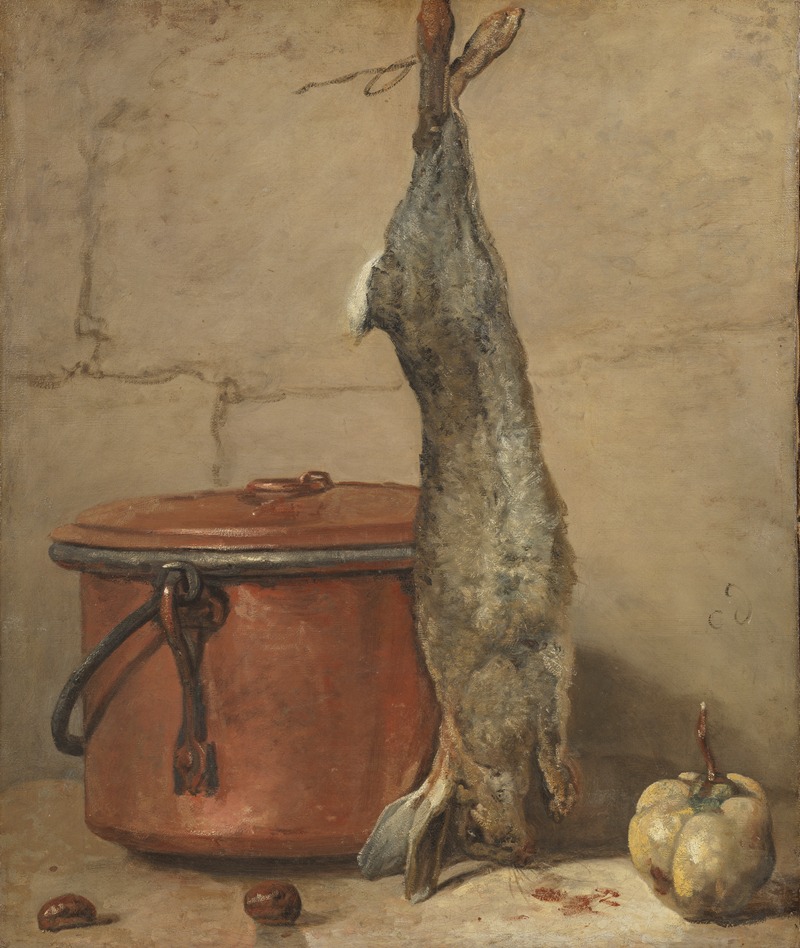
Rabbit and Copper Pot
Jean Siméon Chardin
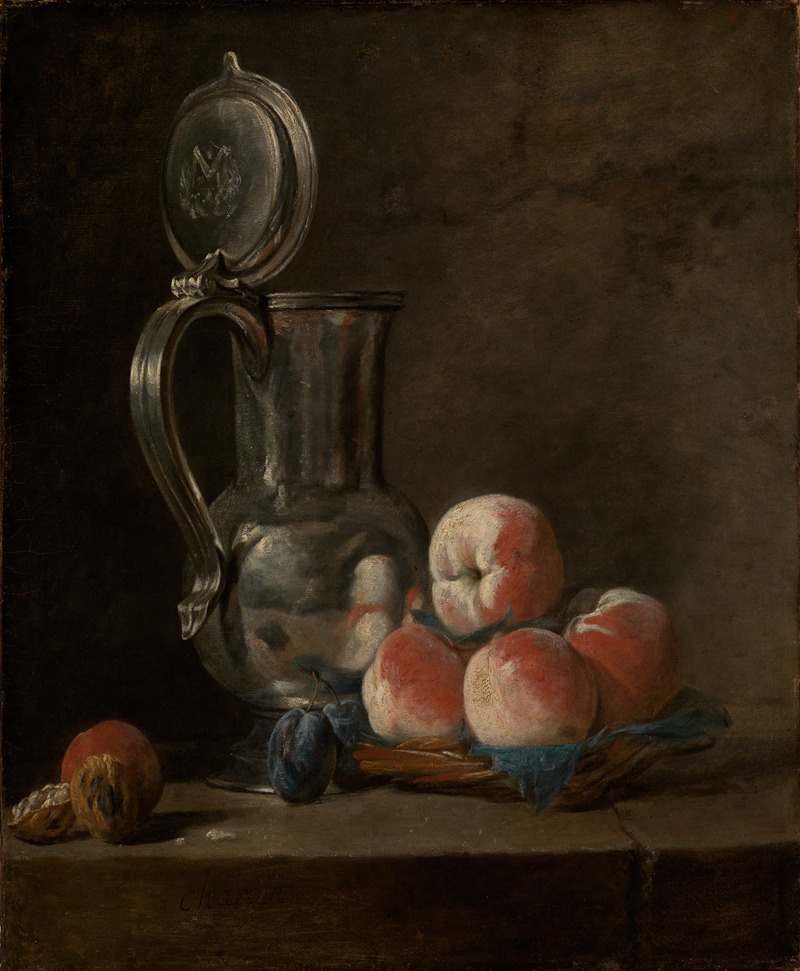
Still life with pewter jug and peaches
Jean Siméon Chardin

Les Tours de Cartes
Jean Siméon Chardin
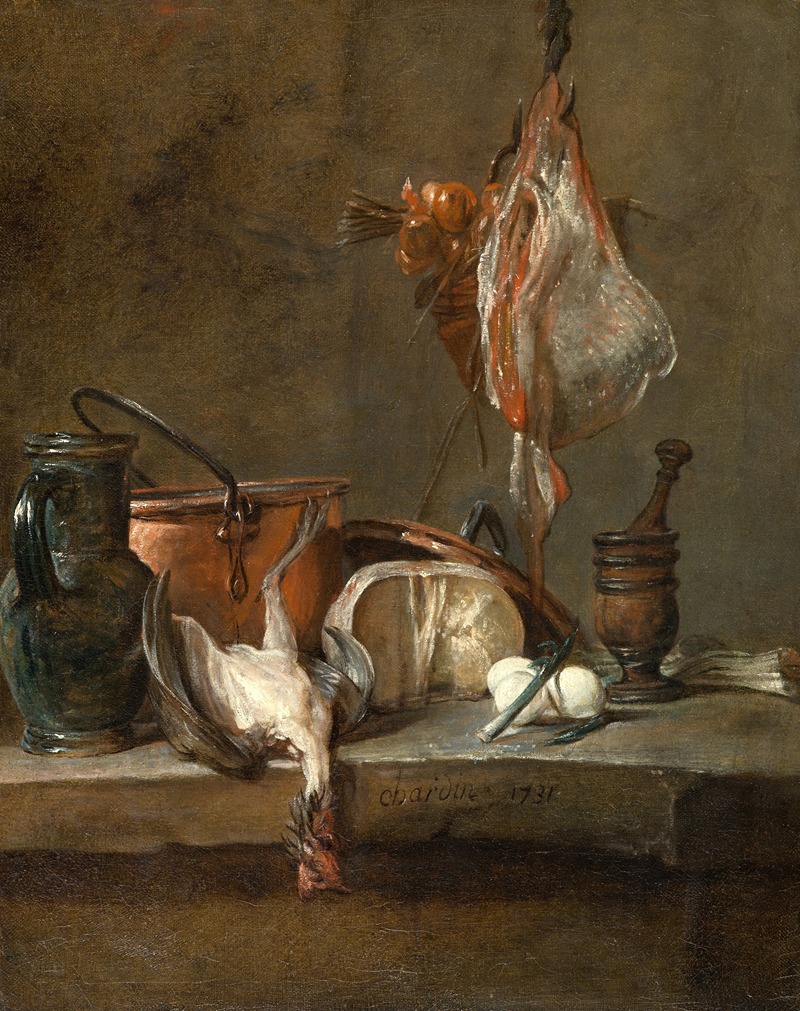
Still Life with Ray and Basket of Onions
Jean Siméon Chardin
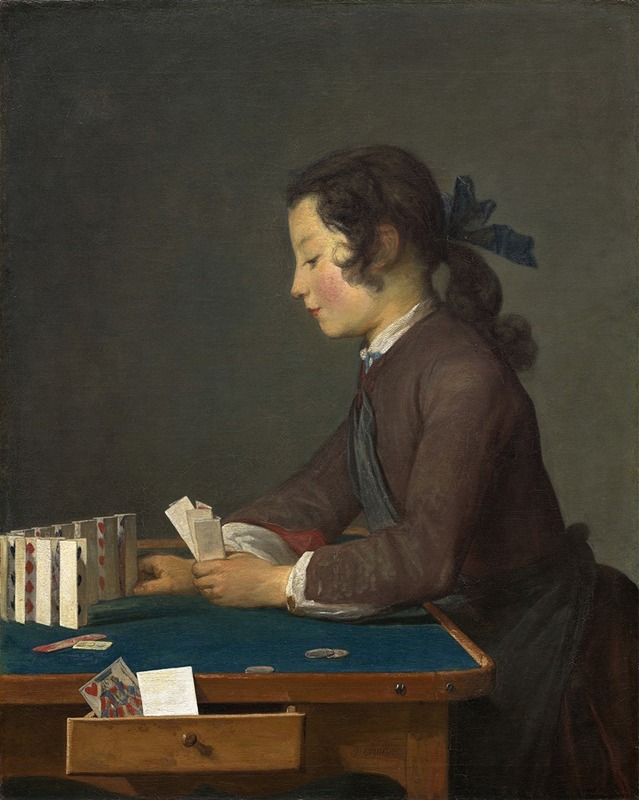
The House of Cards
Jean Siméon Chardin
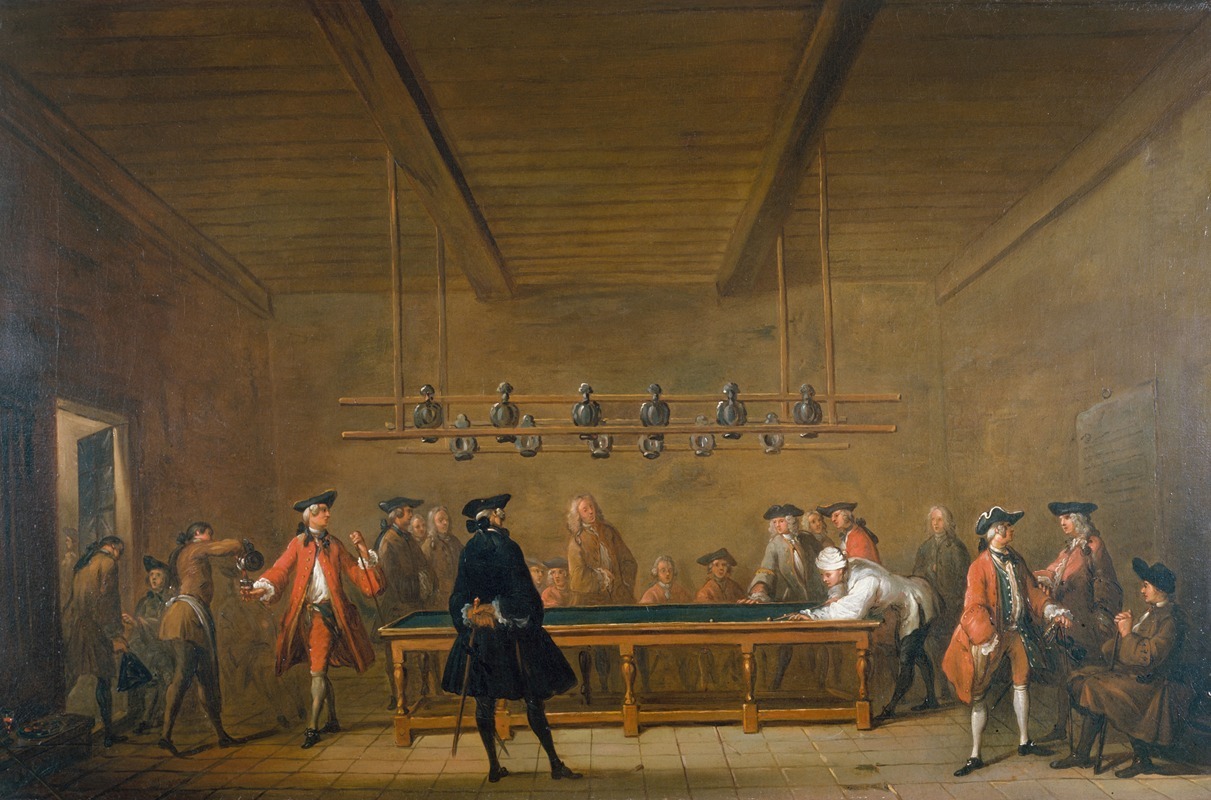
La Partie de billard
Jean Siméon Chardin