
The Windmill, Wandsworth Surrey — History & Facts
In the stillness of creation, loss finds its voice, whispering through the brushstrokes of an artist who captures the essence of an era. Look to the center of the canvas where the windmill stands tall, its blades poised against a backdrop of muted earth tones. Notice how the soft, golden light bathes the structure, illuminating its weathered texture and hinting at stories etched in its wooden beams. The interplay of light and shadow creates a sense of depth, drawing your gaze further into the pastoral landscape that surrounds it, a serene yet poignant reminder of time passing. Embedded within the simplicity of the scene lies an emotional depth.
The windmill, a symbol of the past, stands resilient but solitary, evoking a sense of nostalgia for what has been lost to the relentless march of time. The trees bending gently in the breeze appear to mourn the absence of bustling activity that once filled the air, suggesting a longing for the liveliness that has faded into memory. These subtle hints of loss resonate in every corner of the landscape, inviting reflection on the passage of life. During the time Capt.
Francis Grose painted The Windmill, Wandsworth Surrey, he was immersed in capturing the changing English countryside. This period saw a growing interest in landscape painting, as industrialization began to transform rural life. Though the exact date remains uncertain, Grose’s work reflects a deep connection to his surroundings, revealing his sensitivity to the beauty and fragility of a world in transition.
More Artworks by Capt. Francis Grose
Browse all →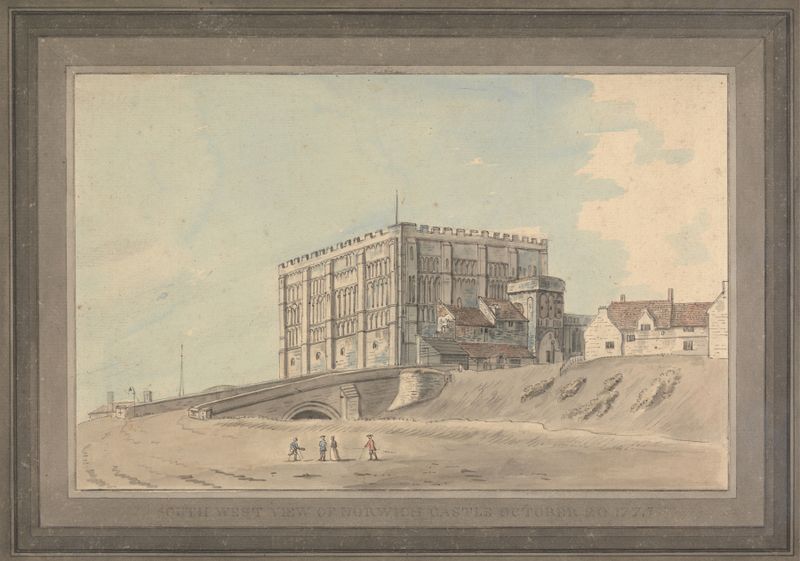
South West View of Norwich Castle
Capt. Francis Grose
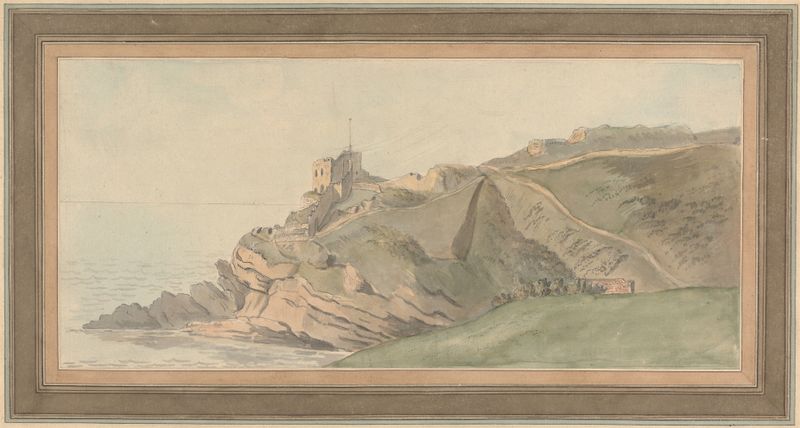
St. Catherine’s Castle at Fowey, Cornwall
Capt. Francis Grose

Canterbury Cathedral, Kent
Capt. Francis Grose
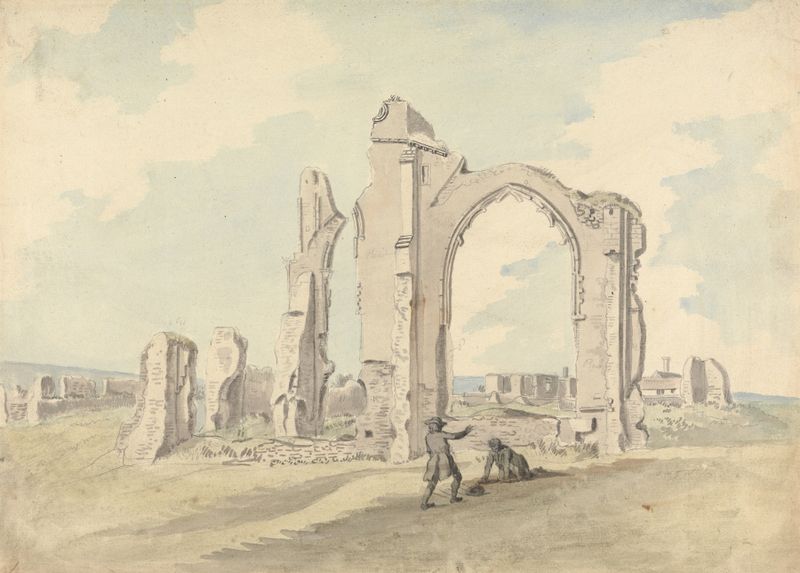
St. Mary’s Priory, Thetford
Capt. Francis Grose

Languard Fort on the River Orwell
Capt. Francis Grose

Mitford Castle, Northumberland
Capt. Francis Grose
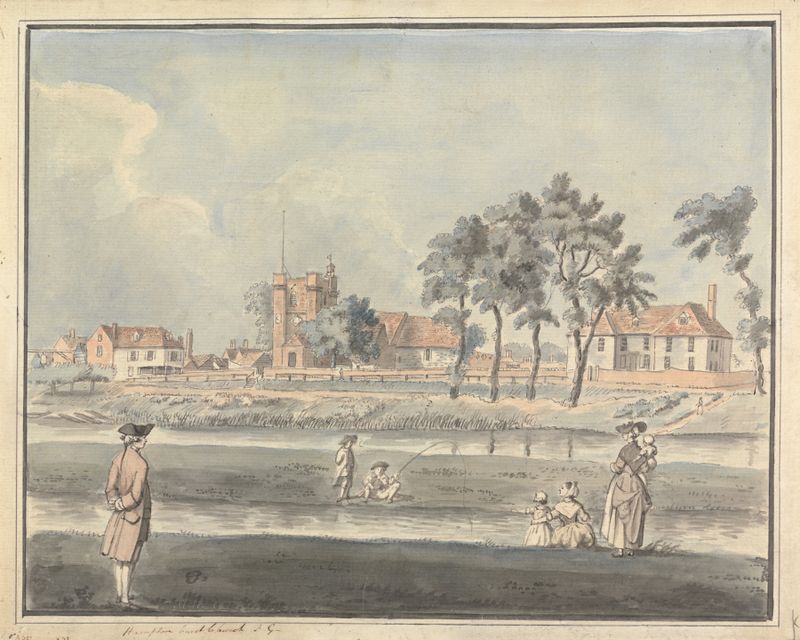
Hampton Court Church
Capt. Francis Grose

Chapel of St. Michael’s Mount
Capt. Francis Grose
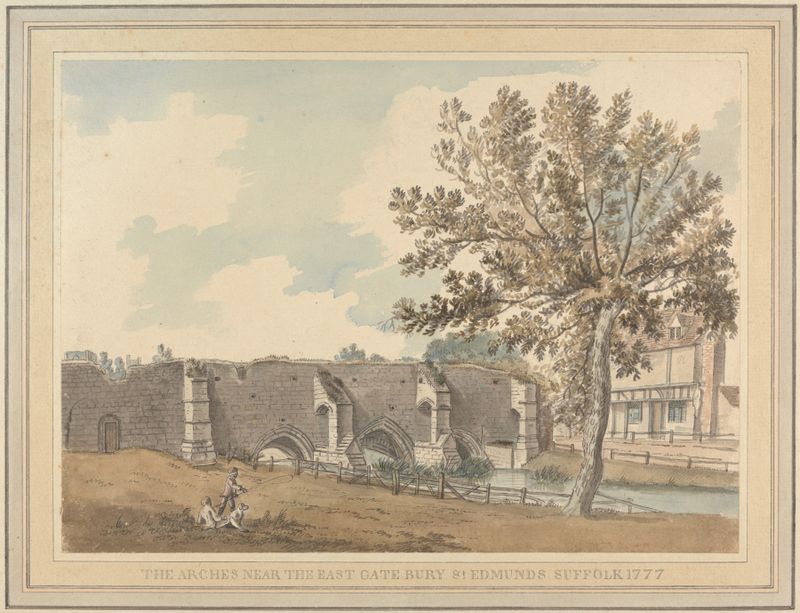
The Arches Near the East Gate, Bury St. Edmunds Suffolk
Capt. Francis Grose

Norham Castle, Northumberland
Capt. Francis Grose





