The Wreck — History & Facts
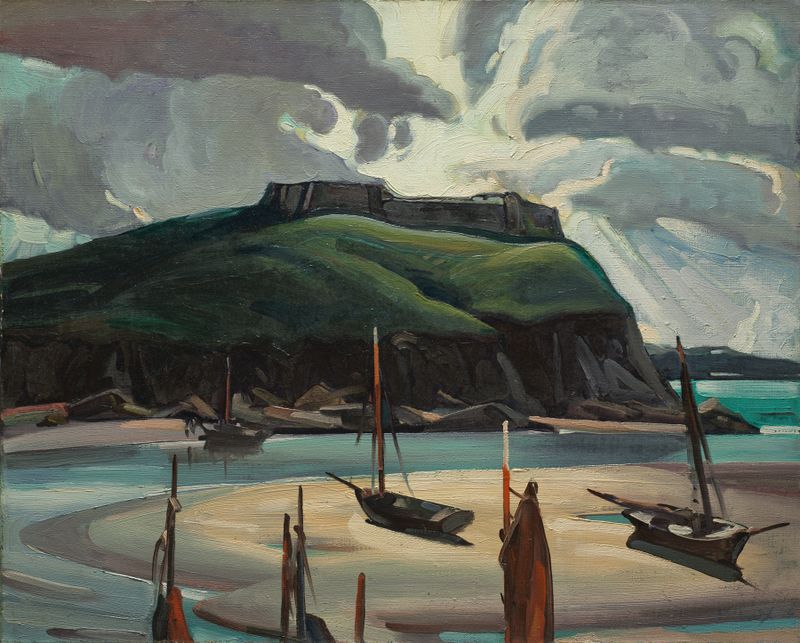
In the delicate fragments of memory lies a fragility that speaks to our human condition, echoing the beauty of loss and the inevitability of change. Look to the center of the canvas, where the remnants of a shipwreck anchor the composition. The chaotic arrangement of broken timbers and scattered sails is enveloped in a palette of muted blues and ochres, invoking both the sea's relentless power and the quietude of desolation. Notice how the light, almost ethereal, casts soft shadows, guiding your gaze from the foreground to a distant horizon where the sky meets the water, suggesting a narrative beyond the wreckage. Beneath the surface of this maritime scene lies a poignant exploration of vulnerability.
The ship's disintegration signifies the fragility of human endeavors against nature's whims, while the gentle waves hint at an underlying resilience. Each detail—a torn sail flapping in the wind or the glimmer of sunlight on water—whispers stories of past triumphs and tragedies, inviting contemplation on what once was and what remains. In 1923, during a period of artistic exploration in America, Wilcox painted this piece amidst the rise of modernism. The post-World War I era shifted artistic sensibilities, prompting many to grapple with themes of loss and renewal.
Wilcox, situated within this evolving landscape, channeled his experience to reflect upon the complexities of existence, solidifying his voice in the art world as one that captures both the tangible and the ephemeral.