
Theatre Decoration representing Oedipus’ Palace in Thebes — History & Facts
What if beauty was never meant to be finished? The notion of creation, an ever-evolving dialogue between artist and canvas, resonates deeply within the intricacies of theatrical design. The fleeting nature of life itself echoes in the vivid strokes and embellishments of this piece. Look closely at the ornate columns rising majestically on each side, their intricate carvings drawing the eye upward. Notice the lavish colors—radiant golds, rich blues, and deep reds—that weave together to create a sense of opulence and grandeur.
The composition is meticulously balanced, inviting viewers to scan from left to right, absorbing the full spectacle of Oedipus' palace, as if stepping into a mythic realm. Each element is a declaration of artistry, hinting at the convergence of drama and visual splendor. Yet, beneath the surface allure, a deeper story unfolds. The palace, a symbol of power and tragedy, foreshadows the impending doom of its inhabitants, contrasting beauty with the heavy weight of fate.
Shadows dance in the corners, whispering of secrets and impending conflicts, while the interplay of light reveals both majesty and vulnerability. This duality captures the essence of the human experience, where creation and destruction often intertwine. This decoration was crafted in the mid-18th century, a period marked by the flourishing of theatrical arts in Europe. Artistic expressions sought to evoke the grandeur of ancient myths while engaging contemporary audiences.
The unknown artist, likely part of a vibrant community of creators in the age of enlightenment, contributed to a cultural dialogue that explored the intersection of beauty and tragedy, reflecting a world eager to embrace both the sublime and the sorrowful.
More Artworks by Unknown Artist
Browse all →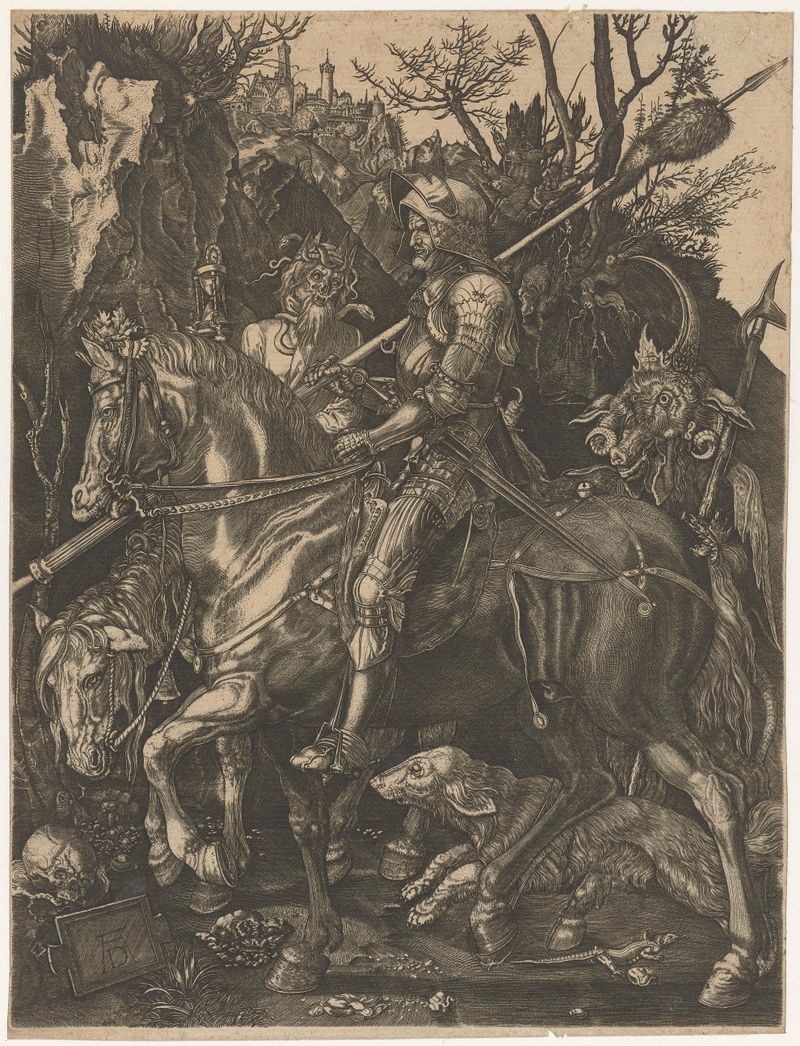
Ridder, Dood en Duivel
Unknown Artist
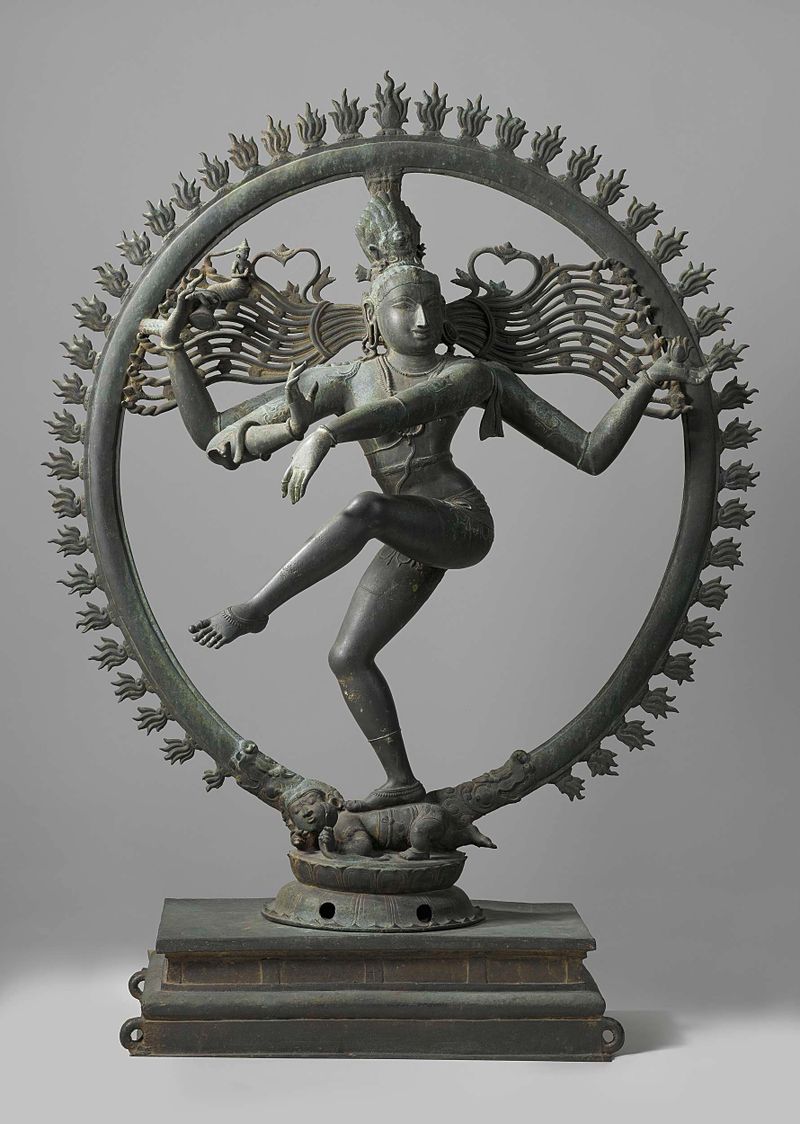
Shiva Nataraja
Unknown Artist
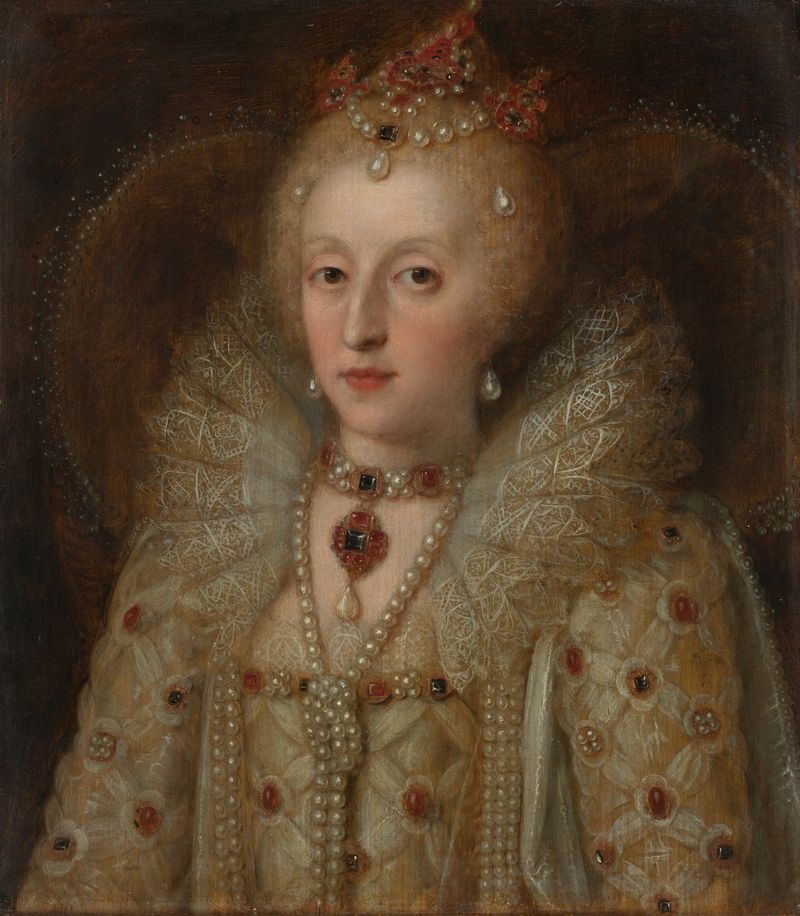
Portrait of Elizabeth I, Queen of England
Unknown Artist
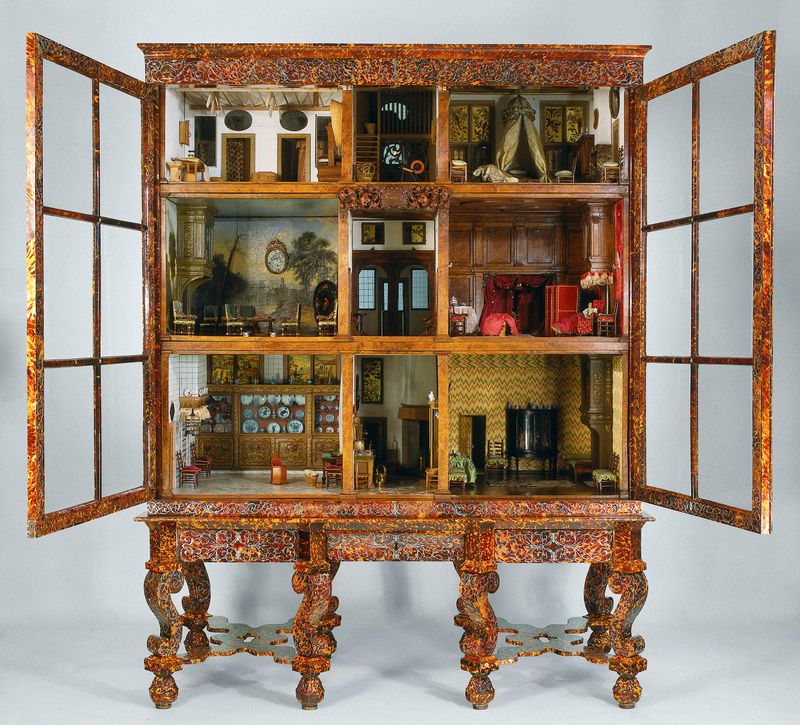
Dolls’ house of Petronella Oortman
Unknown Artist
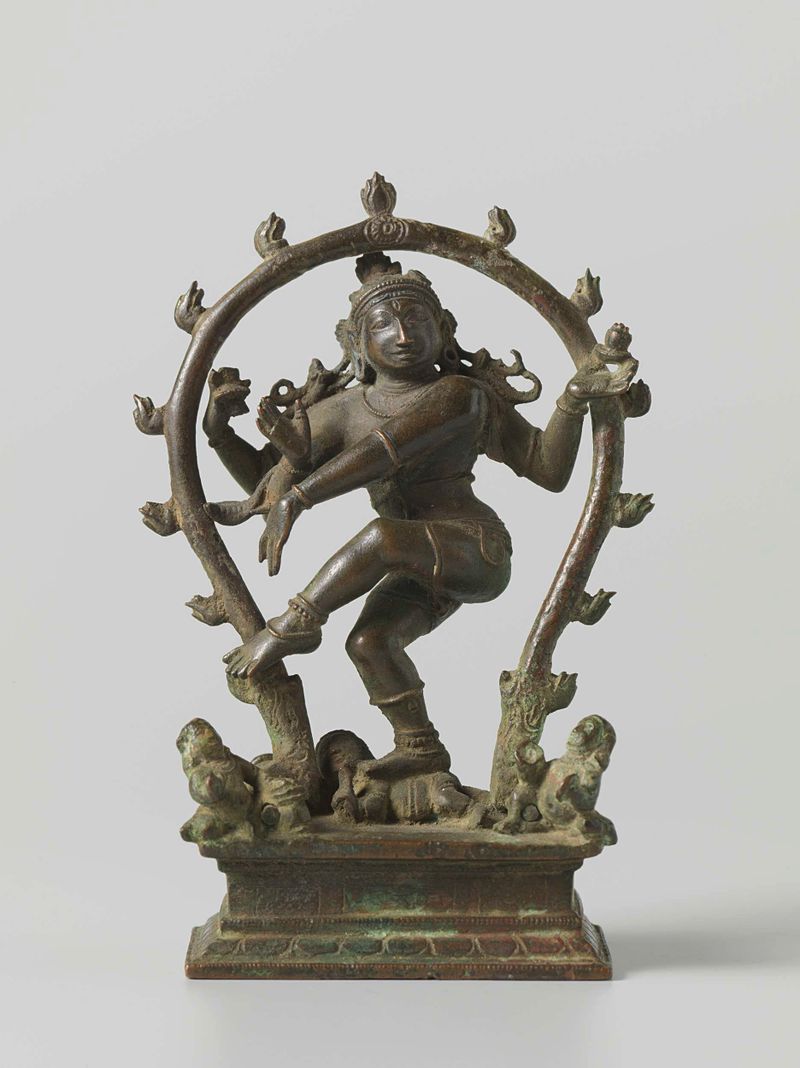
Shiva Nataraja
Unknown Artist

The Tale of Genji
Unknown Artist

The Tale of Genji
Unknown Artist

Cong
Unknown Artist
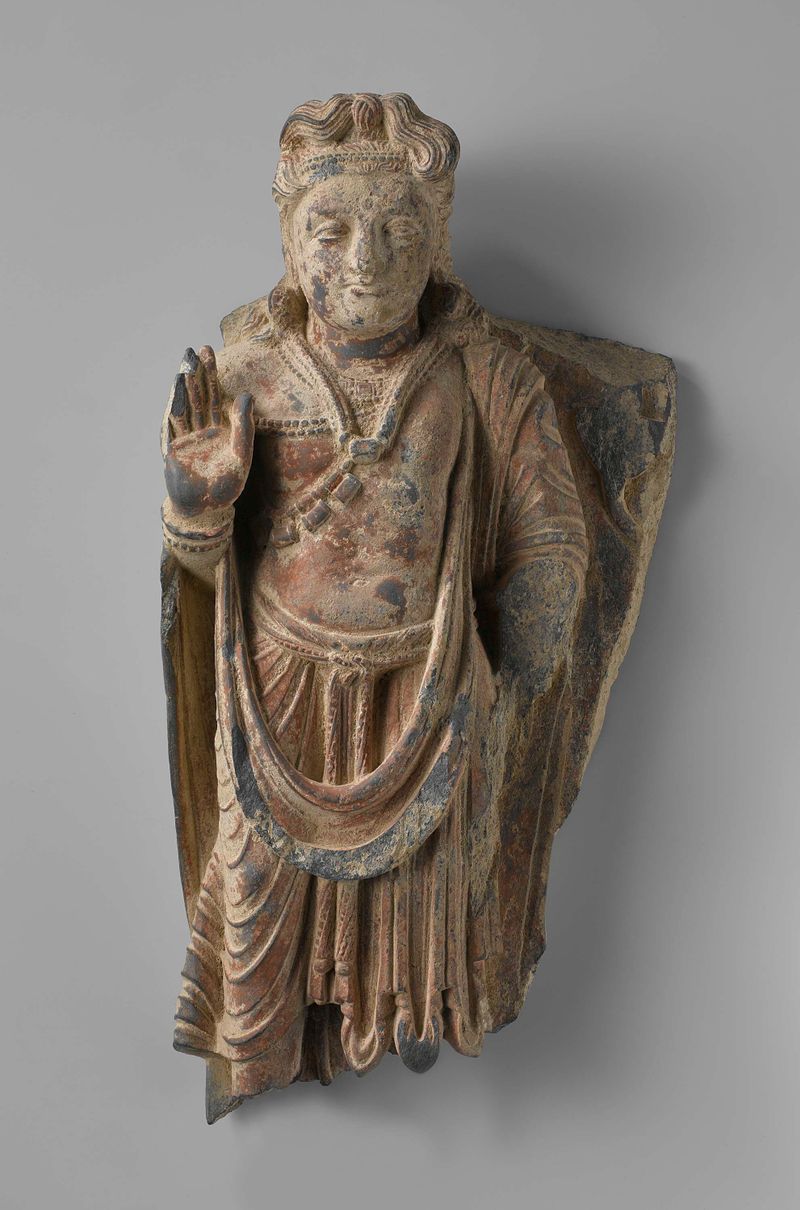
The bodhisattva Maitreya
Unknown Artist

Teabowl with a 'hare's fur' glaze
Unknown Artist
More Architecture Art
Browse all →
The statue of Liberty
Frédéric Auguste Bartholdi

View of Houses in Delft, Known as ‘The Little Street’
Johannes Vermeer

View of Houses in Delft, Known as ‘The Little Street’
Johannes Vermeer

The Cathedral in Rouen. The portal, Grey Weather
Claude Monet

The yellow house
Vincent van Gogh

The Church in Auvers-sur-Oise, View from the Chevet
Vincent van Gogh