Titelprent met gereedschap voor bewerken van het land — History & Facts
In the dreamlike realm of artistry, where stories unfold without utterance, tools become the unsung storytellers of labor and life. Look to the center of the canvas, where an array of farming implements lay in serene disarray. The artist employs a muted color palette, with earthy browns and soft greens, evoking a sense of natural harmony. The subtle interplay of light enhances the textures of the tools, casting gentle shadows that suggest both use and neglect.
Each implement, from the hoe to the spade, is carefully placed, inviting the viewer’s gaze to linger on their quiet significance. Delve deeper, and you’ll notice the intricate details: a glimmer of dew on the metal, the wear on wooden handles, signs of past labor imprinted upon each tool. These elements speak of resilience, the cycle of toil that connects generations, and the profound silence that follows hard work. The absence of human figures creates a poignant solitude, allowing the tools to stand as symbols of ambition and the dreams tethered to the land. Created in 1617, this artwork reflects a time when rural life dominated the European landscape, and agrarian practices were essential for survival.
The unknown artist captures this essence, mirroring the broader societal rhythm of an era marked by both simplicity and necessity. In a world shifting toward modernity, such works remind viewers of the deep-rooted connections between humanity and the earth.
More Artworks by Unknown Artist
Browse all →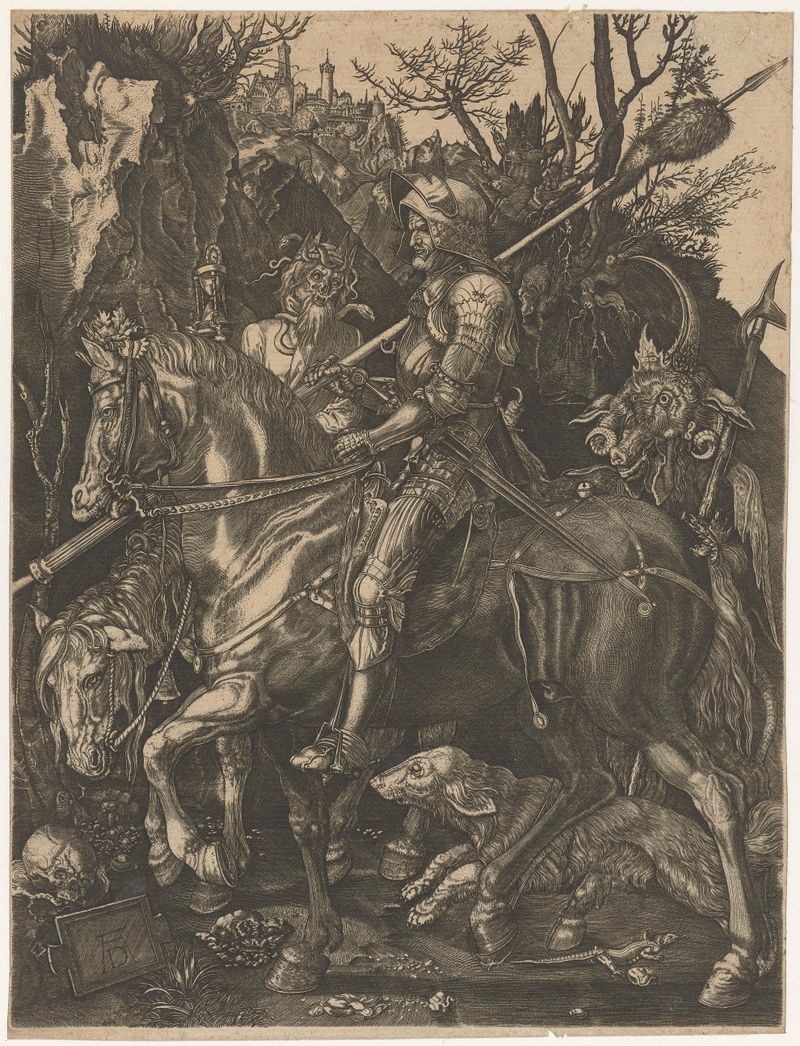
Ridder, Dood en Duivel
Unknown Artist
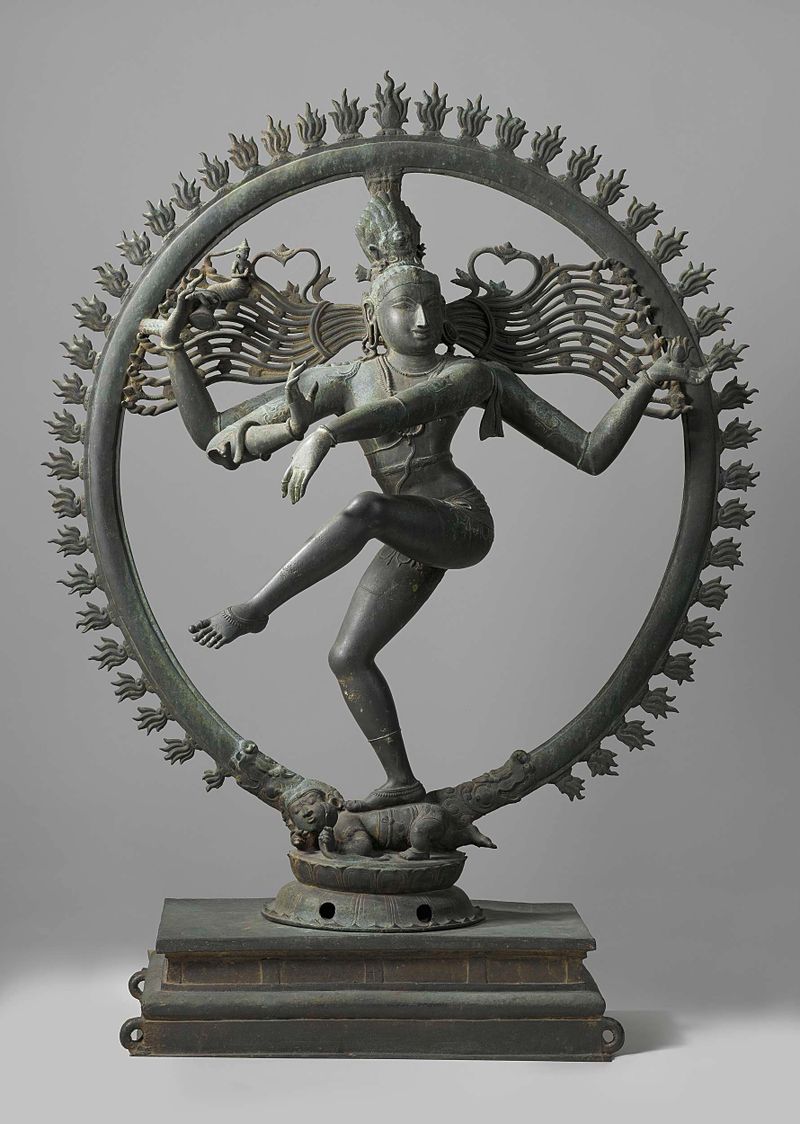
Shiva Nataraja
Unknown Artist
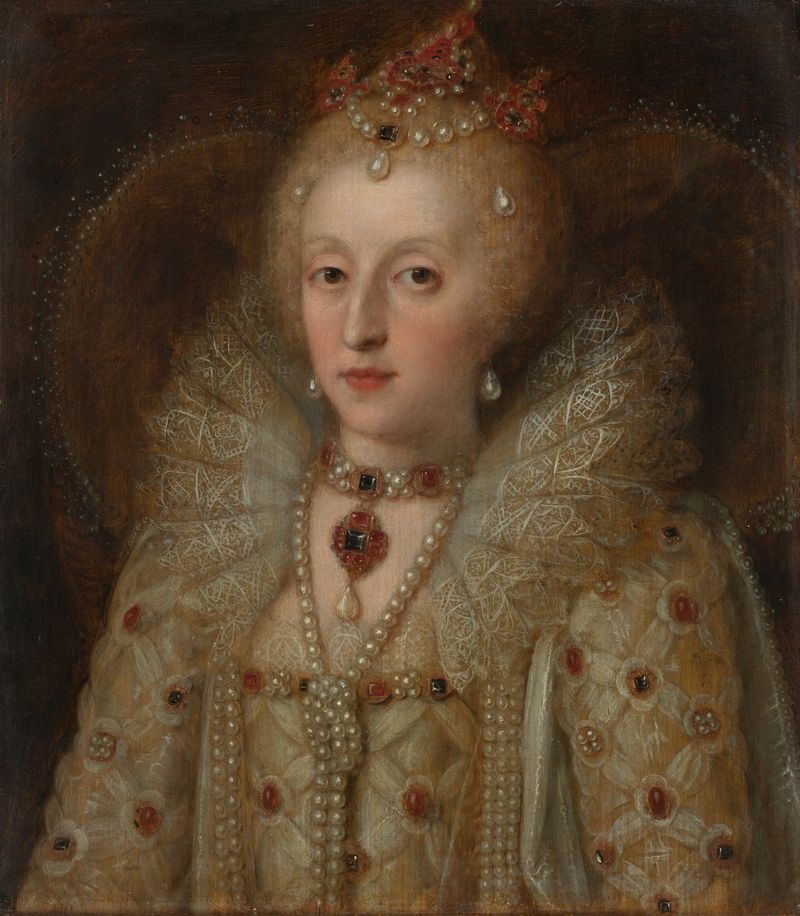
Portrait of Elizabeth I, Queen of England
Unknown Artist
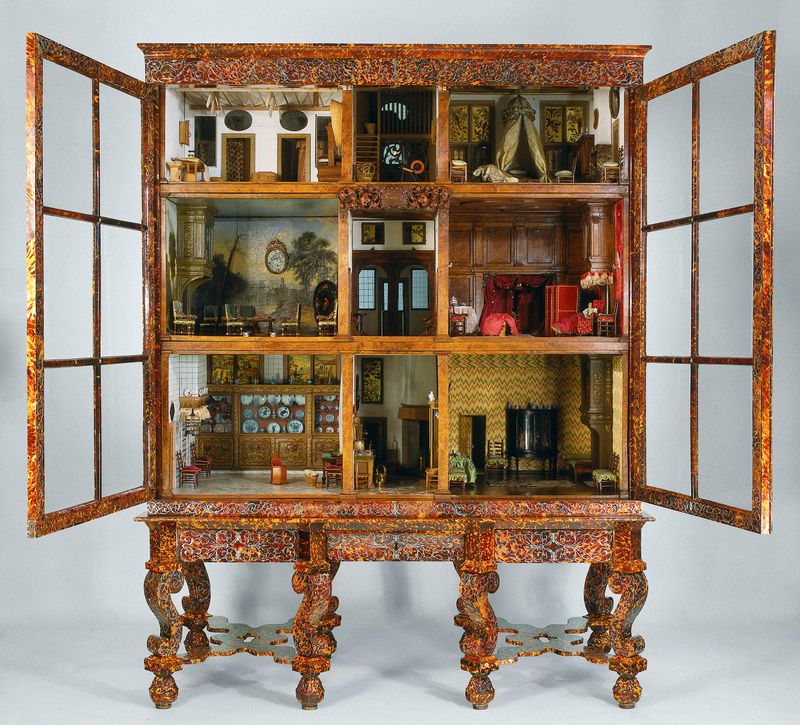
Dolls’ house of Petronella Oortman
Unknown Artist
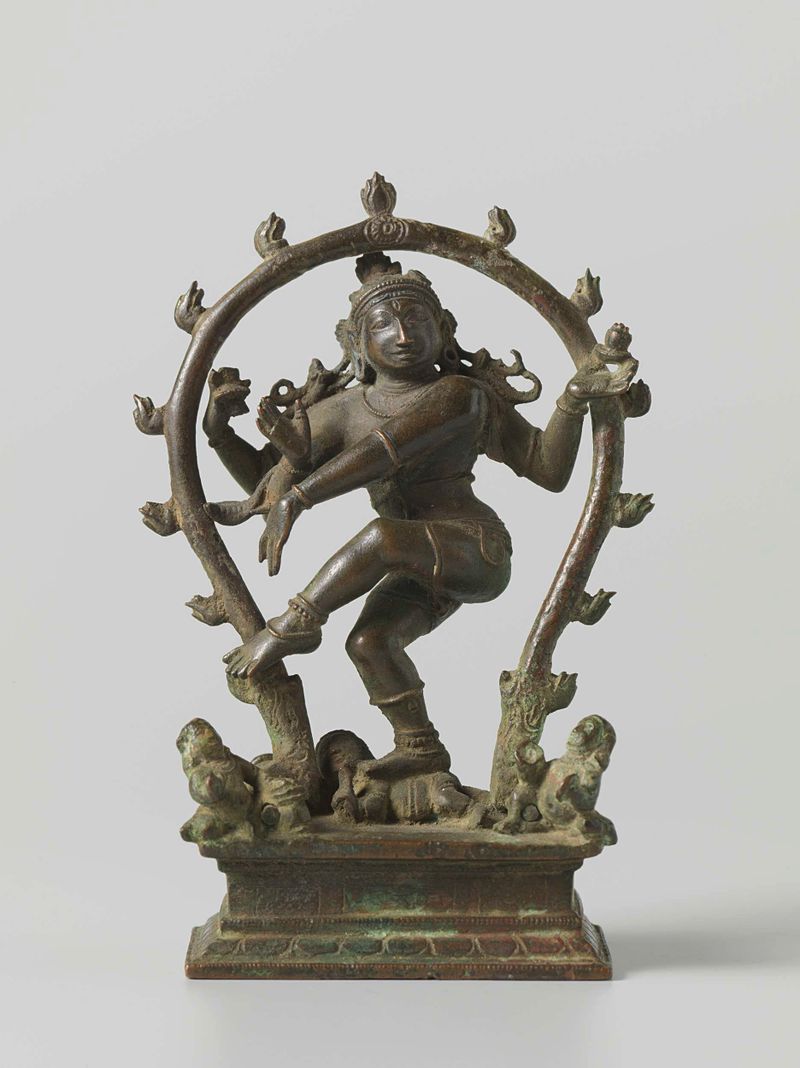
Shiva Nataraja
Unknown Artist

The Tale of Genji
Unknown Artist

The Tale of Genji
Unknown Artist

Cong
Unknown Artist
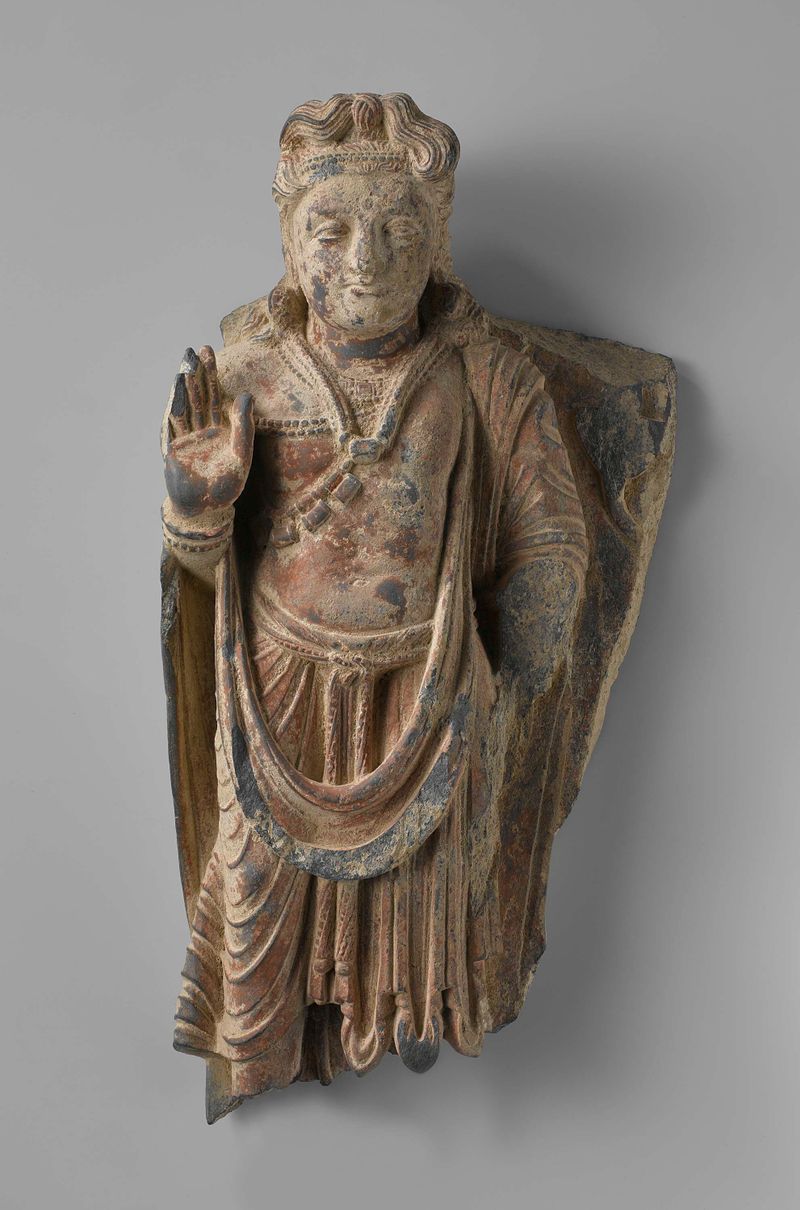
The bodhisattva Maitreya
Unknown Artist

Teabowl with a 'hare's fur' glaze
Unknown Artist