
Tomas — History & Facts
In the stillness of the painted world, a figure stands, caught between the weight of existence and the lure of something greater. Obsession radiates through the brushstrokes, beckoning us to question the depths of human desire and its consequences. Look to the center of the composition where the figure of Tomas is rendered with meticulous detail, his expression a blend of contemplation and yearning. Notice how the chiaroscuro technique creates a stark contrast between light and shadow, emphasizing the contours of his face and the richness of his attire.
The deep, earthy tones mingle with flashes of vibrant color, drawing the viewer's eye towards the intricate patterns of his clothing, which serve both as a reflection of his status and a symbol of his internal turmoil. The tension in the artwork lies not just in Tomas himself, but in the absence of other figures or distractions. This isolation mirrors the emotional landscape of obsession — the way it can consume, elevate, or isolate. Each stroke captures the fragility of his resolve, while tiny details, such as the clasp that holds his garment together, suggest a struggle to maintain control.
The lack of background further intensifies his introspection, allowing viewers to project their own feelings of yearning and fixation onto the canvas. Hans Sebald Beham created this striking piece in the mid-1540s, during a period of intense artistic transformation in Europe. Working in Nuremberg, he was surrounded by the burgeoning movements of the Renaissance, which sought to blend realism with emotion. This era was marked by personal and political upheaval, which undoubtedly influenced his exploration of complex human experiences like obsession.
Beham's meticulous craftsmanship and psychological depth would leave a lasting impact on the art world, positioning him as a key figure in the Northern Renaissance.
More Artworks by Hans Sebald Beham
Browse all →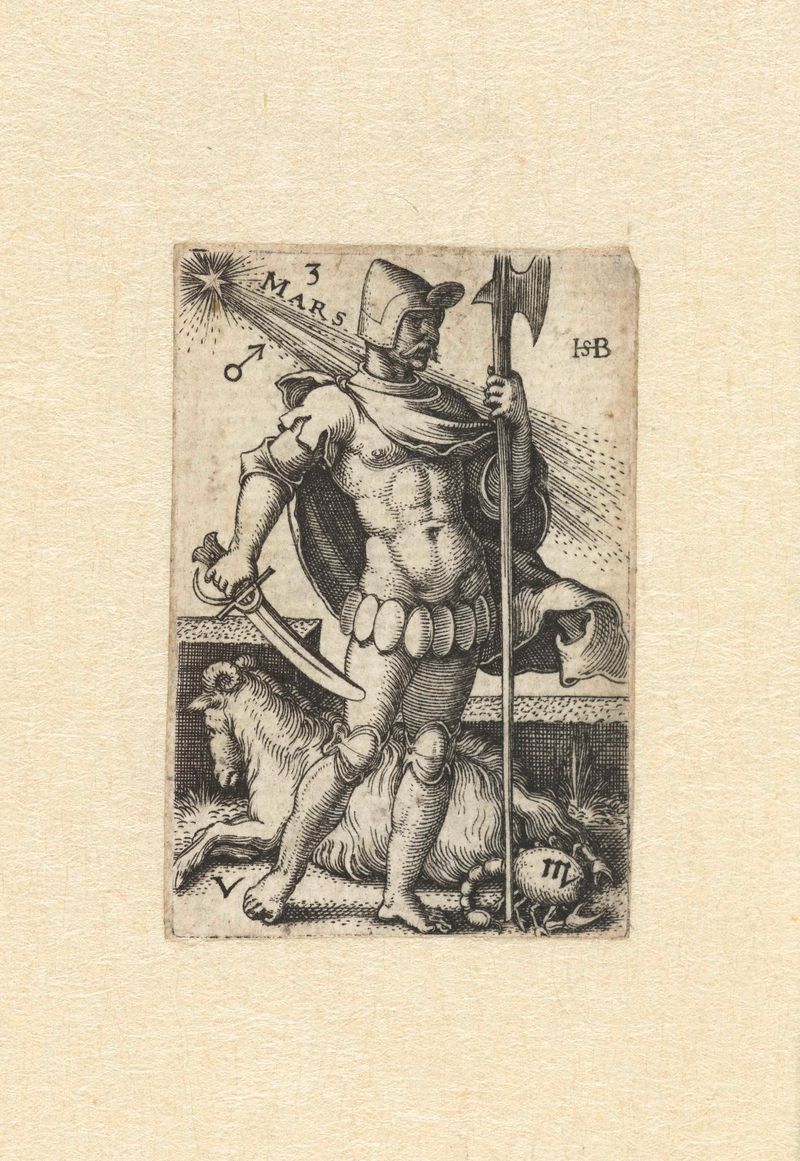
Mars met sterrenbeelden Ram en Schorpioen
Hans Sebald Beham

Achilles in gevecht met Hector
Hans Sebald Beham
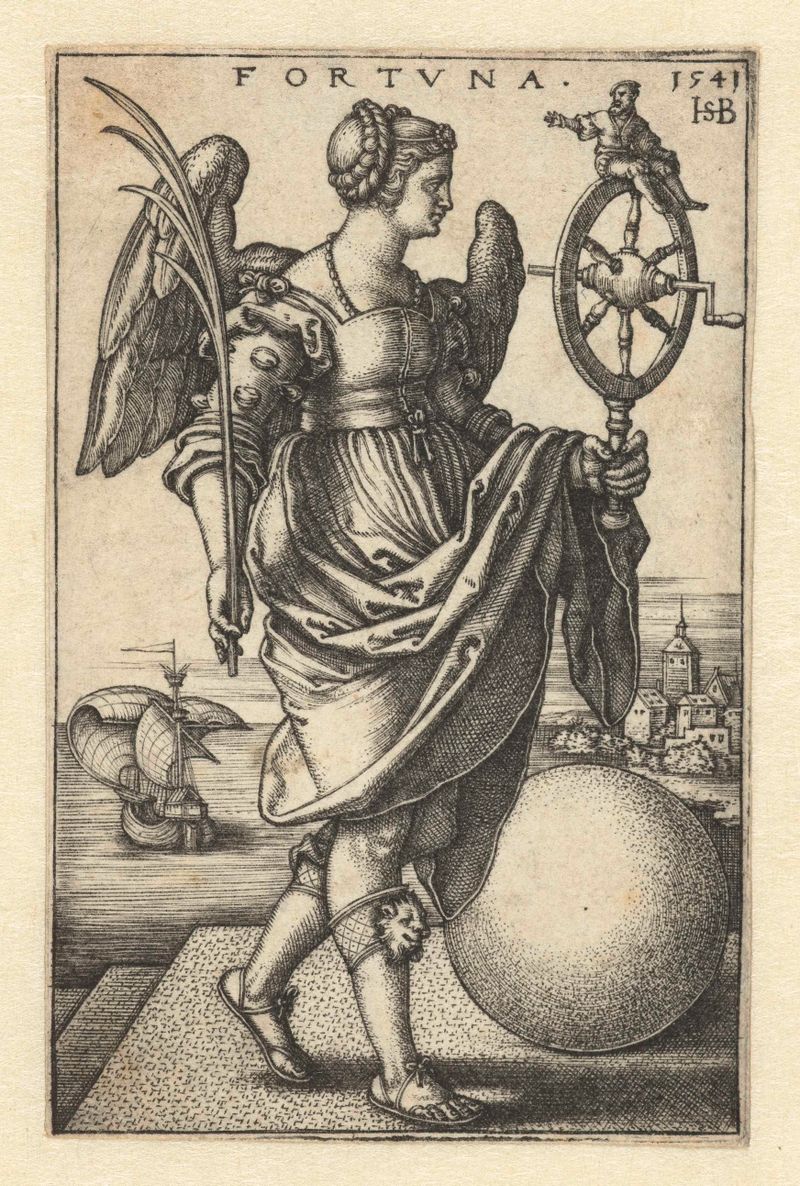
Fortuna
Hans Sebald Beham

Hercules worstelt met Antaeus
Hans Sebald Beham

Twee muzikanten met schalmey en doedelzak
Hans Sebald Beham

Voorzichtigheid (Prudentia)
Hans Sebald Beham

Hercules in gevecht met de Trojanen
Hans Sebald Beham
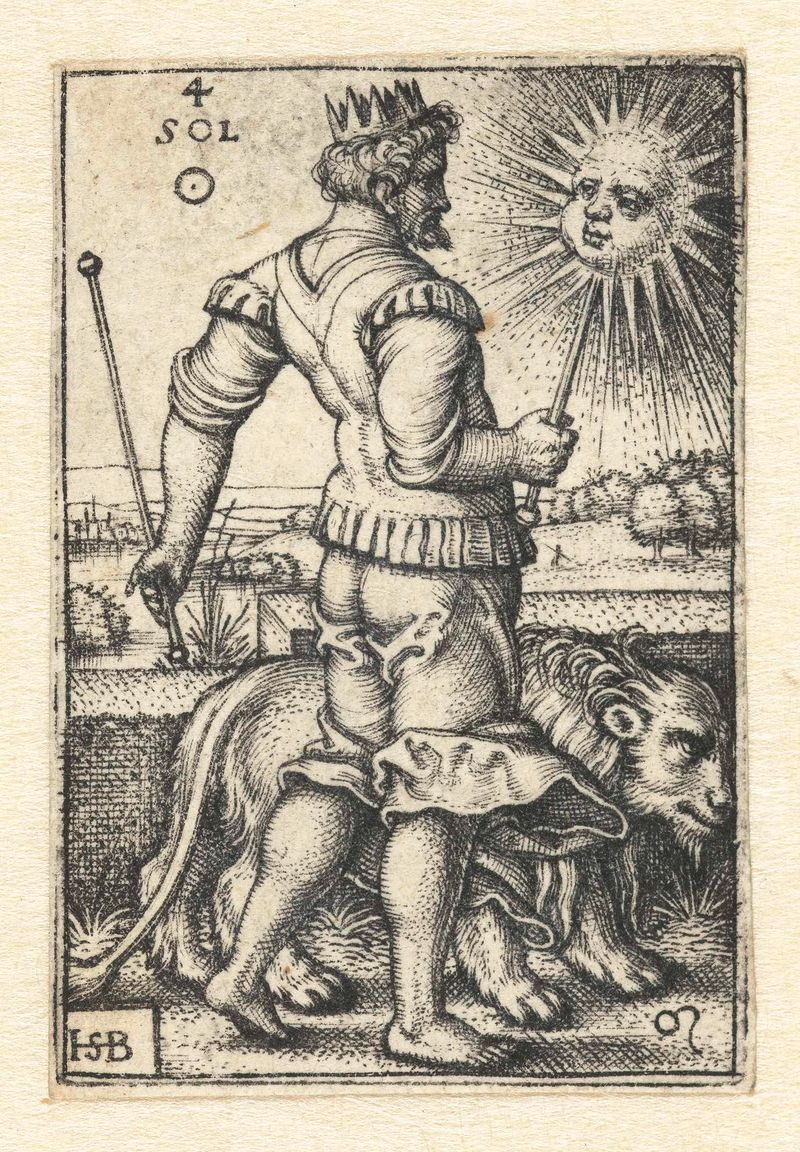
Apollo (Sol) met sterrenbeeld Leeuw
Hans Sebald Beham
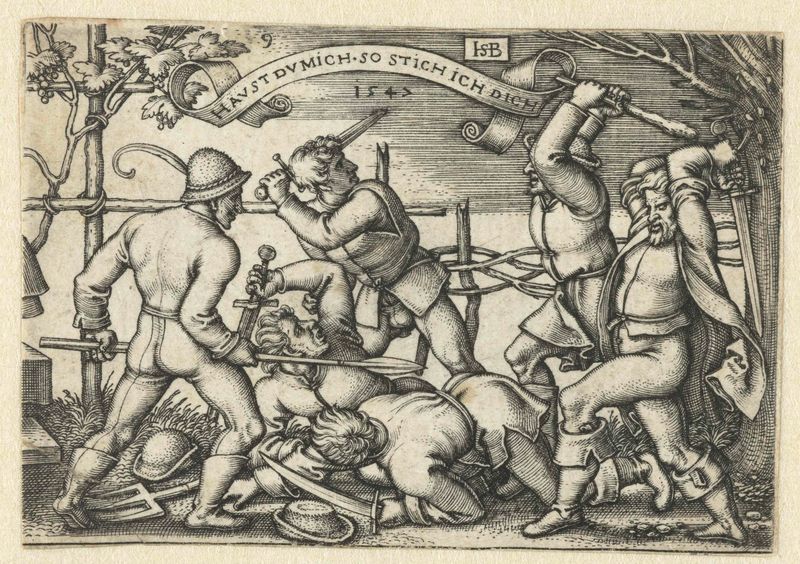
Vechtende boeren met zwaarden
Hans Sebald Beham
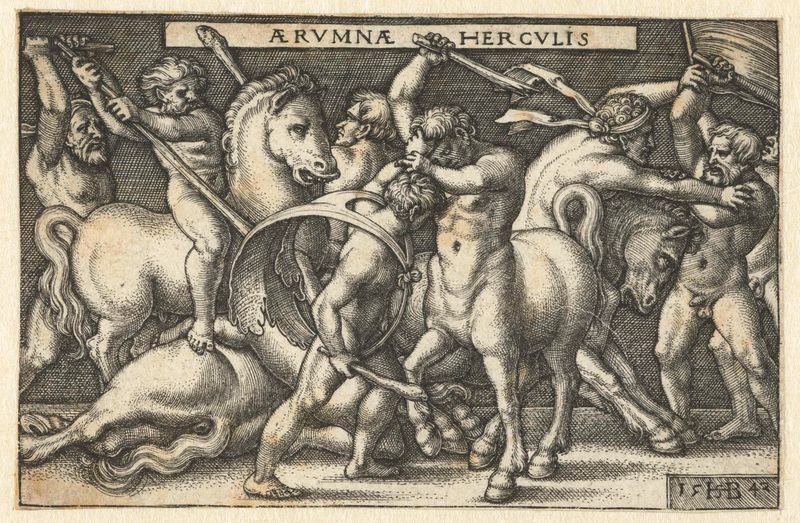
Hercules in gevecht met centaurs
Hans Sebald Beham
More Portrait Art
Browse all →
Las meninas
Diego Velázquez

Self-portrait with a Bandaged Ear and Pipe
Unidentified artist

Girl with a Pearl Earring
Johannes Vermeer

The Sampling Officials of the Amsterdam Drapers’ Guild, Known as ‘The Syndics’
Rembrandt van Rijn

The Hundred Guilder Print: the man seen on the back in the lower left corner
Rembrandt van Rijn

Portrait of Dr Gachet
Vincent van Gogh