Tomb of a Suicide — History & Facts
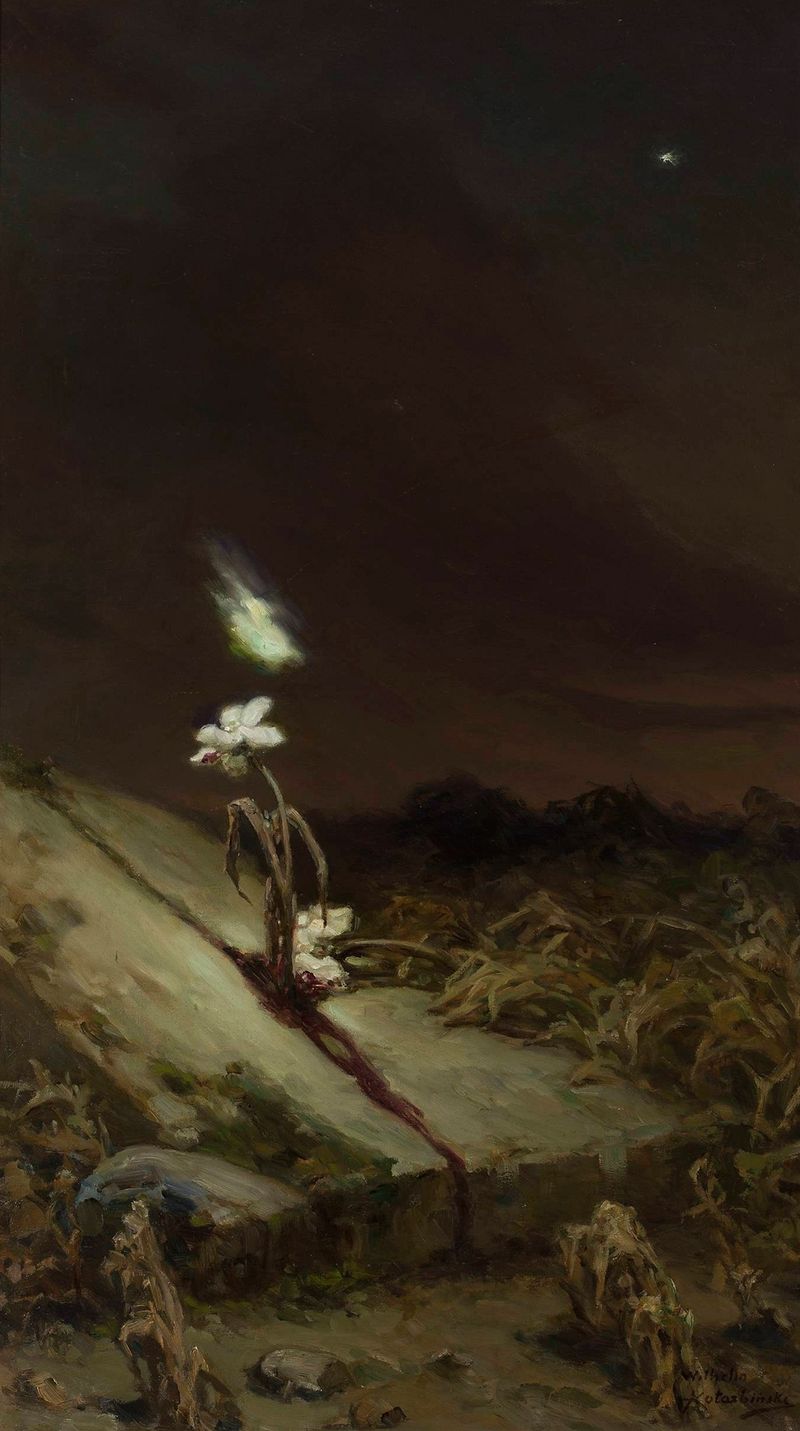
Can beauty exist without sorrow? In the delicate interplay of light and shadow, the haunting stillness of a life lost becomes an echo of longing and loss. Look to the center of Tomb of a Suicide, where the striking figure of the tombstone rises like a solemn monument against the backdrop of a muted landscape. The somber gray hues blend with subtle earth tones, hinting at a restfulness that belies the tragedy it commemorates. Notice how the gentle play of light caresses the stone surface, illuminating chiseled details that tell a story of grief and remembrance.
The surrounding vegetation, rendered in soft greens and browns, frames the scene, creating a sense of timelessness and melancholy. Hidden within this artwork are emotional tensions that provoke contemplation. The tombstone, while an emblem of despair, is also a testament to the beauty of memory, inviting reflection on the fleeting nature of life. The juxtaposition of the tranquil setting against the stark reality of loss suggests a profound connection between sorrow and the beauty of existence.
Each blade of grass and every shadow cast contributes to an atmosphere brimming with nostalgia, as if inviting the viewer to pause and ponder the weight of the past. In 1900, Wilhelm Kotarbiński painted this piece during a period marked by artistic exploration and emotional depth. He was immersed in a burgeoning movement that sought to convey the intricacies of human experience. This work reflects not only his personal reflections but also the broader societal struggles of the time, as the world grappled with the nuances of life, death, and the stories that linger in between.