Trail Boss — History & Facts
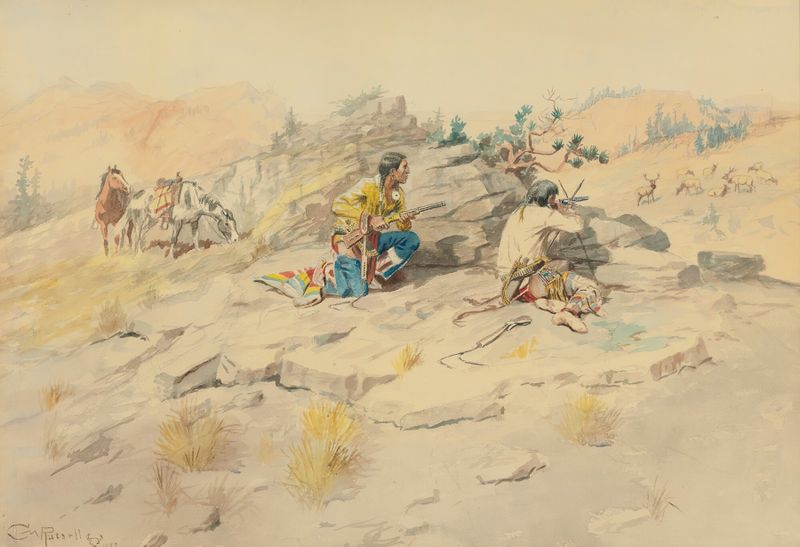
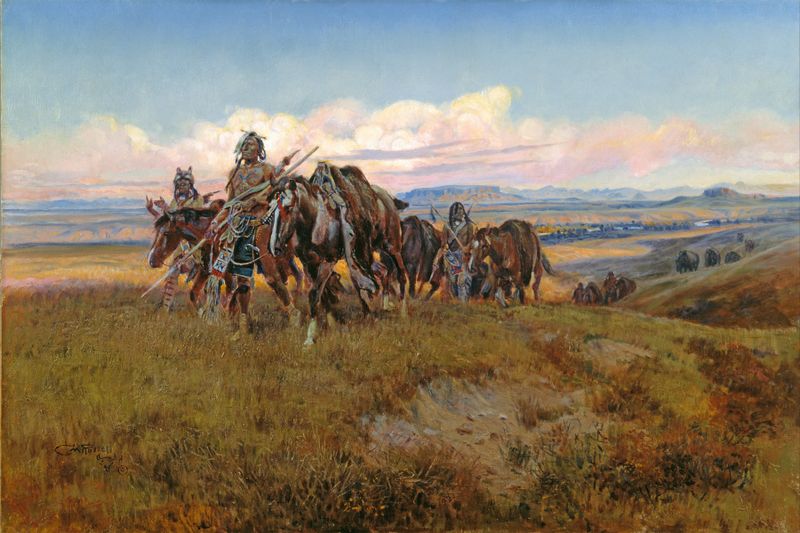
In Trail Boss, vibrant hues resonate with the pulse of the American West, vividly encapsulating the spirit of its era. Focus on the rich earth tones that dominate the scene—warm browns, deep ochres, and lively greens. The central figure, a commanding cowboy, stands poised at the forefront, his silhouette outlined against a dynamic sky that transitions from amber to cerulean. Notice how the light etches his features, lending authority and depth to his expression.
The surrounding landscape, dotted with rugged mountains and the distant promise of adventure, invites the viewer to journey further into this vivid world. Beneath the surface, contrasts emerge: the sturdy strength of the cowboy juxtaposes with the expansive vulnerability of the plains. The use of color evokes not only the physical terrain but also the emotional weight of solitude and determination that the trail boss carries. Each detail—a lasso coiled at his side, the flick of his hat—serves as a symbol of both rugged independence and the inherent struggles of frontier life, echoing the tension between man and nature. In 1900, Russell was deeply entrenched in his career as an artist, living in Montana where he drew inspiration from the surrounding wilderness and Native American culture.
This period marked a shift in his focus from solely depicting Native American scenes to including the American cowboy, reflecting the changing narratives of the West. As the nation grappled with its identity, this work stands as a testament to both an individual and a collective experience in a time of transformation.