
Trajan’s Bridge at Alcantara — History & Facts
In the intricate architecture of Trajan’s Bridge at Alcantara, that truth whispers tales of ambition and destiny, the weight of history suspended between stone and sky. Look to the horizon where the bridge arcs gracefully against a backdrop of muted earth tones and soft blues. The viewer's eye is drawn first to the bridge itself, a marvel of engineering captured with meticulous detail and a masterful interplay of light and shadow. Notice how the sunlight bathes the stone, accentuating its solidity while the surrounding landscape breathes with a gentle vibrancy, conveying both strength and fragility.
The clouds above, painted with delicate strokes, seem to echo the bridge’s enduring presence. Delve deeper into the painting's emotional terrain. The bridge symbolizes a connection, not just of land but of cultures and eras, serving as a testament to human achievement. The stillness of the scene contrasts sharply with the bustling vibrancy of ancient life that once thrived below.
Each stone appears to hold a story of its own, encapsulating the hopes and dreams of those who traversed it, while the serene waters beneath suggest the passage of time — relentless and unyielding. The artwork emerged during a period when Charles Hamilton Smith was exploring themes of architecture and landscape, reflecting his keen interest in the historical and cultural narratives of ancient civilizations. Painted in the early 19th century, an era marked by growing interest in classical antiquity, the work positions the artist within a broader movement that celebrated the grandeur of the past, capturing the essence of a bridge that has survived the tests of time amidst a world of transformation.
More Artworks by Charles Hamilton Smith
Browse all →
Situation of H.M.S. Hecla & Griper
Charles Hamilton Smith
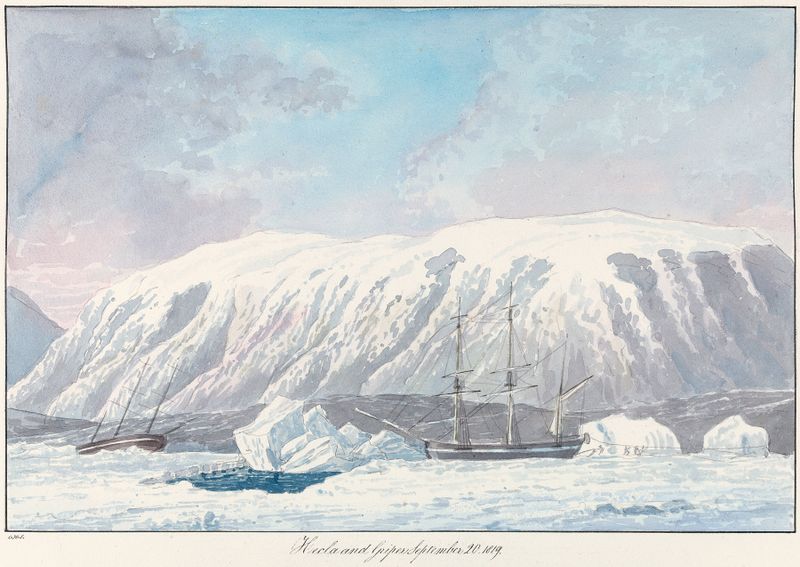
Hecla and Griper
Charles Hamilton Smith

Friendly Cove, Nootka Sound
Charles Hamilton Smith

Iceberg in Baffin’s Bay
Charles Hamilton Smith
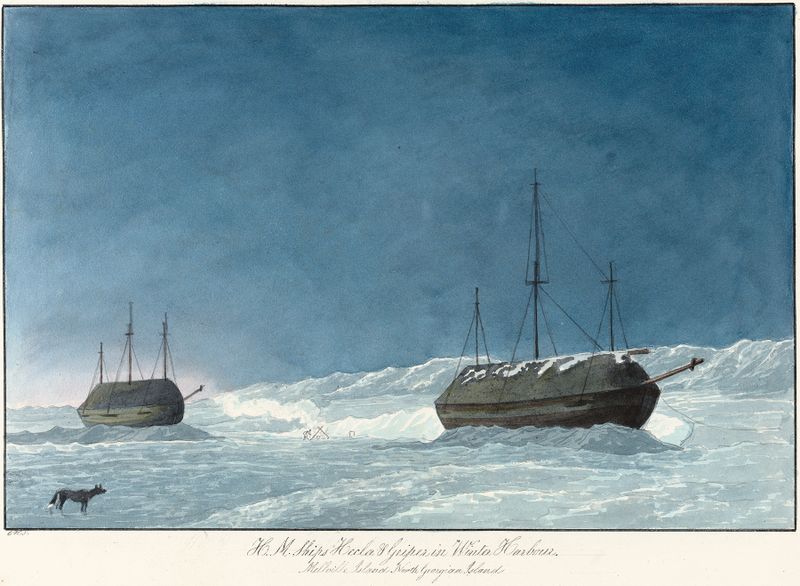
H. M. Ships Hecla and Griper in Winter Harbour
Charles Hamilton Smith

The Erebus & Terror in a Gale in the Pack of the Ice
Charles Hamilton Smith
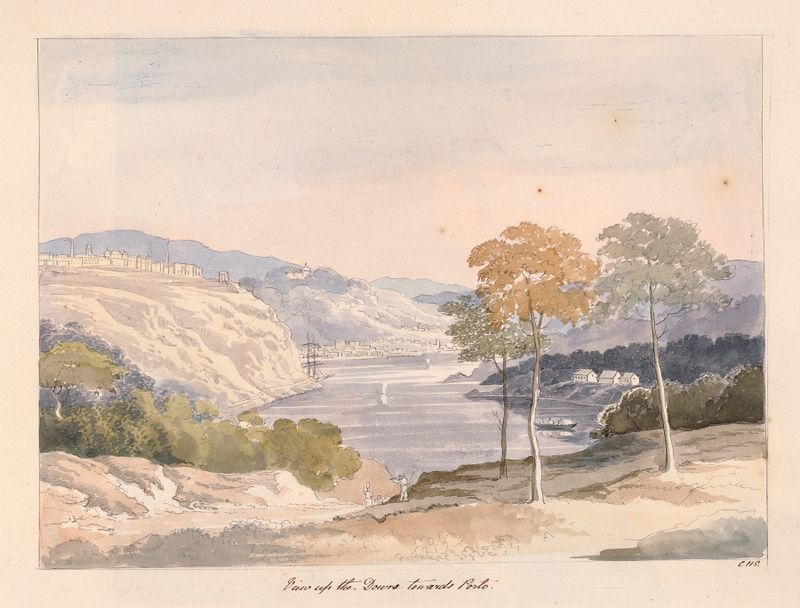
View of the Douro towards Porto
Charles Hamilton Smith
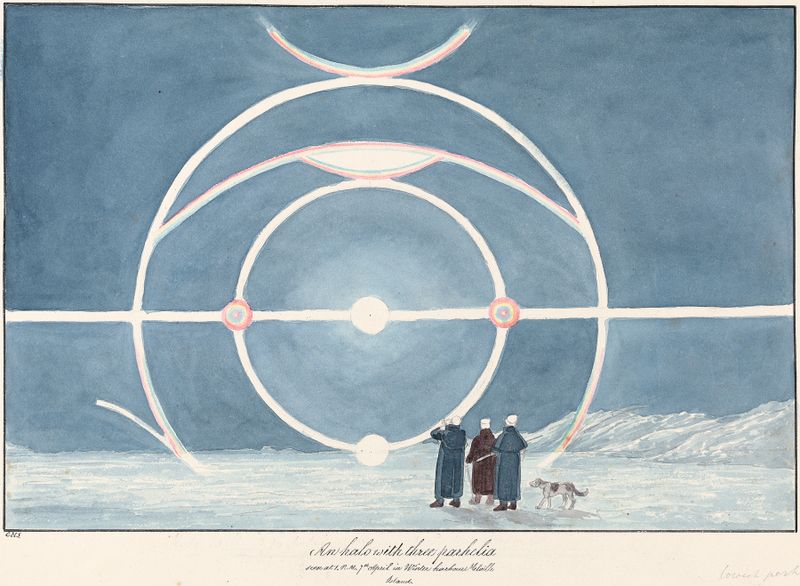
Halo with Three Parhelia, Winter Harbour Melville Island
Charles Hamilton Smith
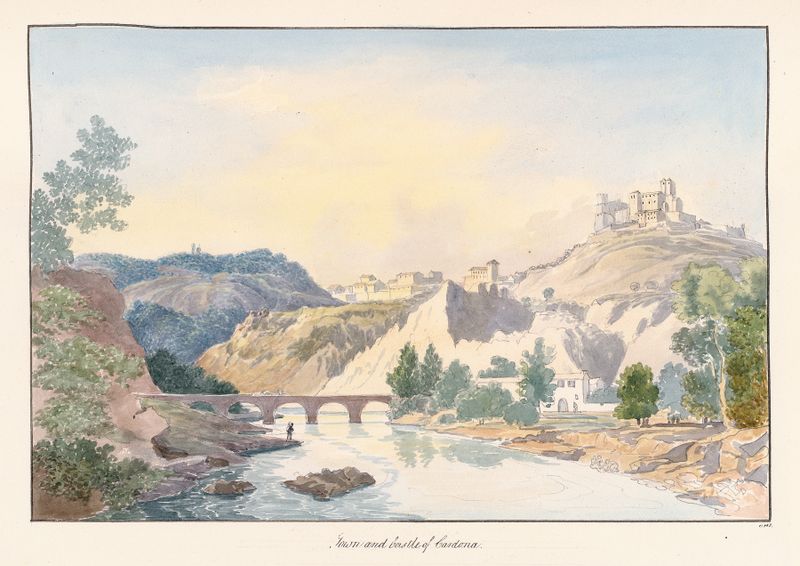
Town and Castle of Cardona
Charles Hamilton Smith
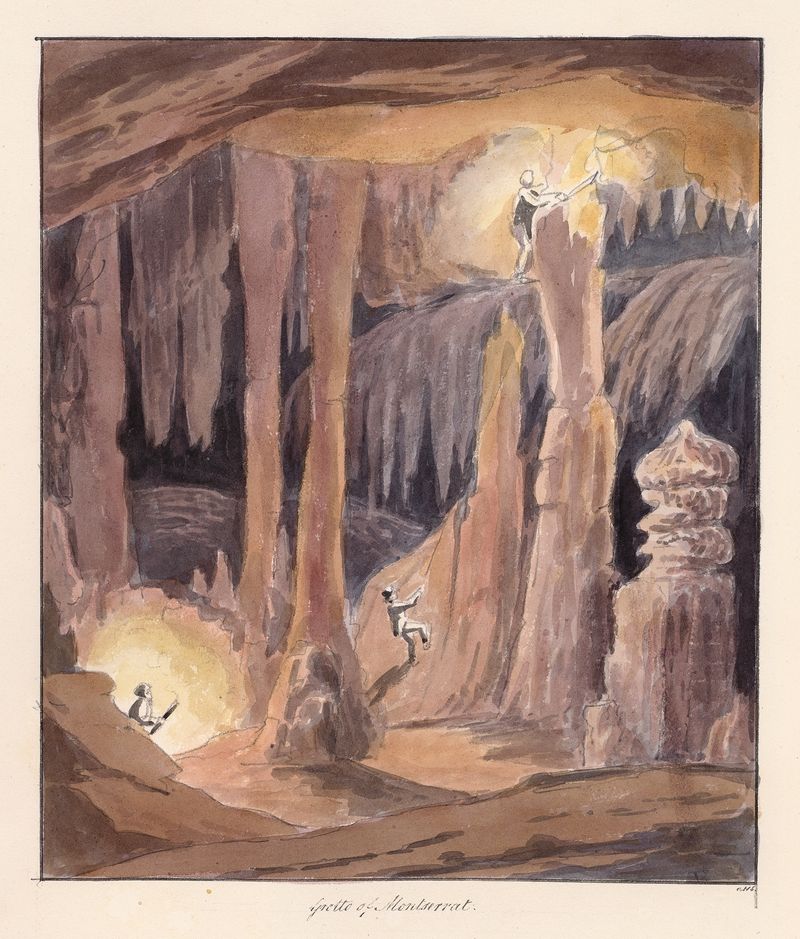
Grotto of Montserrat
Charles Hamilton Smith
More Architecture Art
Browse all →
The statue of Liberty
Frédéric Auguste Bartholdi

View of Houses in Delft, Known as ‘The Little Street’
Johannes Vermeer

View of Houses in Delft, Known as ‘The Little Street’
Johannes Vermeer

The Cathedral in Rouen. The portal, Grey Weather
Claude Monet

The yellow house
Vincent van Gogh

The Church in Auvers-sur-Oise, View from the Chevet
Vincent van Gogh