
H. M. Ships Hecla and Griper in Winter Harbour — History & Facts
Could a single brushstroke hold eternity? In H. M. Ships Hecla and Griper in Winter Harbour, the stillness of a frozen world resonates with profound melancholy, inviting viewers to explore the depths of solitude and time. Look to the left at the majestic ships, their hulls enveloped in hues of deep blue and muted gray, stark against the cold, white expanse of ice.
The brushwork reveals a careful balance between detail and abstraction; the lines defining the ships are sharp, evoking a sense of purpose amidst the desolation. As your gaze travels across the canvas, the subtle play of light and shadow dances on the shimmering ice, enhancing the scene’s chilling serenity and reflecting the atmosphere of isolation. Within this seemingly tranquil landscape lies a tension between man-made vessels and the vastness of nature. The ships, symbols of human endeavor, are dwarfed by the overwhelming presence of winter, encapsulating a poignant struggle against the relentless passage of time.
This contrast amplifies the emotional weight of the scene, forcing contemplation on the fragility of existence. The choice of color—cool tones contrasted with the pristine whiteness—evokes not only a sense of beauty but also a tantalizing sadness, as the ships appear trapped between worlds. Charles Hamilton Smith painted this work during a time when exploration and maritime adventure were at the forefront of public imagination, likely in the early 19th century. The age was marked by burgeoning scientific interest and naval expeditions, yet the chilling reality of these endeavors often lay beneath the surface.
Smith, known for his detailed depictions of naval life, captured a moment suspended in time, a quiet reflection on humanity's ambitions against nature’s indomitable force.
More Artworks by Charles Hamilton Smith
Browse all →
Situation of H.M.S. Hecla & Griper
Charles Hamilton Smith
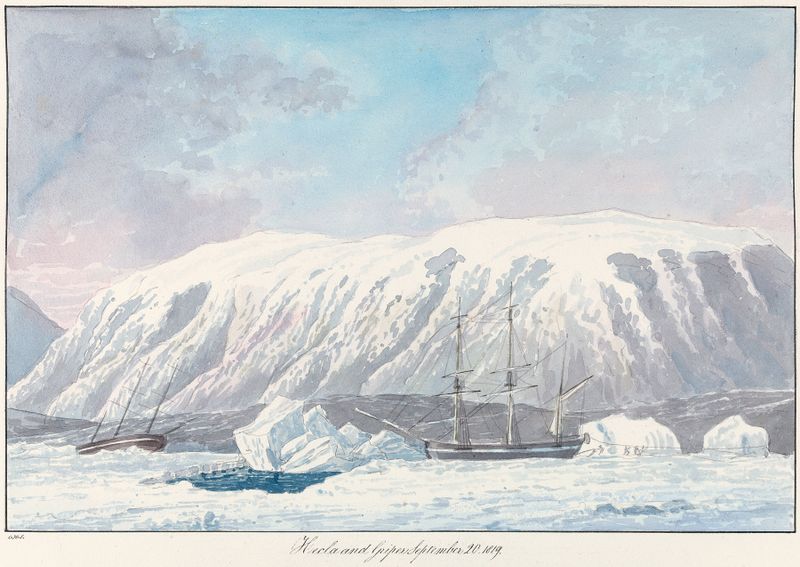
Hecla and Griper
Charles Hamilton Smith

Friendly Cove, Nootka Sound
Charles Hamilton Smith

Iceberg in Baffin’s Bay
Charles Hamilton Smith

The Erebus & Terror in a Gale in the Pack of the Ice
Charles Hamilton Smith
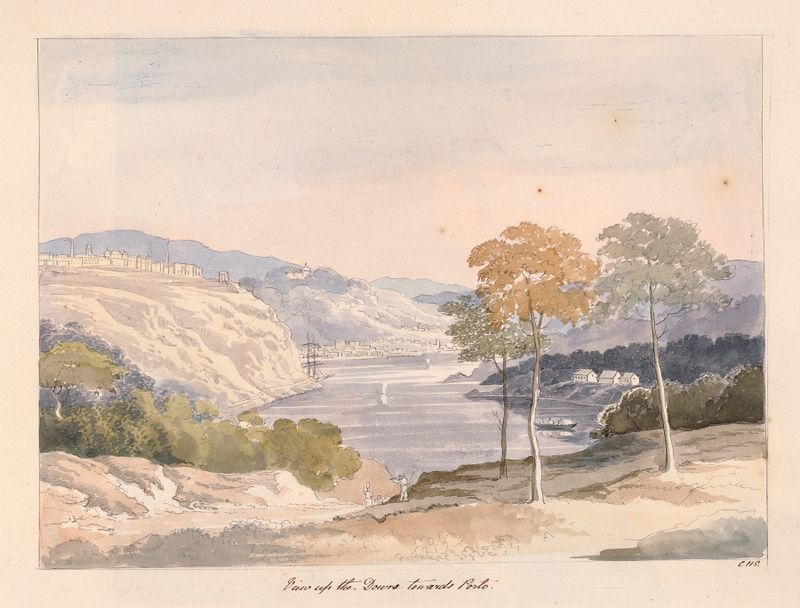
View of the Douro towards Porto
Charles Hamilton Smith
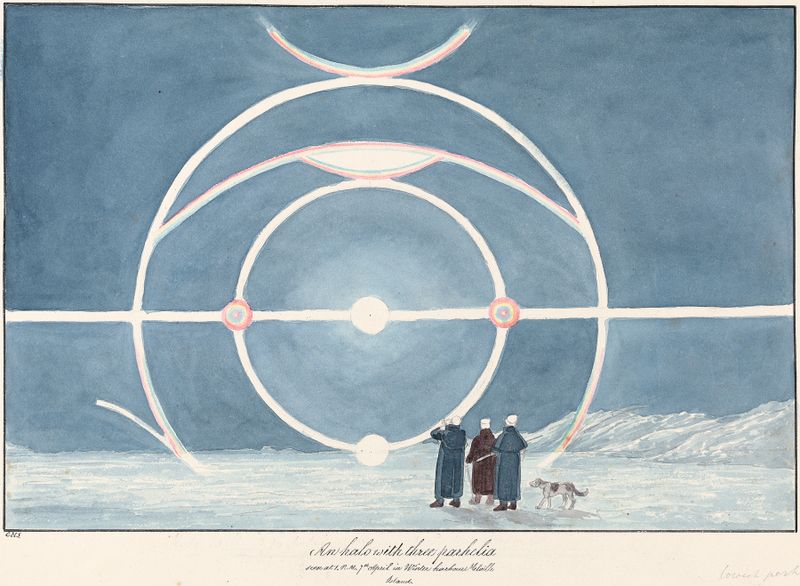
Halo with Three Parhelia, Winter Harbour Melville Island
Charles Hamilton Smith
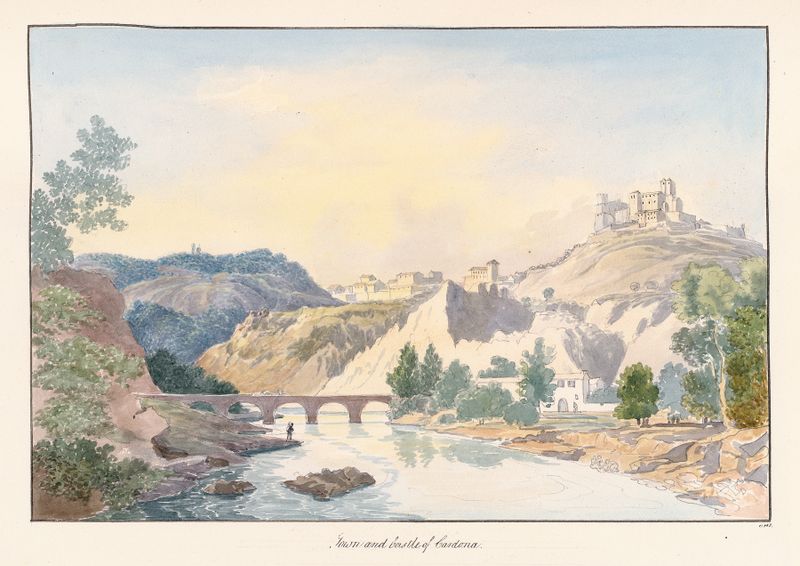
Town and Castle of Cardona
Charles Hamilton Smith
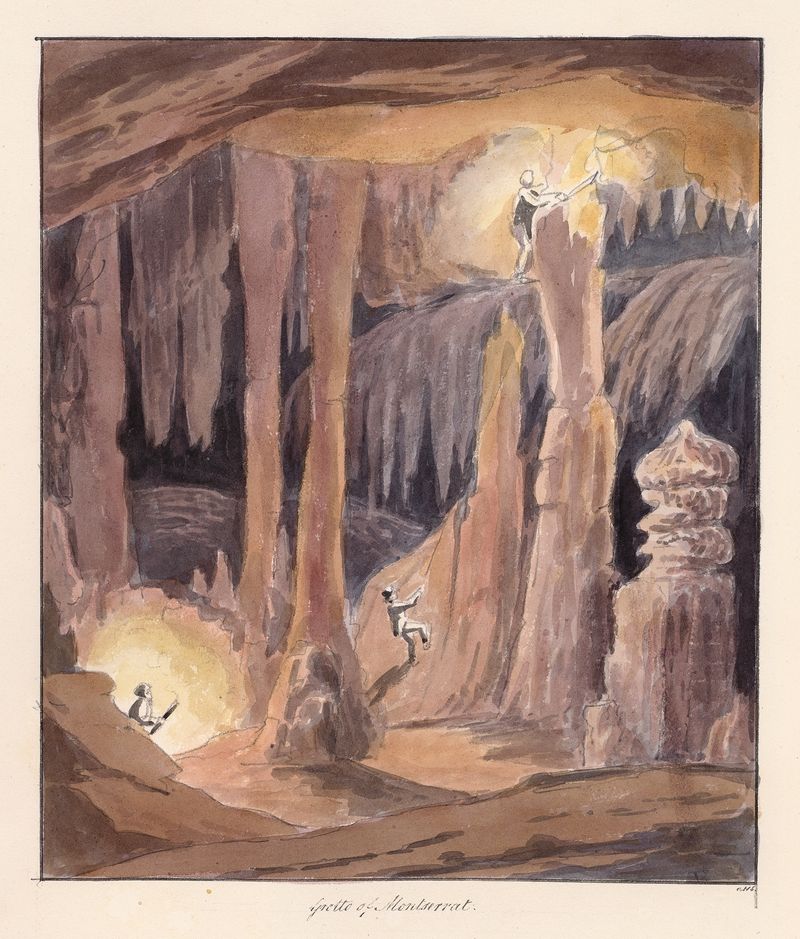
Grotto of Montserrat
Charles Hamilton Smith

Monastery of San Just where Charles V died
Charles Hamilton Smith





