Étude pour le Cercle de l’île de Puteaux — History & Facts
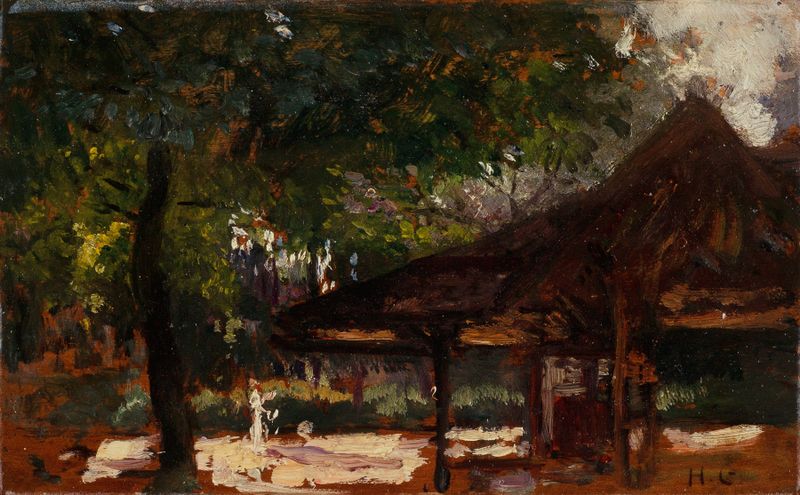
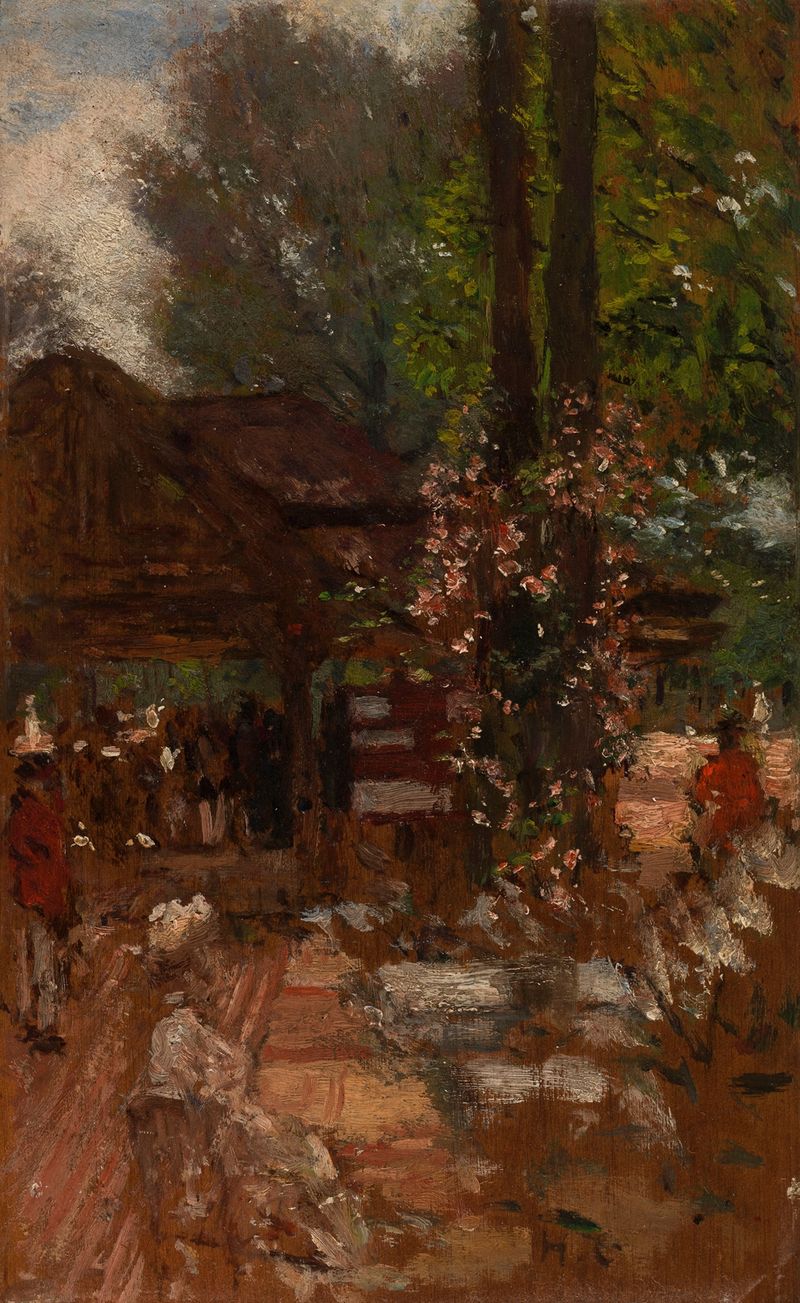
Can beauty exist without sorrow? In Étude pour le Cercle de l’île de Puteaux, Henri Gervex captures a moment steeped in quiet reflection, where the allure of solitude becomes palpable. Look to the left of the canvas, where gentle hues of blue and green envelop a solitary figure seated by the edge of the water. The soft brushstrokes create a serene atmosphere, inviting the viewer to consider the emotions of the subject. Notice how the light dances on the surface of the water, creating a shimmering contrast to the stillness surrounding the figure.
The composition draws the eye inward, with sweeping curves that guide the gaze toward the intimate space of isolation. Yet within this calm, there lies an undercurrent of tension. The figure’s posture conveys both a yearning for connection and an acceptance of solitude, illustrating the delicate balance between hope and despair. The surrounding landscape, though idyllic, emphasizes the loneliness — the verdant greens juxtaposed with the deep blues evoke a sense of longing, as if nature itself mourns the absence of companionship.
Each element of the painting speaks to the artist's exploration of emotional landscapes, bridging beauty with a profound sense of loss. In 1907, Gervex painted this work during a transformative period in French art, as Impressionism was giving way to more introspective movements. Works like this reflect his engagement with the themes of isolation and introspection that permeated the era. Personal struggles and the shifting art world influenced his vision, leading him to delve into the complexities of human emotion and connection, making this piece not just a study but a significant exploration of the human condition.