
Tuttington Ch. Nov. 11th 1841 — History & Facts
In the vast expanse of life, solitude often whispers its truths in muted tones, urging us to listen closely. Look to the center of the canvas, where a solitary figure stands amidst a landscape drenched in greys and muted browns. The sparse trees stretch their skeletal limbs toward a brooding sky, while the earth beneath the figure’s feet hints at a chill that penetrates the scene. The dappled light filters through the clouds, casting a somber ambiance that envelops everything in a soft haze, evoking an ephemeral quality that feels both still and heavy. In this artwork, emotional tensions simmer beneath the tranquil surface.
The contrast between the figure's isolation and the expansive landscape amplifies a sense of loneliness; it invites the viewer to ponder the relationship between man and nature. Each brushstroke captures a moment suspended in time, revealing how solitude can be both a refuge and a burden. The muted palette mirrors the figure's introspective state, suggesting that within emptiness, profound truths await discovery. The painting was created during a period of introspection for Miles Edmund Cotman, who was deeply influenced by the Romantic movement's exploration of emotion and nature.
Although the exact date remains uncertain, it is likely he painted this piece in the early to mid-1840s, a time when he was navigating personal challenges and the evolving landscape of British art. Cotman's ability to convey stirring emotion through subdued color would leave a lasting impact on future generations, inviting viewers to explore their own narratives within the silence.
More Artworks by Miles Edmund Cotman
Browse all →
From the Garden front of my Father’s House at Thorpe next Norwich
Miles Edmund Cotman

Study of Trees on the Banks of the Yare
Miles Edmund Cotman

Col. Harvey’s Meadow Thorpe and Norwich Oct. 2nd 1841
Miles Edmund Cotman
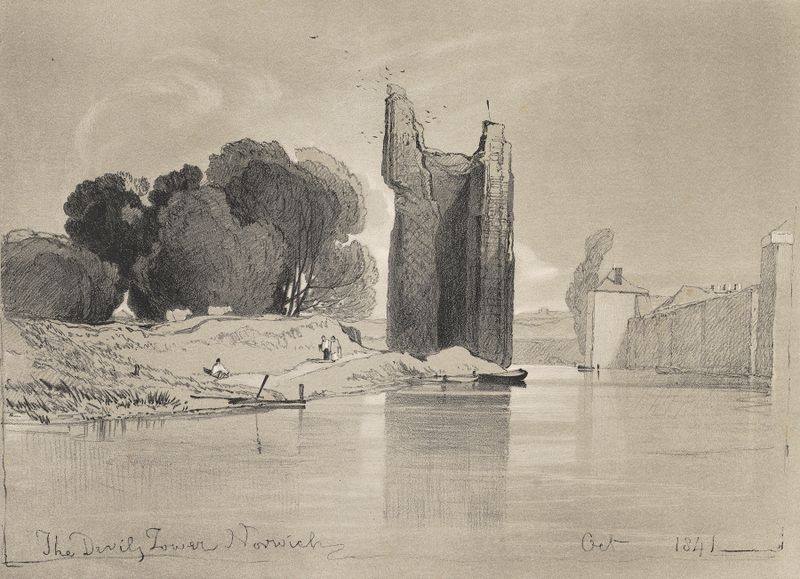
The Devil’s Tower, Norwich Oct. 1841
Miles Edmund Cotman

Mousehold Heath–The Lane to the Left above Col. Harveys House
Miles Edmund Cotman
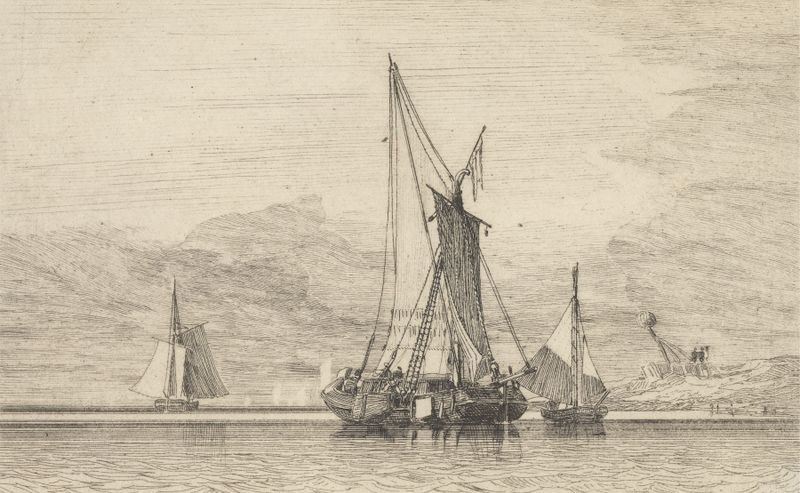
On the Medway
Miles Edmund Cotman

Itteringham Nov. 12th 1841
Miles Edmund Cotman
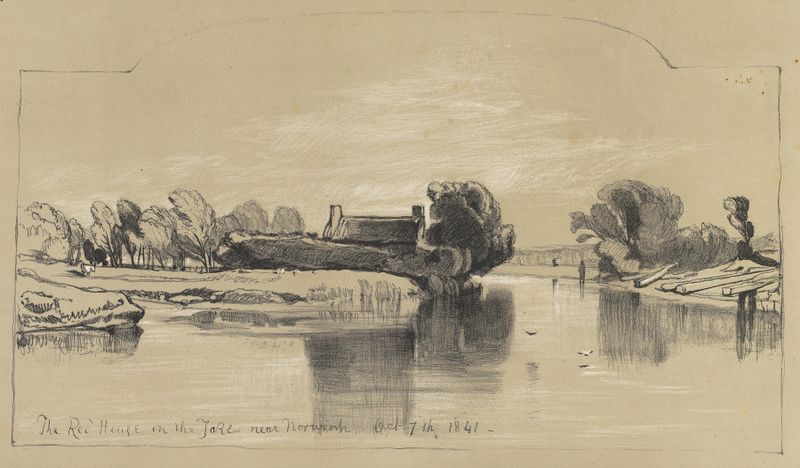
The Red House on the Lake near Norwich Oct. 7th, 1841
Miles Edmund Cotman
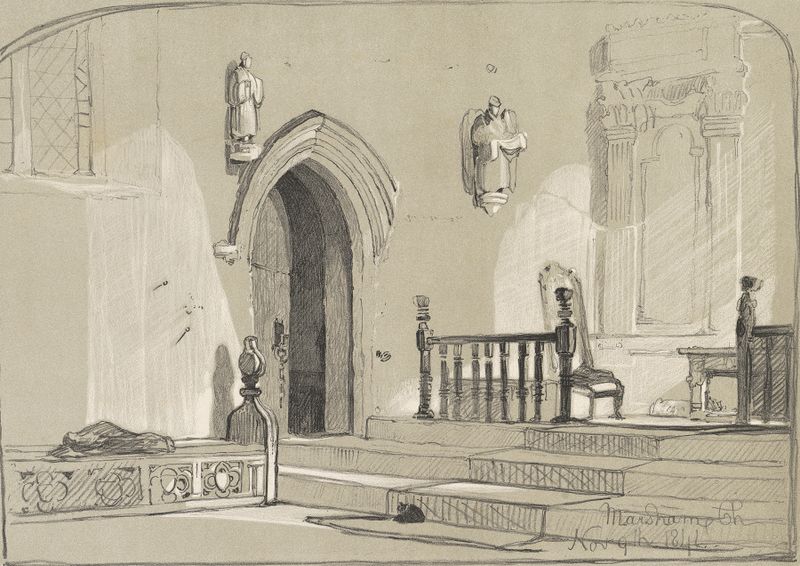
Marsham Ch. Nov. 9th 1841.
Miles Edmund Cotman

French Fishing Boat off the Shears
Miles Edmund Cotman





