
Twee liefdesparen en een nar — History & Facts
This sentiment echoes through the intricate layers of this painting, where love intertwines with an undercurrent of longing and melancholy. Look to the central figures, two couples enveloped in a gentle embrace. Their expressions are tender yet distant, capturing an elegance that hints at unspoken desires. Notice how the light dances across their garments, illuminating rich hues of crimson and gold, creating a striking contrast against the muted background.
The artist’s skillful use of texture lends depth, inviting the viewer to explore the emotional tapestry woven into each brushstroke. As your gaze travels outward, subtle details emerge: a jester on the periphery, poised between the lovers, silently challenging the notion of happiness. His painted grin belies a deeper message, suggesting that joy may be fleeting amid the complexities of human connection. The flowers adorning the couples serve not only as symbols of love but also as a reminder of transience—their beauty inevitably wilting, much like the moments captured in this intimate tableau. Created between 1535 and 1599, the period during which this piece was painted was marked by shifting social dynamics and artistic innovation.
The artist, whose name remains lost to history, was likely influenced by the Renaissance's embrace of human emotion and realism. The interplay of love and jest in this work hints at the tumult of relationships during an era when courtly affection often masked deeper societal tensions.
More Artworks by Unknown Artist
Browse all →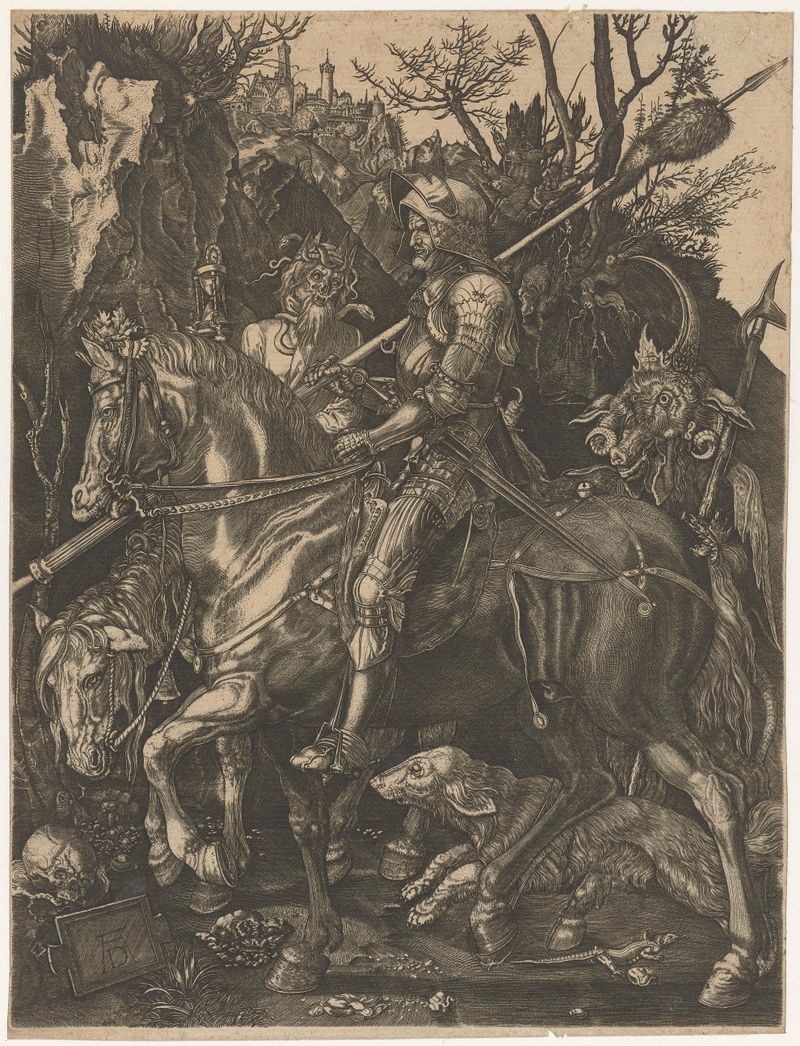
Ridder, Dood en Duivel
Unknown Artist
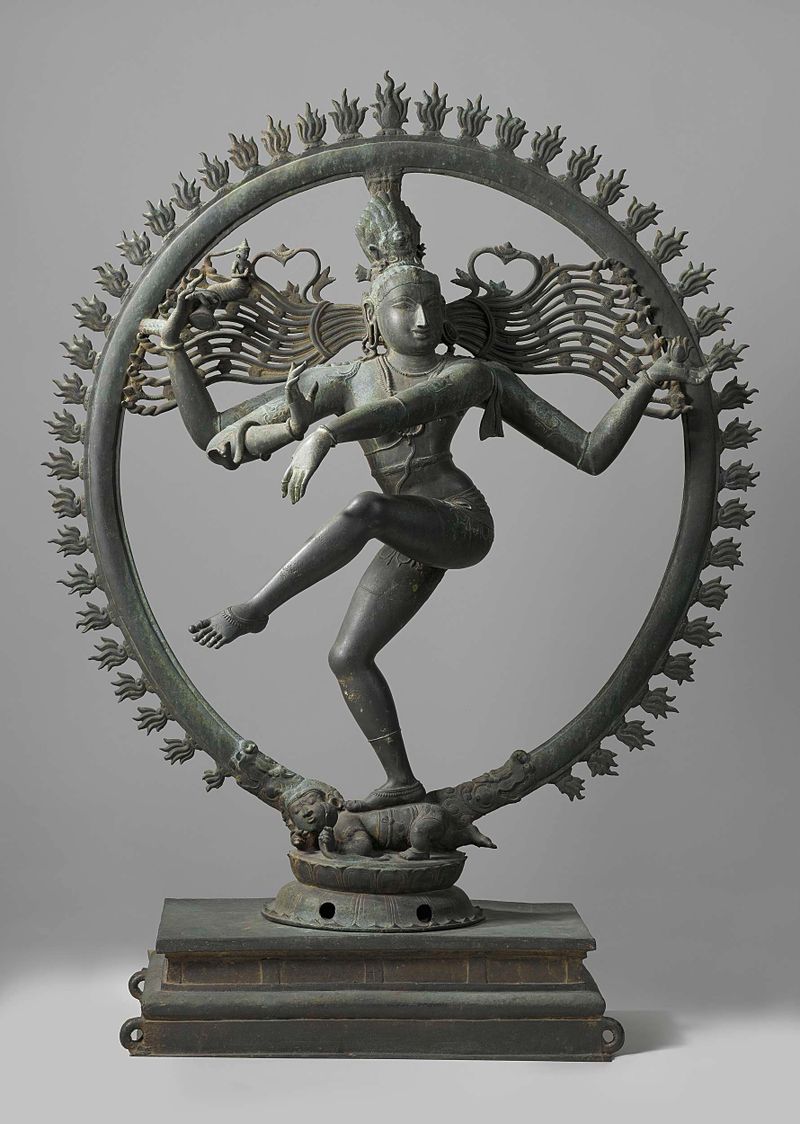
Shiva Nataraja
Unknown Artist
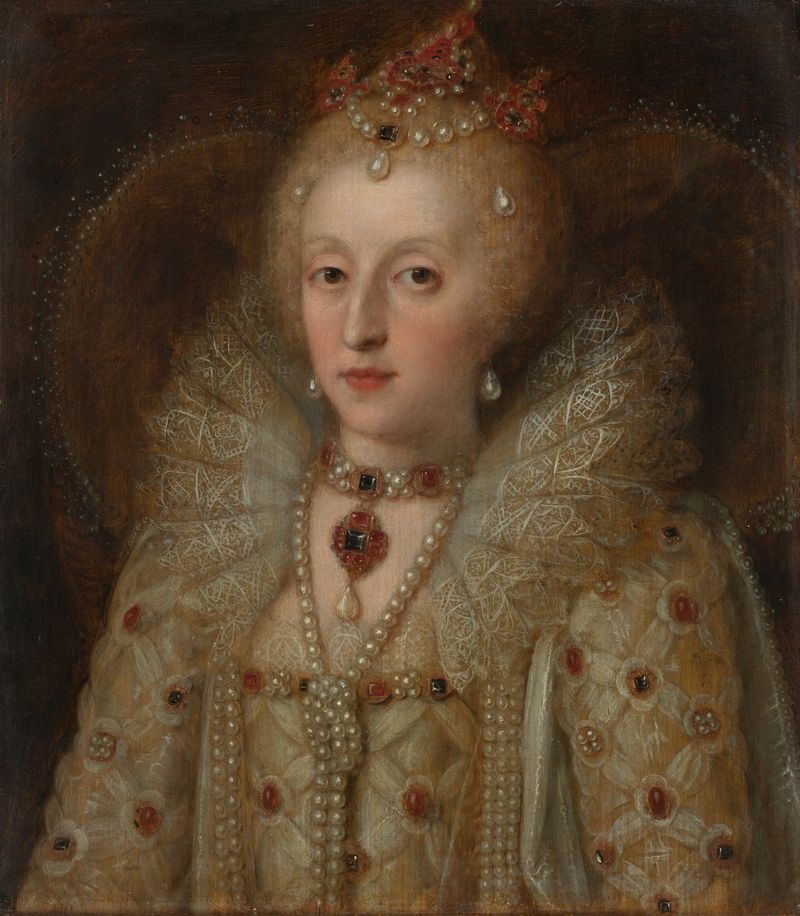
Portrait of Elizabeth I, Queen of England
Unknown Artist
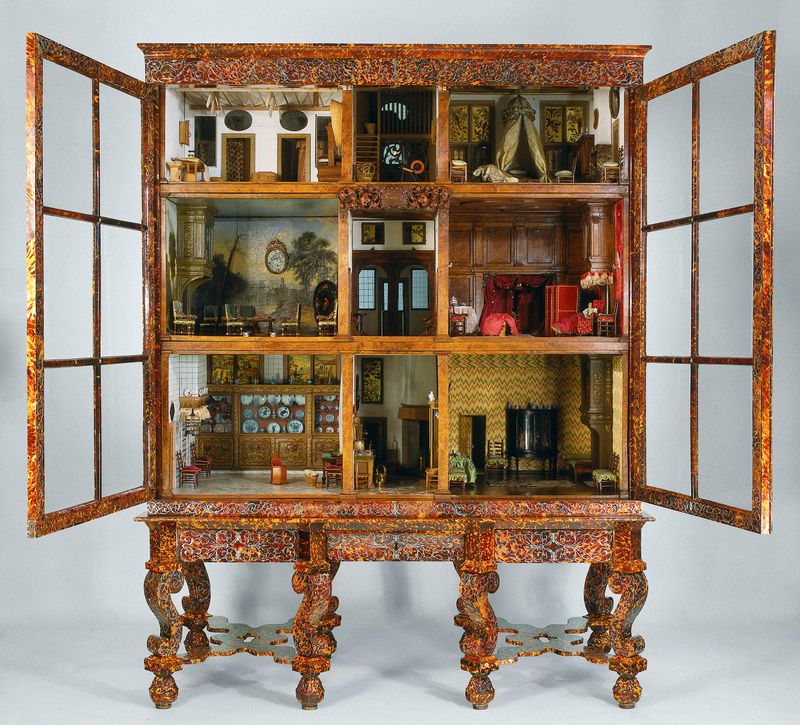
Dolls’ house of Petronella Oortman
Unknown Artist
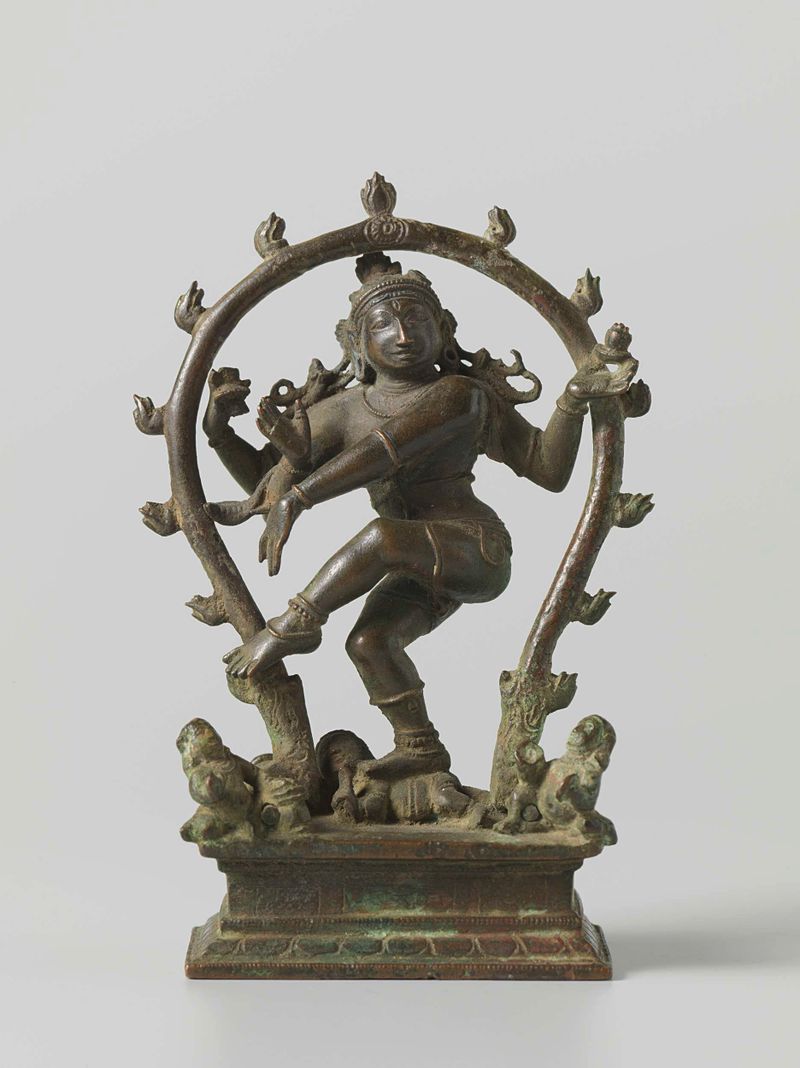
Shiva Nataraja
Unknown Artist

The Tale of Genji
Unknown Artist

The Tale of Genji
Unknown Artist
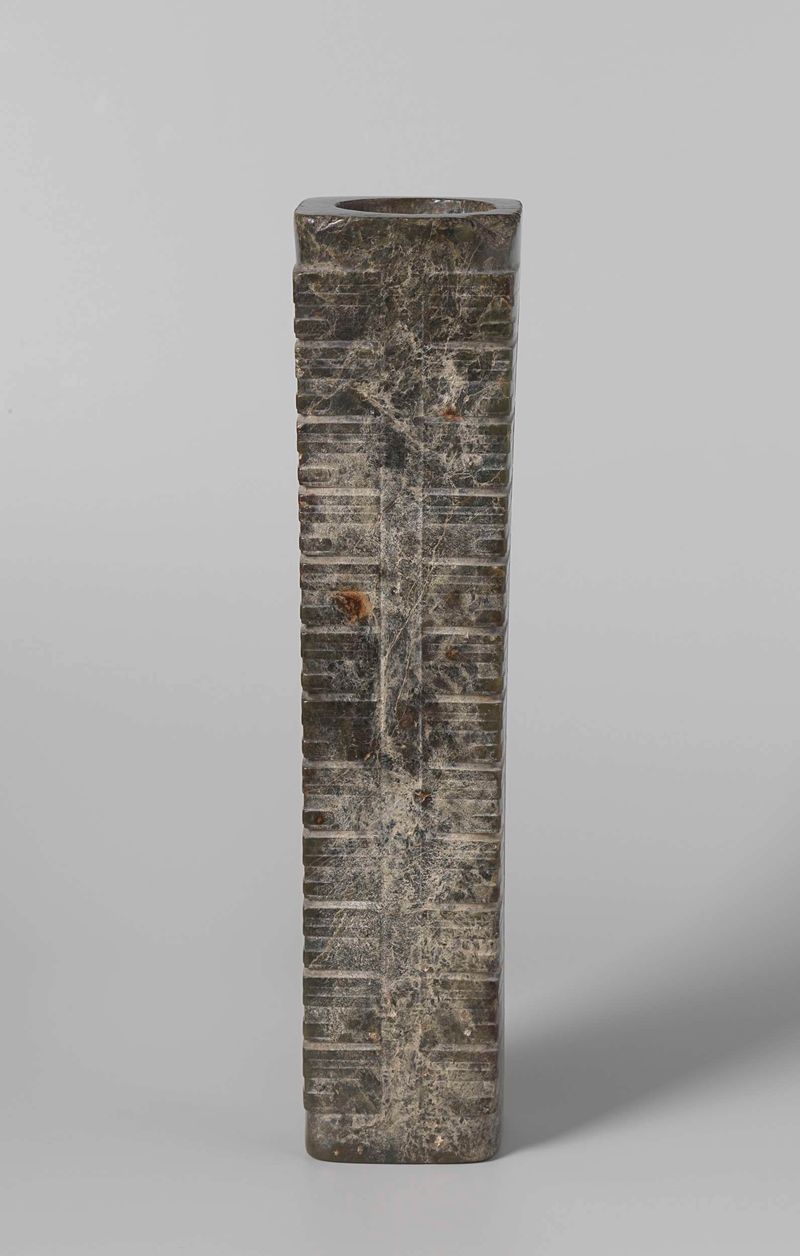
Cong
Unknown Artist
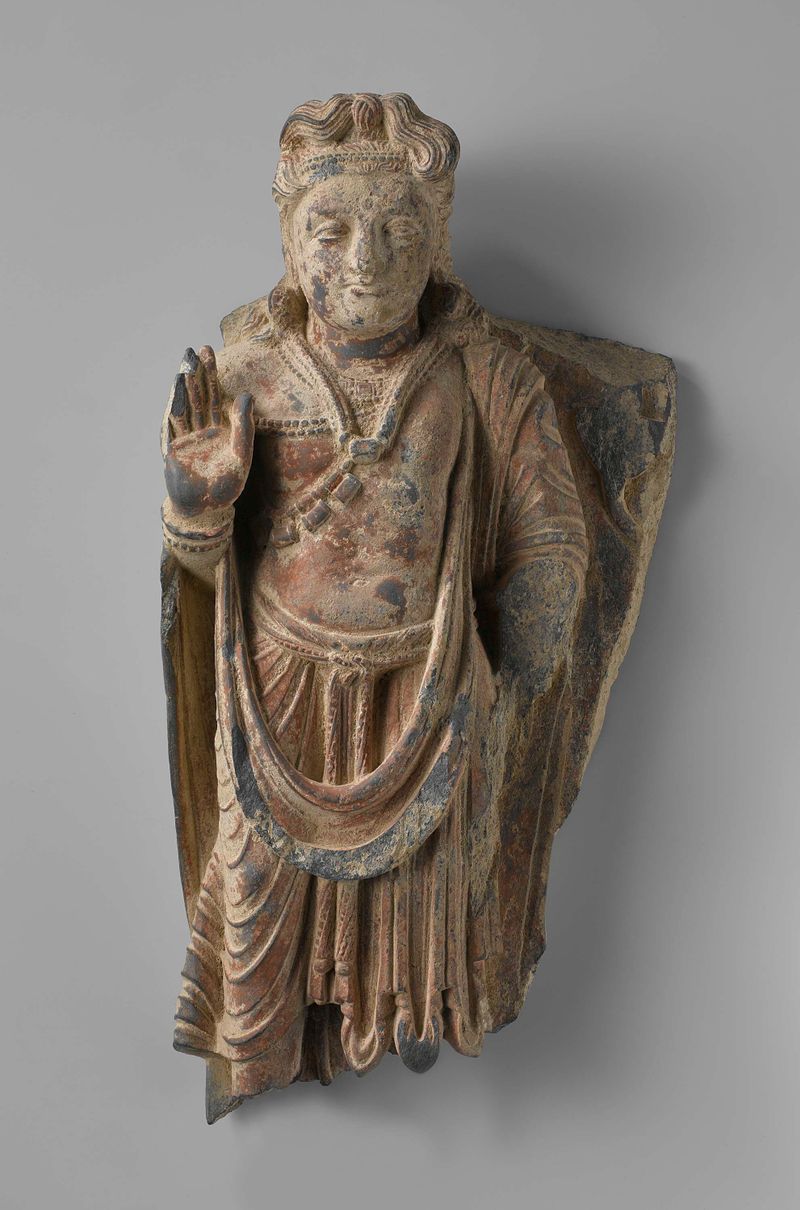
The bodhisattva Maitreya
Unknown Artist
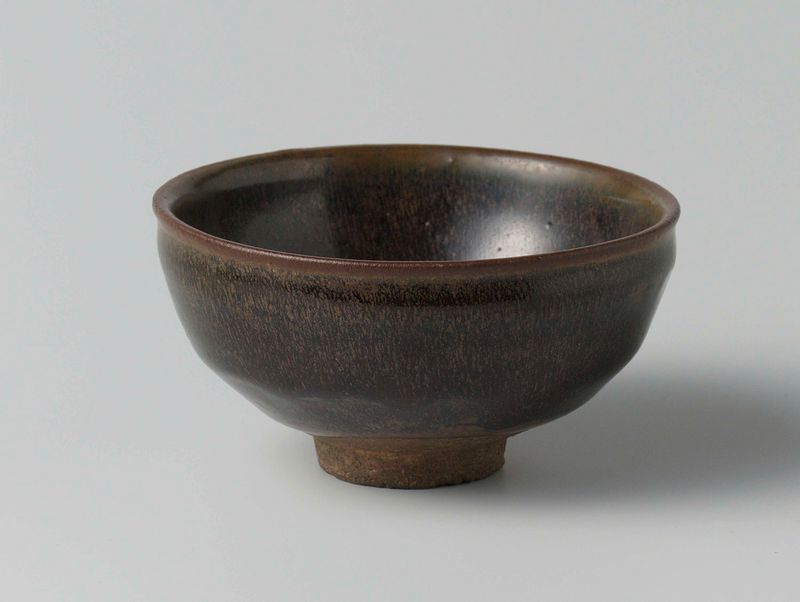
Teabowl with a 'hare's fur' glaze
Unknown Artist





