Twee struisvogels — History & Facts
Grief, a silent specter, lingers in the spaces where joy once danced. In the delicate interplay of nature and emotion, how do we understand loss? Look to the center of the composition, where two ostriches stand poised yet melancholic. Their feathers, a blend of rich browns and cool grays, alternate between soft texture and sharp lines, drawing the eye immediately.
Notice how the light caresses the curves of their bodies, illuminating the intricate patterns that mimic the fragility of their existence. The background, a muted wash of greens and browns, serves to amplify their solitude, accentuating their isolation in a world that feels both vast and empty. As you observe further, take in the tension between their vibrant plumage and the stillness of their gaze. These creatures, often symbols of exuberance and freedom, here evoke a profound sense of melancholy.
The slight tilt of one ostrich’s head suggests an awareness of something lost, almost as if they are mourning a companion or a moment no longer within reach. This dichotomy of life and loss speaks to the human experience, making the viewer ponder what it means to carry the weight of absence. Painted between 1654 and 1750, this work emerges from a time when the art world was rife with the exploration of natural forms and their emotional resonances. The anonymous artist, likely influenced by prevailing Baroque trends, captured more than just the physicality of these birds; they encapsulated a moment of introspection reflective of their own life circumstances, where grief and beauty intersected.
More Artworks by Unknown Artist
Browse all →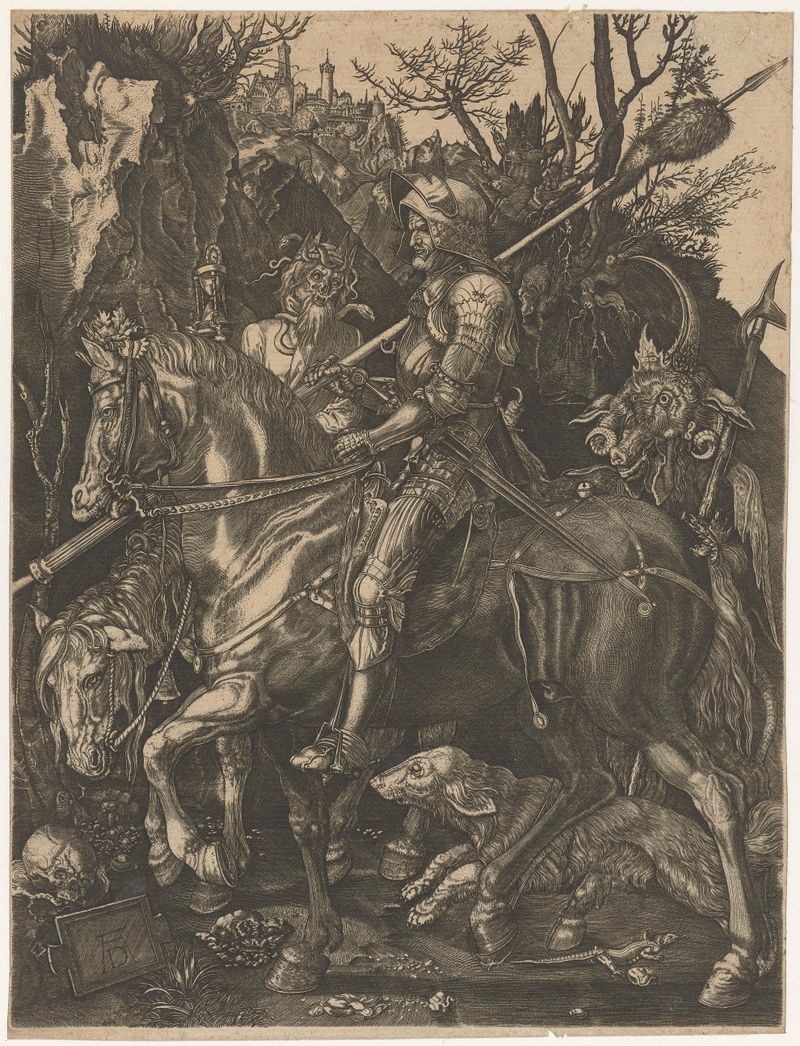
Ridder, Dood en Duivel
Unknown Artist
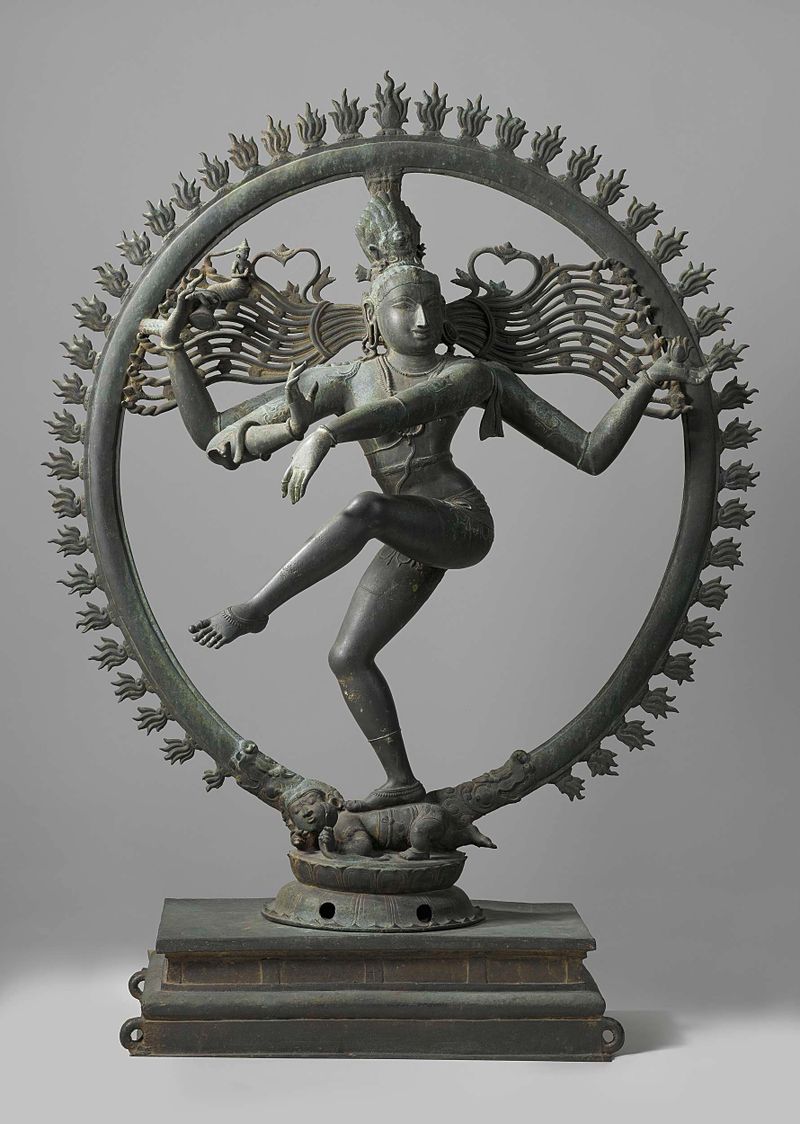
Shiva Nataraja
Unknown Artist
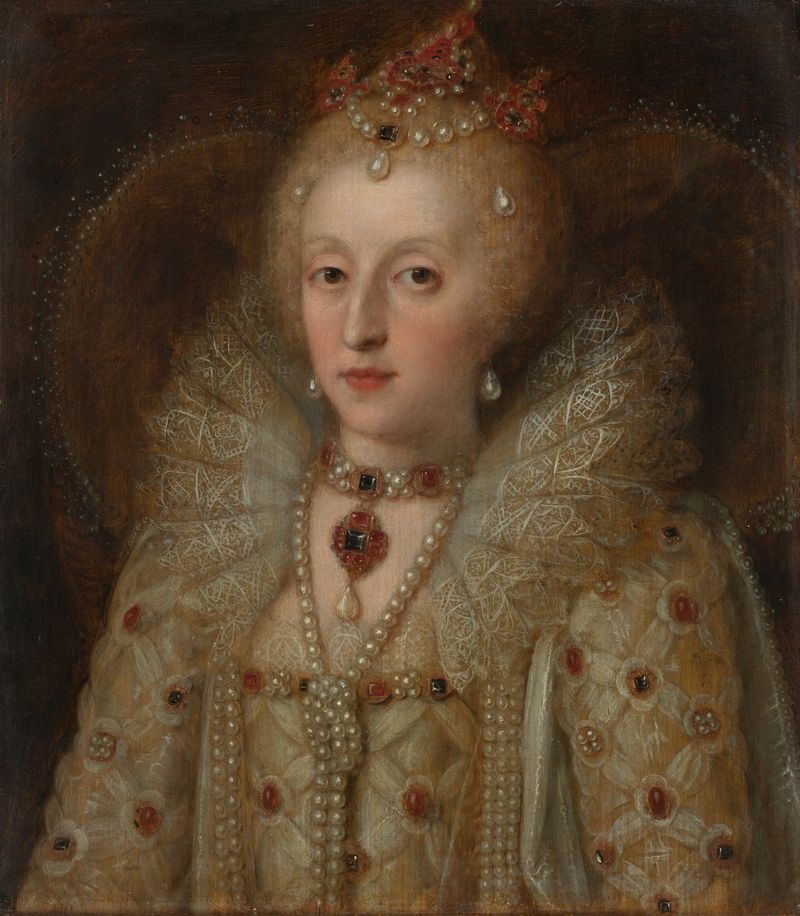
Portrait of Elizabeth I, Queen of England
Unknown Artist
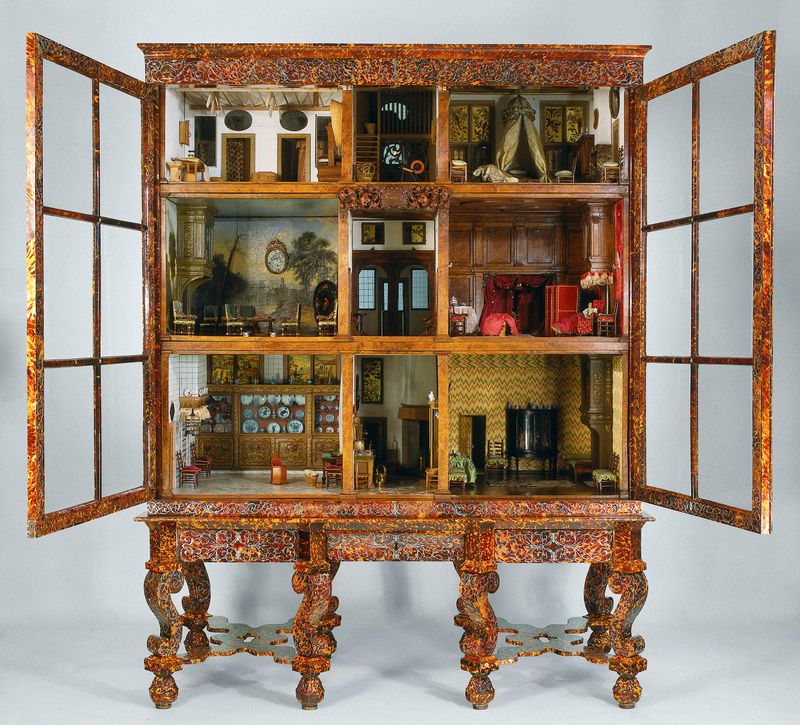
Dolls’ house of Petronella Oortman
Unknown Artist
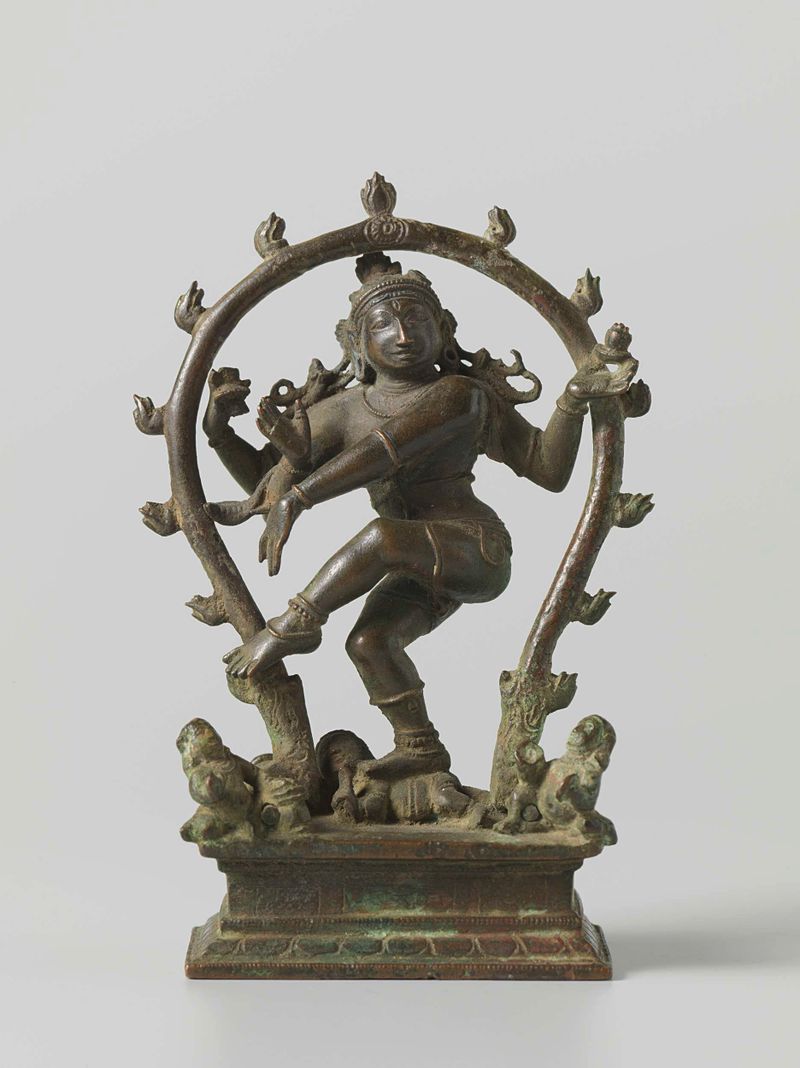
Shiva Nataraja
Unknown Artist

The Tale of Genji
Unknown Artist

The Tale of Genji
Unknown Artist

Cong
Unknown Artist
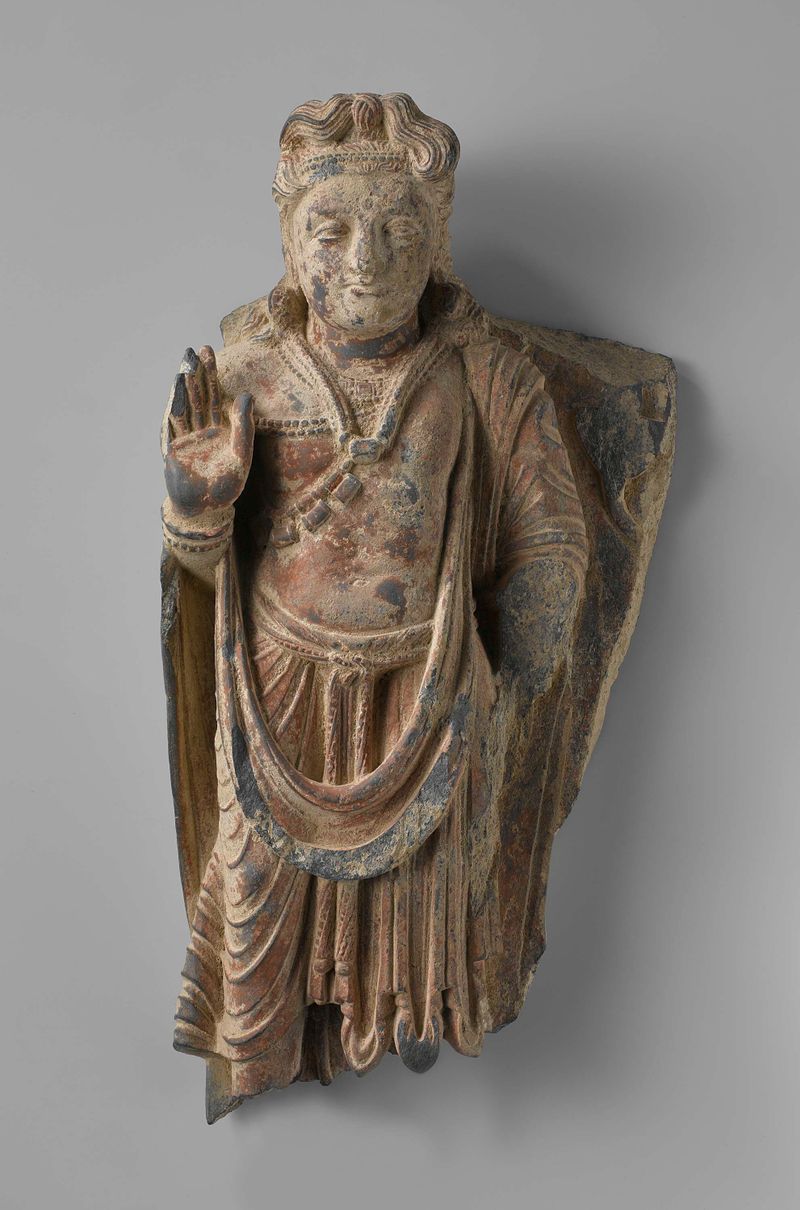
The bodhisattva Maitreya
Unknown Artist

Teabowl with a 'hare's fur' glaze
Unknown Artist