Twee zwanen — History & Facts
Could beauty survive in a century of chaos? In a time marked by upheaval and uncertainty, the gentle grace of two swans poised on a tranquil pond offers a striking reflection of solace and nostalgia. Look closely at the serene interplay of colors; the delicate whites of the swans contrast against the deep greens and murky blues of the water. Notice how the artist masterfully captures the ripples surrounding them, echoing the subtle movement of life. The light filters through the leaves overhead, casting dappled patterns that dance upon the surface, inviting the viewer to linger in this moment of stillness. Beyond their elegance, the two swans embody themes of loyalty and love, often regarded as symbols of enduring partnership.
Their mirrored image in the water suggests a kind of duality — the connection between the seen and unseen, the known and the unknown. The surrounding foliage, lush yet slightly chaotic, highlights the fragility of this tranquil scene, juxtaposing beauty with the inevitable turbulence of existence. Created between 1654 and 1712, this artwork emerges from a period of significant transition in art, marked by the Baroque's tension between realism and idealism. The artist, whose identity remains a mystery, likely navigated personal and societal shifts, drawing inspiration from nature's simplicity while reflecting the complex emotions of their time.
Amidst political strife and cultural transformation, this piece serves as a serene reminder of the enduring power of beauty amid chaos.
More Artworks by Unknown Artist
Browse all →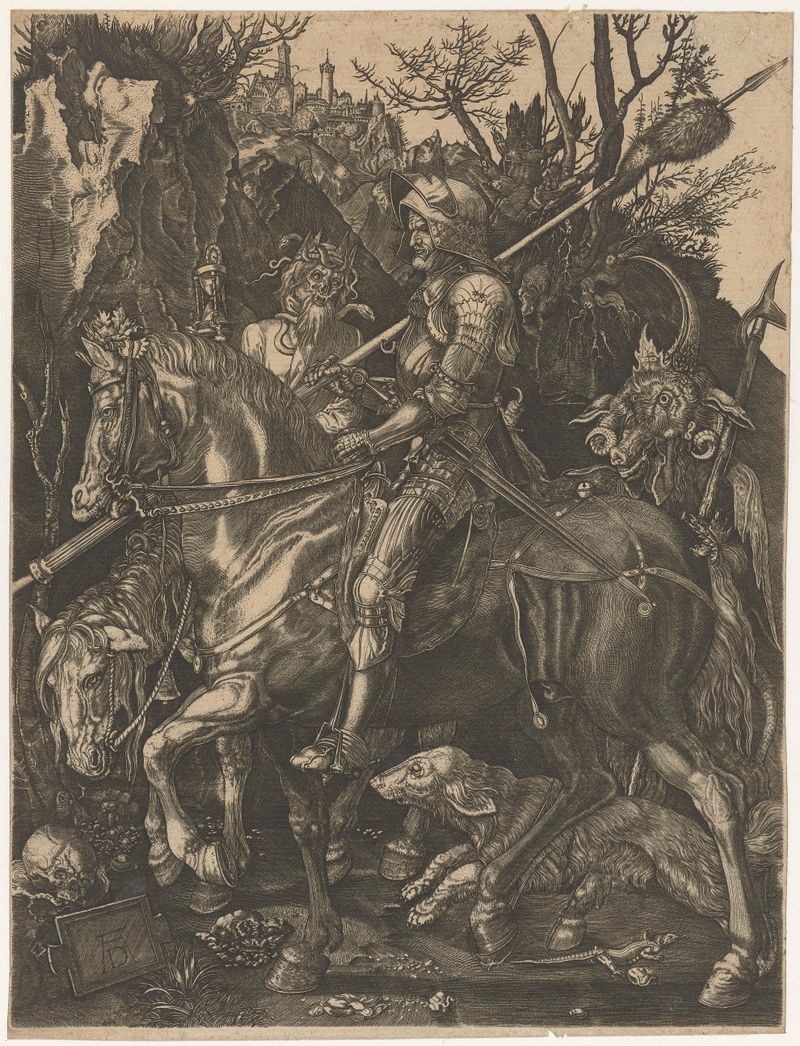
Ridder, Dood en Duivel
Unknown Artist
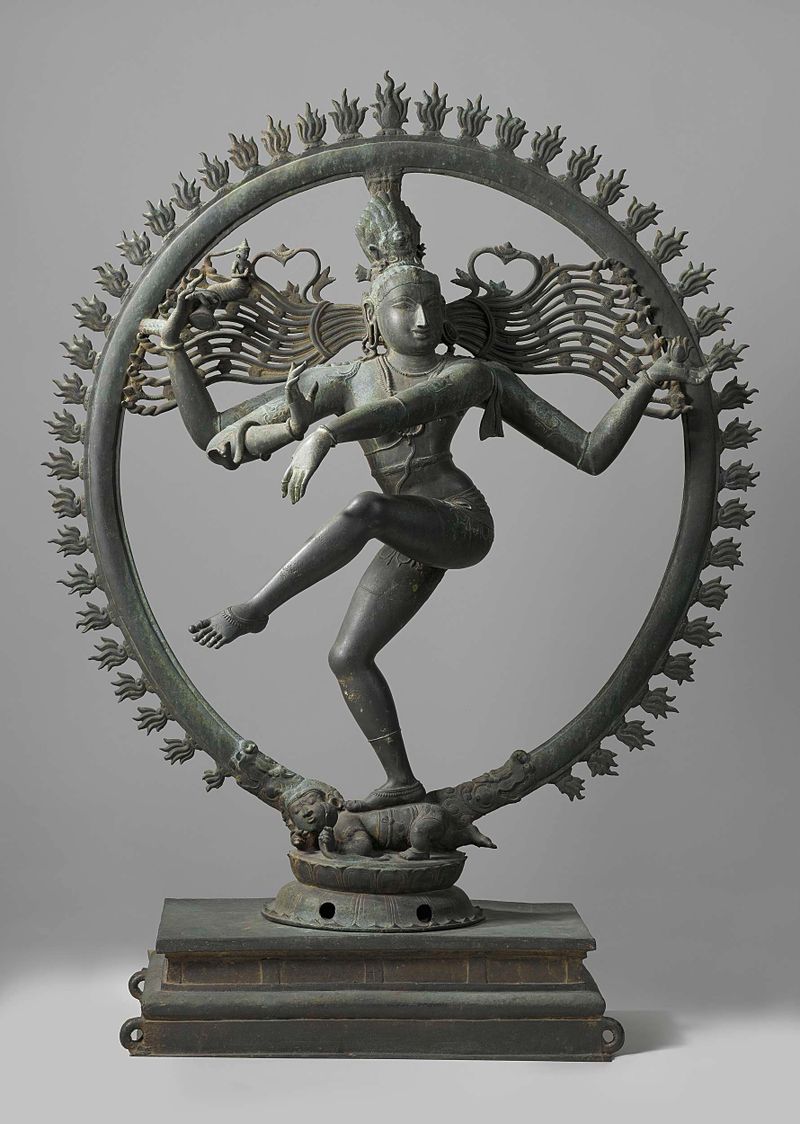
Shiva Nataraja
Unknown Artist
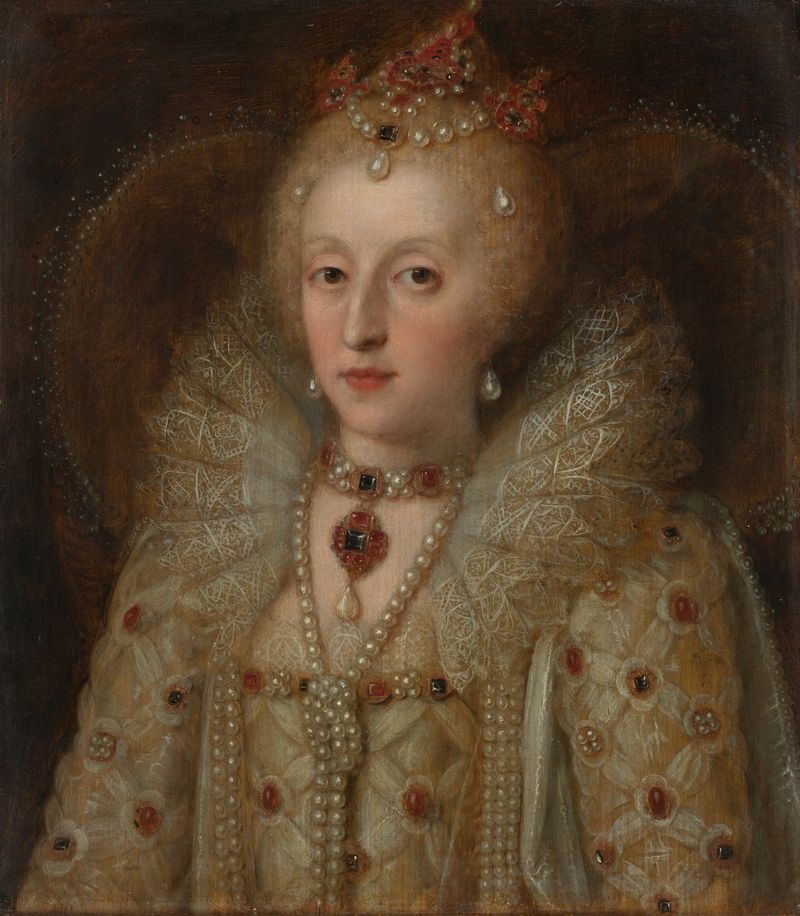
Portrait of Elizabeth I, Queen of England
Unknown Artist
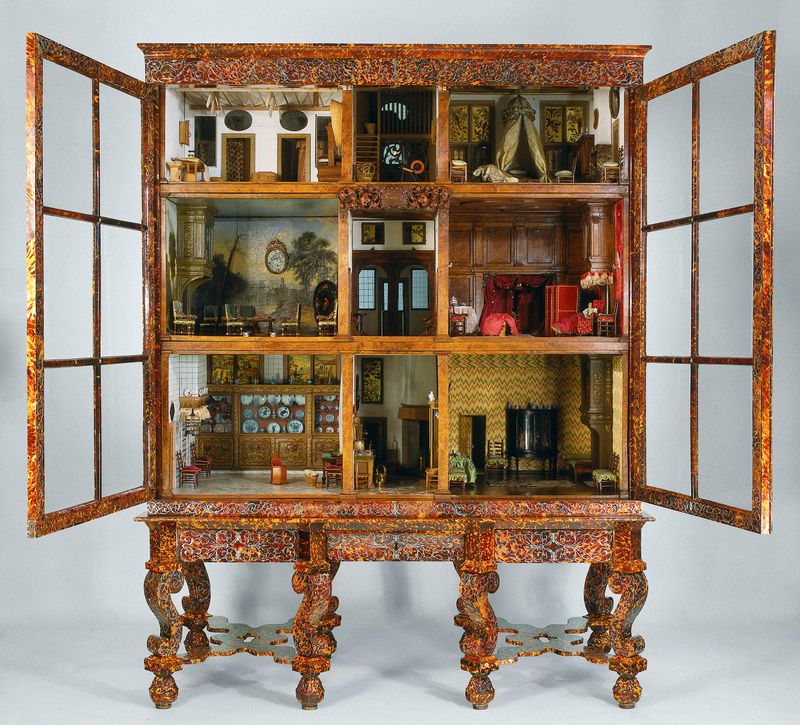
Dolls’ house of Petronella Oortman
Unknown Artist
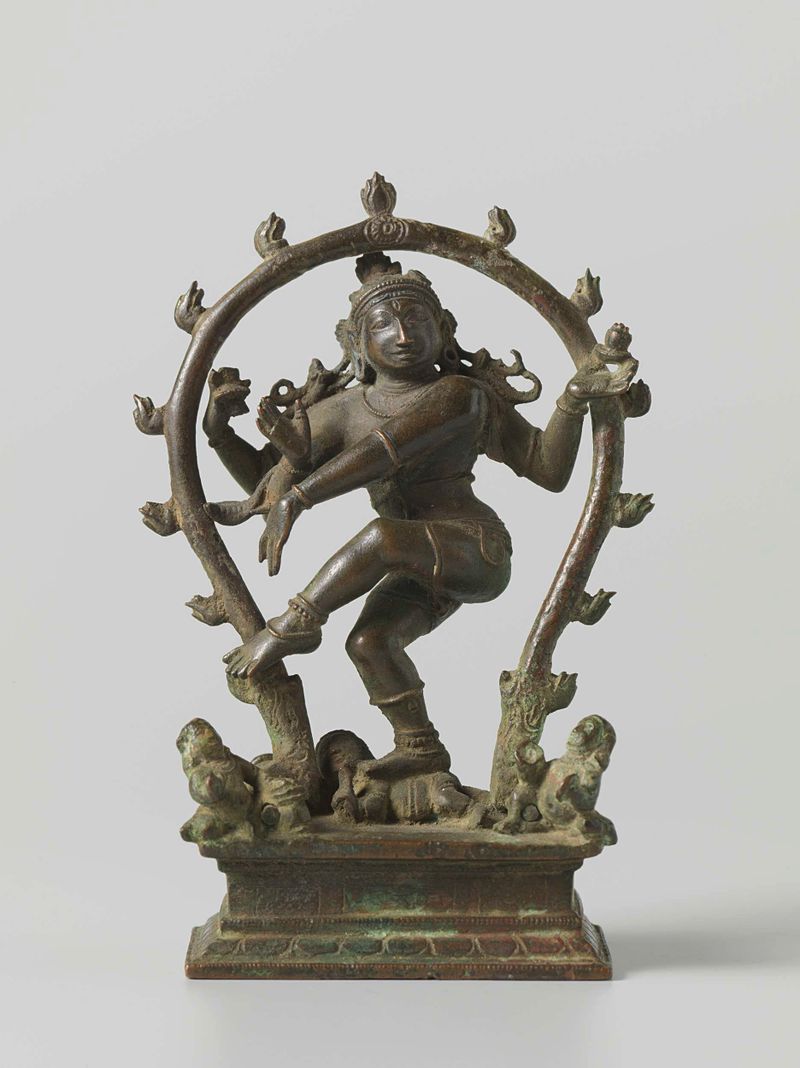
Shiva Nataraja
Unknown Artist

The Tale of Genji
Unknown Artist

The Tale of Genji
Unknown Artist
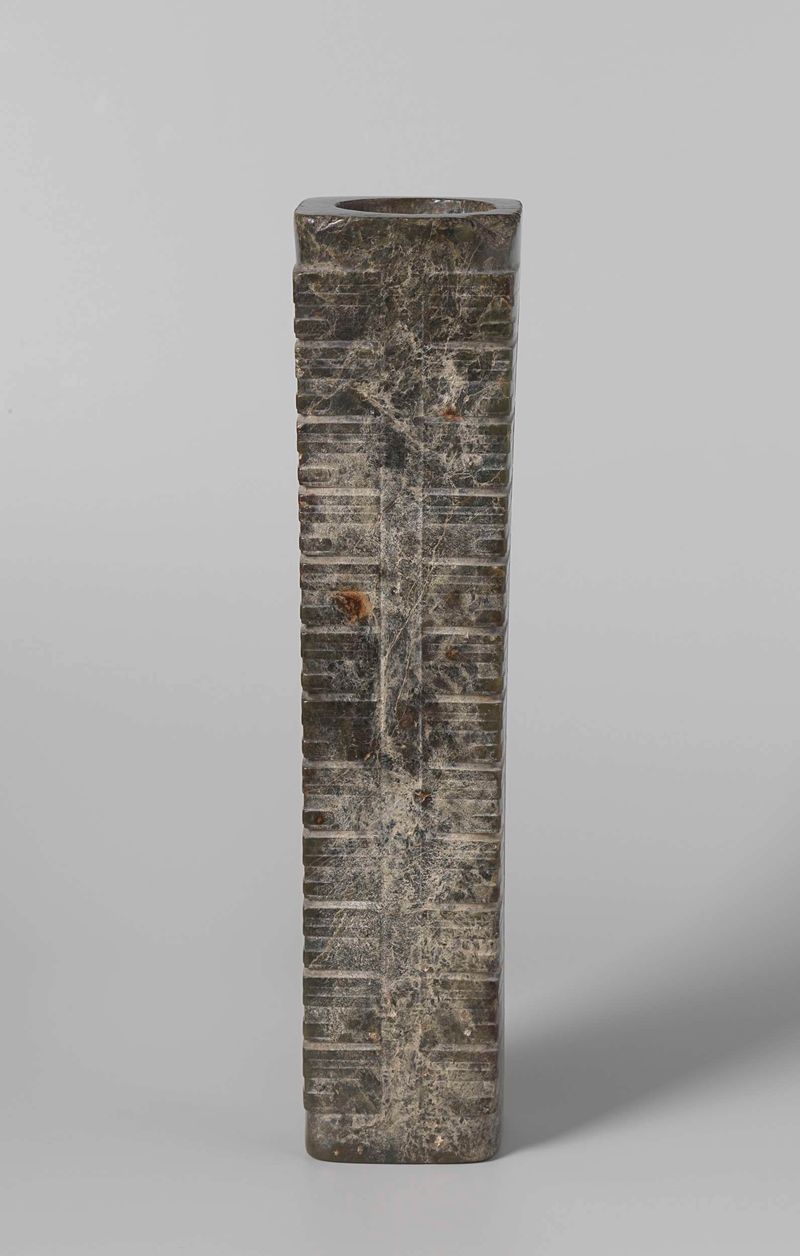
Cong
Unknown Artist
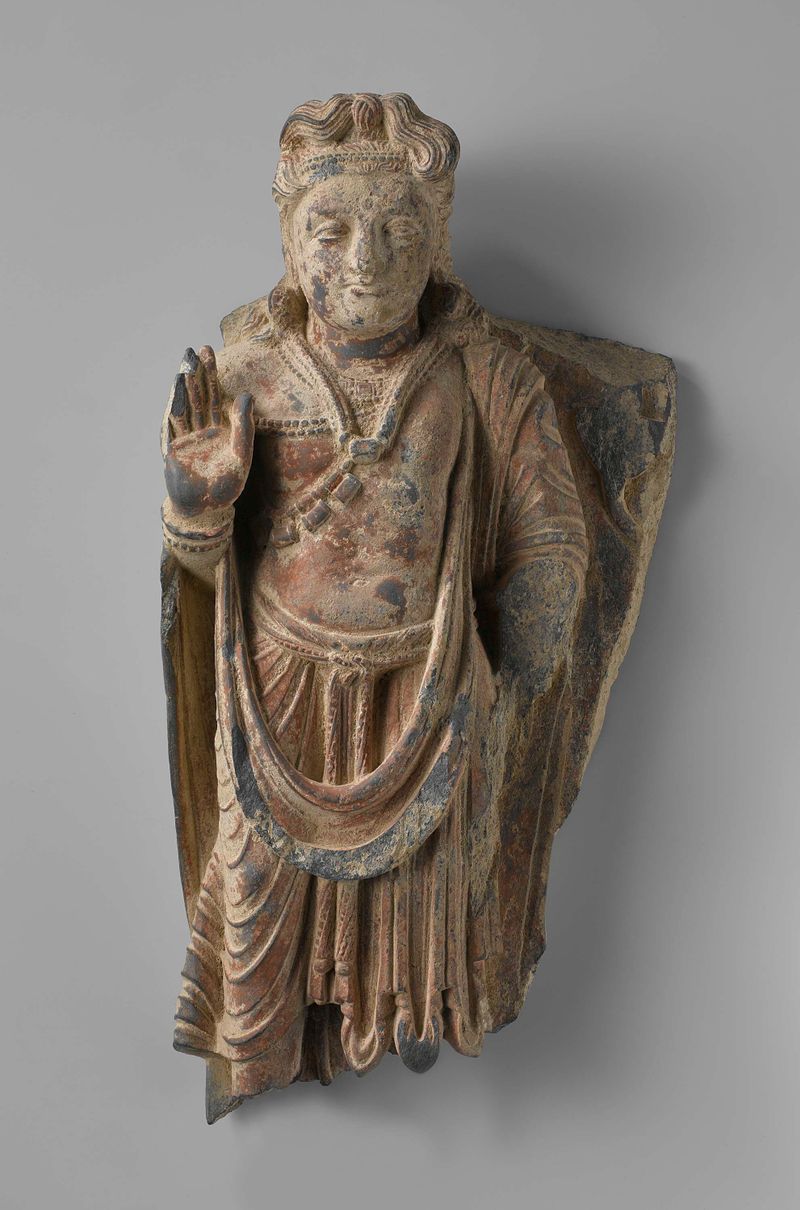
The bodhisattva Maitreya
Unknown Artist

Teabowl with a 'hare's fur' glaze
Unknown Artist