Two vases (rolwagens or sleeve vases) — History & Facts
In the stillness of the moment, serenity reigns supreme, whispering secrets of beauty and simplicity that reside within these two vases. Each vessel stands as a testament to the harmony of form and color, inviting contemplation of their delicate existence. Look closely at the vases, positioned gracefully, their curves echoing one another. Notice how the light dances across their surfaces, highlighting a rich palette of earthy tones that blend seamlessly into the background.
The artist's choice of muted colors enhances the sense of tranquility, while the subtle play of shadows adds depth, drawing the viewer’s eye towards the intricate detailing etched upon the vases. This composition speaks volumes through its minimalist approach, emphasizing the importance of each element within the frame. As you delve deeper, consider the contrast between the vessels and the empty space surrounding them. This emptiness speaks of potential and introspection, inviting the viewer to explore their own reflections.
The vases, though silent, seem to communicate an unspoken dialogue—a juxtaposition of stillness and vibrancy that captures the essence of domestic life in the 17th century. The absence of adornment suggests a rejection of ostentation, favoring instead a profound appreciation for the beauty in simplicity. Created between 1660 and 1685, this work is a product of a time marked by a renewed interest in still life during the Dutch Golden Age. The artist, though unknown, would have been part of a burgeoning movement that celebrated everyday objects, elevating them to a realm of significance.
Amidst the advancements in trade and the flourishing of artistic expression, this piece embodies the spirit of the era, reflecting a culture deeply attuned to the beauty found in the mundane.
More Artworks by Unknown Artist
Browse all →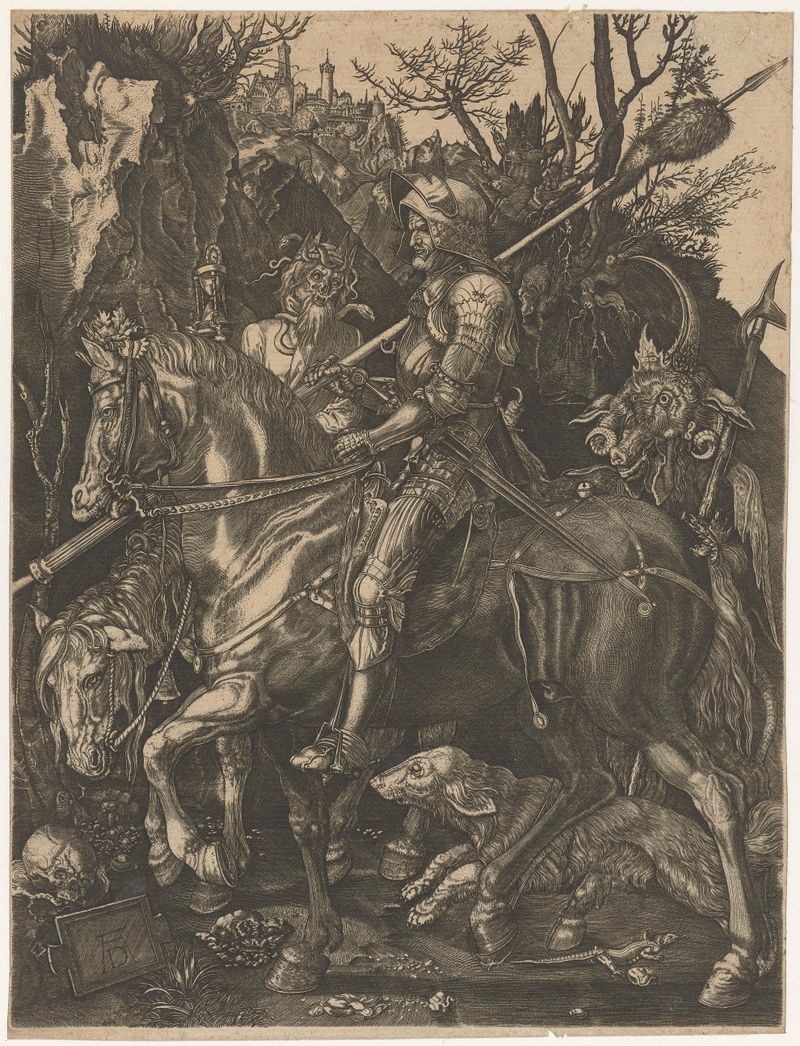
Ridder, Dood en Duivel
Unknown Artist
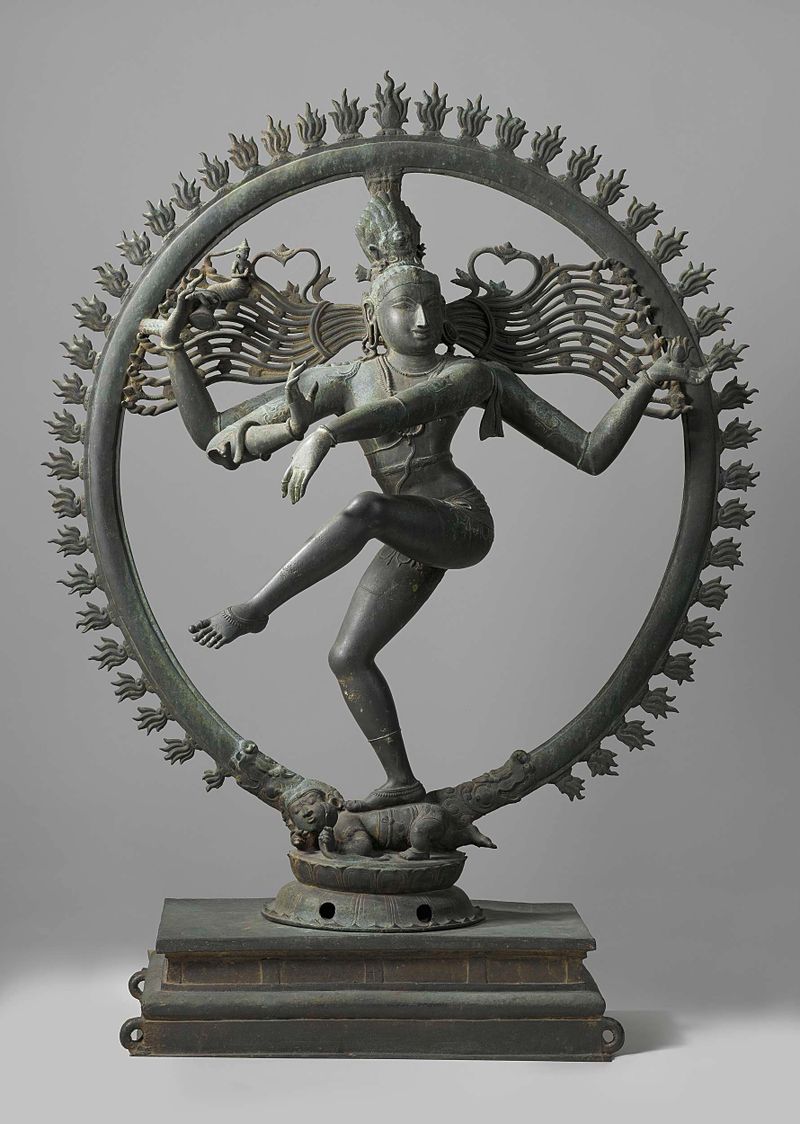
Shiva Nataraja
Unknown Artist
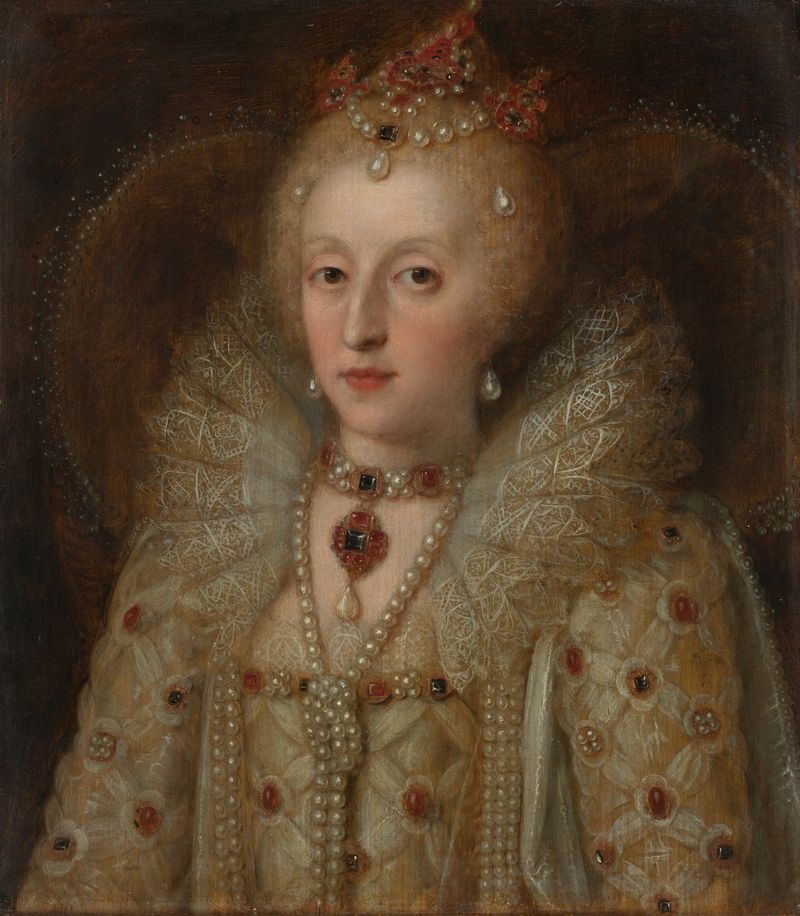
Portrait of Elizabeth I, Queen of England
Unknown Artist
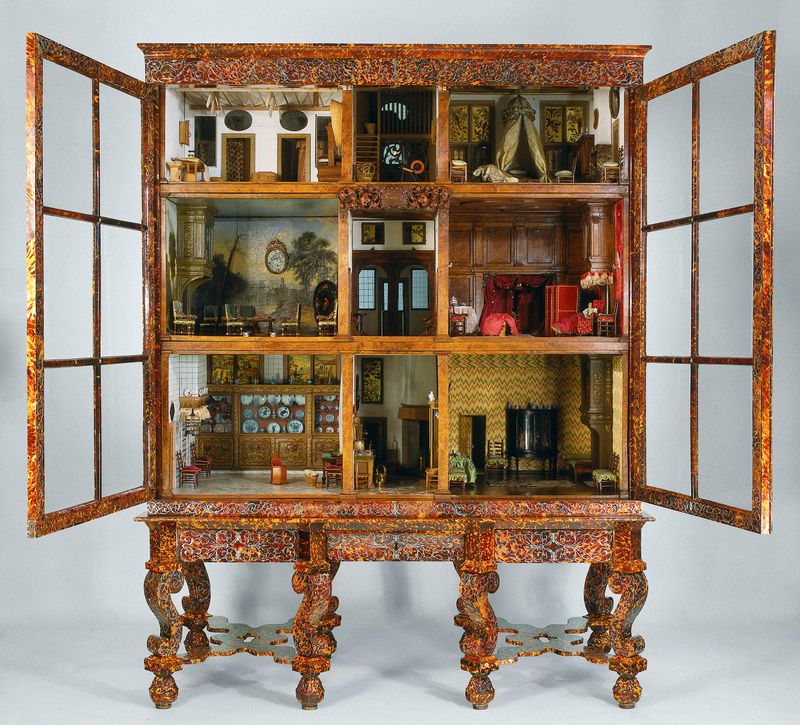
Dolls’ house of Petronella Oortman
Unknown Artist
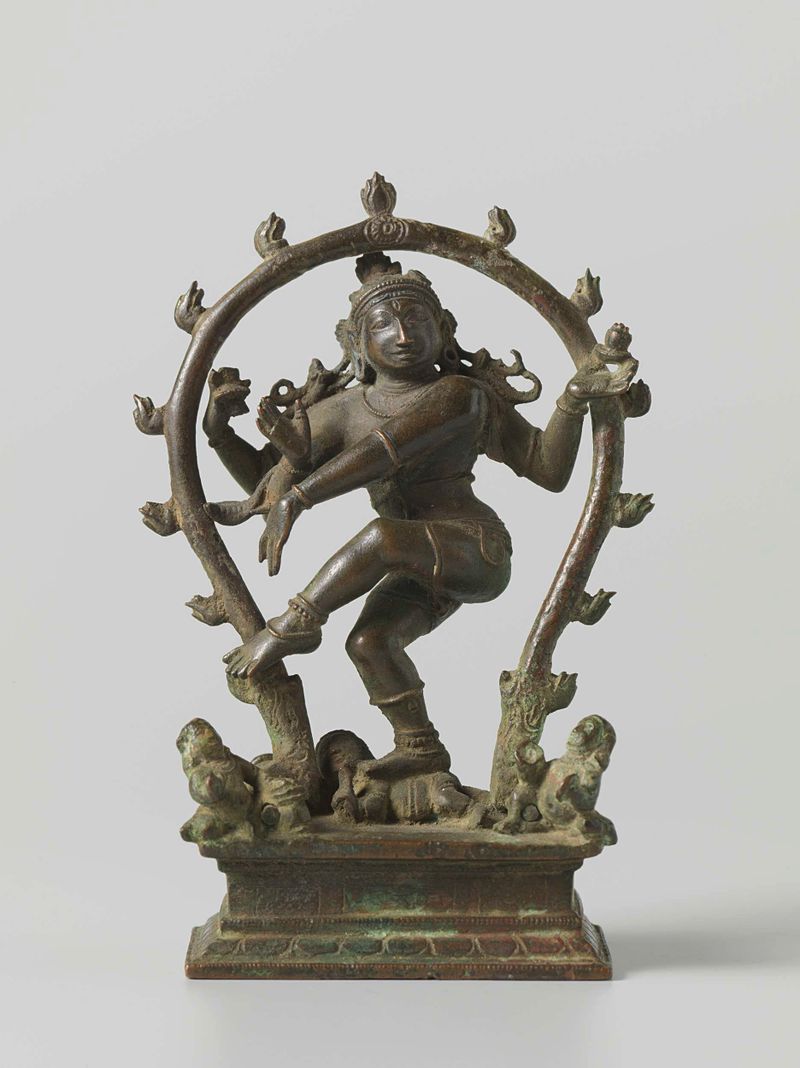
Shiva Nataraja
Unknown Artist

The Tale of Genji
Unknown Artist

The Tale of Genji
Unknown Artist

Cong
Unknown Artist
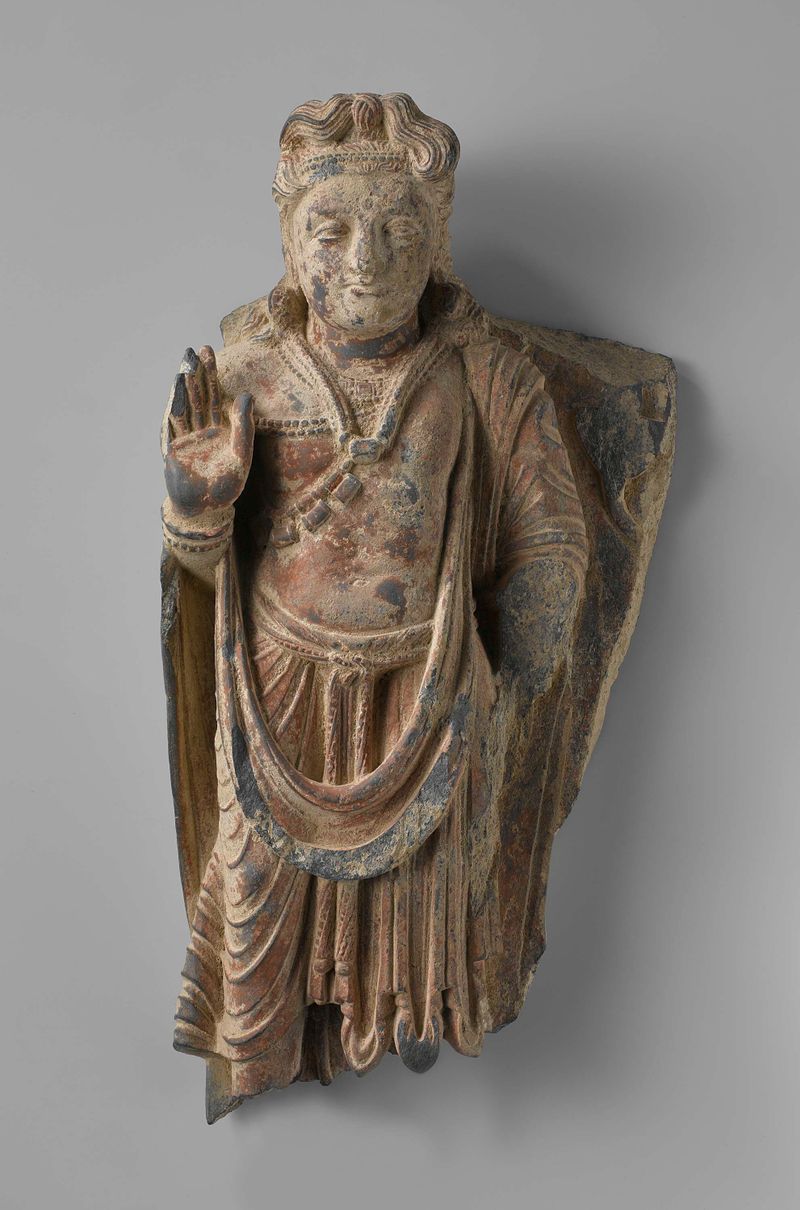
The bodhisattva Maitreya
Unknown Artist

Teabowl with a 'hare's fur' glaze
Unknown Artist