Ulica — History & Facts
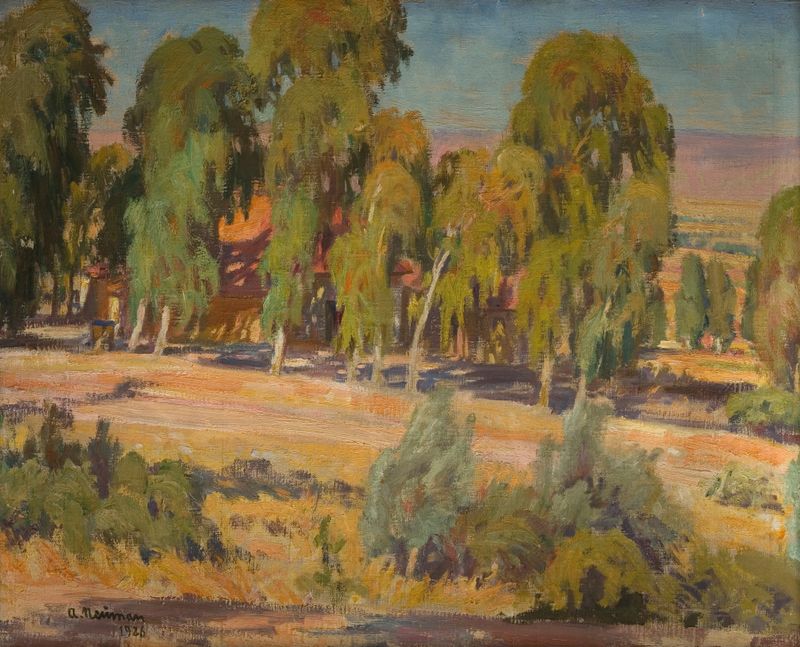
Could a single brushstroke hold eternity? In Ulica, the essence of betrayal lingers palpably, inviting viewers to explore the profound depths of human emotion found within the canvas. Look to the left at the stark shadows that stretch across the street, casting a veil over the seemingly inviting path. The muted palette—earthy browns and desaturated grays—creates a haunting atmosphere, while subtle splashes of color suggest remnants of life and vitality. Notice how the angular lines convey a sense of confinement, leading the eye toward an unseen horizon, hinting at both promise and peril.
Each stroke is deliberate, almost like a whisper, echoing the tension in the air and the weight of unspoken truths. This artwork encapsulates the dichotomy of hope and despair. The stark contrasts between light and dark not only illuminate physical spaces but also reflect emotional turmoil, evoking feelings of longing and abandonment. Subtle details, such as the crumbling facades of the buildings, symbolize the fragility of trust, while the empty street serves as a metaphor for isolation—a pathway where once there may have been connection.
These elements resonate with the viewer, allowing them to feel the heartache that accompanies betrayal. Abraham Neuman created Ulica during a time of personal reflection and artistic experimentation. Although the exact date remains uncertain, his work emerged in the mid-20th century, a period characterized by a post-war existential crisis in art. As artists grappled with the implications of conflict and human relationships, Neuman's exploration of emotional landscapes developed, ultimately leading him to craft this poignant representation of vulnerability and estrangement.