
Une Partie des Glacieres du Grindelwald — History & Facts
In the vast expanse of nature, where the soul whispers to the divine, one can find a moment of transcendent beauty frozen in time. The interplay between the earthly and the ethereal is revealed in this artwork, beckoning the viewer to ponder the sacred connection we share with the world around us. Focus first on the layers of texture and color that flow across the canvas, drawing your eye to the peaks of the glacier, which rise majestically against a soft, cerulean sky. Notice how the artist employs a delicate dance of light and shadow, enhancing every crevice and contour.
The cooler tones capture the chill of the ice, while warmer hues suggest the sun’s eternal embrace, creating a vibrant harmony that evokes the majesty and fragility of nature. Delve deeper, and you will uncover the emotional tensions that pulse within the scene. The jagged glaciers symbolize the power of nature, yet their bright, almost luminous quality hints at a divine presence, as if the mountains are guardians of untold secrets. The gentle curves of the foreground suggest the gentleness of life amidst the harshness, urging us to reflect on our own existence in the face of nature's grandeur. During the period when this piece was created, Johann Ludwig Aberli was exploring the sublime beauty of the Swiss landscape through a technique that merged accuracy with romanticism.
The absence of a specific date reflects a time when artists were deeply influenced by the Enlightenment, seeking to capture the interplay of human emotion and nature's divinity, a pursuit that resonates in his evocative portrayal of the Grindelwald glaciers.
More Artworks by Johann Ludwig Aberli
Browse all →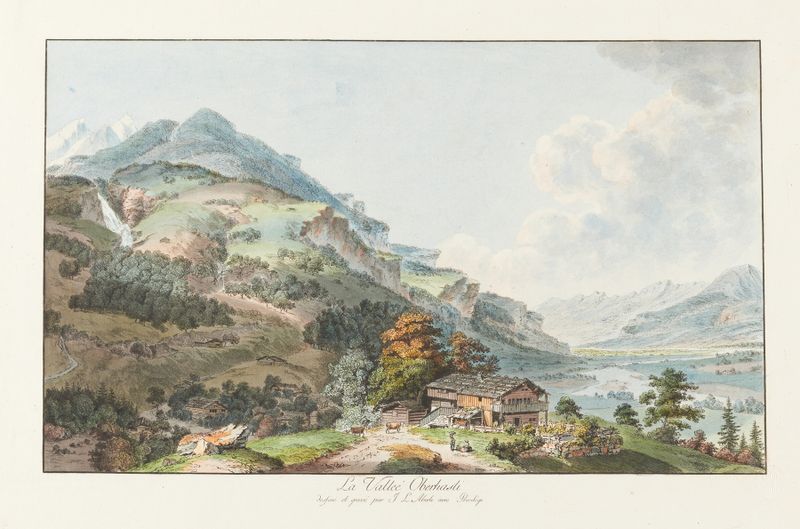
La Vallée Oberhasli
Johann Ludwig Aberli
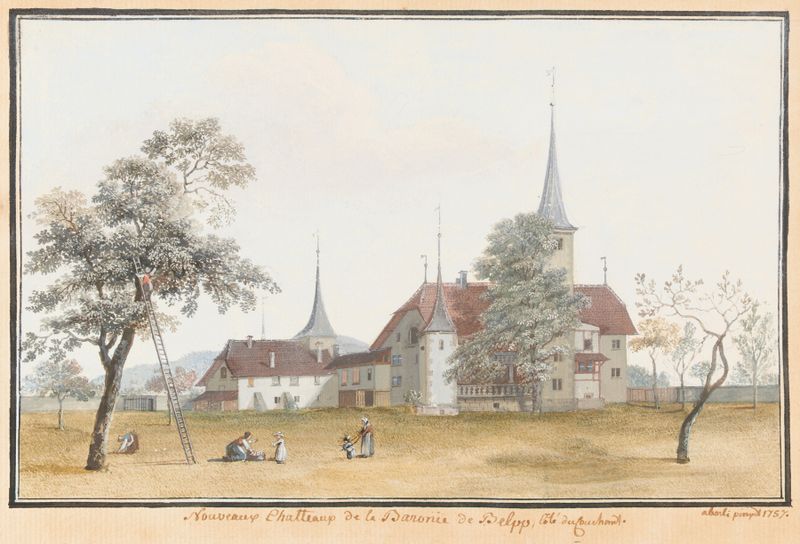
Nouveaux Chatteaux de la Baronie de Belpp; Côté du Couchant
Johann Ludwig Aberli
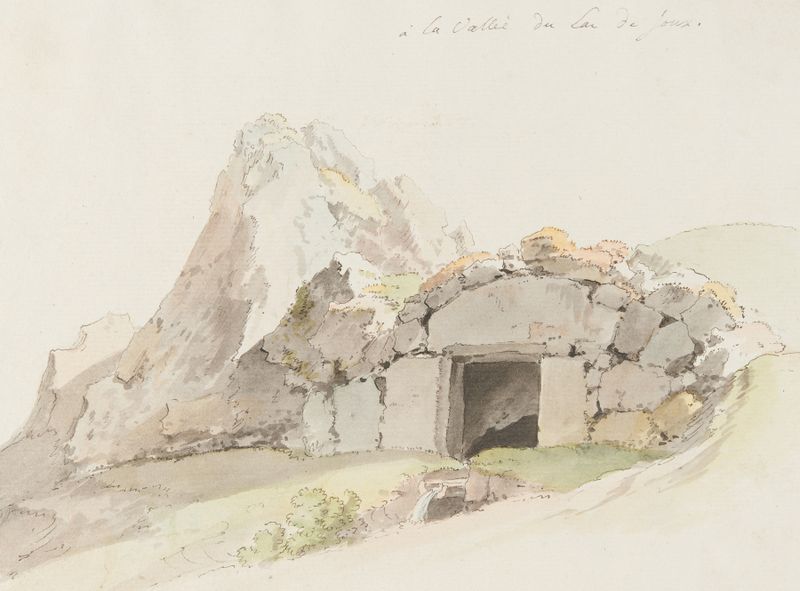
à la Vallèe du Lac de Joux
Johann Ludwig Aberli
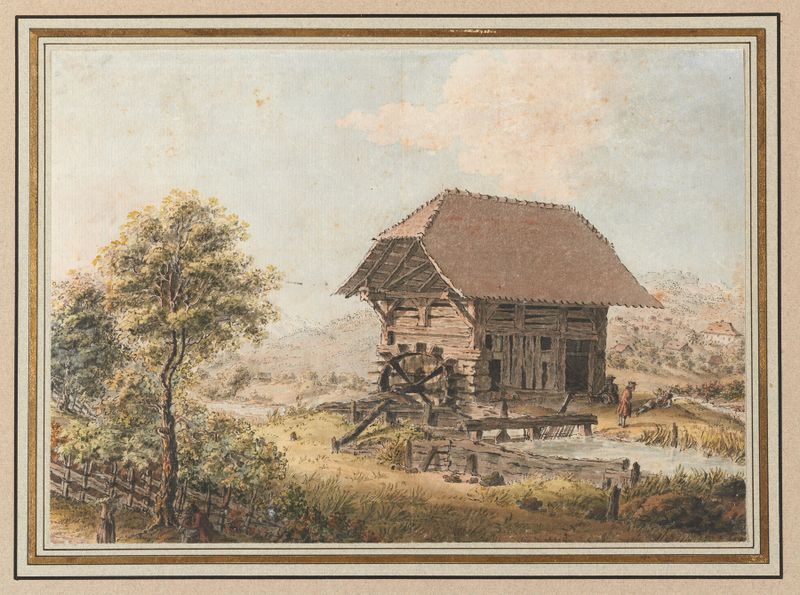
Ansicht einer Mühle im Berner Mittelland
Johann Ludwig Aberli
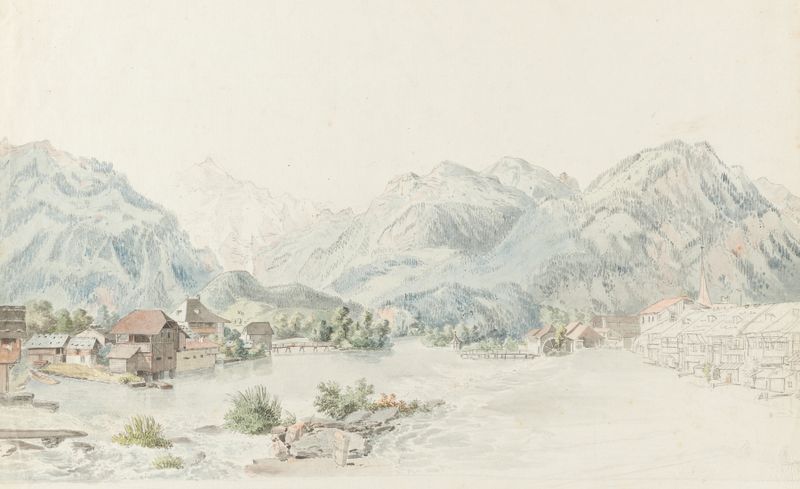
Ansicht von Unterseen
Johann Ludwig Aberli
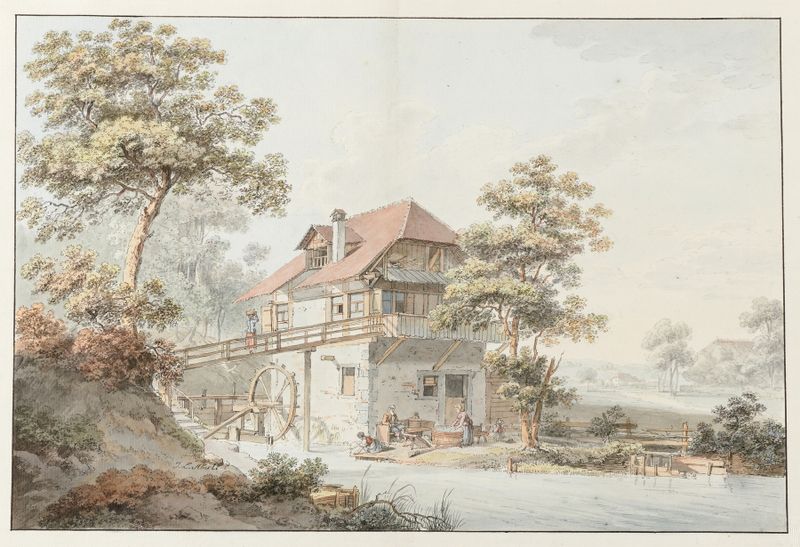
Ansicht einer Mühle im Berner Mittelland.
Johann Ludwig Aberli
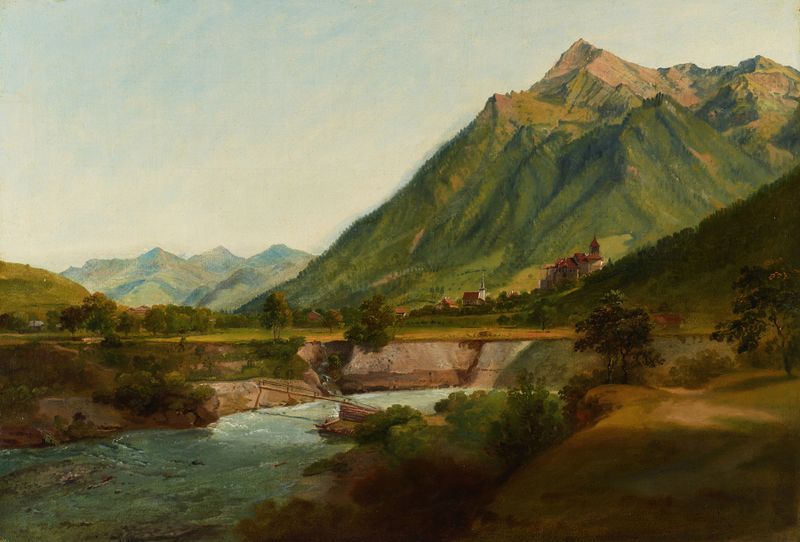
Vue du Château de Wimmis et des environs
Johann Ludwig Aberli
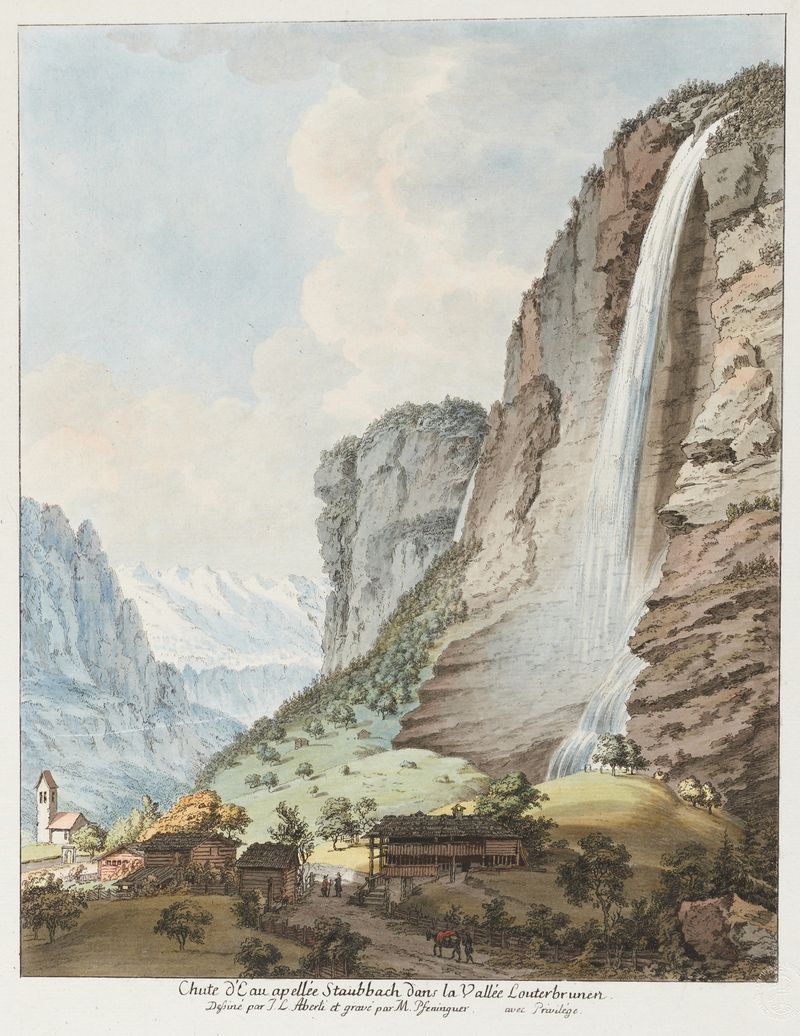
Chute d’Eau apellée Staubbach dans la Vallée Louterbrunnen
Johann Ludwig Aberli
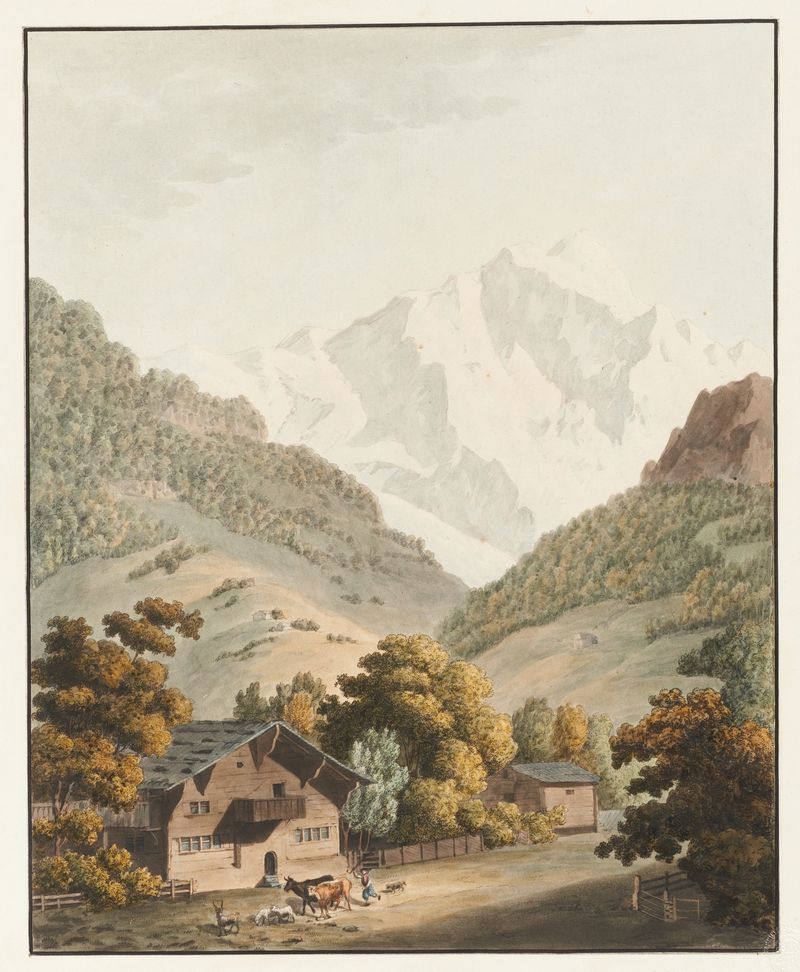
Vue du Jungfrau-Horn
Johann Ludwig Aberli
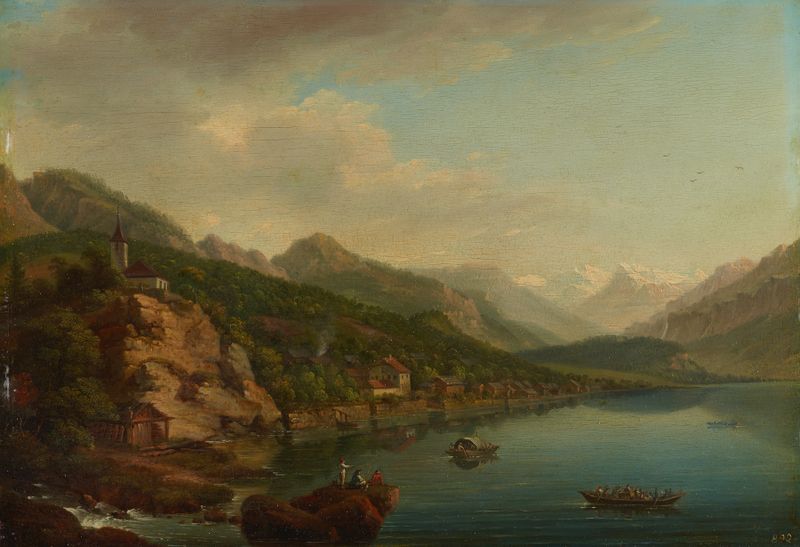
Vue du Village et du Lac de Brientz
Johann Ludwig Aberli





