Unter den Linden — History & Facts
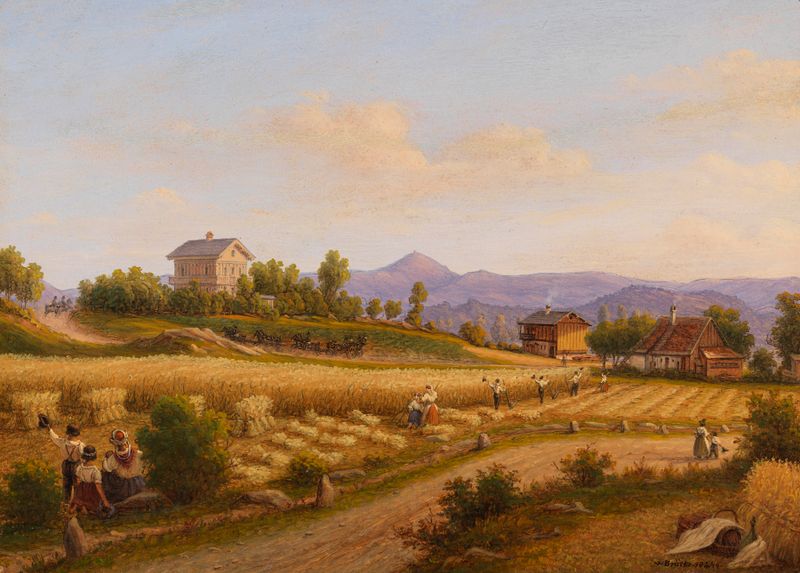
In a world where whispers of the past mingle with the present, reflections become poignant reminders of what once was and what remains unsaid. The interplay of light and shadow invites us to delve deeper into our own experiences and the truths we often leave unspoken. Focus on the serene figures that dominate the canvas, their postures both relaxed and contemplative. Notice how the gentle light filters through the trees overhead, dappling the scene and drawing your eyes toward the soft, muted colors of the surroundings.
The artist’s brushwork captures the delicate balance of clarity and blur, giving life to the silent narratives unfolding among the lush greens and rich browns of an idyllic Berlin street. In the subtle expressions of the figures, one can sense a gathering of emotions—longing, nostalgia, perhaps even regret. The viewer may detect contrasts between the vibrancy of nature and the stillness of human connection, suggesting a fleeting moment of reflection amidst the bustle of life. Each element resonates with the weight of experience, urging us to consider the depth beneath surface appearances. Wilhelm Brücke painted Unter den Linden in 1838 during a period when Romanticism was influencing artists across Europe.
Living in Berlin, he engaged with the changing dynamics of society, balancing personal introspection with broader cultural shifts. This piece emerged as part of a body of work that sought to bridge emotional expression with the beauty of the everyday, reflecting a time of introspection amidst the march of progress.