View of Rome in the Evening Light — History & Facts
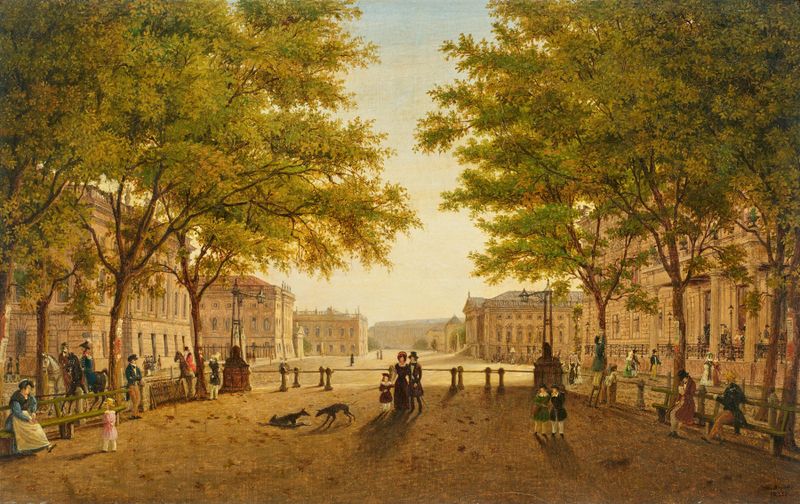
What if beauty was never meant to be finished? In the twilight glow, the city unfolds like a whispered promise, where each shadow tells a story of time and destiny. Look to the horizon as the sun dips behind the ancient ruins, casting an ethereal gold over the domes and spires of Rome. The brushstrokes are alive with motion, reflecting the transient beauty of the evening light. Notice how the soft hues of lavender and amber blend seamlessly, enveloping the scene in a delicate embrace.
The composition draws the eye upward, into the depth of the sky, where the last remnants of daylight merge with emerging stars, creating a harmonious dance between earth and cosmos. Beneath this serene surface lies a tension between light and shadow. The light signifies hope and potential, while the encroaching darkness suggests the inevitable passage of time. Each architectural feature—whether a crumbling column or a soaring arch—speaks to the weight of history and the relentless march of destiny.
This duality invites viewers to contemplate not just the beauty of the moment, but the stories woven within the fabric of the city. Wilhelm Brücke painted this captivating work in 1834, at a time when Europe was undergoing profound social and artistic changes. Living in a period marked by Romanticism, he sought to express the sublime in nature and architecture, reflecting both personal emotion and the collective experience of an evolving world. In this artwork, Brücke captures not only a city but a fleeting moment that resonates through time, reminding us of beauty’s ephemeral nature.