
Unter den Linden (Abendlandschaft) — History & Facts
In the stillness of twilight, a landscape unveils itself, inviting contemplation and reflection on the fleeting nature of beauty. Look to the left of the canvas, where the darkening sky melds seamlessly with the distant horizon, painted in hues of deep indigo and soft purple. Notice how the light fades gently behind the silhouetted trees, their branches reaching out like fingers grasping for the last remnants of day. The masterful brushstrokes evoke a sense of movement, while the delicate interplay of shadow and light creates a tranquil yet dynamic atmosphere that envelops the viewer. As you explore the scene, uncover the latent tension between light and dark.
The luminous reflections in the water suggest a realm of possibilities, mirroring not only the physical landscape but also the inner landscape of the soul. The juxtaposition of the serene water and the encroaching shadows hints at the balance between hope and uncertainty, awakening emotions that resonate deeply with the passage of time and the weight of memories. Created in 1858, this work emerged during Anton Hansch's period in Berlin, a time rife with artistic evolution and shifts in perception. Influenced by Romanticism, the artist sought to capture the essence of nature and human experience, reflecting the complexities of life and emotion.
Amidst a backdrop of societal change, Unter den Linden (Abendlandschaft) stands as a testament to the enduring beauty found within both chaos and harmony.
More Artworks by Anton Hansch
Browse all →
Eiger Mönch Jungfrau
Anton Hansch

Partie vom Hintersee mit Mühlsturzhorn (Bayern)
Anton Hansch

Blick Auf Den Gardasee (Lake Garda)
Anton Hansch

A Mountain Landscape With A Smithy
Anton Hansch

A Mountain Torrent
Anton Hansch
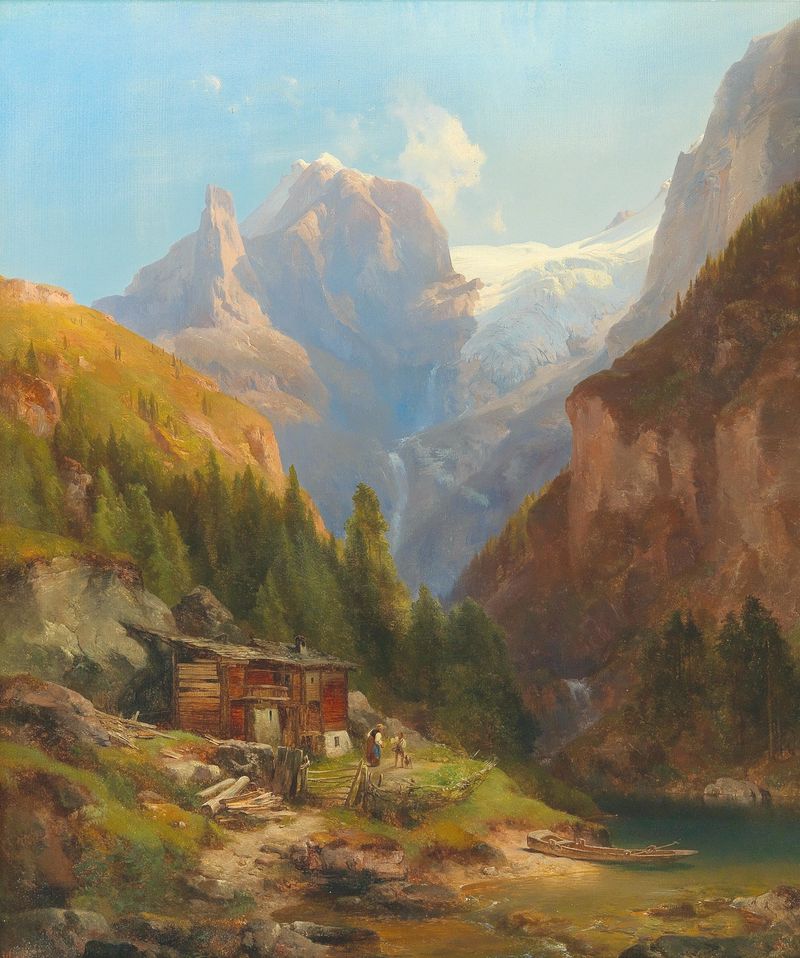
Blick Auf Den Goldeck Kees
Anton Hansch

Der Großglockner
Anton Hansch

A View of the Gurgler Eissee in the Ötztal Alps, Tyrol
Anton Hansch
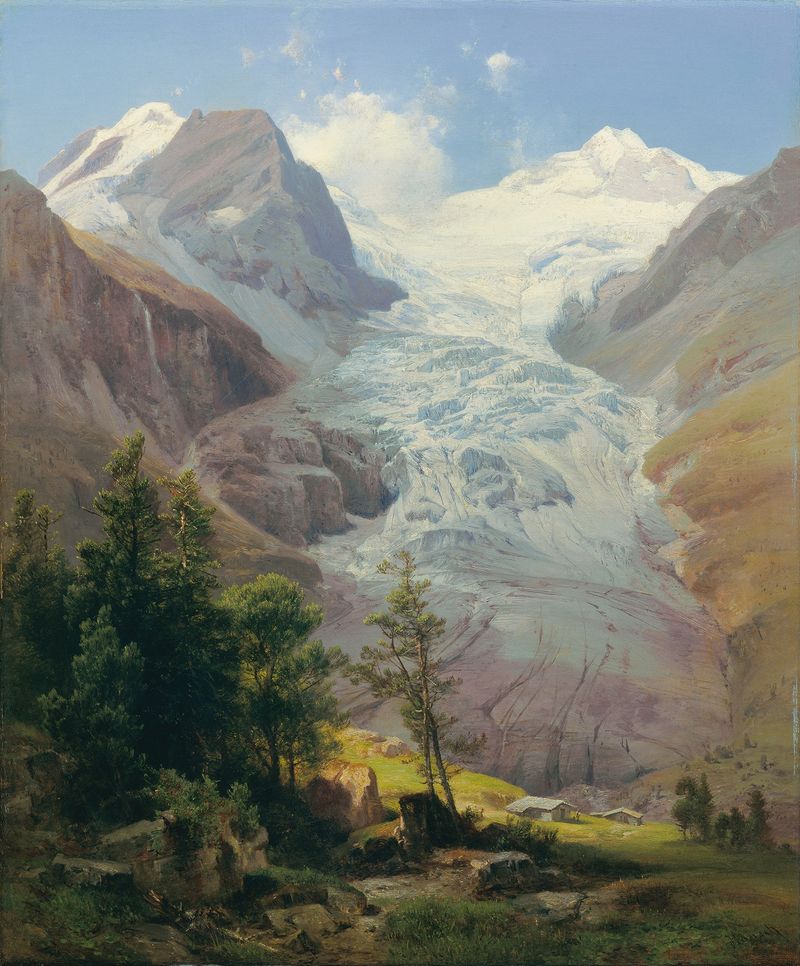
Der Palügletscher
Anton Hansch
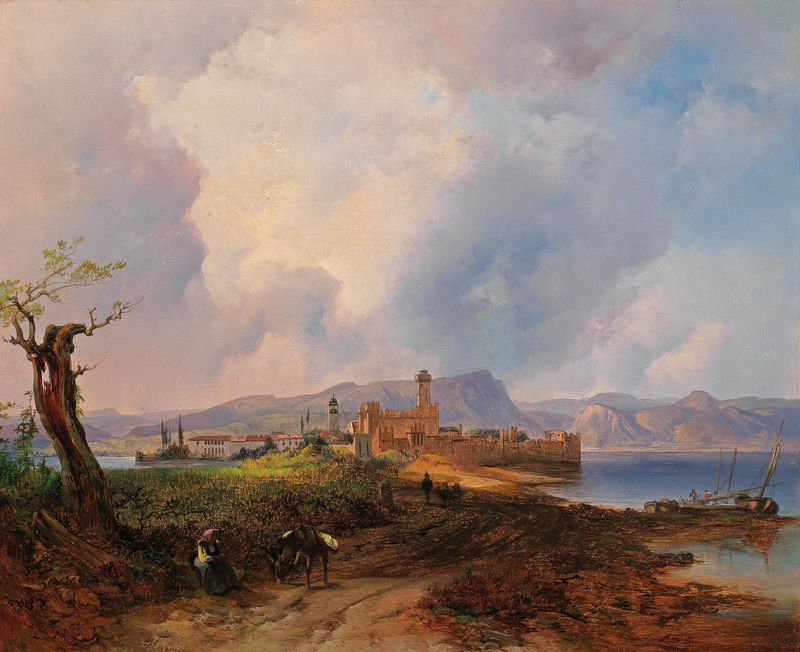
Sirmione
Anton Hansch





