
Untitled (Pastoral Scene) — History & Facts
In the quiet solitude of nature, a profound sense of loneliness envelops the viewer, inviting them to ponder what lies beyond the canvas’s edges. Look to the center of the composition where the rolling hills stretch gently towards the horizon, bathed in hues of green and gold. Notice how the light filters through the trees, casting shadows that dance with the windswept grass below. The subtle blending of colors creates a harmonious yet melancholic atmosphere, suggesting both beauty and the passage of time.
The absence of figures amplifies an eerie stillness, allowing the landscape itself to become the protagonist of the painting. In this pastoral scene, the interplay between light and shadow evokes a sense of longing and introspection. The viewer might feel the weight of isolation as they contemplate the vastness surrounding the untouched fields. Hidden within the rich tapestry of nature is a reminder of life's transience, with each stroke of the brush echoing a silent narrative of what once was or might have been. In 1867, the artist captured this moment during a transformative period in American art, where the idealization of nature began to merge with personal emotional expression.
Working in the Hudson River School tradition, he was influenced by the changing perceptions of landscape painting, seeking to convey not just the beauty of the world but the complex feelings it incites. This work emerges from an era of introspection, where nature offered solace in a rapidly modernizing society.
More Artworks by David Johnson
Browse all →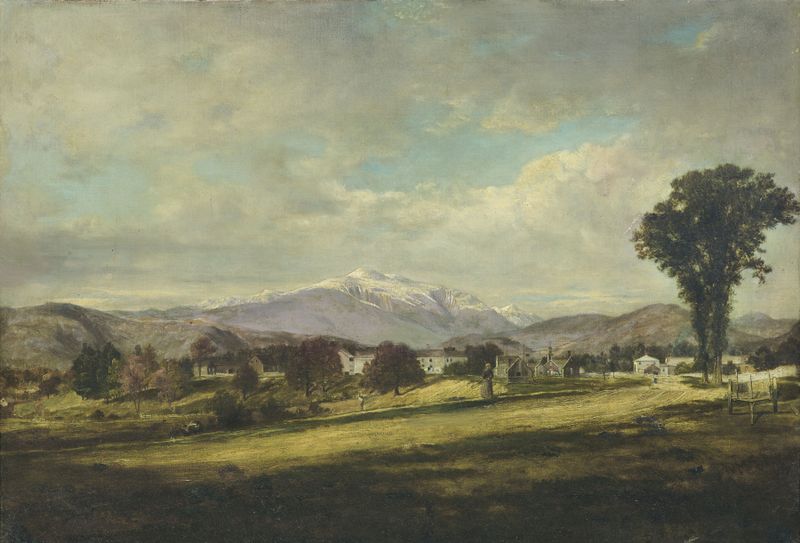
White Mountains from North Conway, New Hampshire
David Johnson
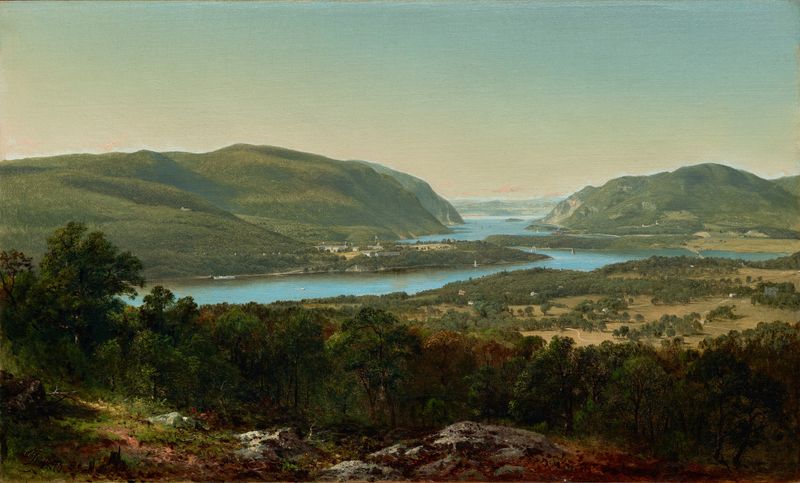
View from Garrison, West Point, New York
David Johnson
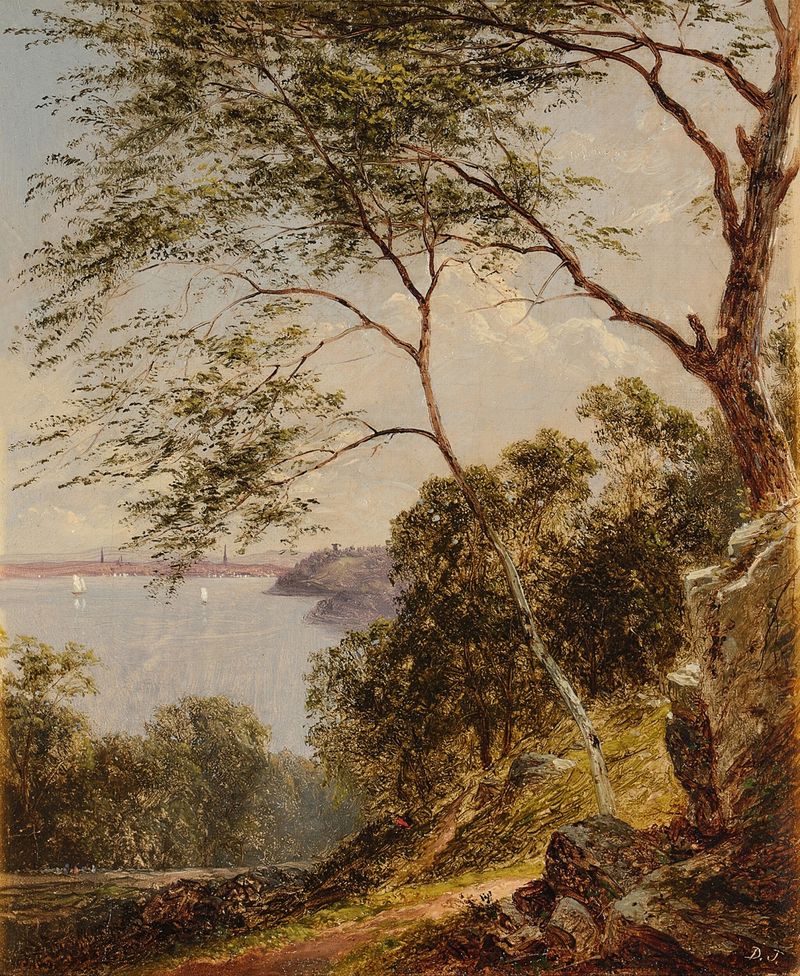
From Union Hill, Hoboken
David Johnson
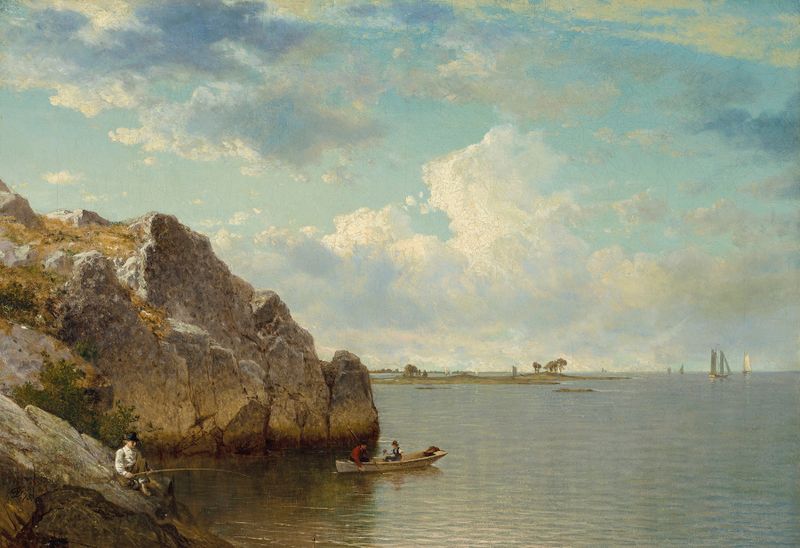
Near Noroton, Connecticut
David Johnson
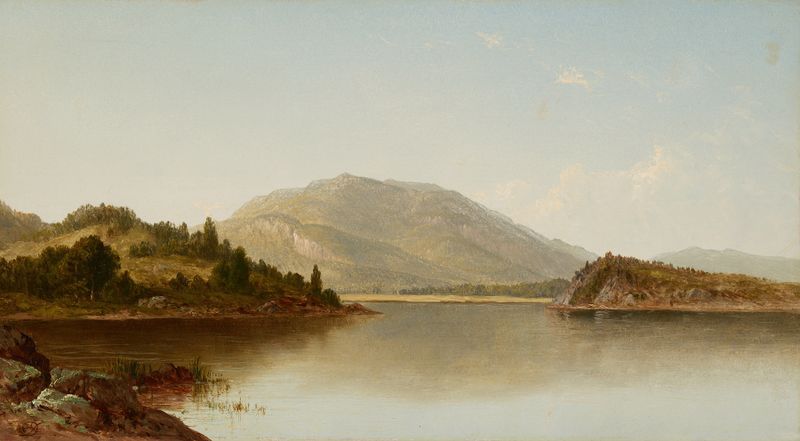
Bear Mountain and Iona Island on the Hudson River
David Johnson
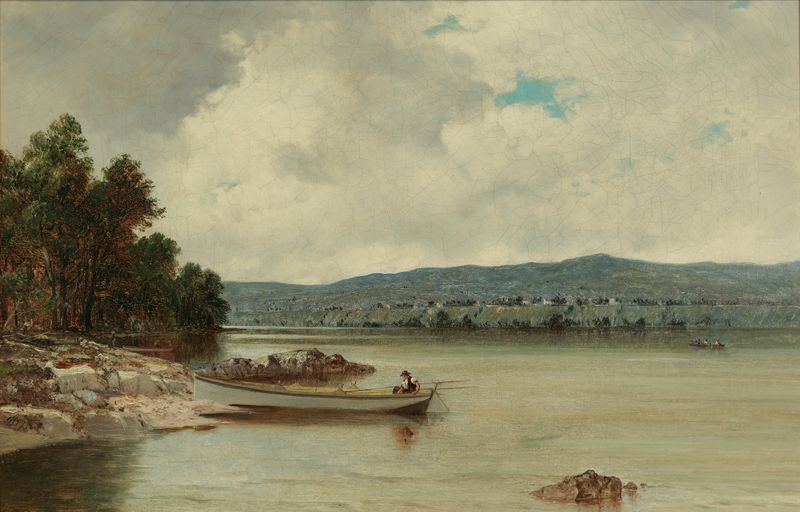
Landing The Dory
David Johnson
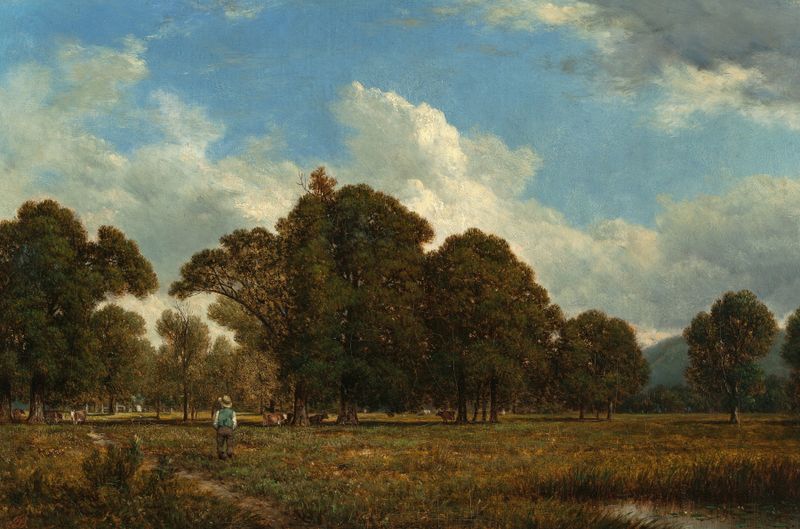
A Farm on the Genesee River
David Johnson
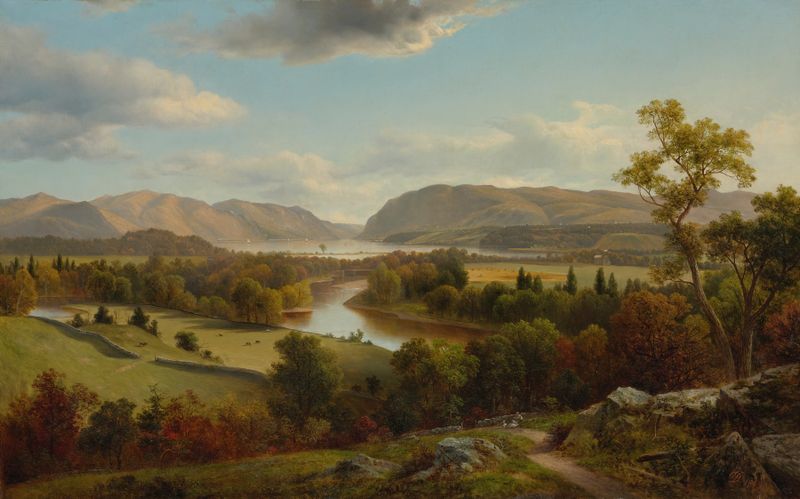
View From New Windsor, Hudson River
David Johnson
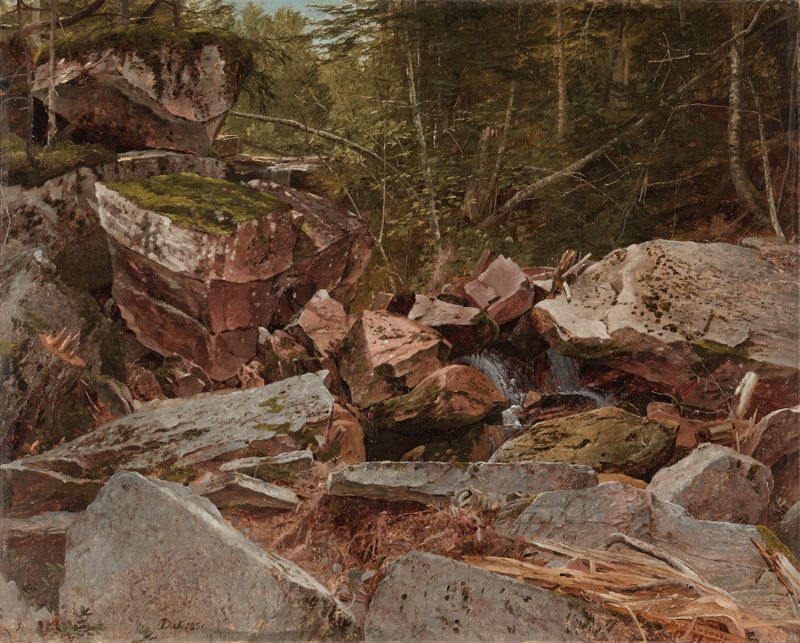
Study, North Conway, New Hampshire
David Johnson
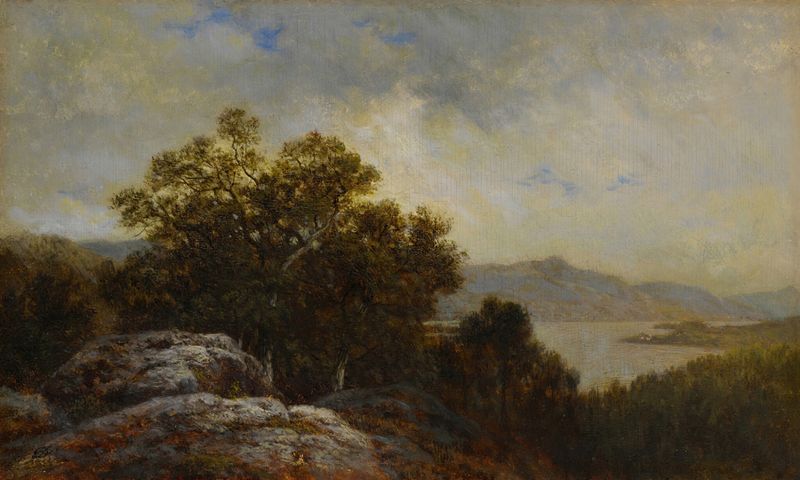
Near Hague, Lake George
David Johnson





