Upnor Lodge — History & Facts
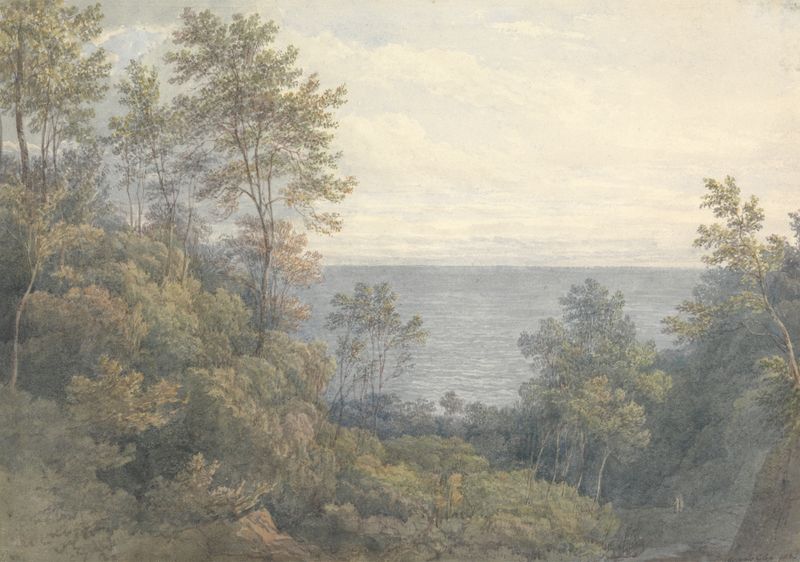
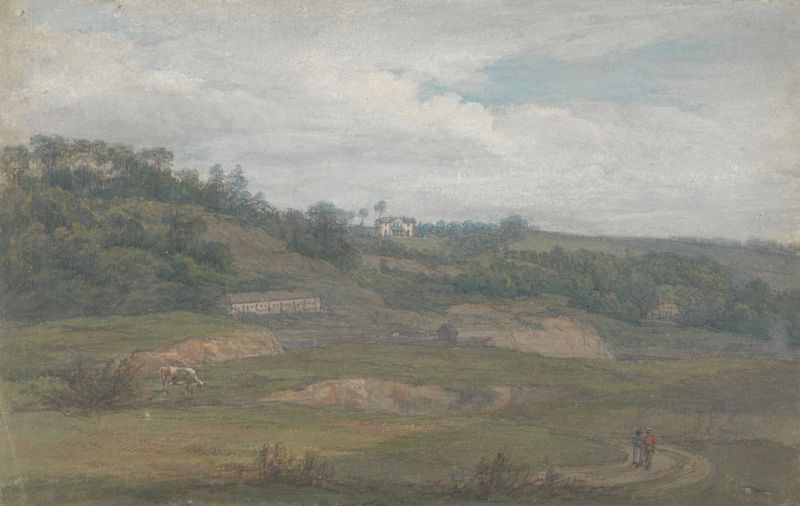
Who listens when art speaks of silence? In Upnor Lodge, the stillness invites contemplation, a quiet balance crafted between nature and human presence. Focus on the serene landscape that unfolds before you, where gentle greens and soft earthy tones blend seamlessly. Notice how the delicate brushwork captures the wisps of clouds overhead, their reflection shimmering in the water below, as if the sky and earth engage in a silent conversation. The rustic lodge stands stoically to the left, its warm hues echoing the loyal embrace of the surrounding trees, which frame the scene with an almost protective grace. Hidden beneath this tranquil surface are subtle tensions — the interplay of light and shade, the juxtaposition of the structured lodge against the wildness of nature.
Each element participates in a dialogue of balance; the solidity of the building contrasts with the fluidity of the landscape. This harmony suggests a deeper relationship between humanity and the natural world, urging the viewer to ponder their own position within this delicate equilibrium. In 1820, Mary Smirke painted Upnor Lodge during a period where Romanticism was redefining art’s relationship with nature. Living at a time when industrialization began to encroach upon the English countryside, she sought to capture a moment of serene beauty that might be lost amidst the advancing change.
Her work reflects both a personal response to the environment and the broader artistic shift toward celebrating the sublime in nature.