View from Fairlight near Hastings — History & Facts
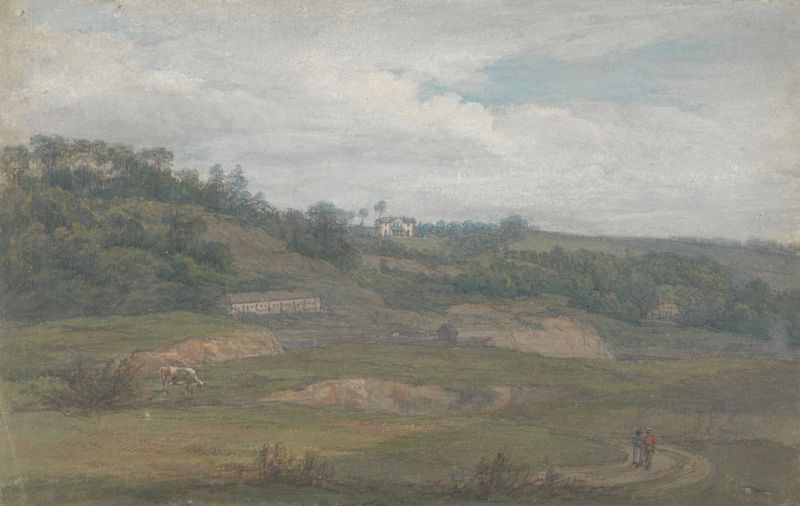
Did the painter know this moment would outlive them? A fleeting glimpse of desire captured in the serene landscape, where nature’s beauty transcends the confines of time and existence. Look to the horizon, where gentle hills roll into the distance, painted in soft greens and blues that invite tranquility. Notice how the light filters through the clouds, casting a golden hue upon the water, breathing life into the scene. The brushstrokes are delicate yet assertive, highlighting the contrast between the ruggedness of nature and the ethereal quality of the sky.
Each detail, from the wispy clouds to the shimmering sea, draws the viewer into a serene embrace, urging reflection and contemplation. Within this idyllic view lies a deeper yearning, a desire for connection with the natural world. The juxtaposition of the vast sky above and the stillness of the land below evokes a poignant sense of solitude, suggesting that the beauty of nature offers solace yet remains inherently unattainable. Small figures in the foreground, merely hints of humanity, embody the fleeting nature of existence against the timeless backdrop, blurring the lines between human ambition and nature's indifference. Mary Smirke created this evocative panorama in 1823 while living in England, a time when the Romantic movement was flourishing.
Artists were increasingly drawn to landscapes that explored emotional depth and the sublime, as Smirke captured the essence of both the physical and the metaphysical. Her work reflects a personal desire for harmony with nature and resonates with the larger artistic discourse of her time, solidifying her place in the narrative of early 19th-century British art.