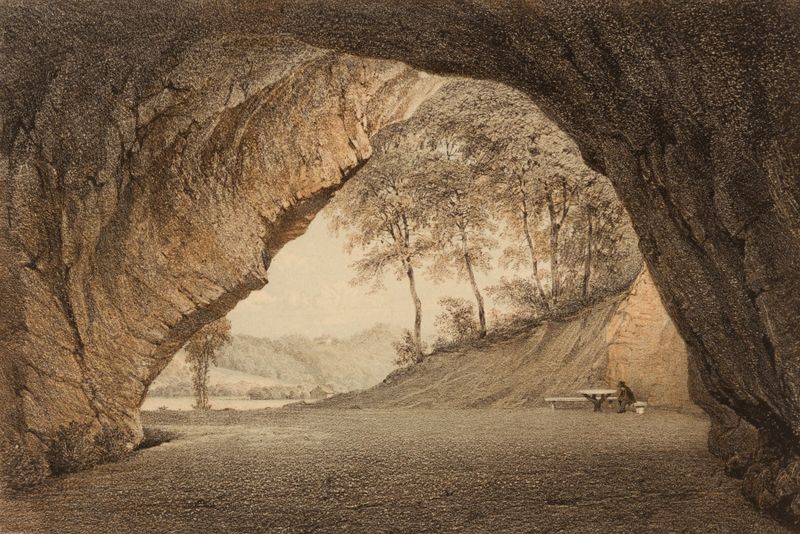
Vaade Tartule Toomelt — History & Facts
Who listens when art speaks of silence? In the hushed moments of solitude, fear finds its voice—a haunting echo that lingers in the depths of our thoughts. Look closely at the foreground, where muted tones blend seamlessly into the rich textures of the landscape. Notice how the dark, shadowy figures appear both present and distant, their forms shrouded in uncertainty. The palette, dominated by greys and earthy browns, serves to amplify the sense of melancholy, inviting you to explore hidden depths within the composition. As you delve deeper, consider the stark contrast between light and shadow.
Those fleeting moments of illumination hint at hope, yet they are overshadowed by the overwhelming darkness that envelops the scene. The stillness captures an unspoken tension—a silent confrontation with the fears that dwell in the corners of our minds. Each detail, from the craggy cliffs to the swirling skies, speaks to a collective unease, urging us to confront our own vulnerabilities. Louis Höflinger painted Vaade Tartule Toomelt in 1860 amidst a shifting art world, where Romanticism was giving way to a more modern sensibility.
Living in Europe, he found inspiration in the landscapes of northern Germany and the emotional weight of the human experience. This period was marked by a growing interest in portraying the sublime and the terror of nature, mirroring the tumultuous societal changes of his time.