
Vaandeldrager — History & Facts
The palette speaks volumes, whispering secrets in shades that convey both presence and absence. In a world where color dances between delight and despair, the hues beckon us to look deeper, to unravel the layers beneath the surface. Focus first on the vibrant reds and deep greens that define the draped garments of the central figure. Notice how these colors are not merely ornamental; they pulse with life and character, drawing the viewer's gaze to the hands that hold the intricate banner, a symbol of pride and identity.
The stark contrast against the muted background amplifies the figure's importance, creating a focal point that commands attention. Each brushstroke, though precise, carries a weight that seems to echo through the centuries. Delve into the emotional undertones present in the expressions and gestures portrayed. The tension between the figure's strength and the fragility of the fabric suggests a struggle, perhaps a reflection on the complexities of allegiance during tumultuous times.
The banner itself, both a shield and a burden, invites us to consider the duality of loyalty and individuality; what does one sacrifice for the sake of standing out, yet belonging? Hans Sebald Beham created Vaandeldrager in 1526, a period marked by religious upheaval and the rise of the Reformation. Working in Nuremberg, Beham was influenced by the evolving attitudes toward art and identity in a society grappling with change. As an artist who often explored themes of human experience, he captured a moment that resonates with a deeper understanding of personal and collective narratives amid the shifting tides of history.
More Artworks by Hans Sebald Beham
Browse all →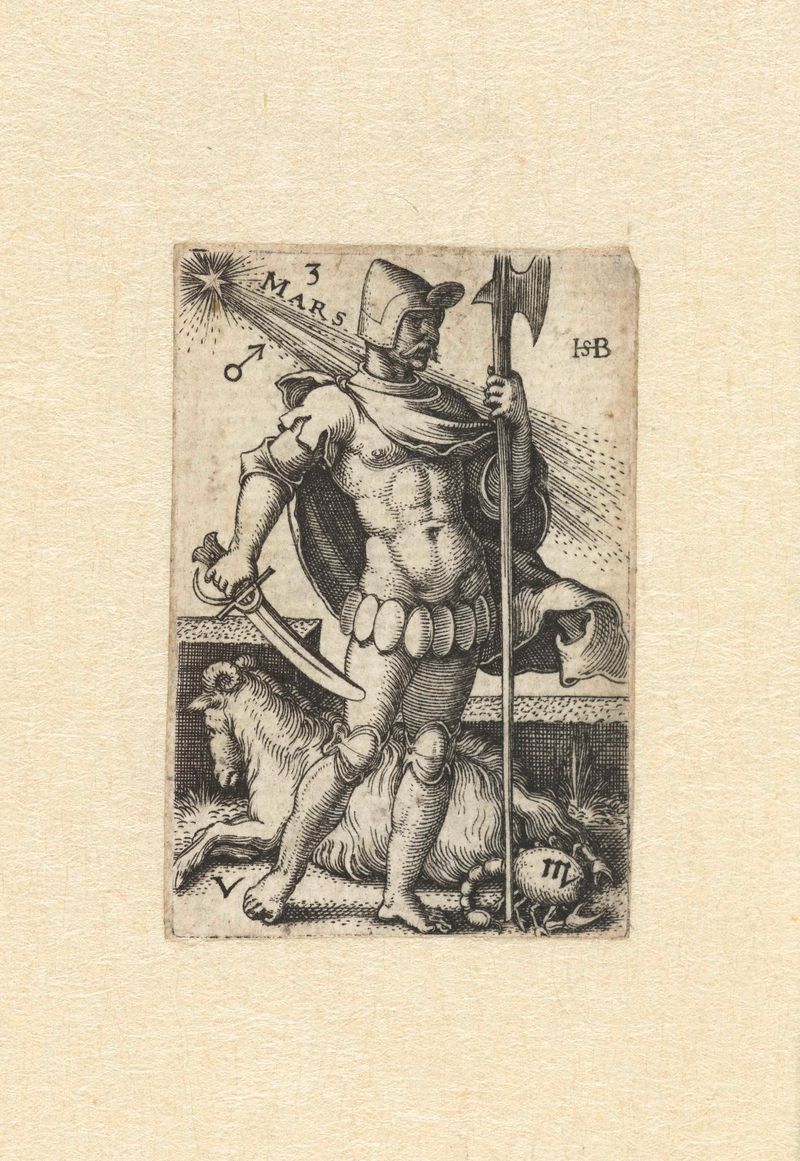
Mars met sterrenbeelden Ram en Schorpioen
Hans Sebald Beham

Achilles in gevecht met Hector
Hans Sebald Beham
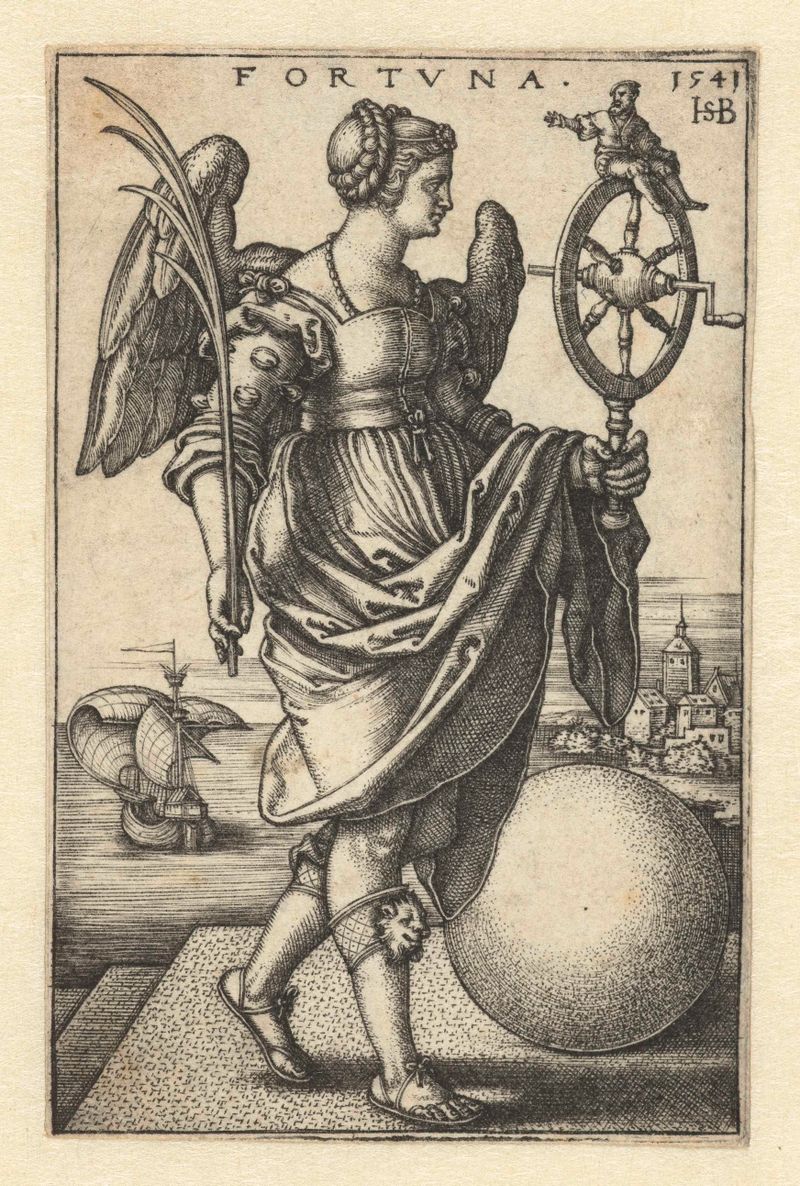
Fortuna
Hans Sebald Beham

Hercules worstelt met Antaeus
Hans Sebald Beham

Twee muzikanten met schalmey en doedelzak
Hans Sebald Beham

Voorzichtigheid (Prudentia)
Hans Sebald Beham

Hercules in gevecht met de Trojanen
Hans Sebald Beham
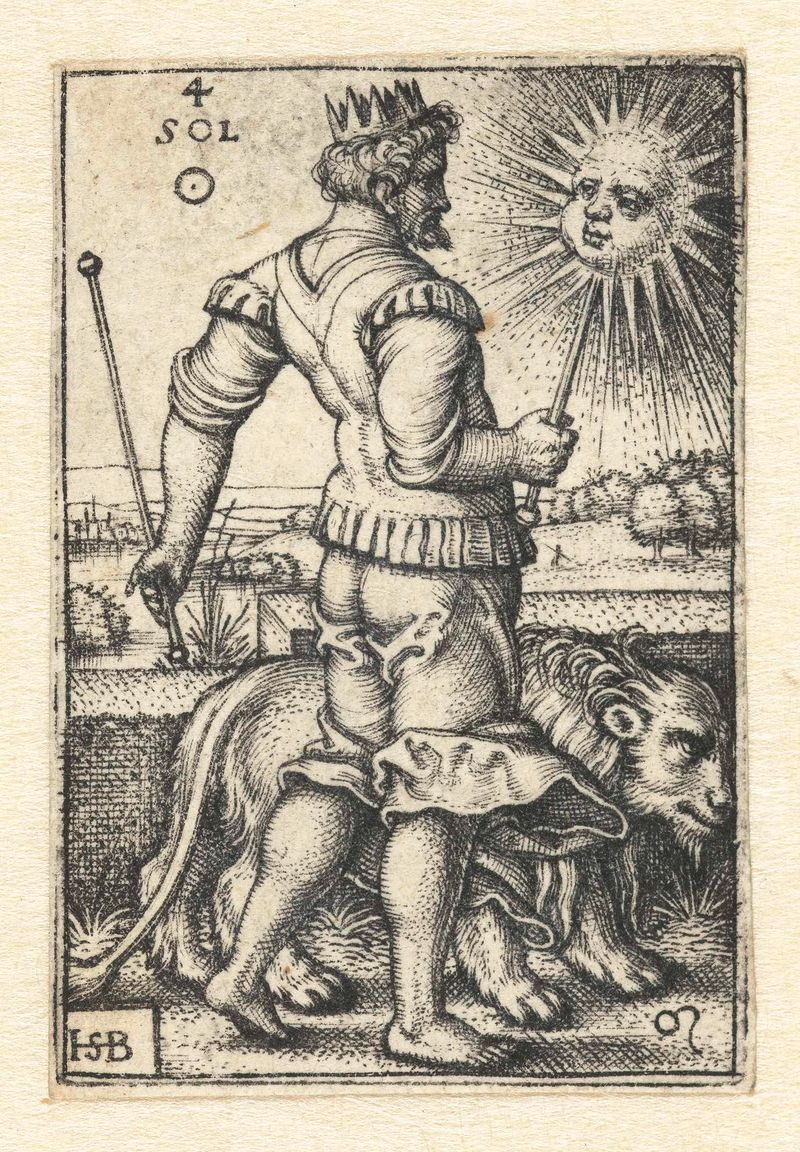
Apollo (Sol) met sterrenbeeld Leeuw
Hans Sebald Beham
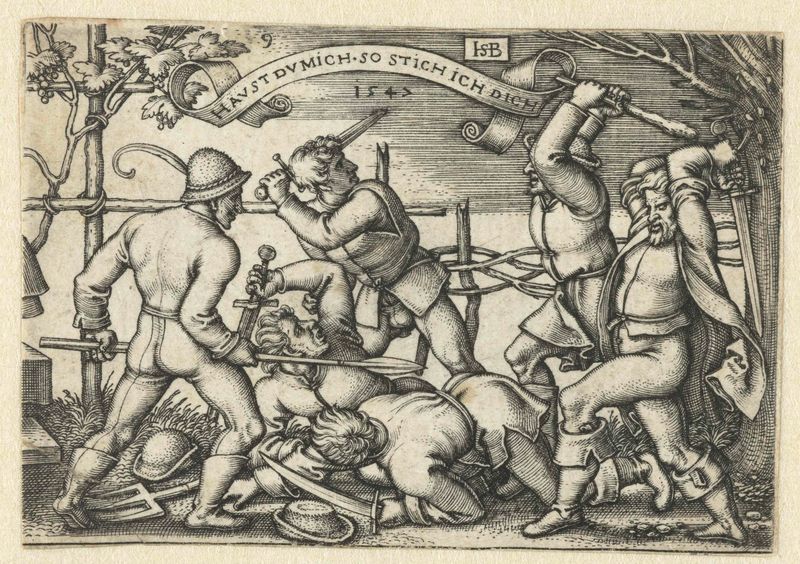
Vechtende boeren met zwaarden
Hans Sebald Beham
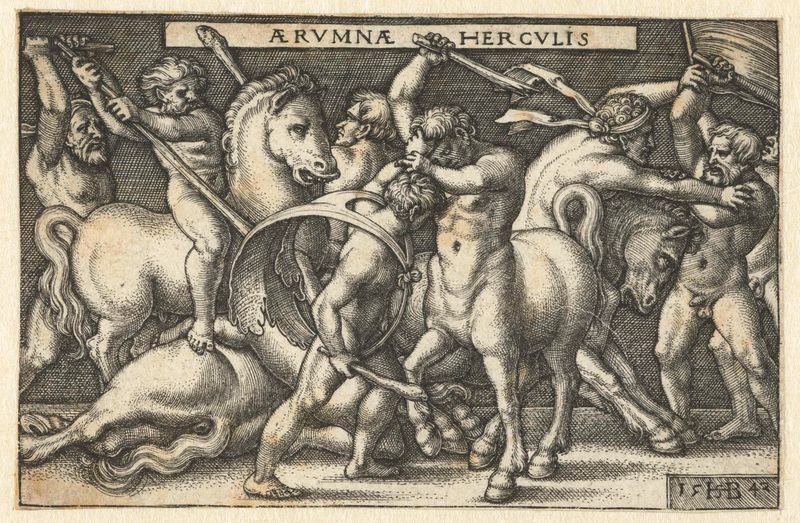
Hercules in gevecht met centaurs
Hans Sebald Beham
More Portrait Art
Browse all →
Las meninas
Diego Velázquez

Self-portrait with a Bandaged Ear and Pipe
Unidentified artist

Girl with a Pearl Earring
Johannes Vermeer

The Sampling Officials of the Amsterdam Drapers’ Guild, Known as ‘The Syndics’
Rembrandt van Rijn

The Hundred Guilder Print: the man seen on the back in the lower left corner
Rembrandt van Rijn

Portrait of Dr Gachet
Vincent van Gogh