
Venice By Moonlight — History & Facts
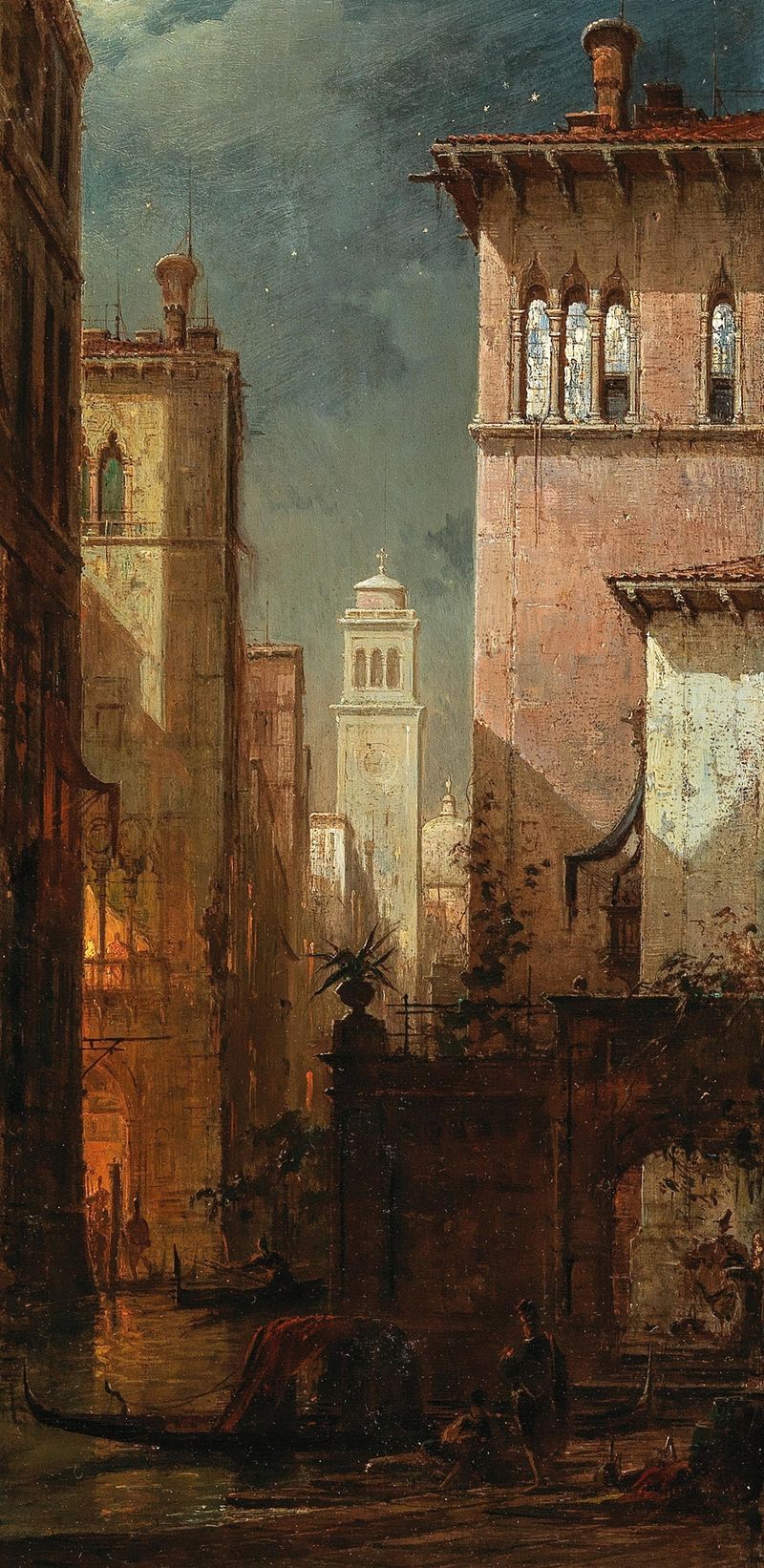
What secret hides in the quiet of the canvas? Beneath the soft glow of moonlight, shadows weave intricate tales of longing and mystery. Look to the right at the shimmering reflection of the moon upon the water, where silvery hues dance and ripple with the gentle current. The artist employs a delicate palette of blues and silvers, creating a serene yet melancholic atmosphere. Notice how the shadows stretch and pull, echoing the silence of the night, while the buildings loom, their forms softened by the luminescence.
Each stroke captures not just the cityscape of Venice, but also the emotional weight of solitude and contemplation. Delve deeper into the contrasts presented: the stillness of the water against the vibrancy of life hidden within the shadows; the intimate connection between light and dark that suggests a world both inviting and elusive. The painting invites viewers to explore their own feelings of isolation and connection, hinting at stories waiting to unfold just beyond the shadows. The moonlight serves as both a guide and a veil, revealing some aspects of the scene while concealing others, invoking a sense of curiosity and introspection. In 1859, Mecklenburg created this piece during a period of burgeoning Romanticism, where artists sought to capture the sublime and the emotional landscape rather than mere realism.
Living in Germany, he was influenced by the beauty of nature and the mystique of places like Venice, which was often idealized in art. This period was marked by a fascination with the interplay of light and environment, a theme that resonates powerfully in this evocative work.
More Artworks by Ludwig Mecklenburg
Browse all →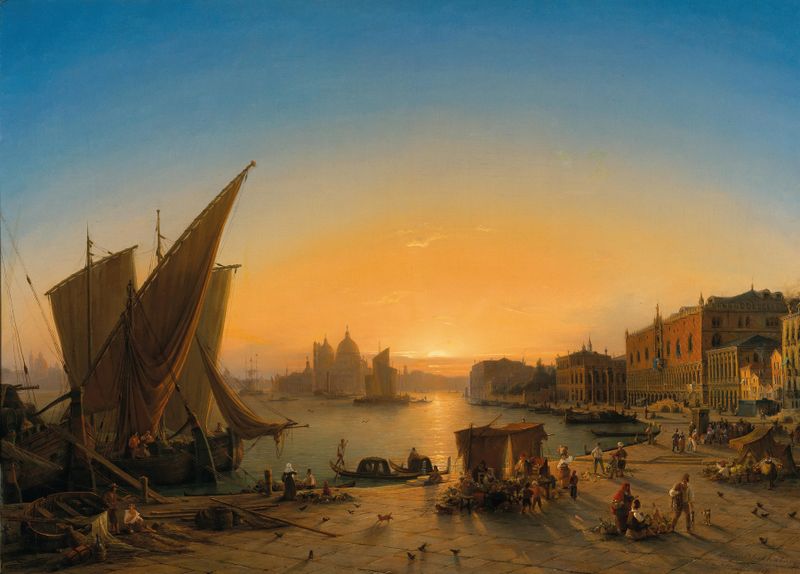
Venice, a View of the Bacino di San Marco from Riva degli Schiavoni, with Palazzo Ducale on the Right, Santa Maria della Salute in the Background
Ludwig Mecklenburg

Blick auf Venedig mit Dogenpalast und Markusturm
Ludwig Mecklenburg
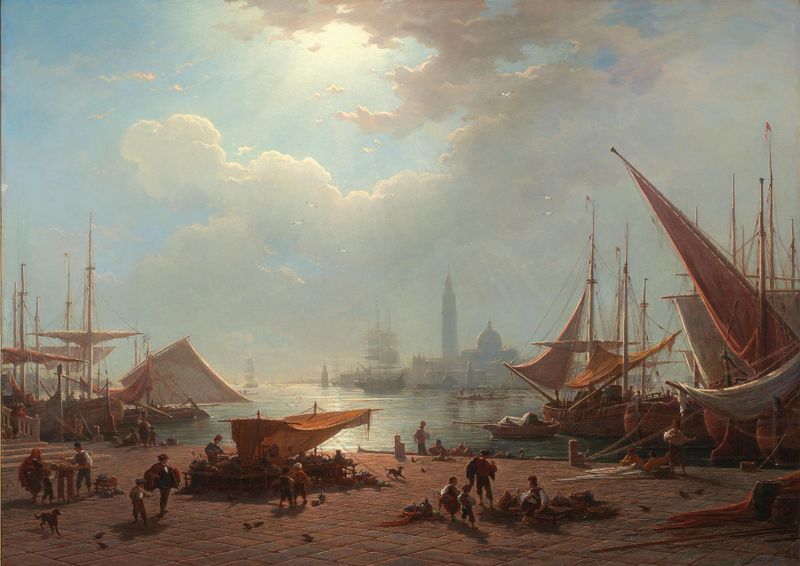
Venice, a View of San Giorgio Maggiore from the Piazzetta
Ludwig Mecklenburg
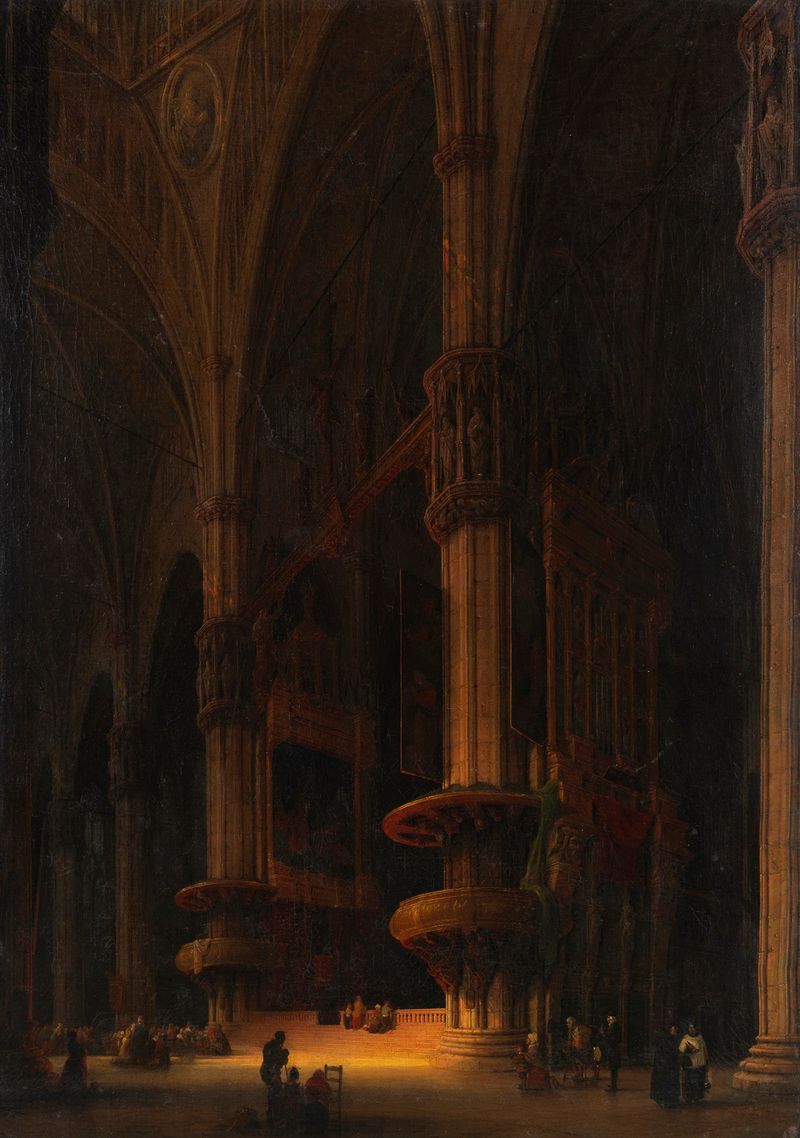
Das Innere des Doms zu Mailand
Ludwig Mecklenburg
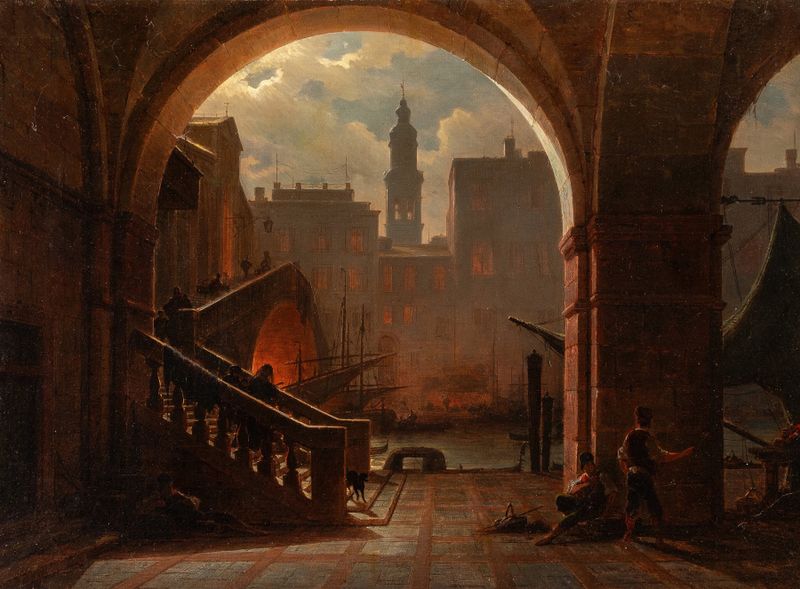
Venice, Rialto bridge at night
Ludwig Mecklenburg
Venice, a Canal in the Moonlight
Ludwig Mecklenburg

Venedig im Abendlicht
Ludwig Mecklenburg





