Discover insights about this artwork
Ver Sacrum 1903 15 267 Wohnhaus Theodors von Körner in Döbling — History & Facts
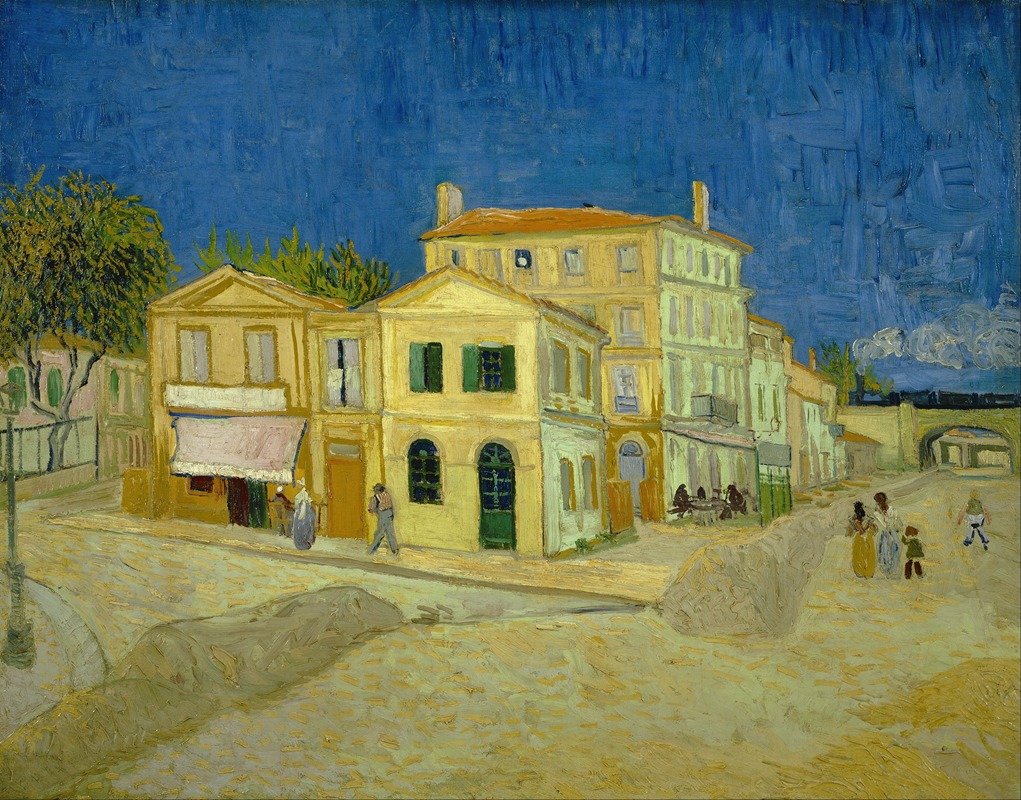
In Ver Sacrum 1903 15 267 Wohnhaus Theodors von Körner in Döbling, we see a residential building characterized by its flowing lines and organic forms typical of the Art Nouveau style. The color palette includes soft pastels and earthy tones, creating a harmonious atmosphere. The structure is adorned with decorative elements that reflect nature, such as floral motifs and curvilinear shapes.
This painting captures the essence of early 20th-century architecture in Vienna. The painting is executed in oil on canvas, showcasing Carl Moll's skill in capturing architectural details. The dimensions are approximately 80 x 100 cm, allowing for a detailed view of the building's features. Viewers can appreciate the intricate designs and the way light interacts with the surfaces.
The work exemplifies the Art Nouveau movement's emphasis on craftsmanship and aesthetic beauty. Carl Moll was a prominent figure in the Vienna Secession movement, which sought to break away from traditional artistic conventions. This particular work highlights his architectural interests and his ability to blend art with functional design. An interesting fact about this painting is that it represents a real building, the residence of Theodor von Körner, showcasing Moll's commitment to capturing contemporary architecture.
His works often reflect the cultural and artistic innovations of early 20th-century Vienna.
More Artworks by Carl Moll
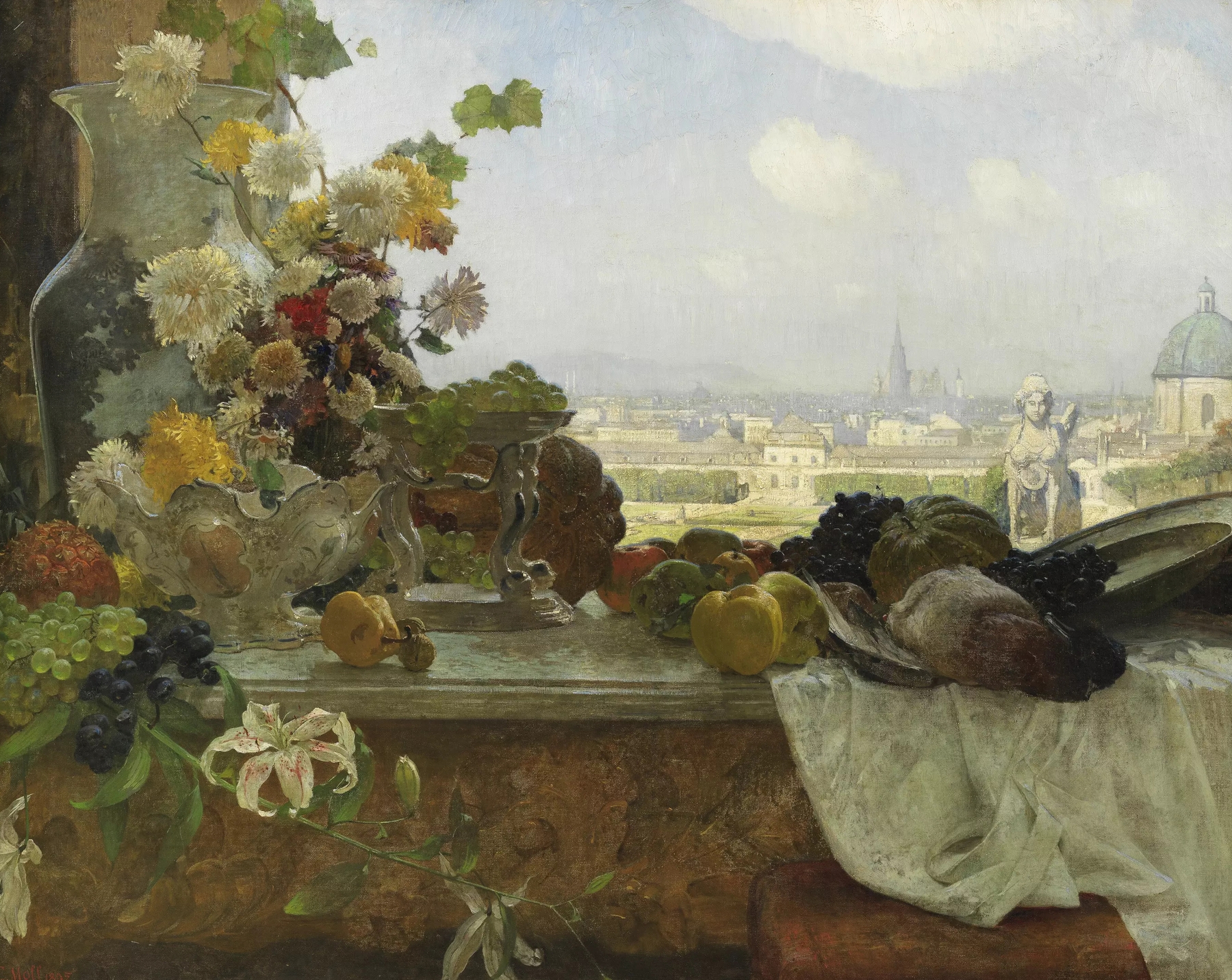
Blick vom Belvedere auf die Innere Stadt
Carl Moll

Salon im Haus auf der Hohen Warte
Carl Moll

Ver Sacrum 1903 15 263 Altwiener Gartenhaus in Döbling
Carl Moll
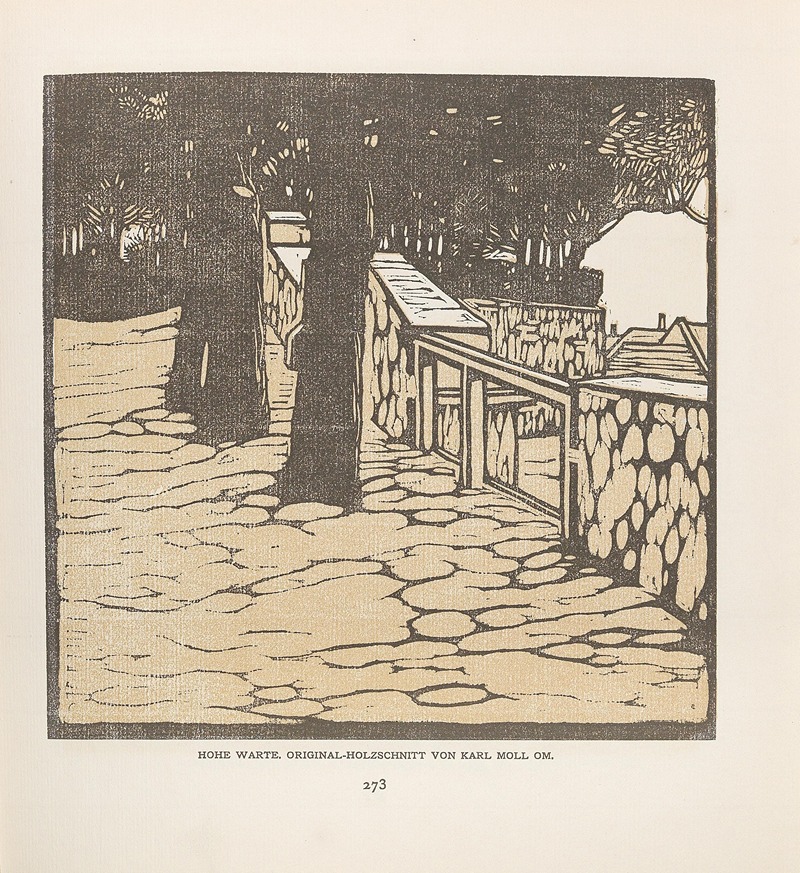
Ver Sacrum 1903 15 273 Hohe Warte
Carl Moll

Landing stage at Heustadlwasser (Prater, Vienna)
Carl Moll

Landschaftsbild (Wien XIX., Hohe Warte)
Carl Moll
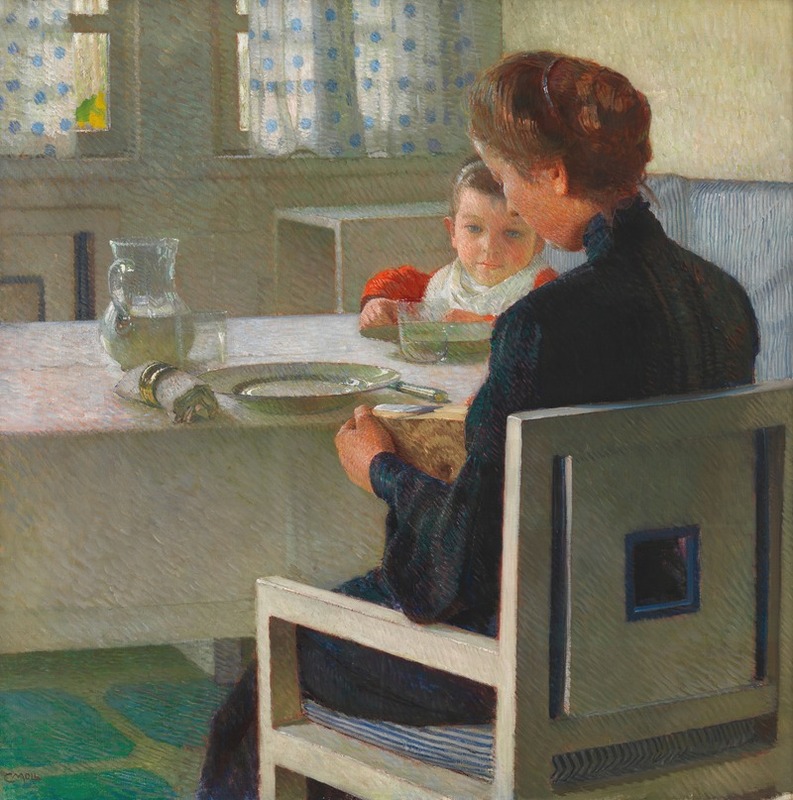
Mutter und Kind bei Tisch (Beim Frühstück)
Carl Moll
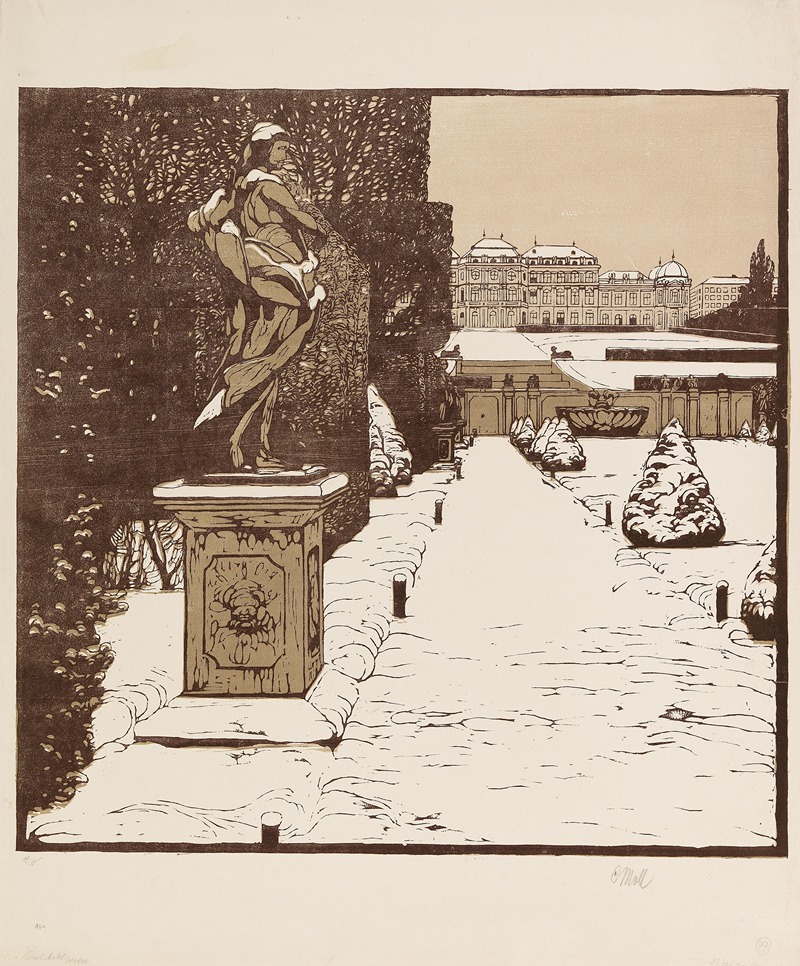
Belvederegarten im Winter
Carl Moll
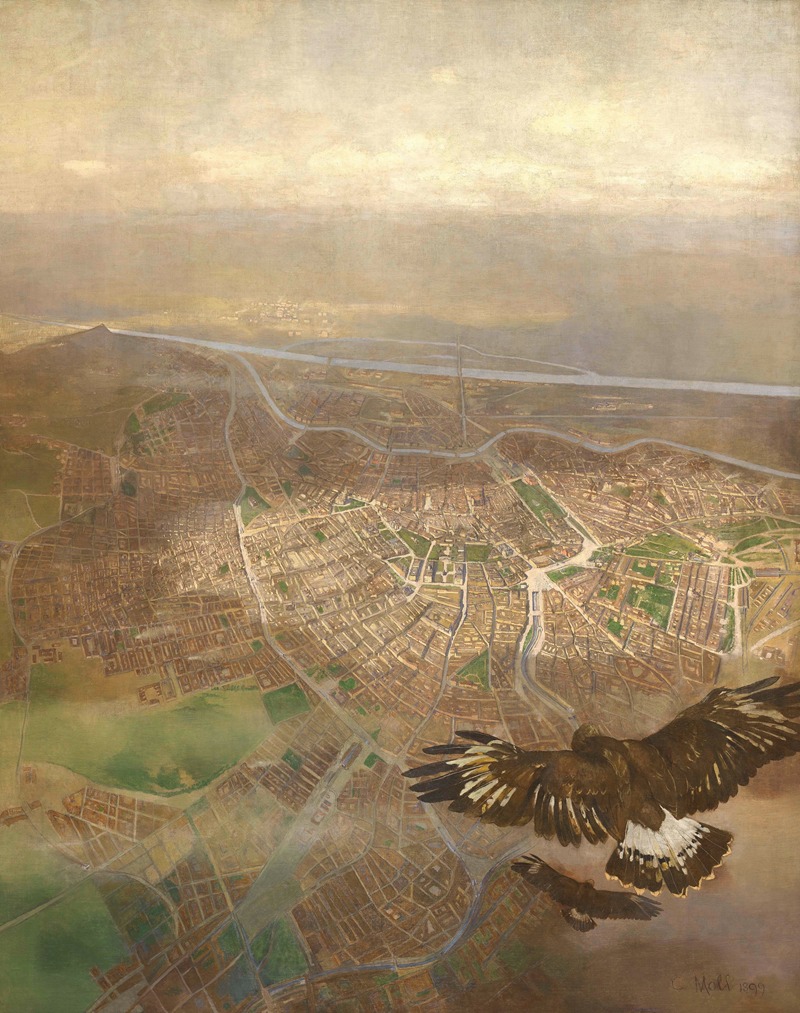
Blick auf Wien aus der Ballonhöhe von 3000m über der Schönbrunner Gloriette
Carl Moll
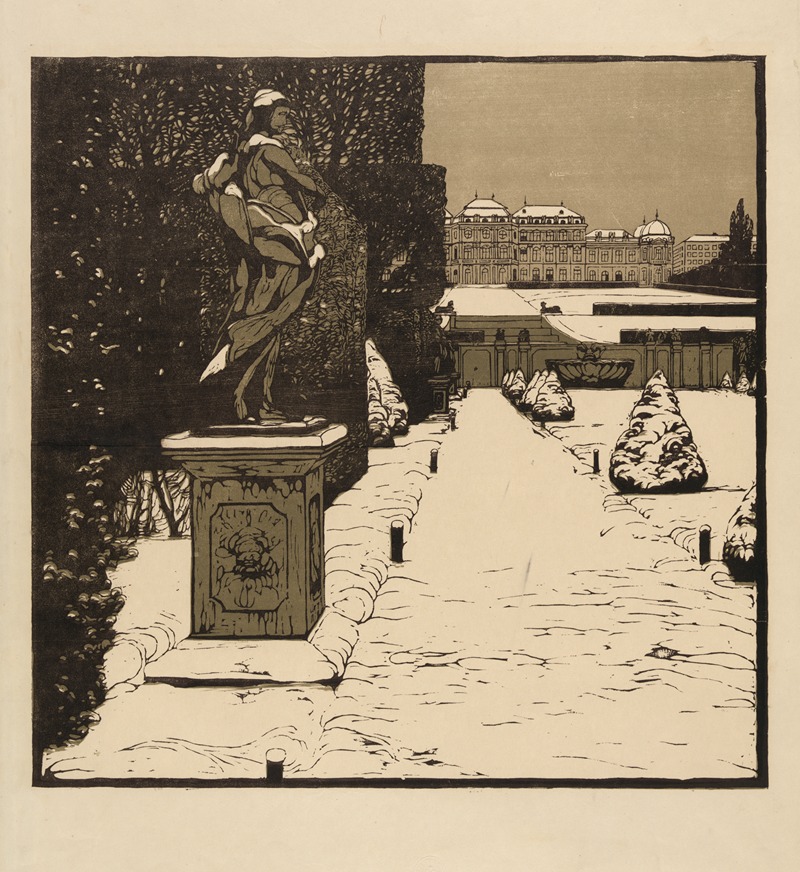
Belvedere
Carl Moll