
Art movement · 1890s–1914 · Europe and the US
Art Nouveau: Posters, Paintings and Prints
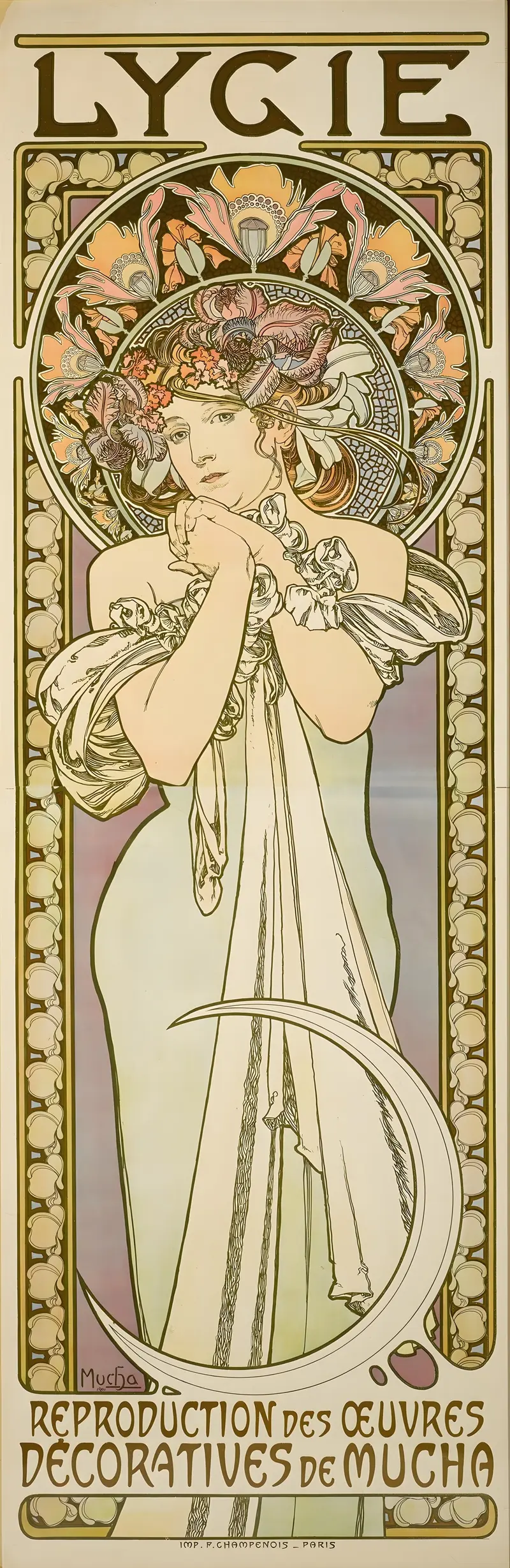
Art Nouveau, French for “new art,” is an international art movement and style that began in Europe in the 1890s and lasted until the First World War. It is known for sinuous “whiplash” lines and flowing forms taken from plants and flowers, used in posters, illustration, painting, design and architecture alike. Its artists include Alphonse Mucha, Gustav Klimt, Aubrey Beardsley, Henri de Toulouse-Lautrec and Jules Chéret.
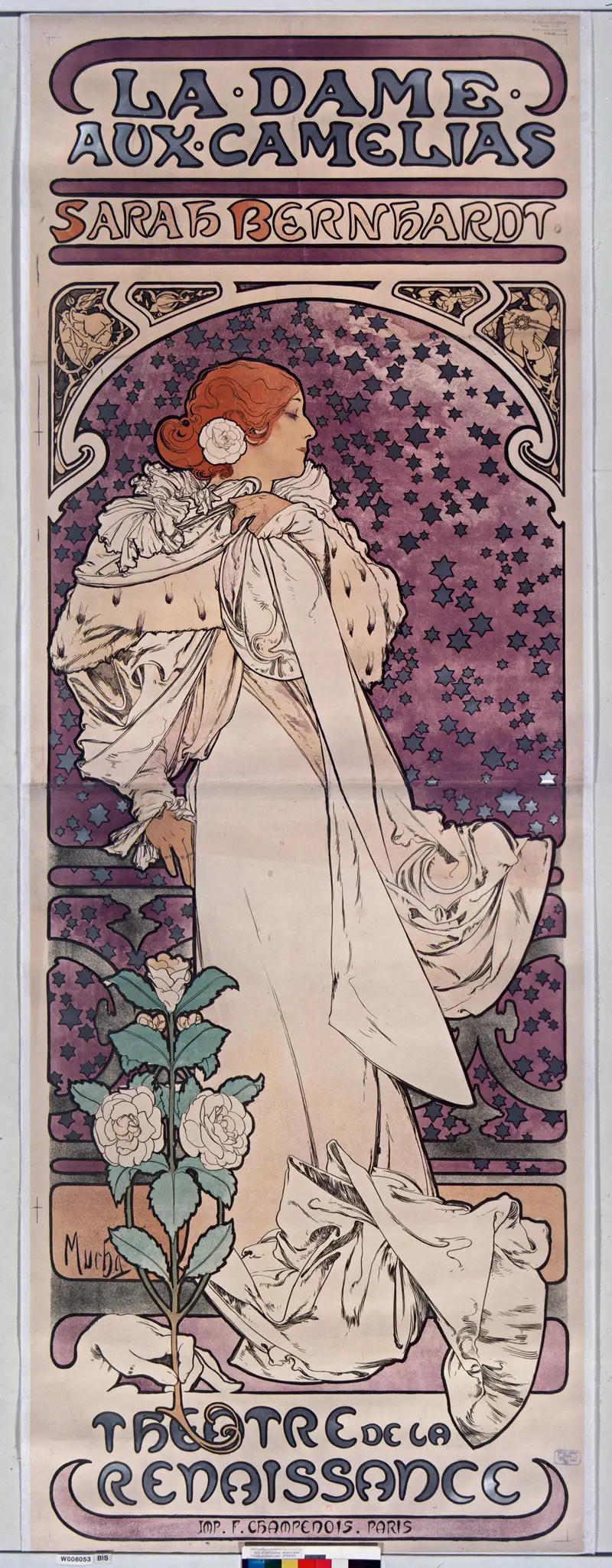
Brussels, Paris and Munich were its centers, and in Vienna it took its name from the Secession, the group Klimt led. Its best-known images were made for the street: in 1895 Mucha's poster of the actress Sarah Bernhardt as Gismonda was an overnight sensation in Paris, and collectors stripped copies from the hoardings to hang at home. In Vienna, Klimt painted The Kiss in gold leaf, and the state bought it in 1908.
Browse 1,702 Art Nouveau posters, paintings and prints below, all public domain and free to download.
Selected and written by Pavel MazuelasUpdated November 5, 2026
Part of Art Movements and Painting StylesRelated: Victorian Painting, Art Deco, Post-Impressionism
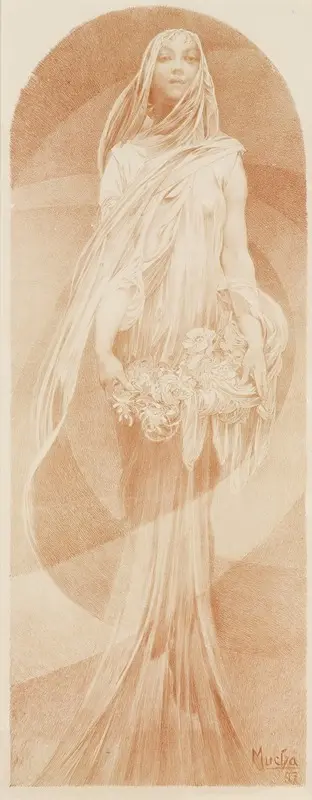
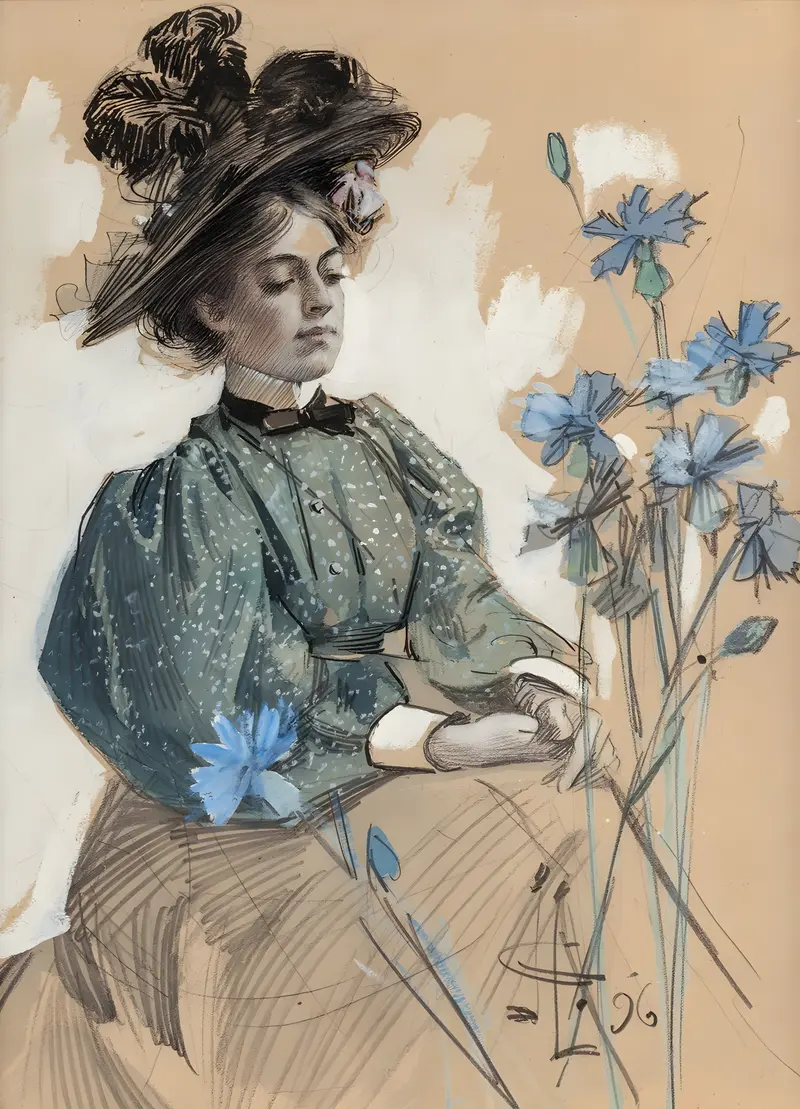
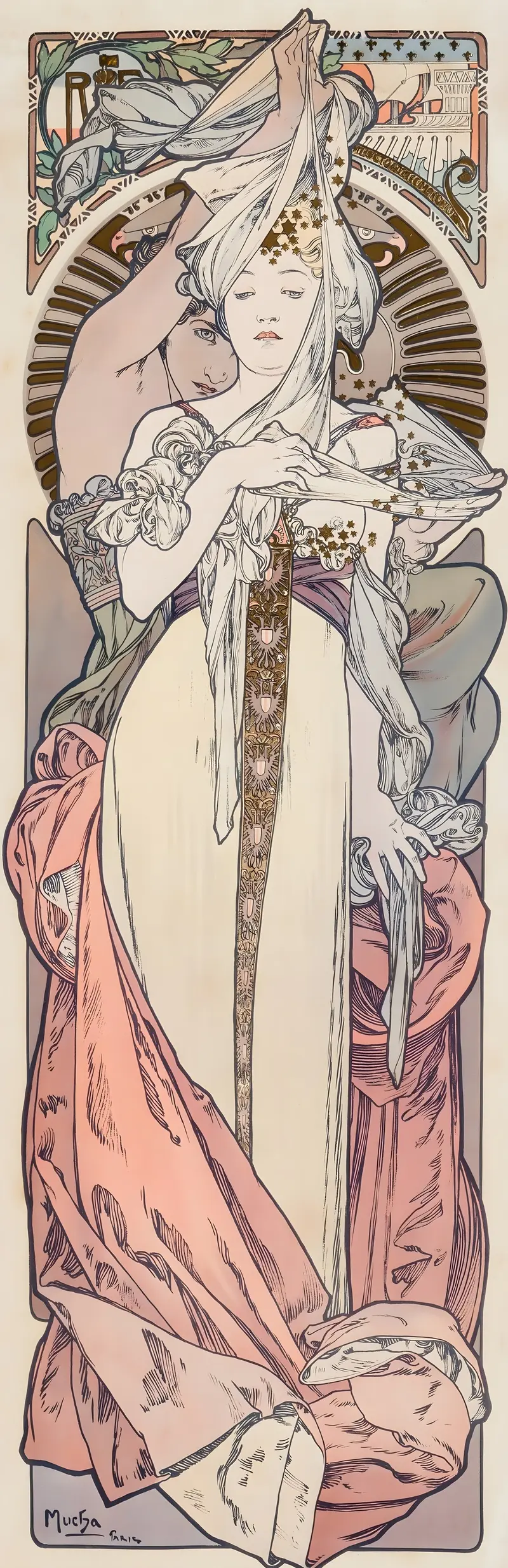
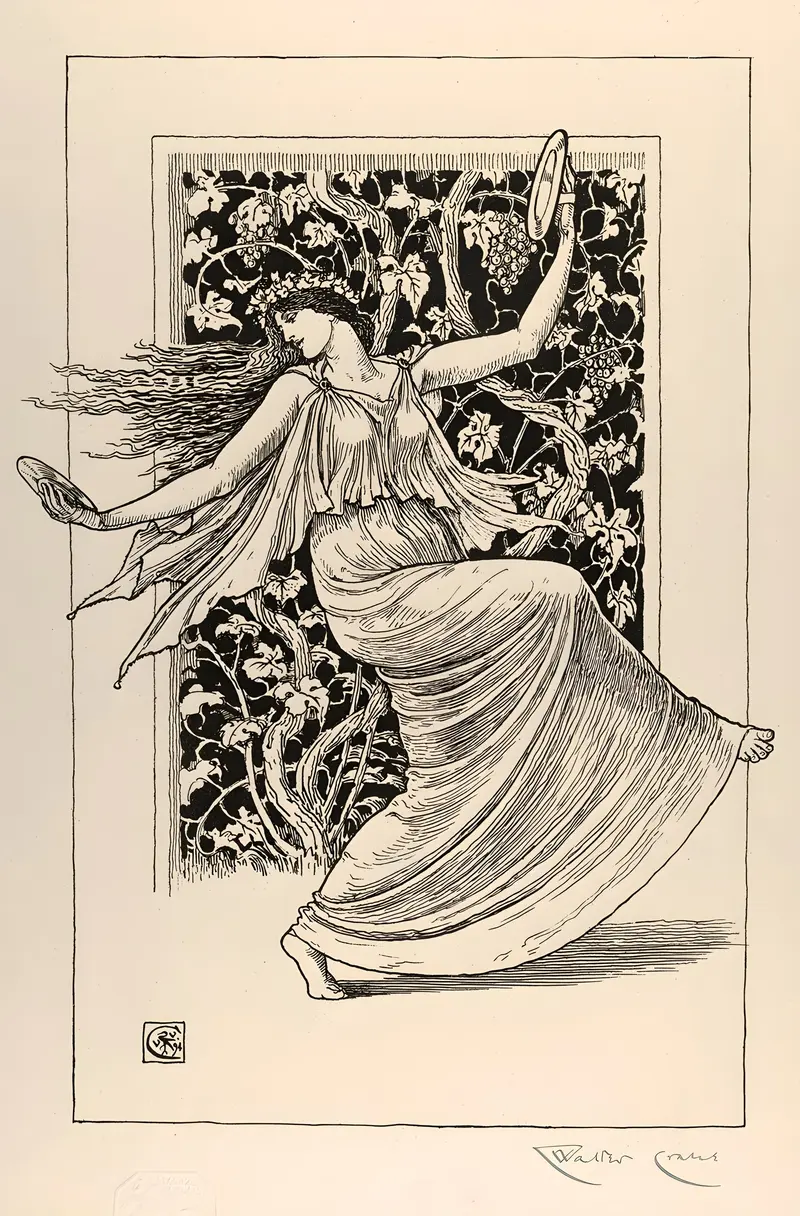
All Art Nouveau posters, paintings and artworks
Posters, book illustrations, decorative designs, portraits and paintings. All public domain, free to download.








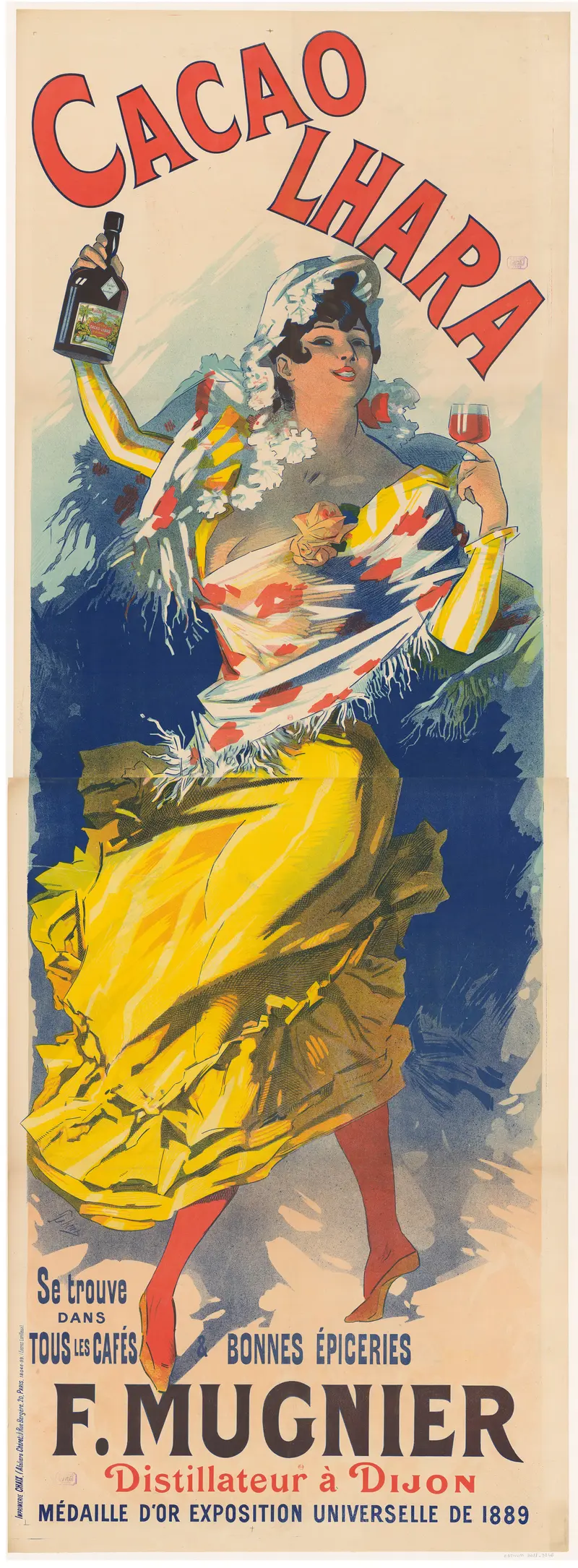
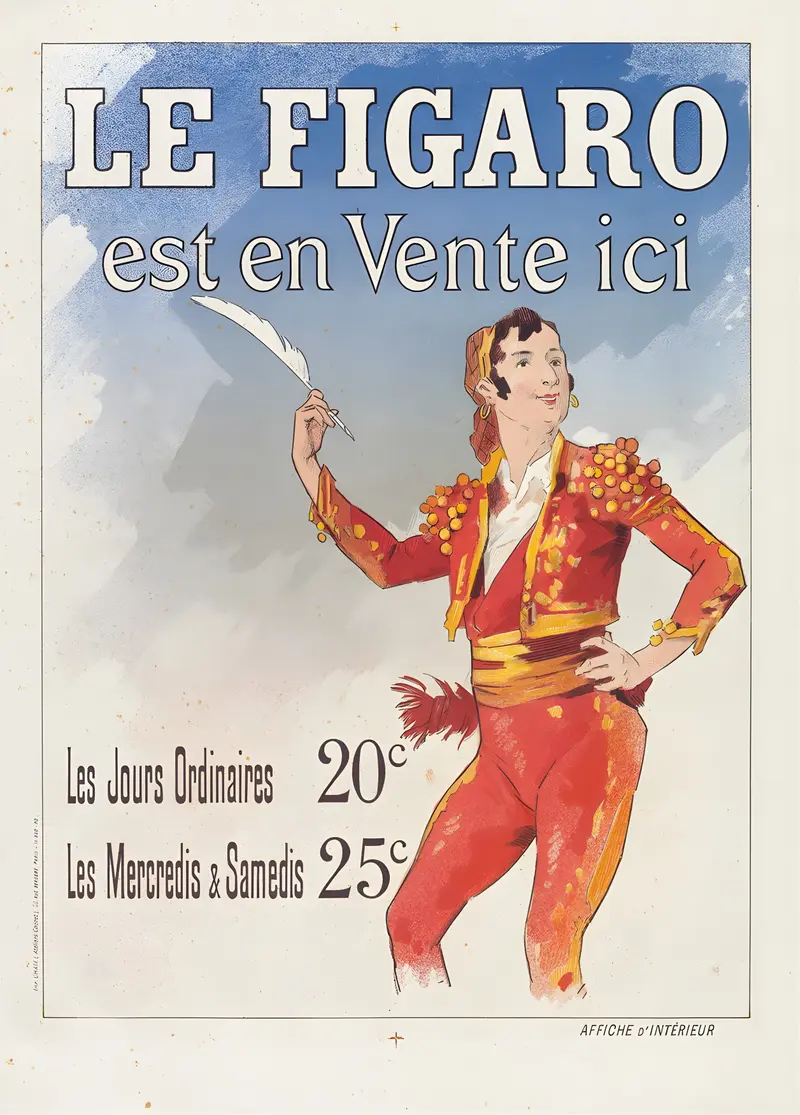
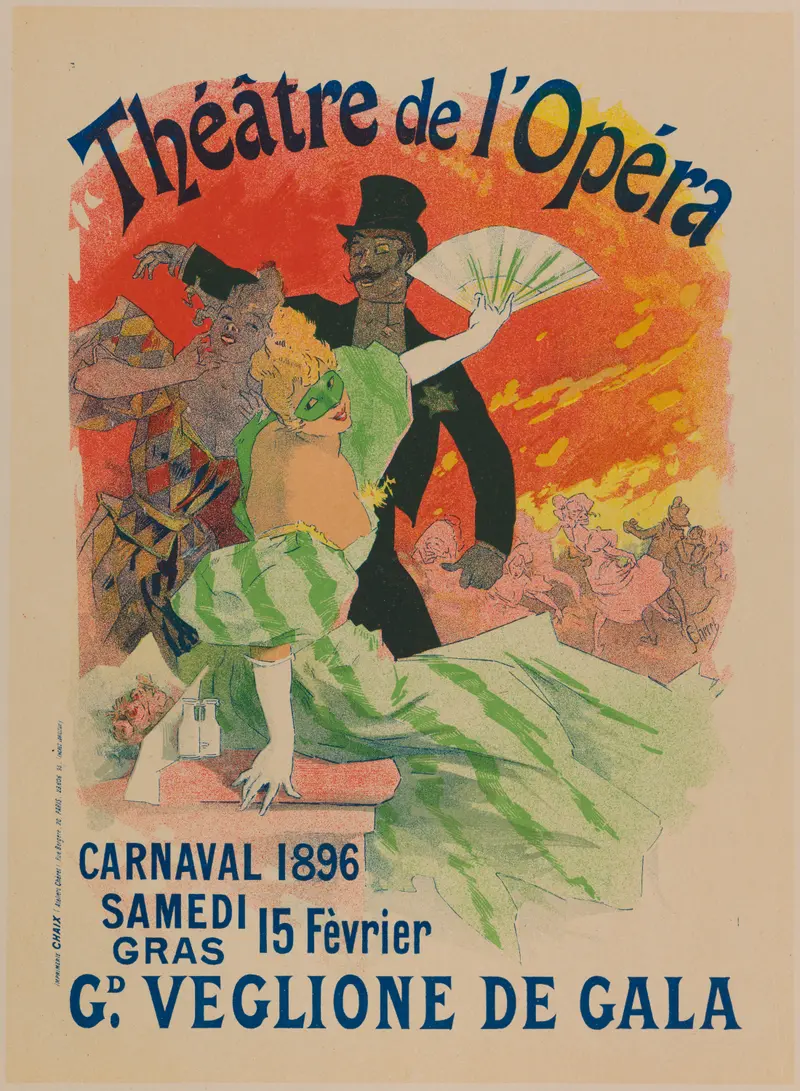
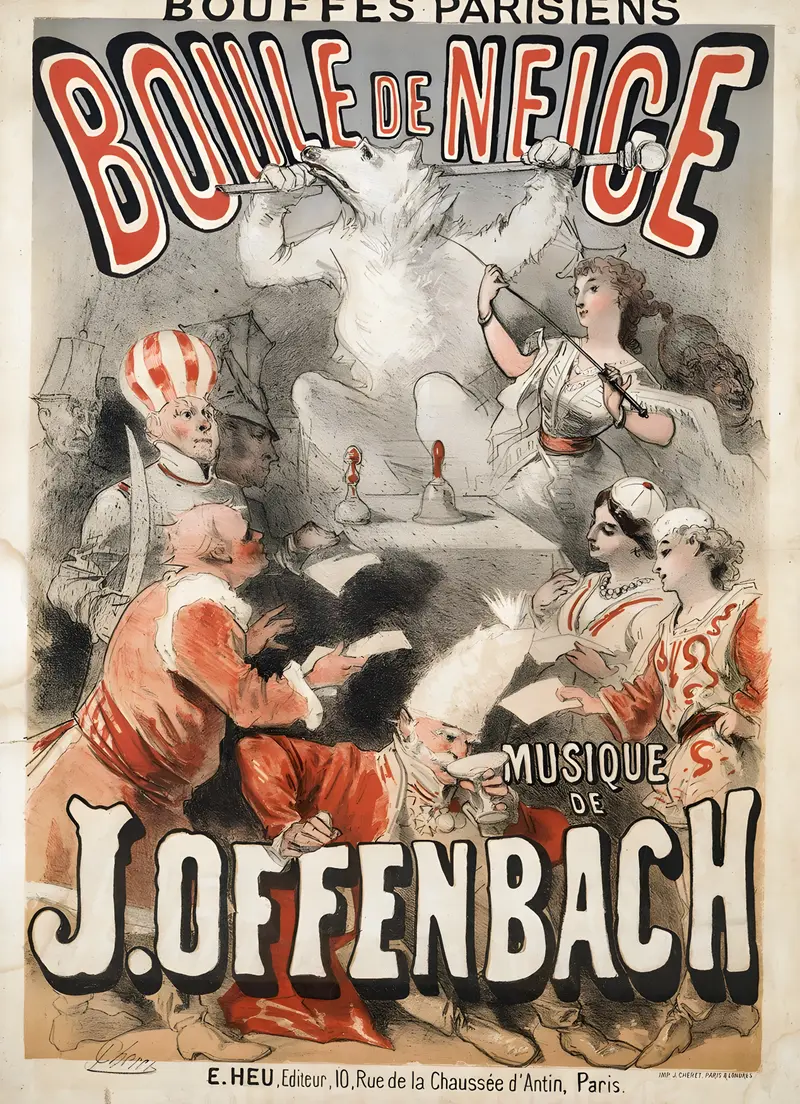

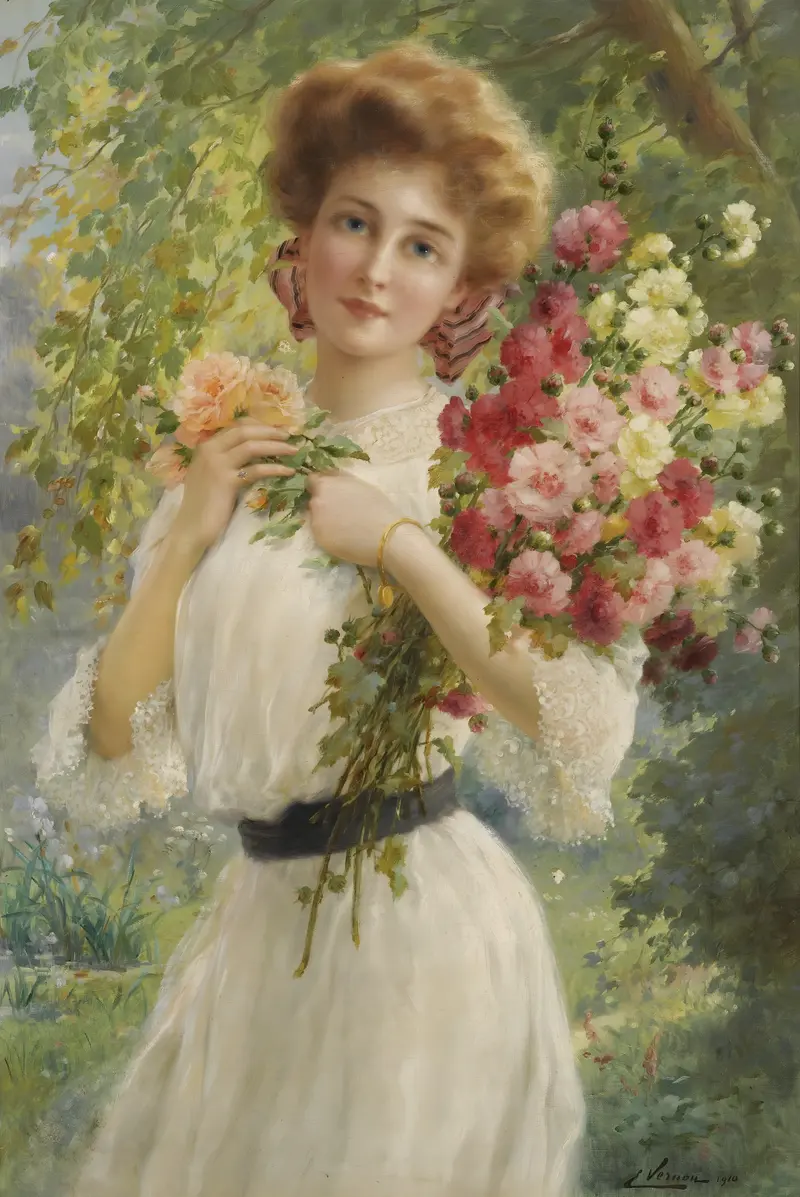
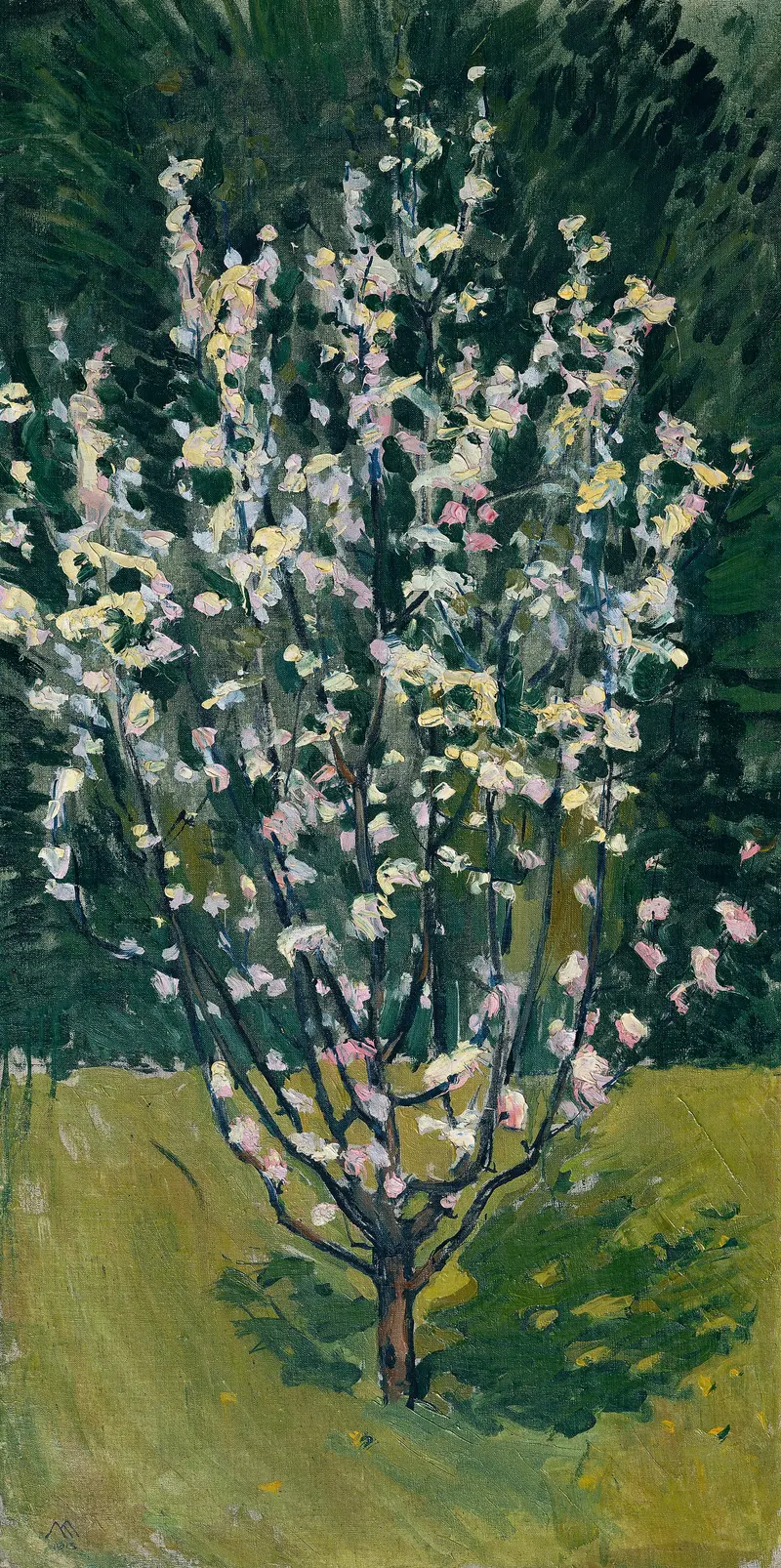
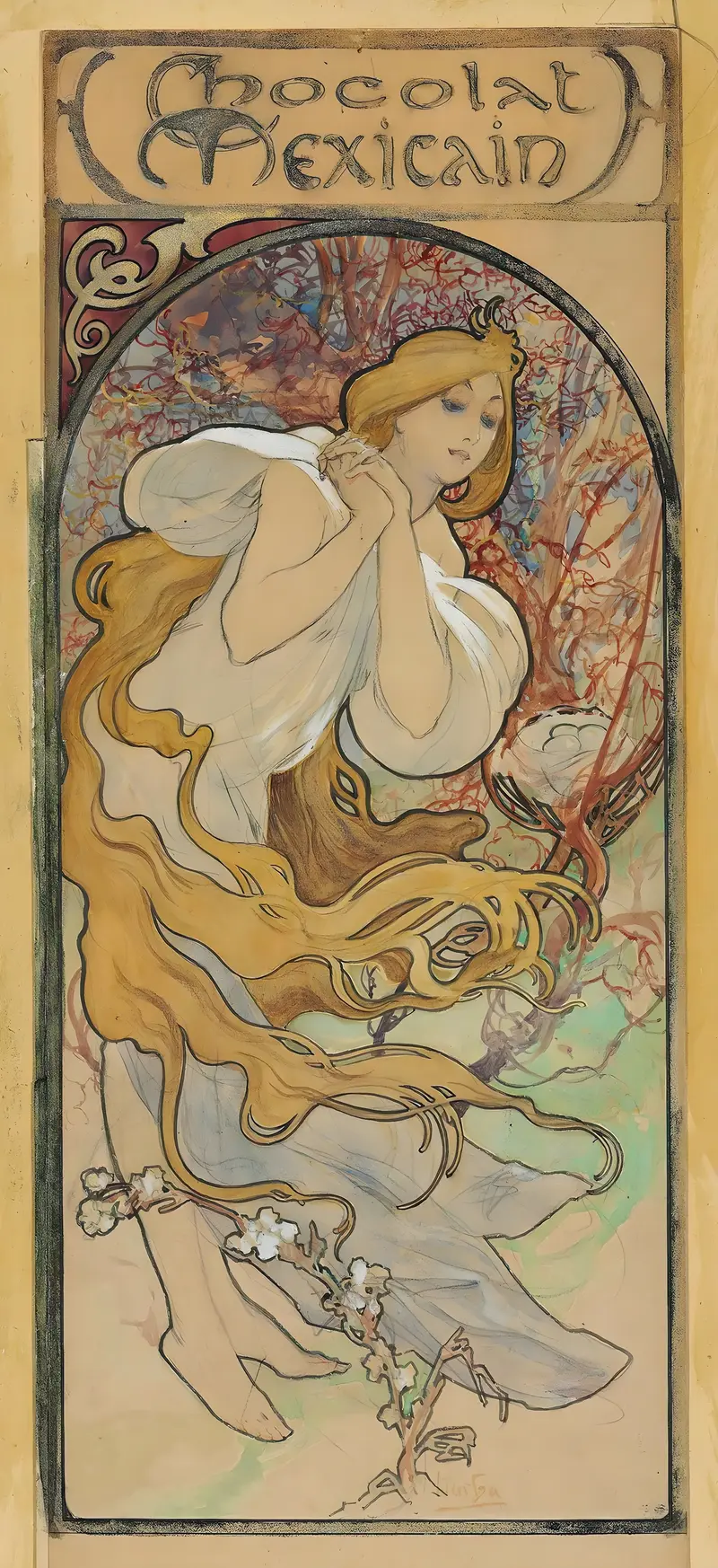



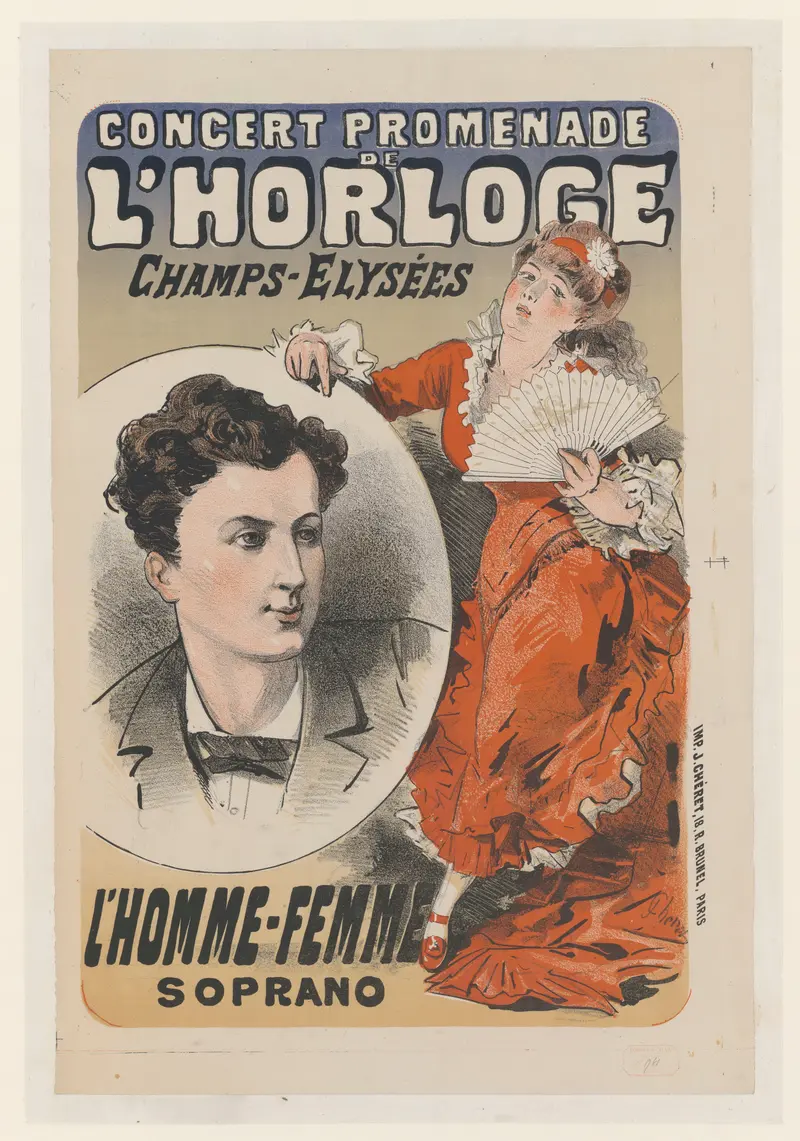
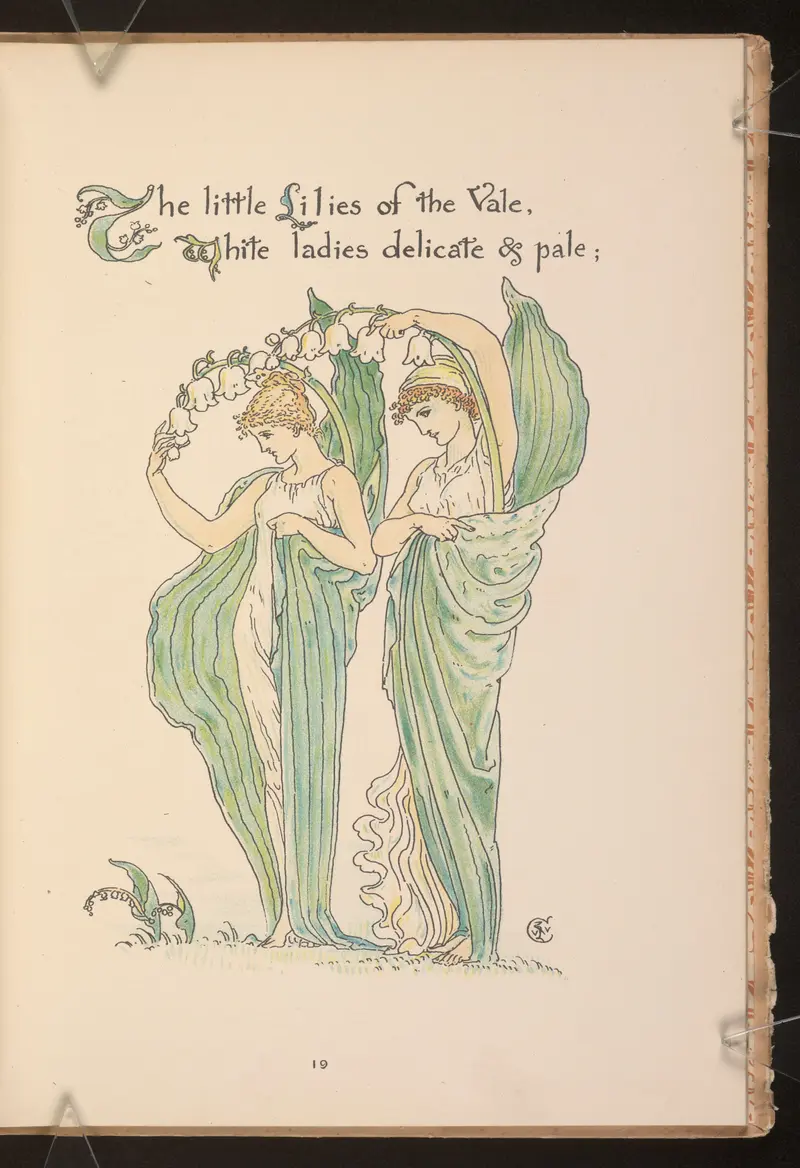
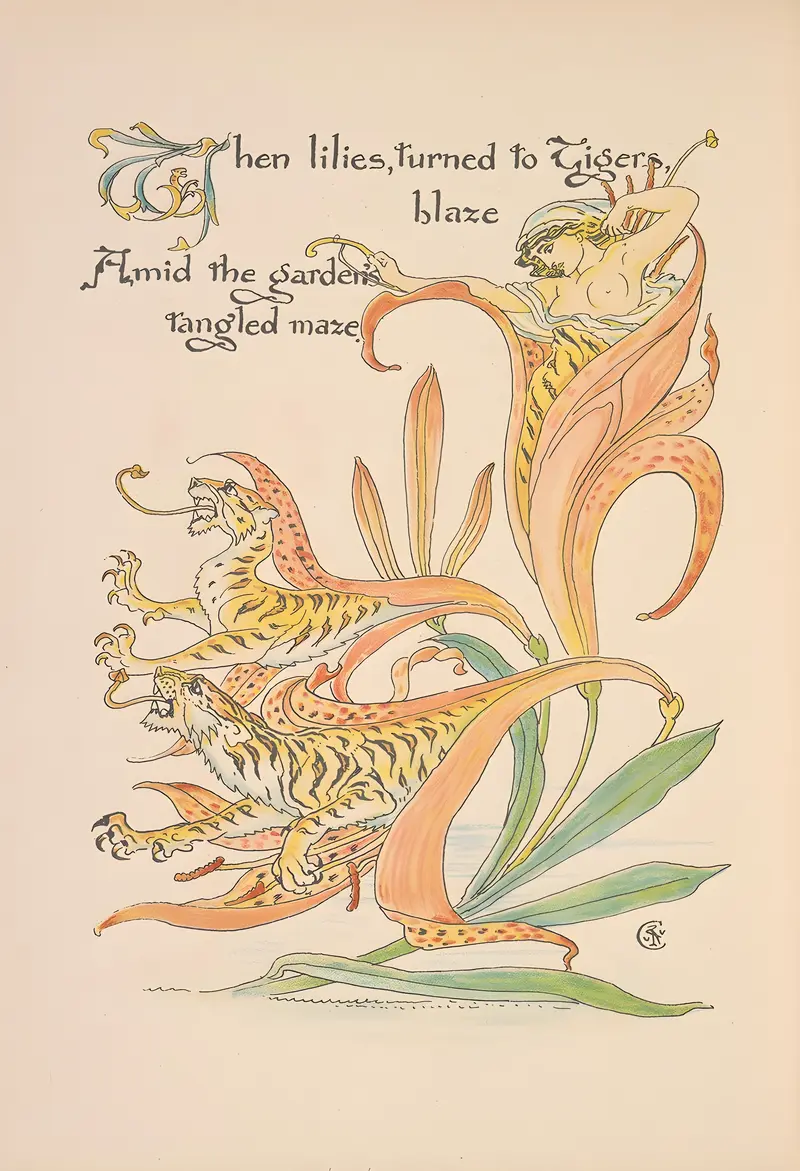
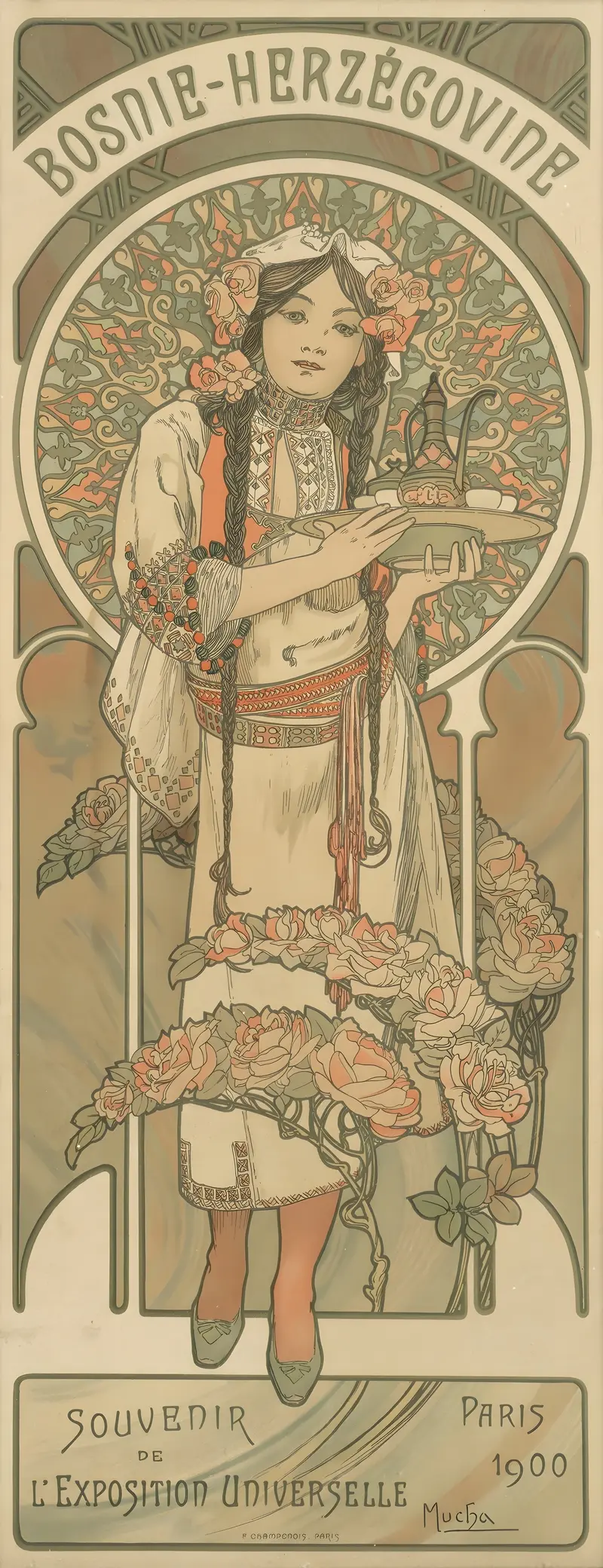
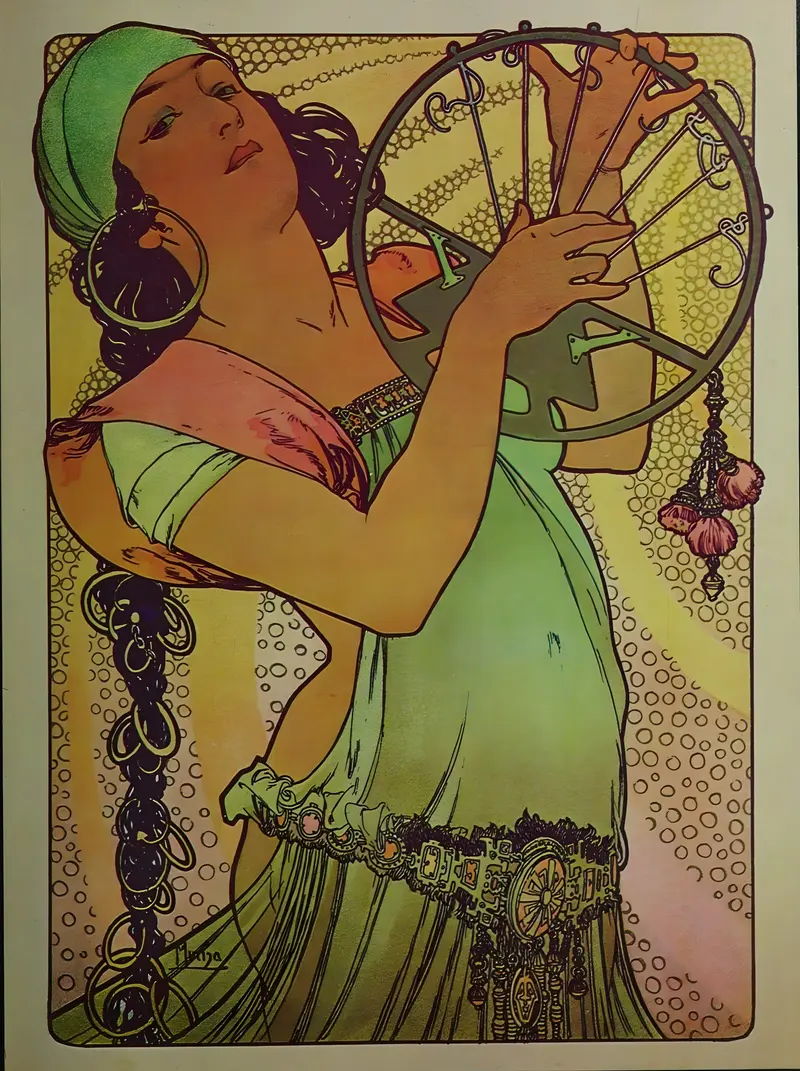
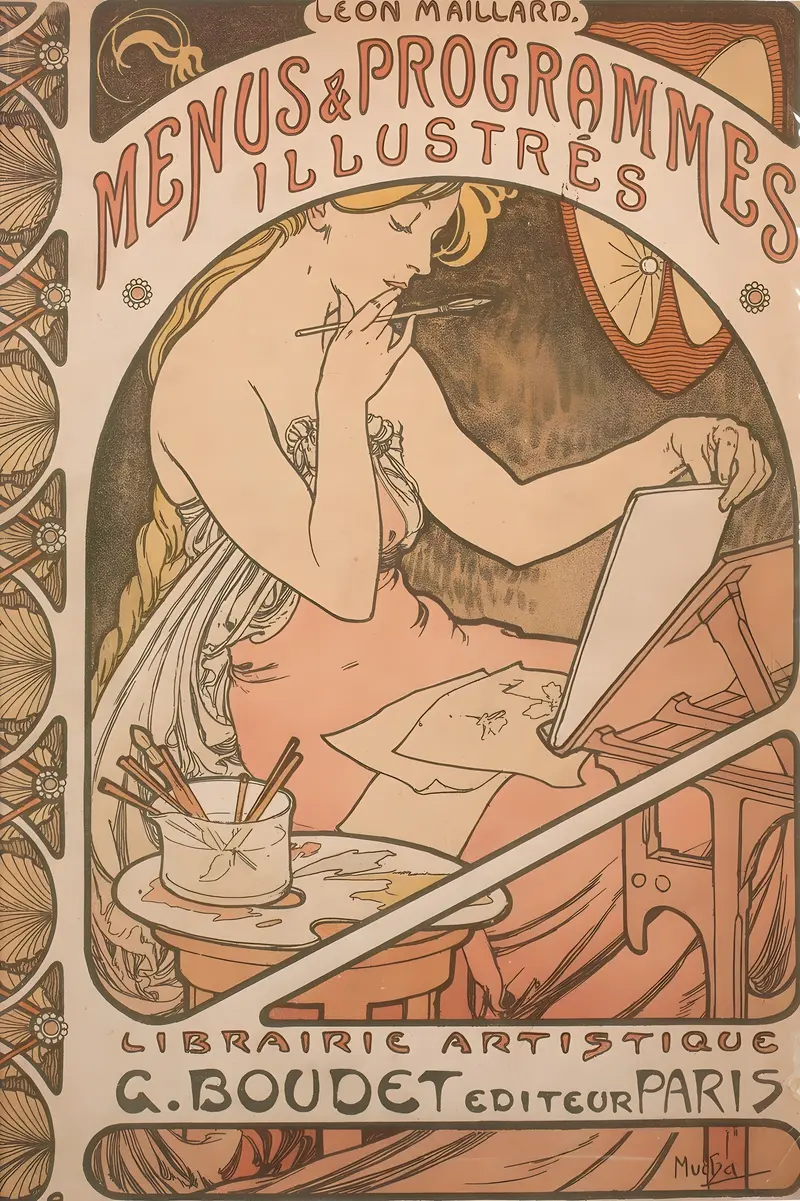

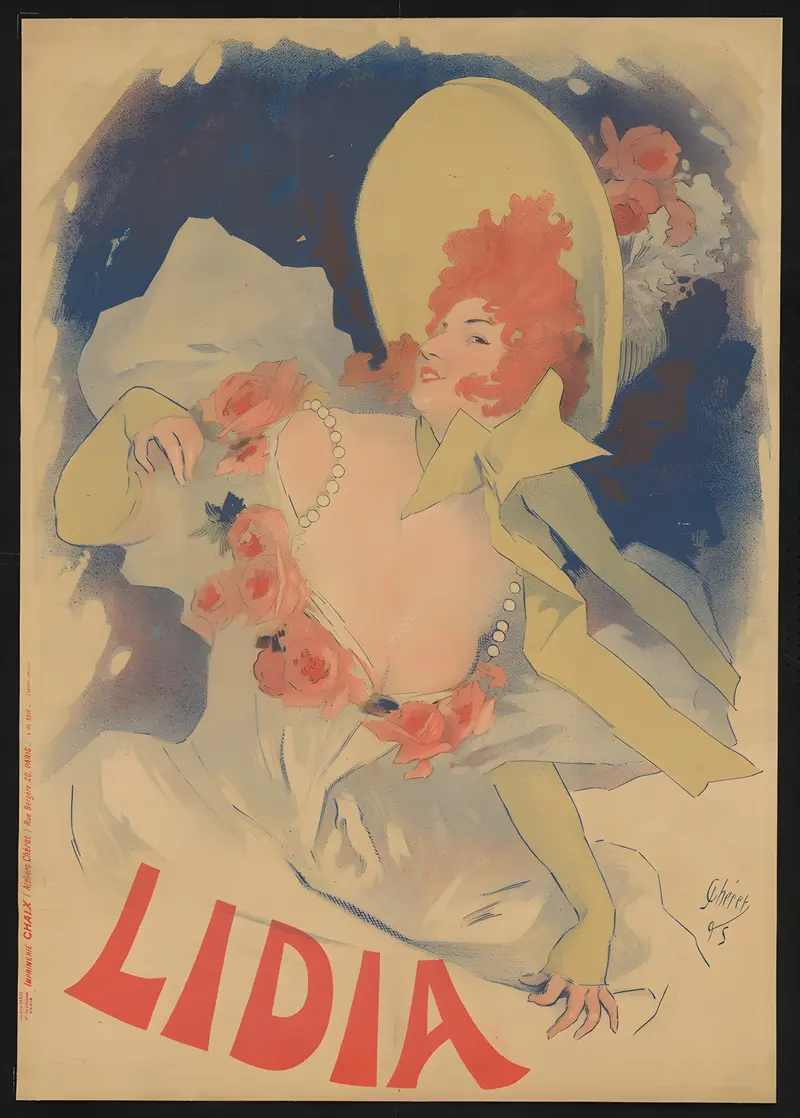


Famous Art Nouveau paintings and posters
The best-known Art Nouveau works, from Klimt's paintings in gold to the posters of Paris. Click any work to see it up close and download it free.
 The Kiss (Lovers)Gustav Klimt
 Portrait of Adele Bloch-Bauer IGustav Klimt
 Lady with a FanGustav Klimt
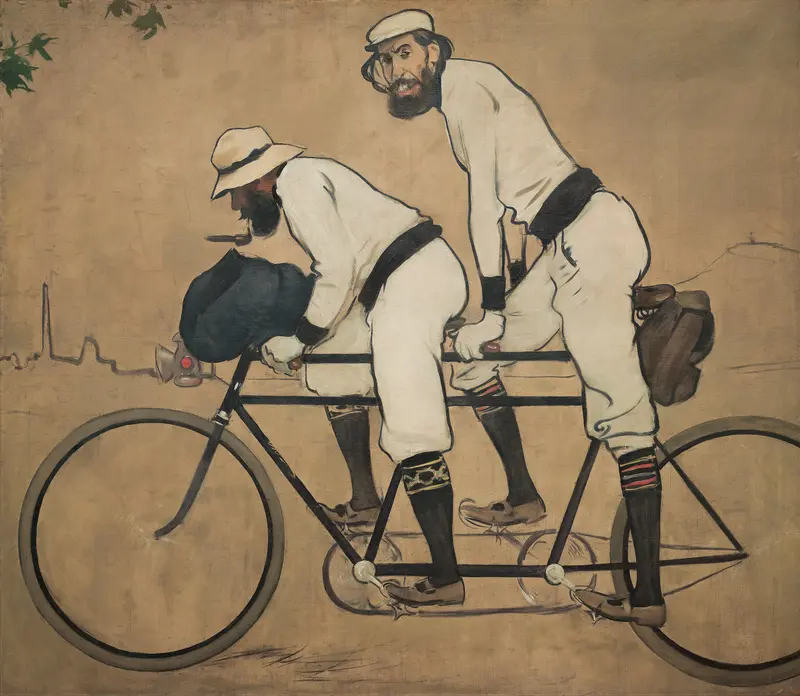 Ramon Casas and Pere Romeu on a TandemRamon Casas
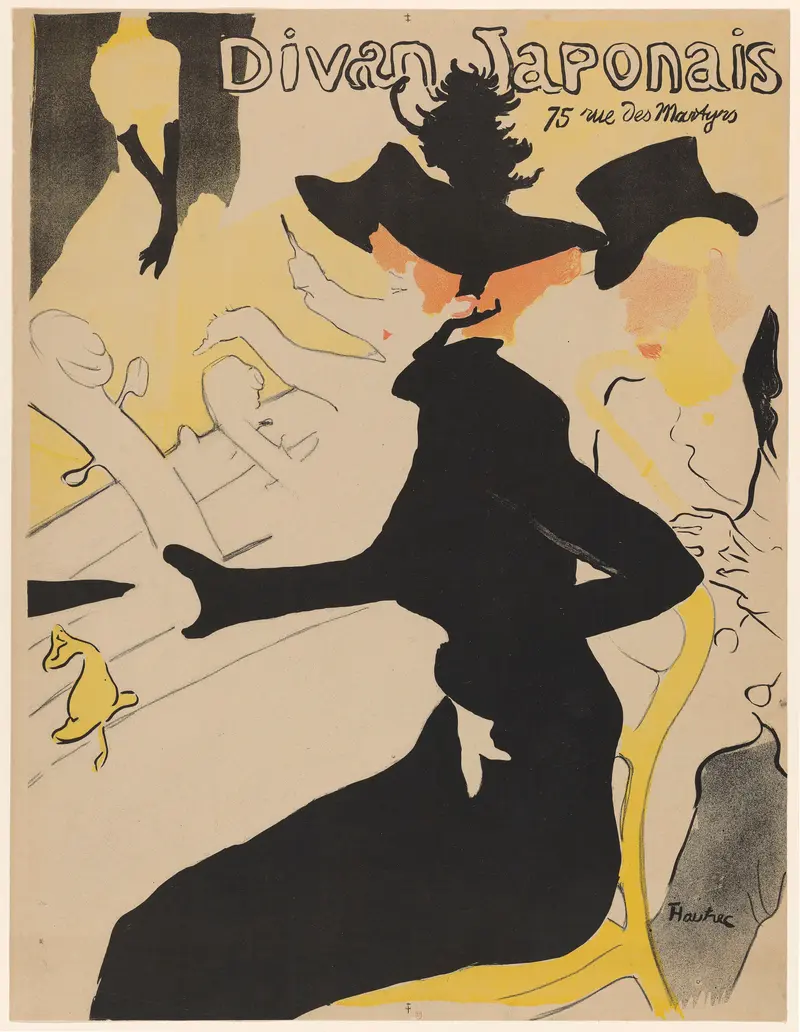 Divan JaponaisHenri de Toulouse-Lautrec
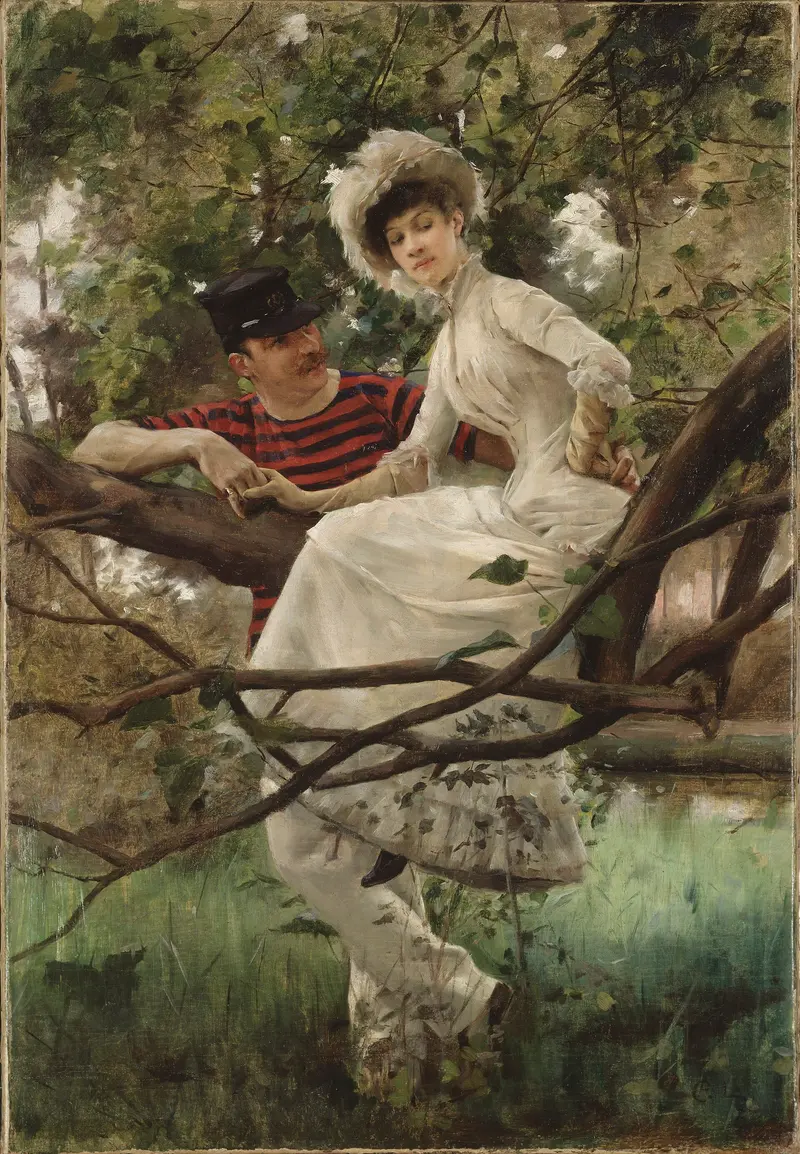
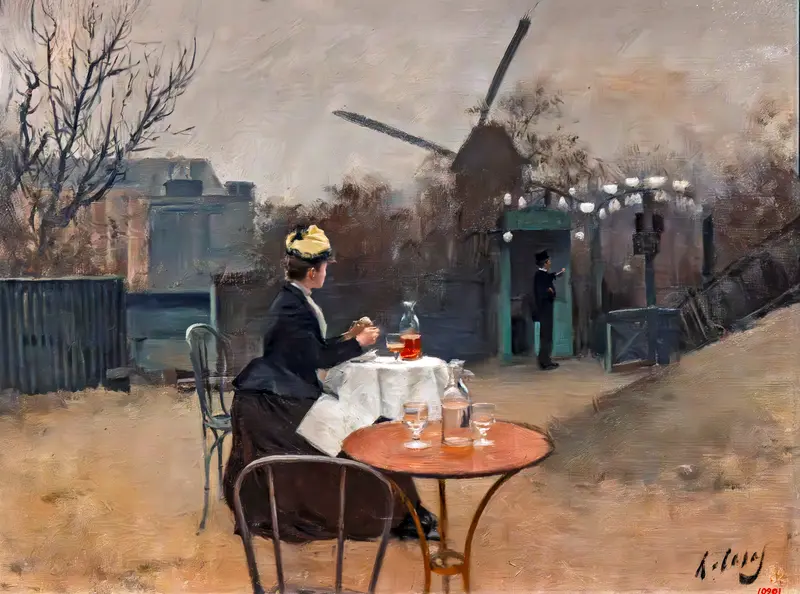 Plein AirRamon Casas
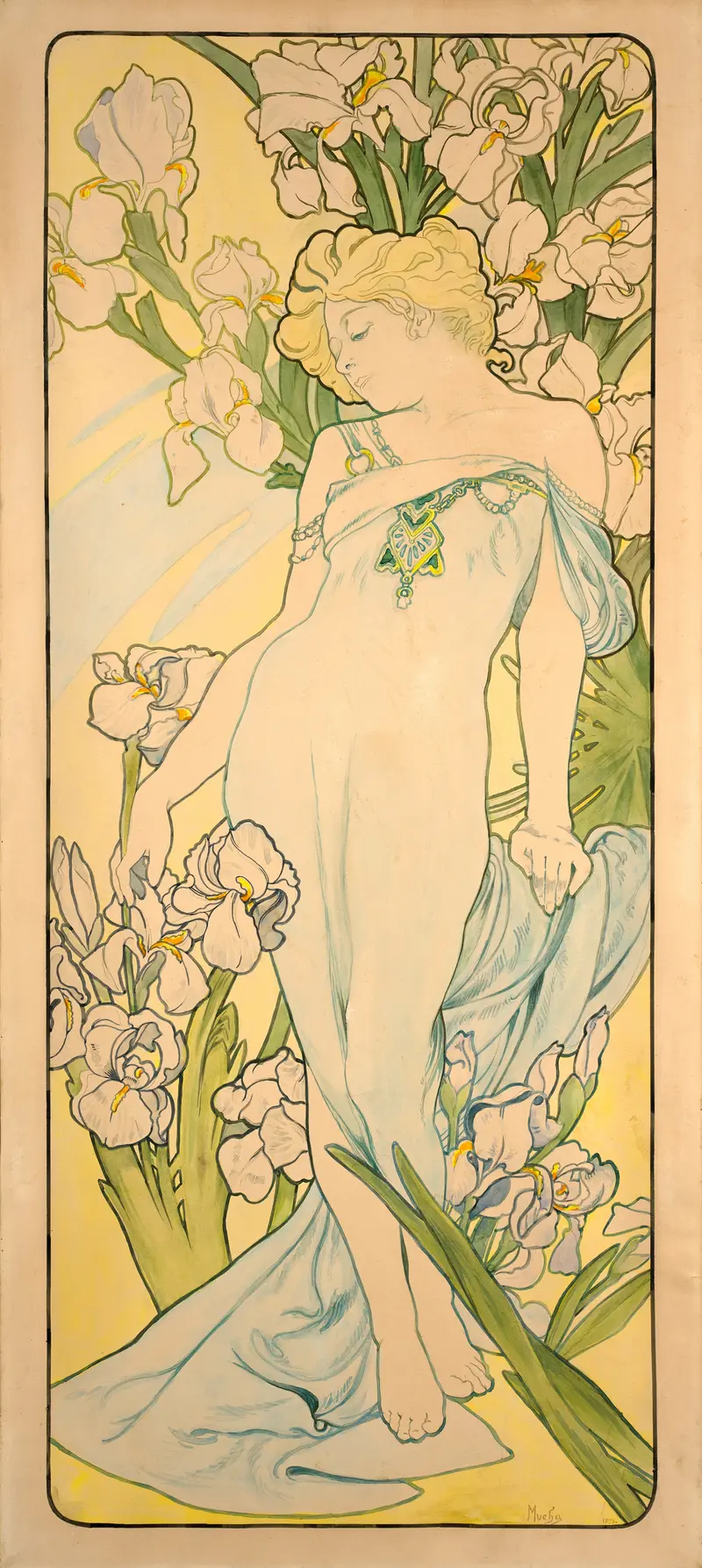
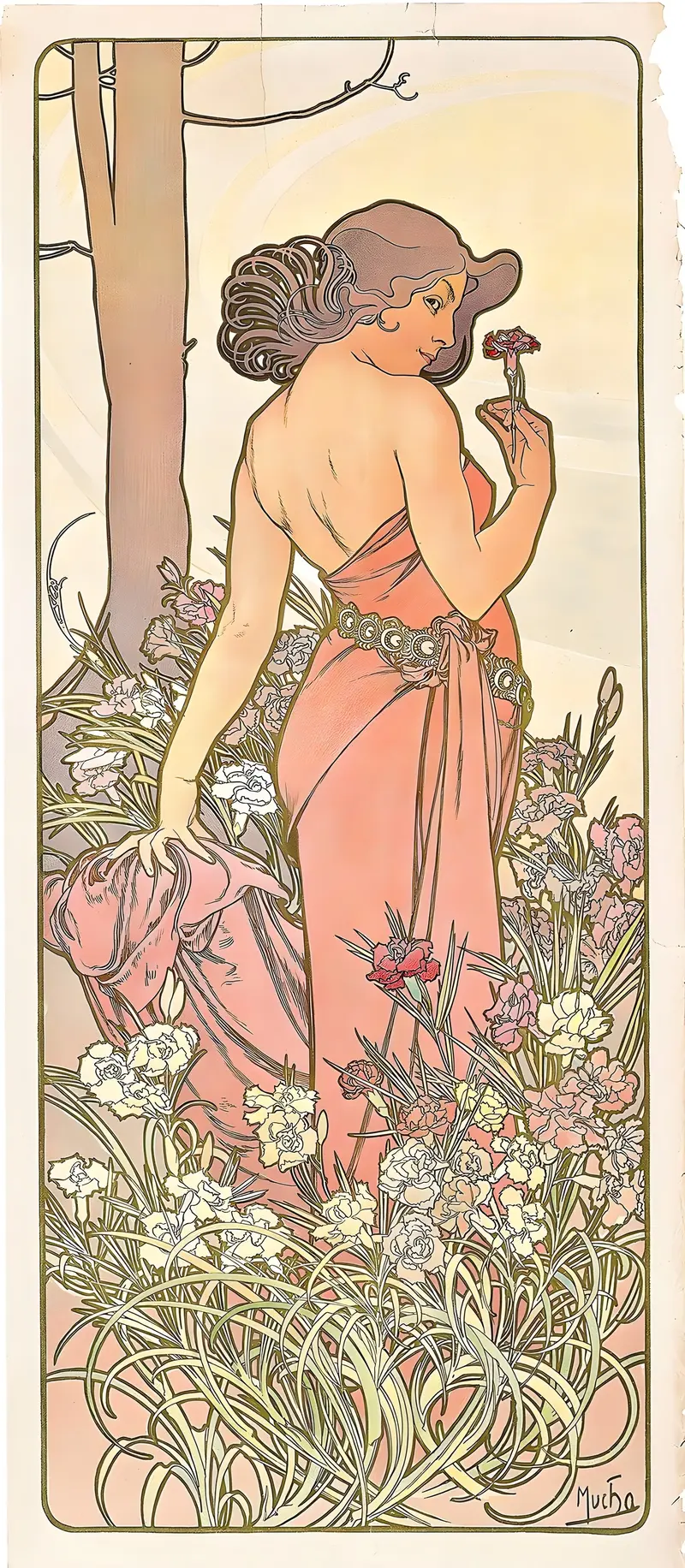
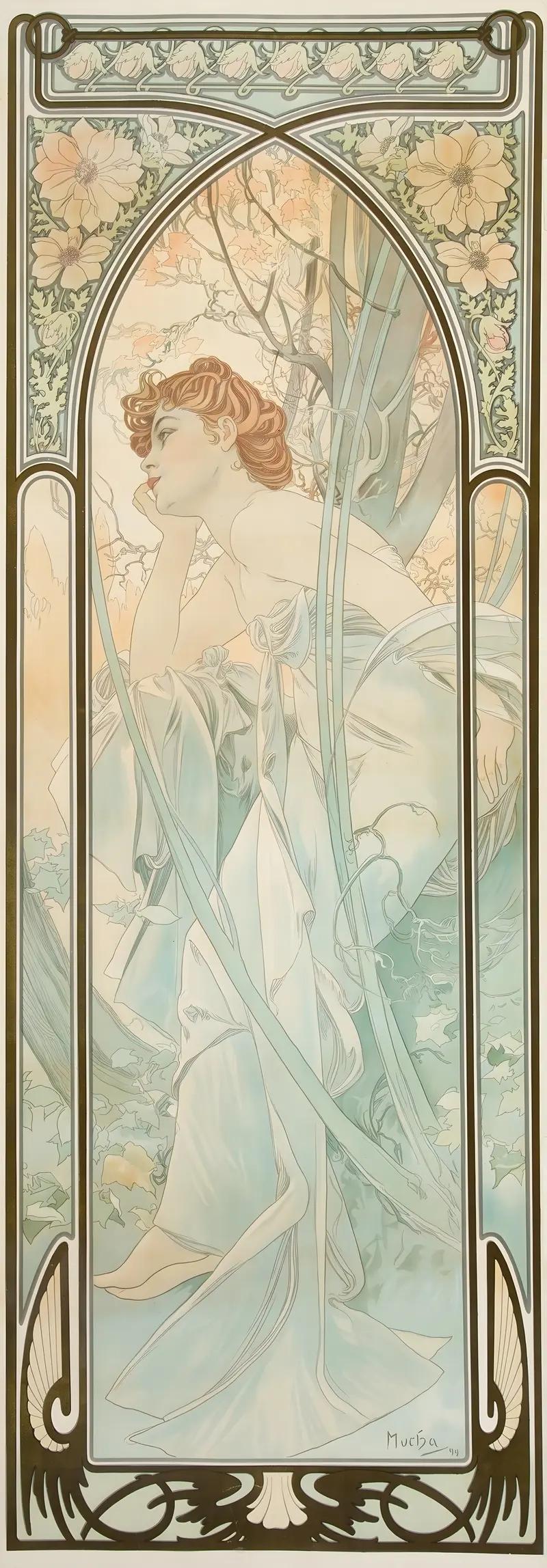
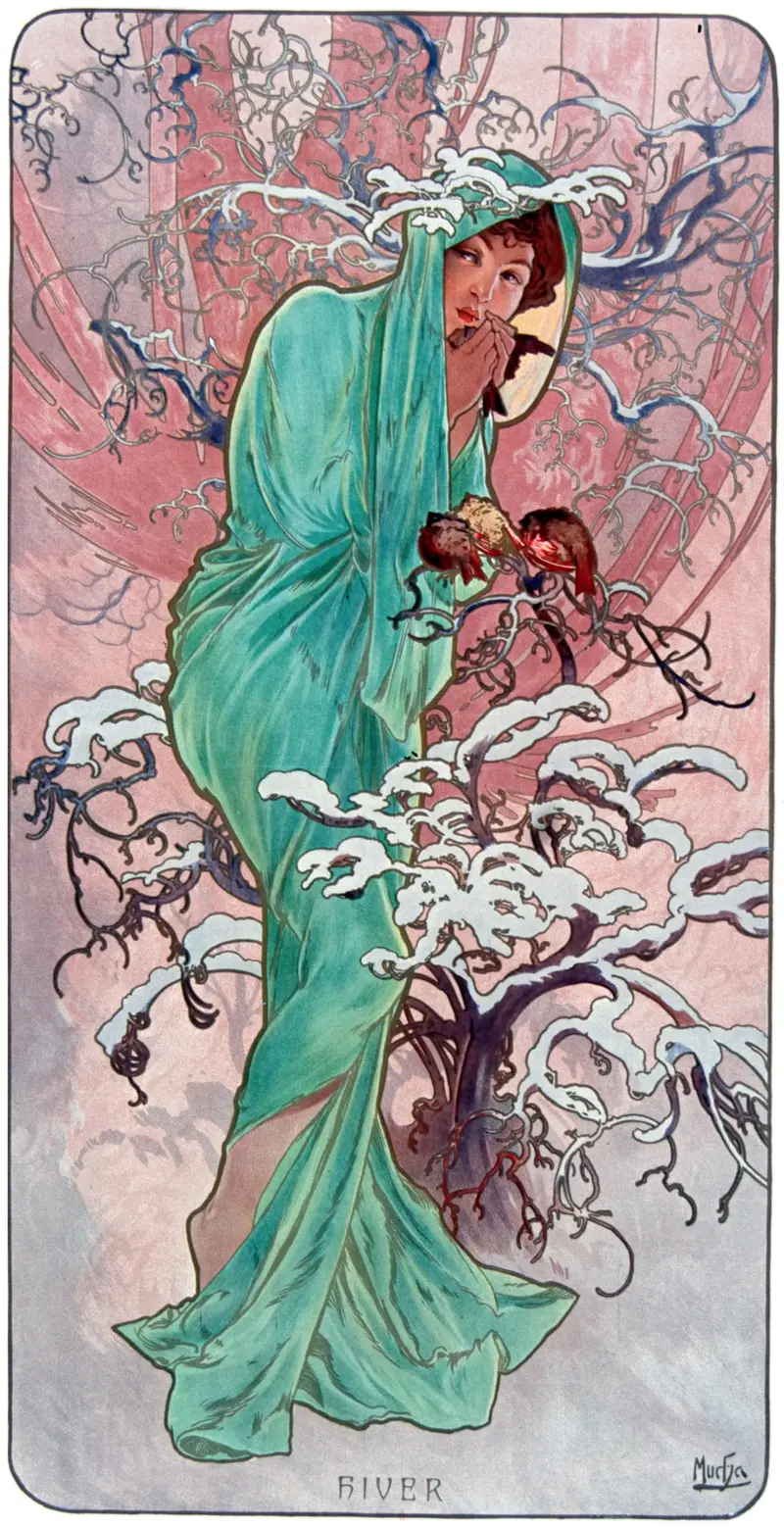
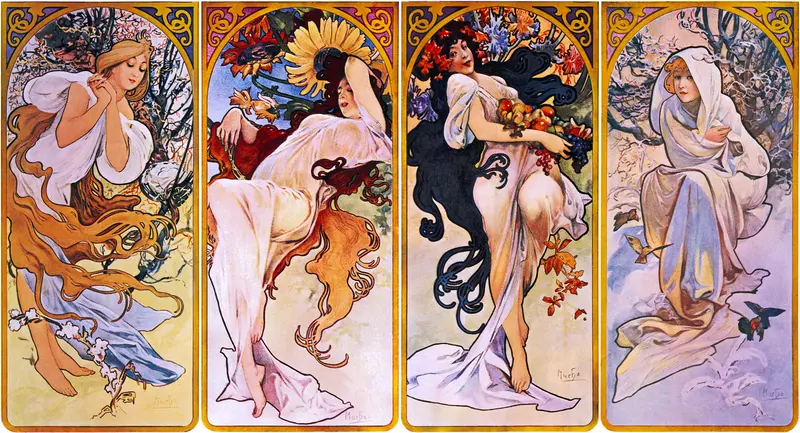 The SeasonsAlphonse Mucha
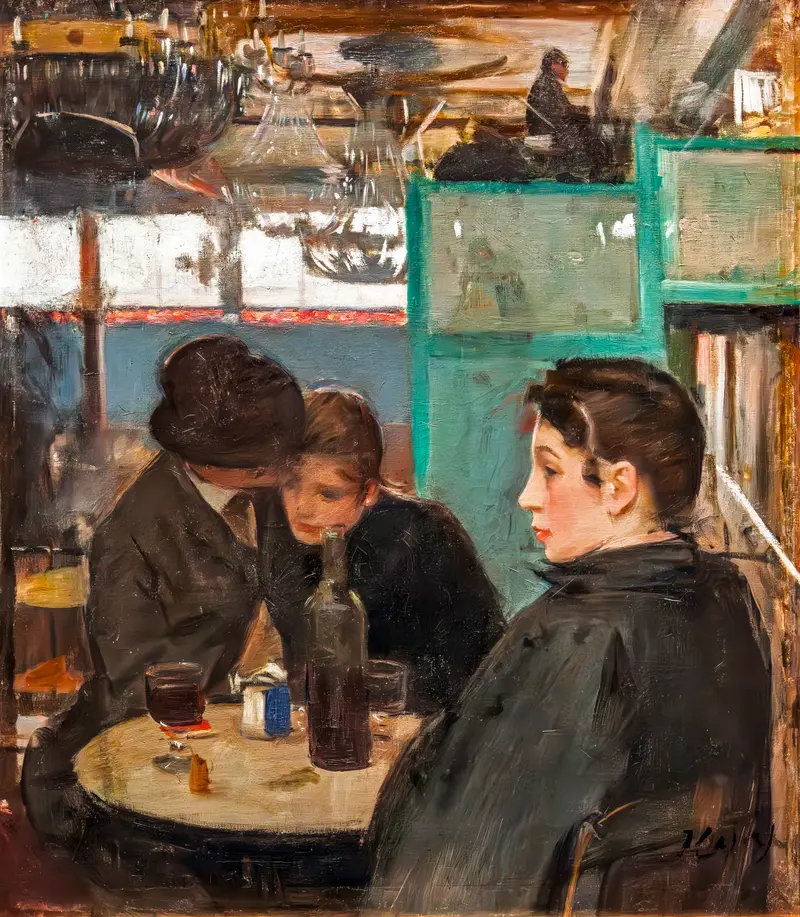 Interior of the Moulin de la GaletteRamon Casas
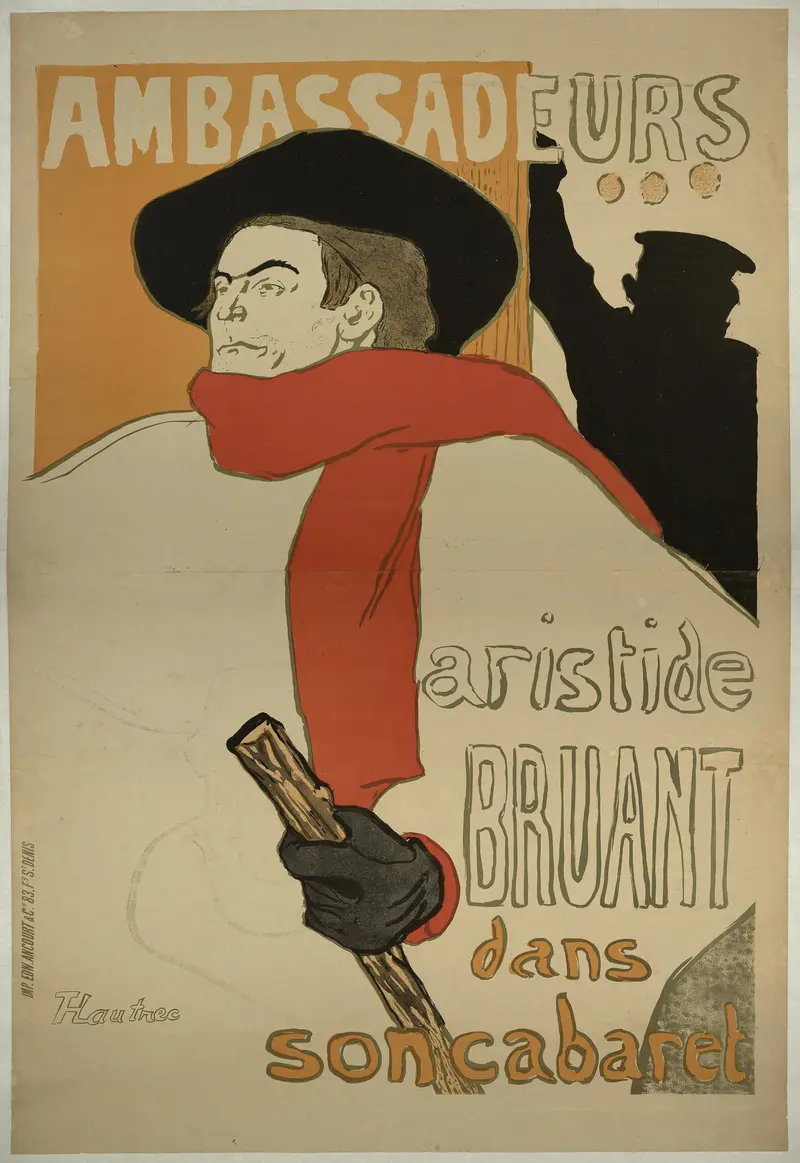 Ambassadeurs: Aristide BruantHenri de Toulouse-Lautrec
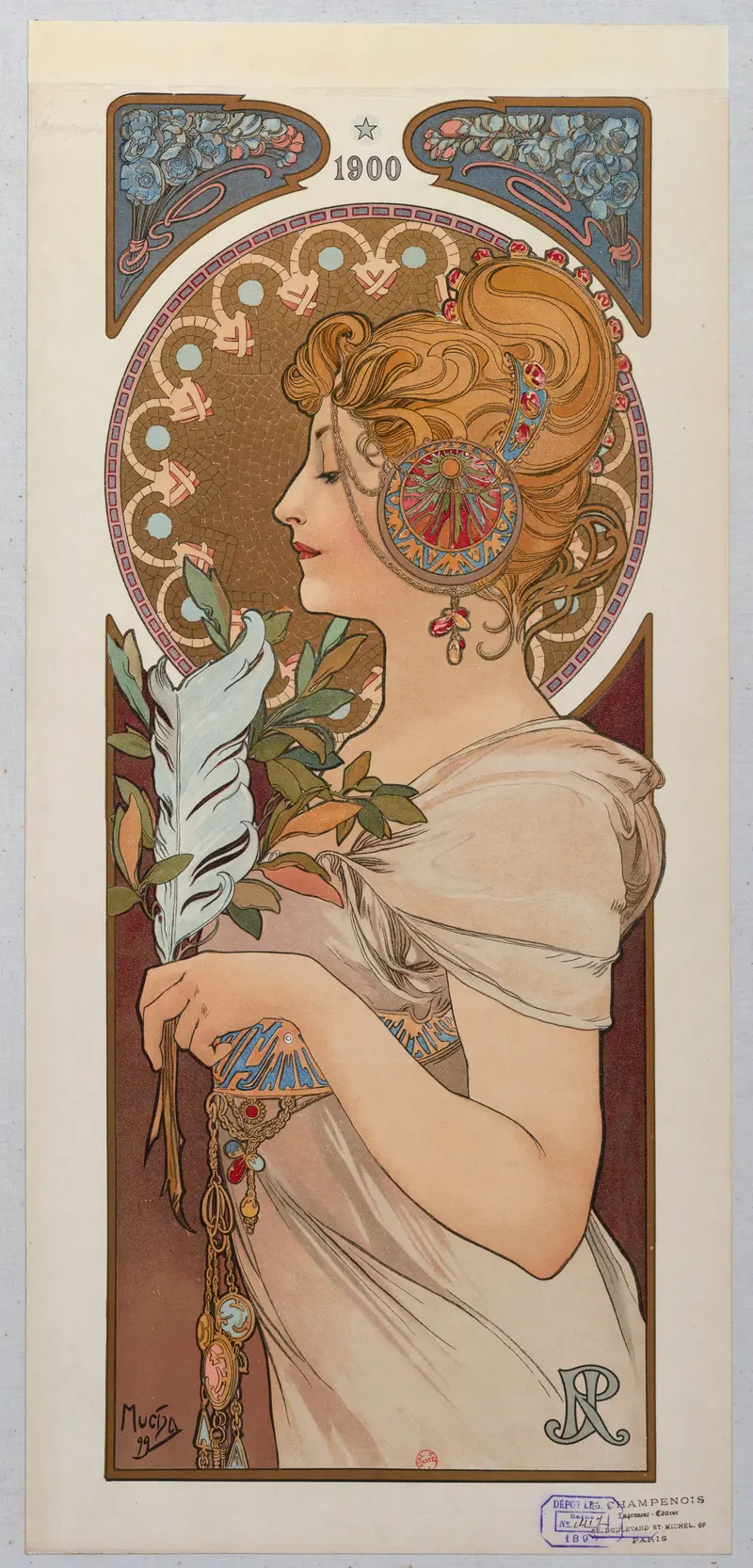
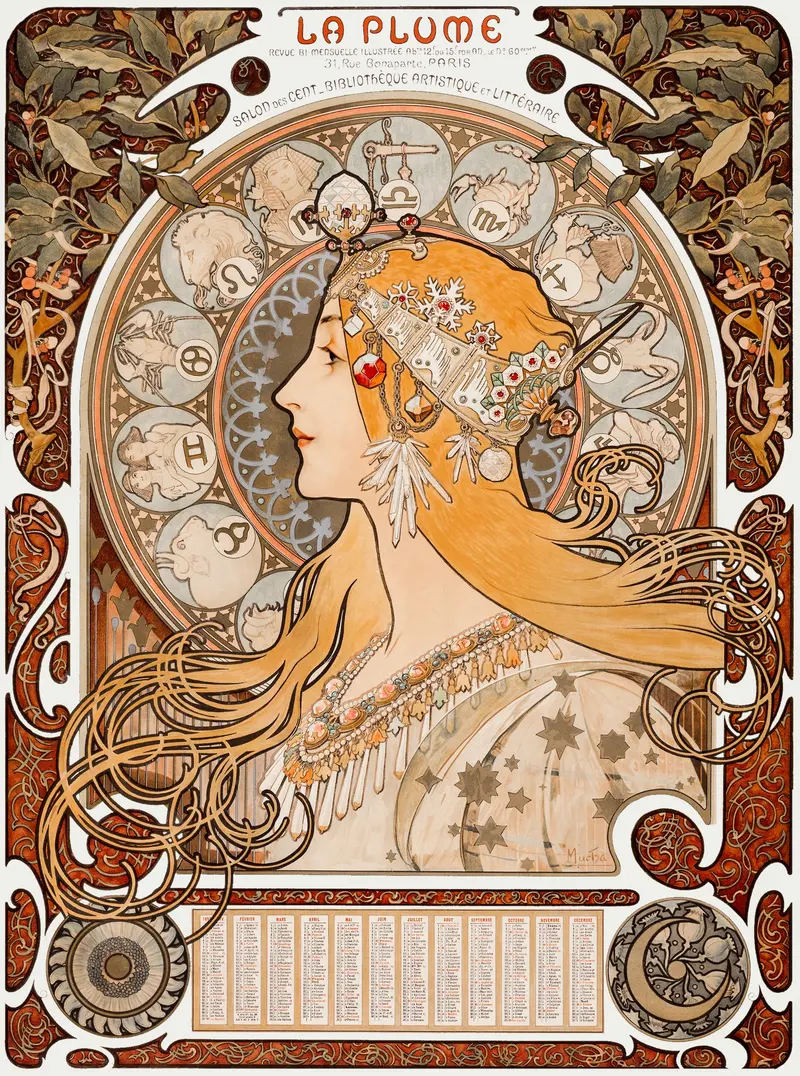 Zodiac (La Plume)Alphonse Mucha
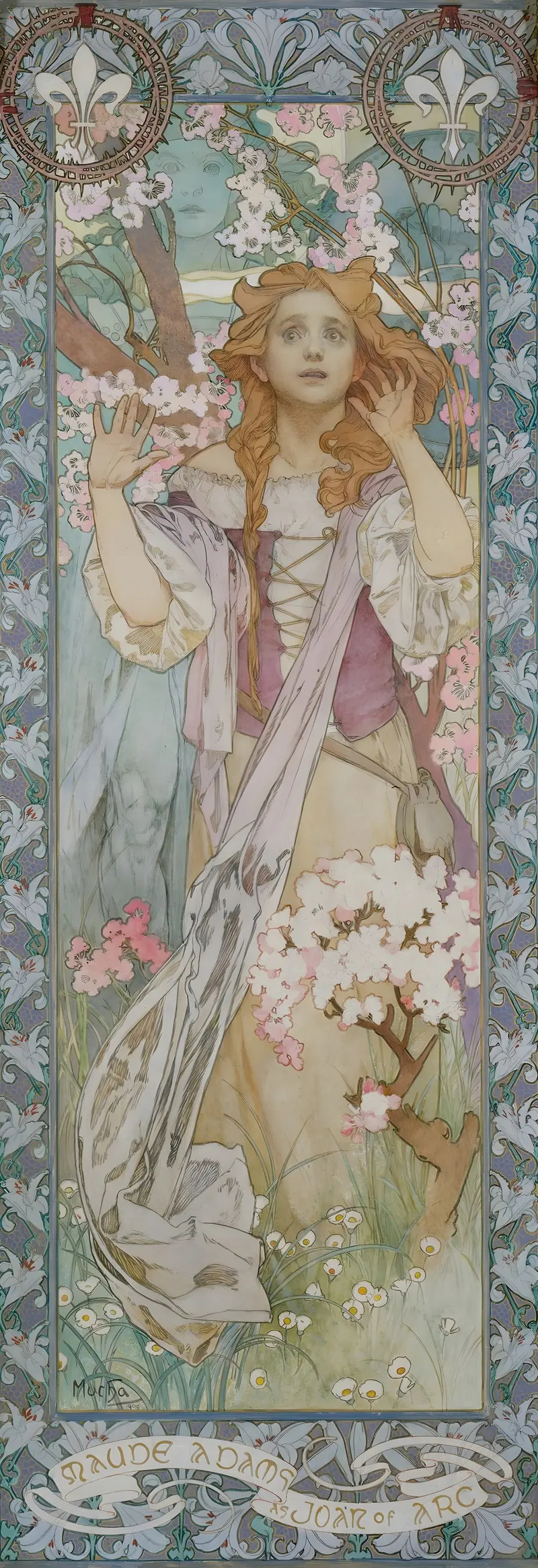 Maude Adams as Joan of ArcAlphonse Mucha
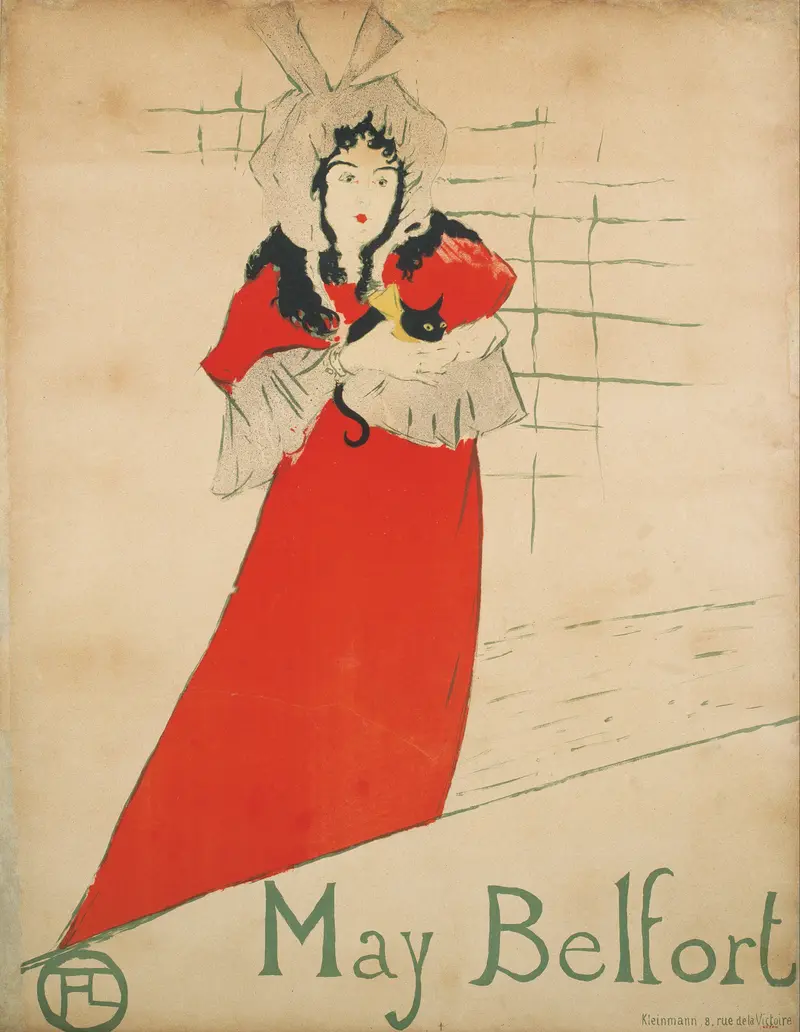 May BelfortHenri de Toulouse-Lautrec
Famous Art Nouveau artists
Nine artists at the heart of Art Nouveau, from Klimt in Vienna to the poster makers of Paris, Brussels and Barcelona. Each link opens all their works.
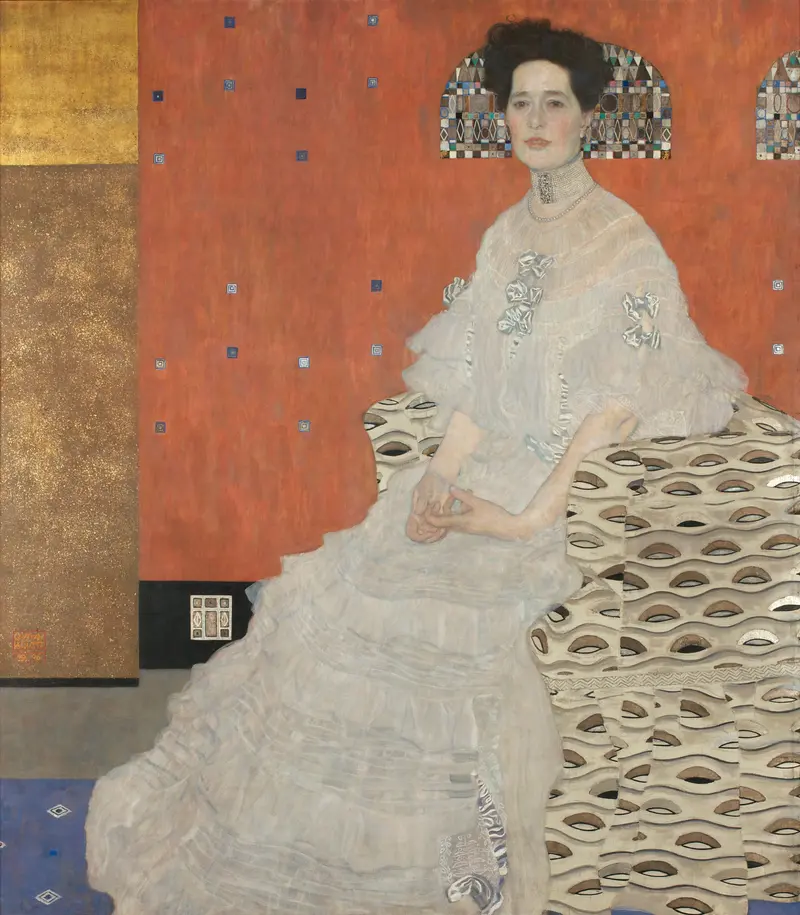
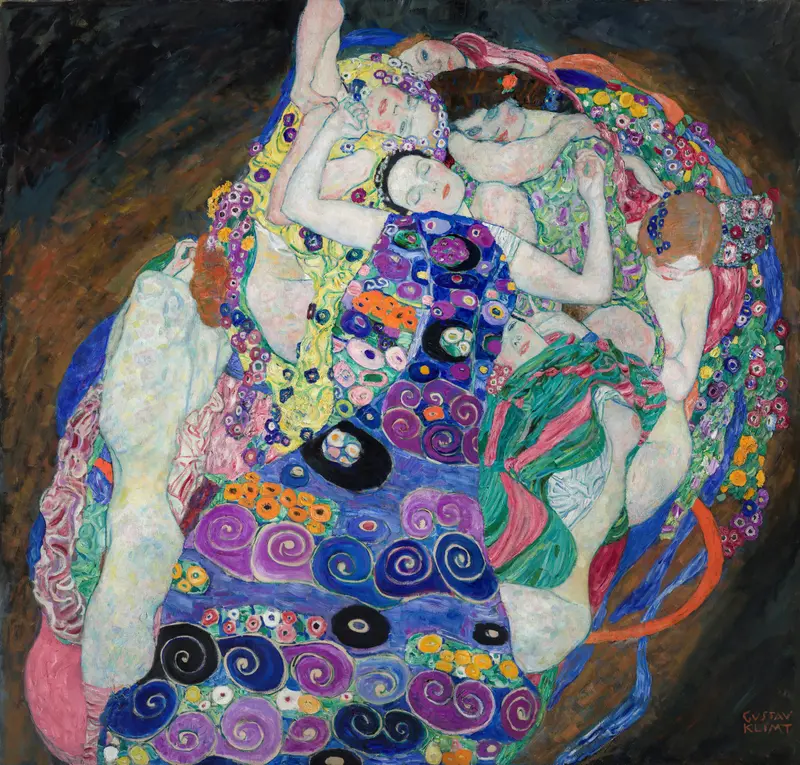 Gustav Klimt1862–1918. Led the Vienna Secession, founded in 1897; in his short-lived “golden style” he set portraits such as Adele Bloch-Bauer's in fields of gold and silver.
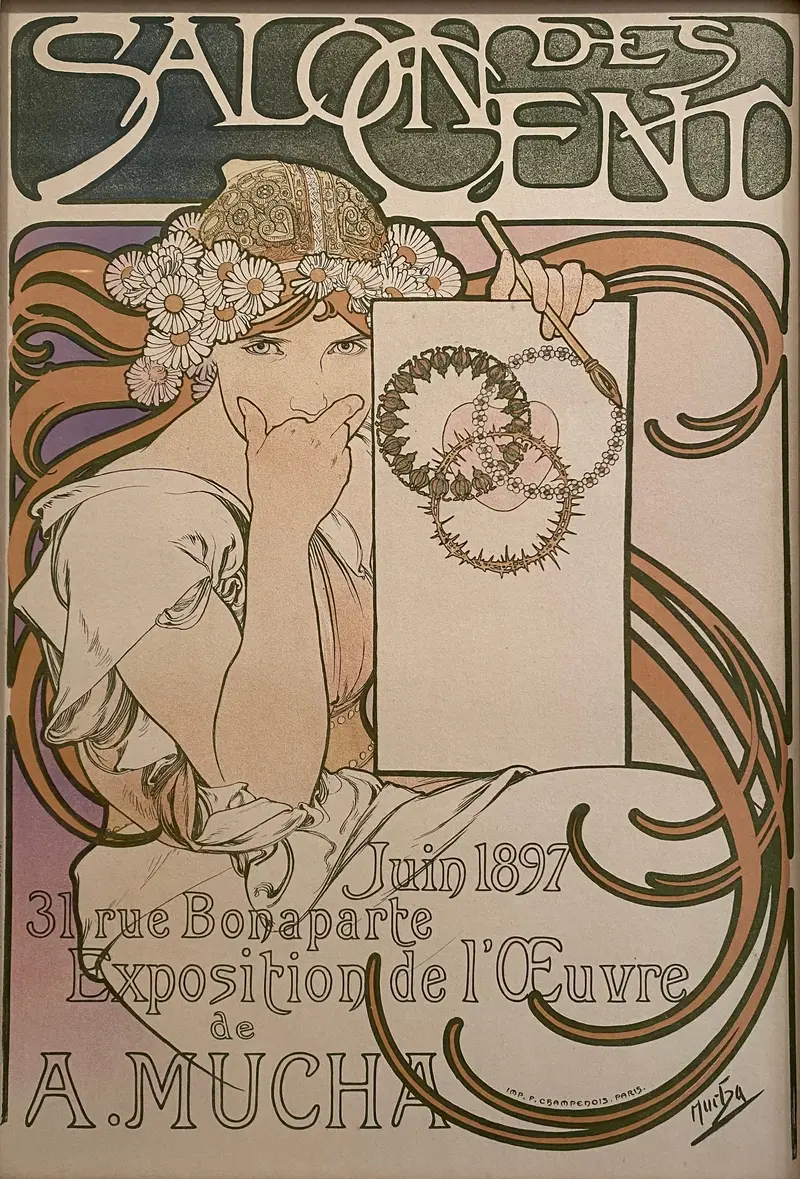
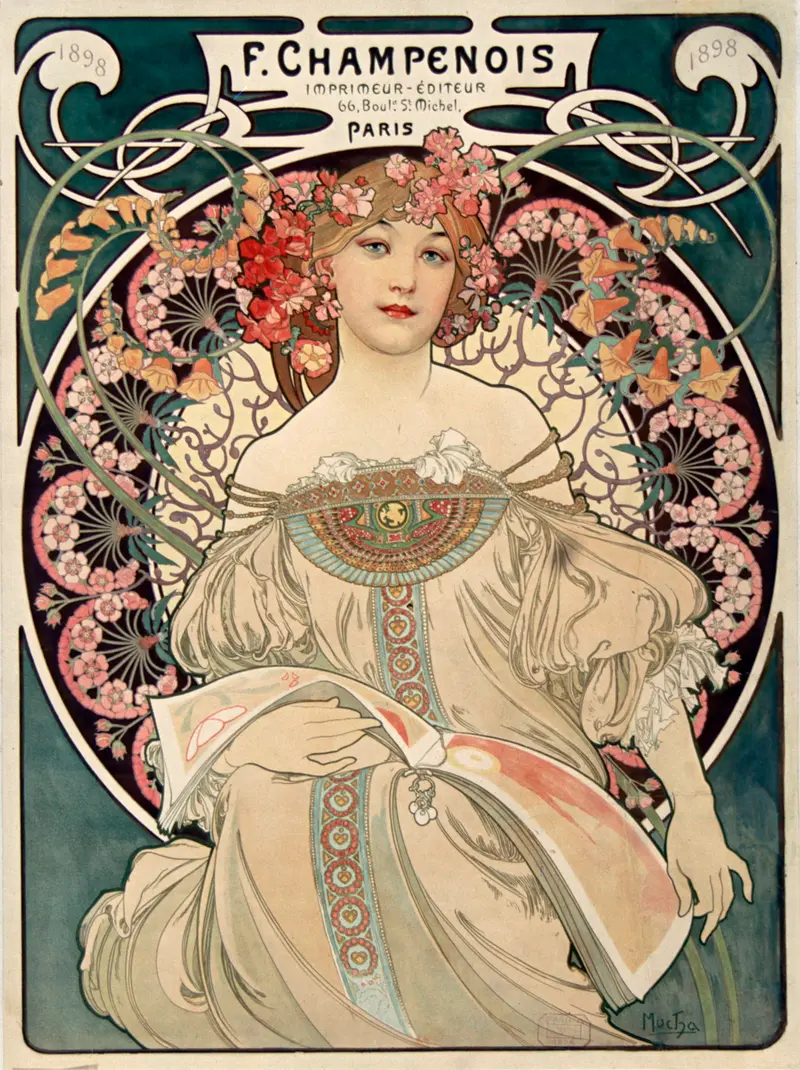 Alphonse Mucha1860–1939. Czech painter who came to Paris in 1887; his 1895 poster of Sarah Bernhardt as Gismonda made his name, and the V&A credits him with popularizing the Art Nouveau poster.
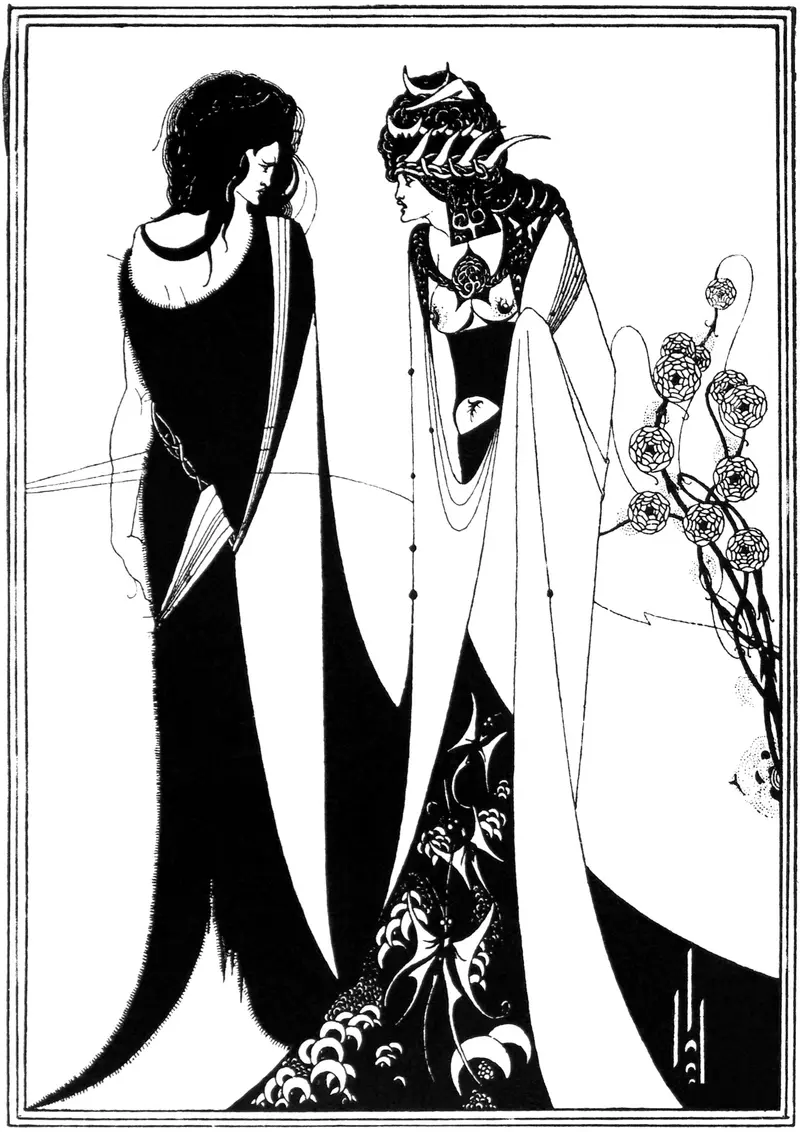 Aubrey Beardsley1872–1898. English illustrator whose drawings for Oscar Wilde's Salome are, the V&A says, commonly held to be the first works in a British Art Nouveau style. He died at the age of twenty-five.
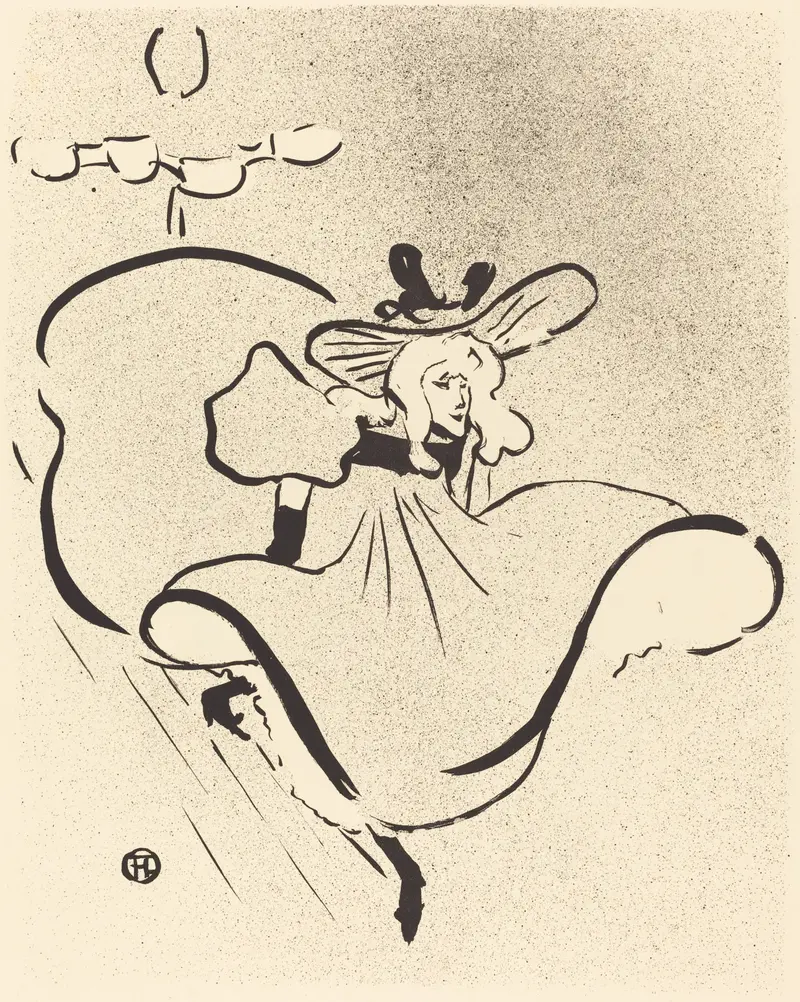 Henri de Toulouse-Lautrec1864–1901. Painter of Montmartre nightlife; his first commissioned poster, Moulin Rouge: La Goulue (1891), was an instant success, and the V&A calls him the best-known name of the French heyday of the art poster.
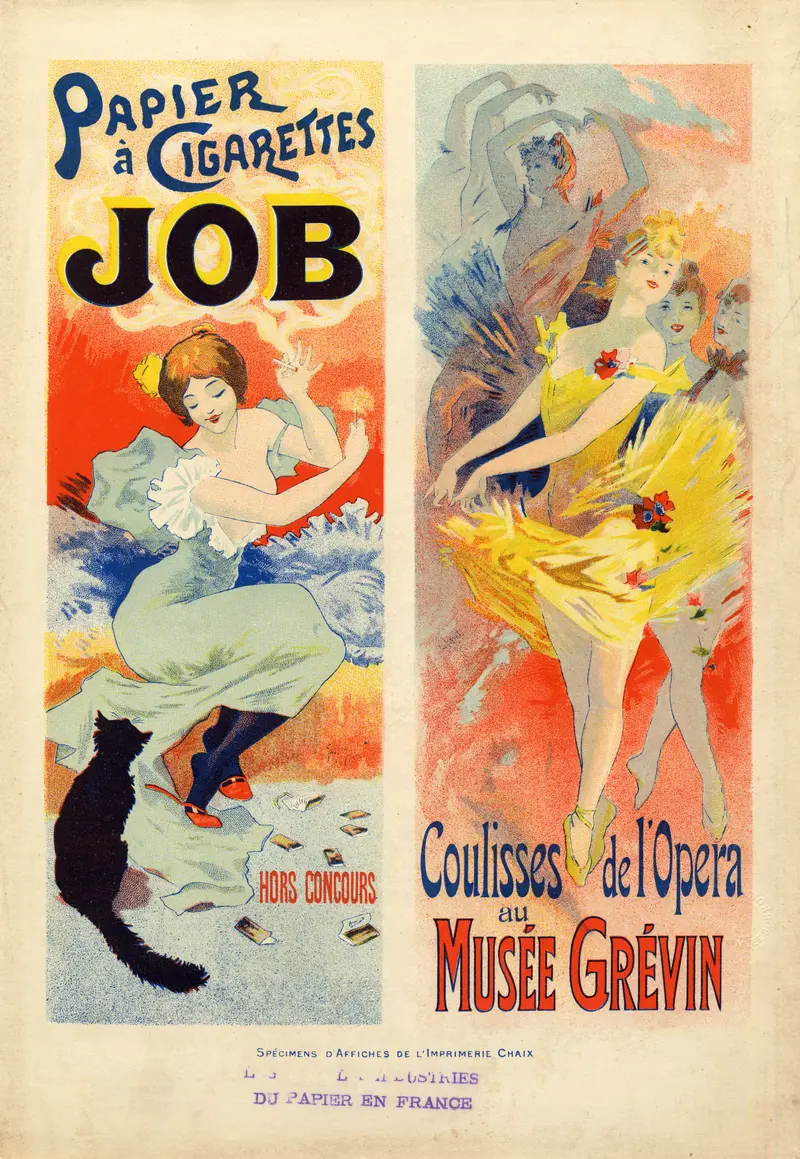
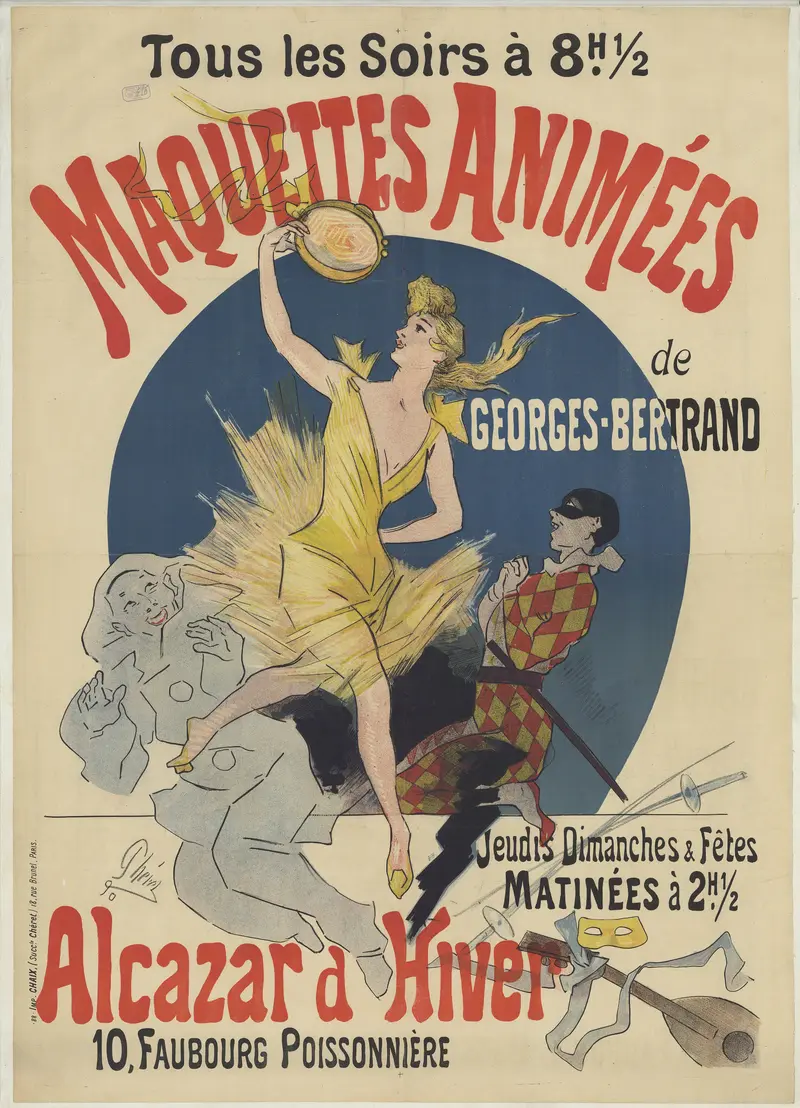
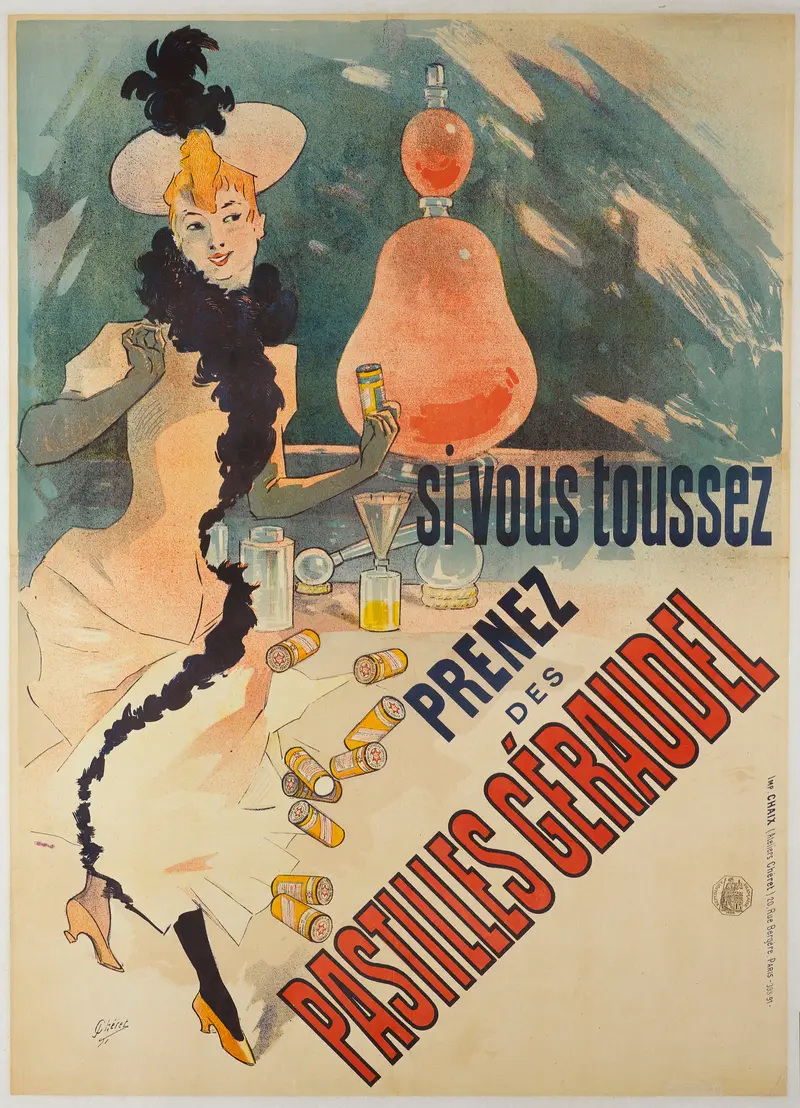
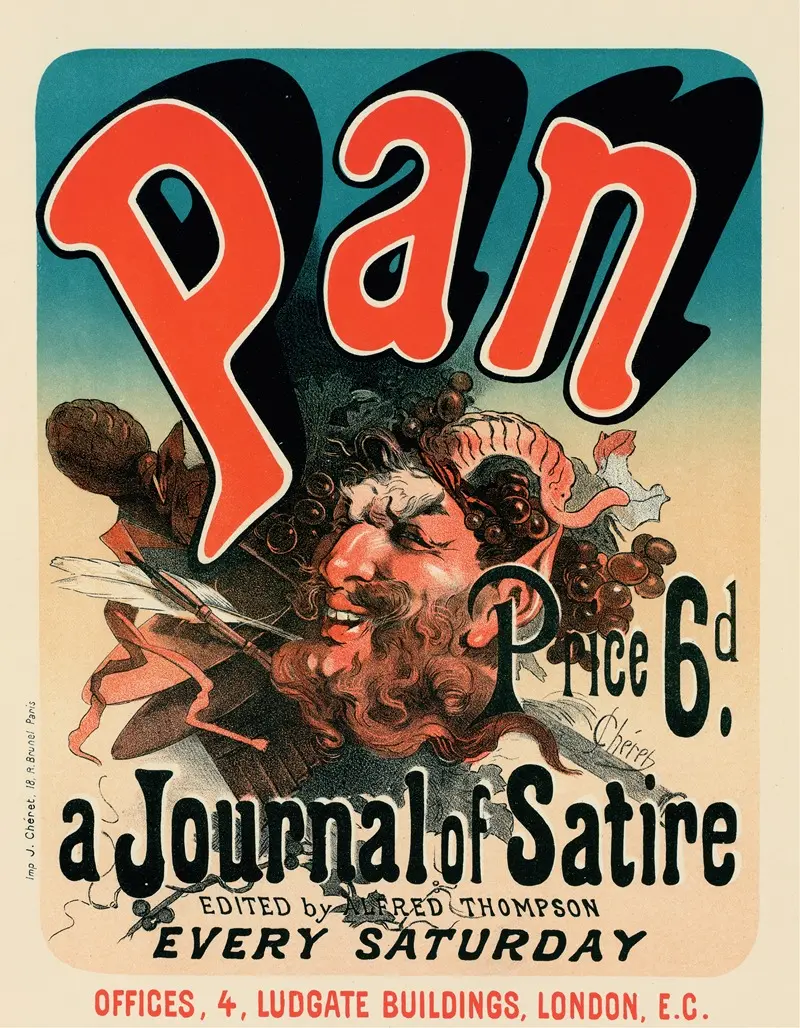 Jules Chéret1836–1932. Known as the “father of the poster”: the V&A credits him with the first color lithograph posters, in 1866, and with posters whose lightness and movement captivated the public.
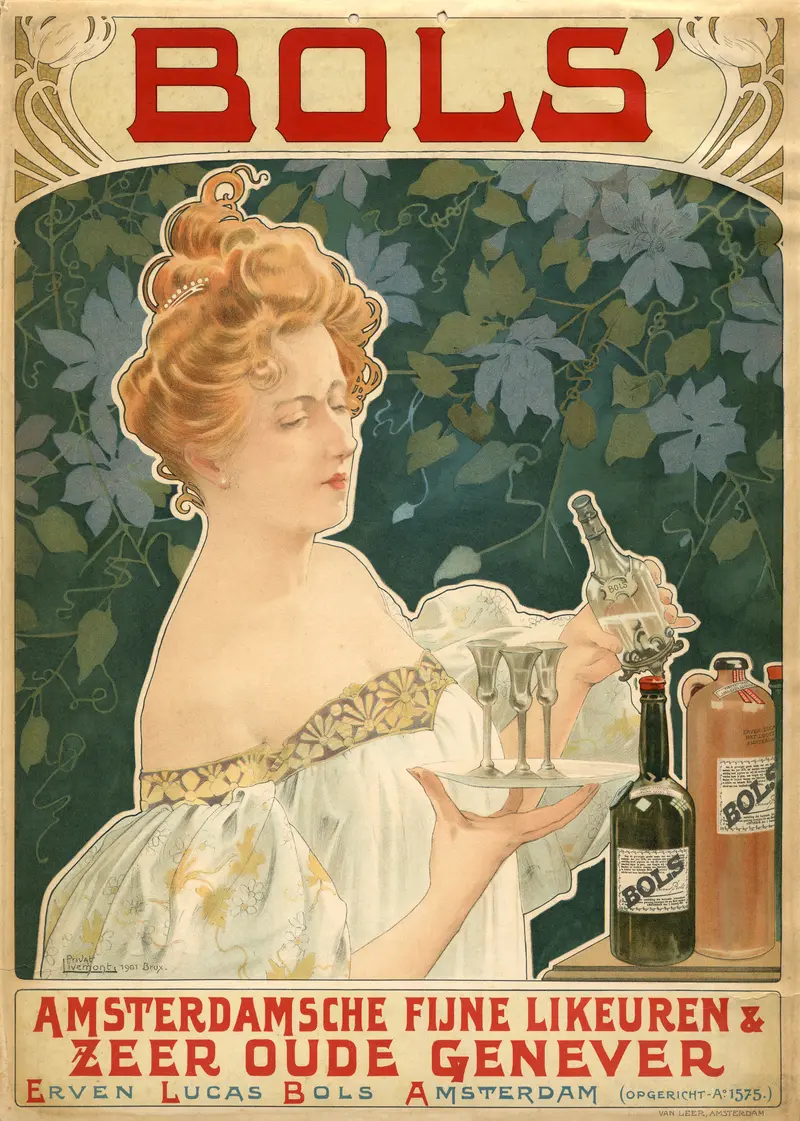
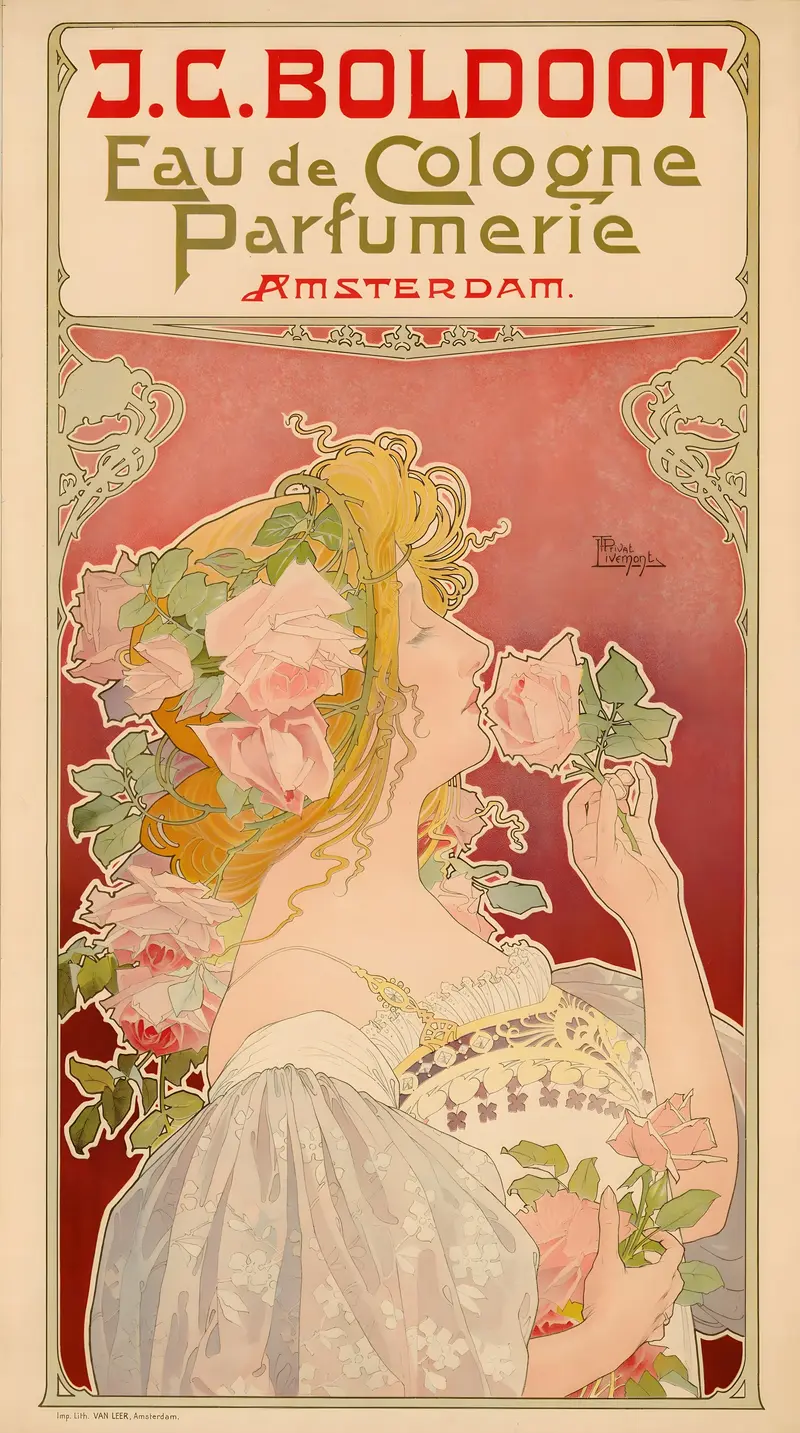
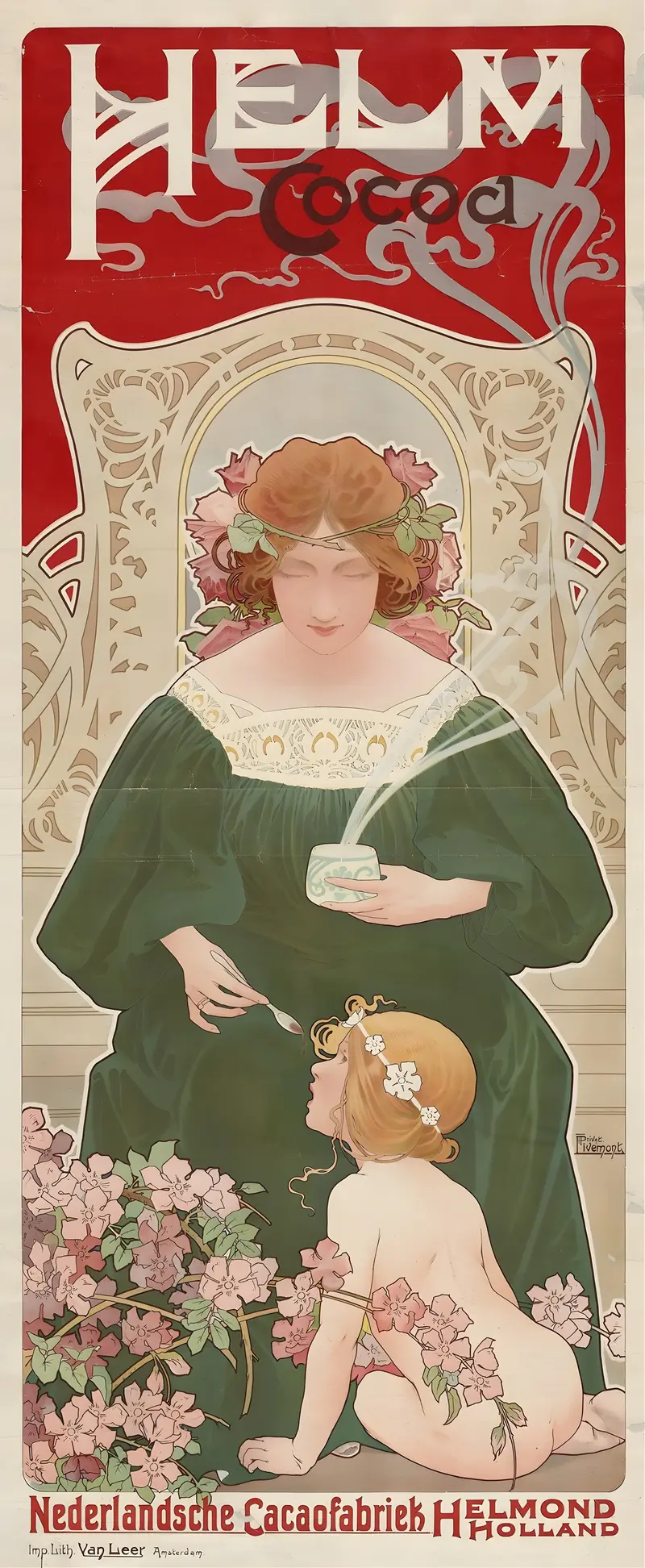 Henri Privat-Livemont1861–1936. Belgian poster artist; the V&A notes the plumes of smoke behind his Absinthe Robette (1896) and the coffee steam that turns into the lettering of Rajah (1898).
 Koloman Moser1868–1918. Vienna Secession designer and a founder of the Wiener Werkstätte; the Leopold Museum says his early posters kept to a floral, linear style before he turned to geometric design around 1900.
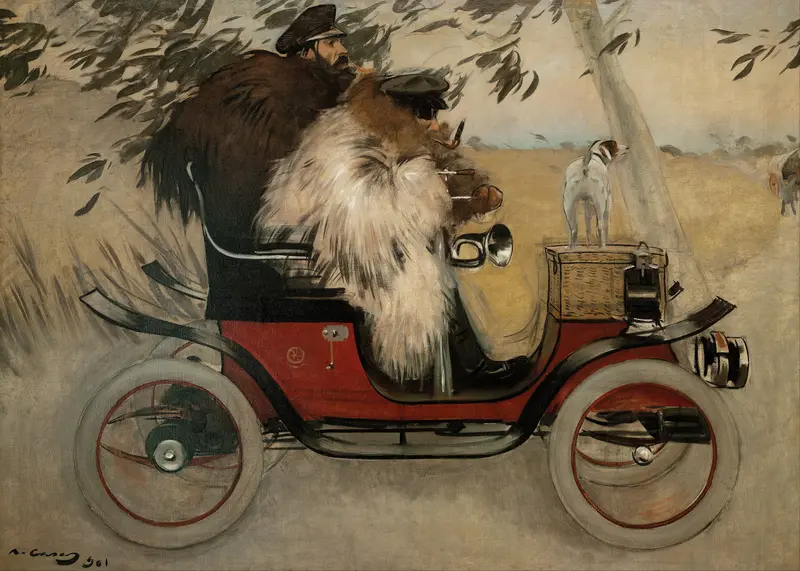 Ramon Casas1866–1932. Barcelona painter of Catalan Modernisme; the museum in Barcelona says his Tandem, painted for the beer hall Els Quatre Gats, belongs in the realm of the poster, a field in which he had made quite a name for himself.
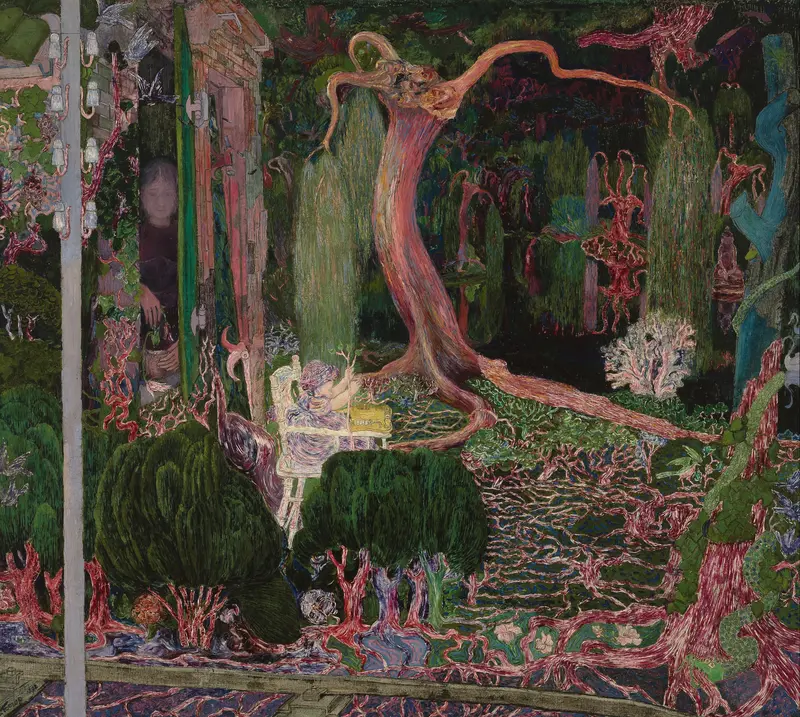 Jan Toorop1858–1928. Dutch painter whose 1894 poster for Delft Salad Oil, the Rijksmuseum says, became an icon and gave Dutch Art Nouveau its nickname, the “salad oil style.”
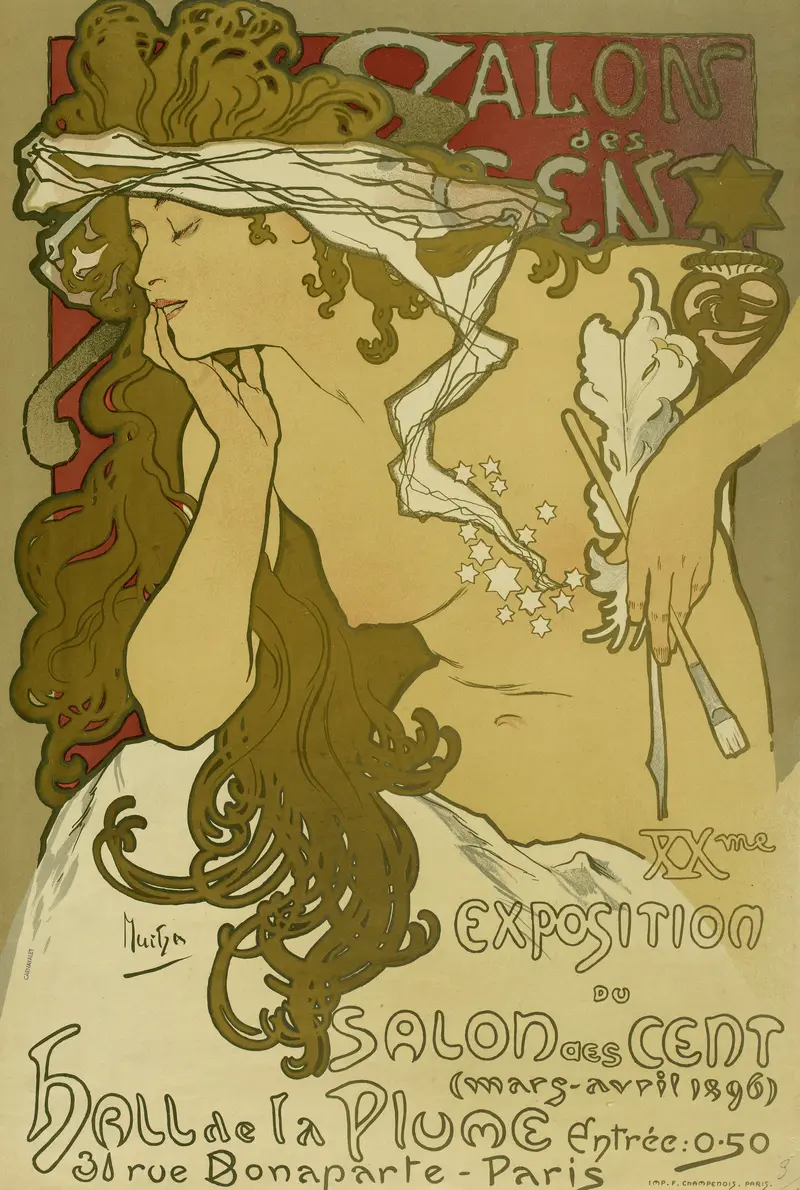
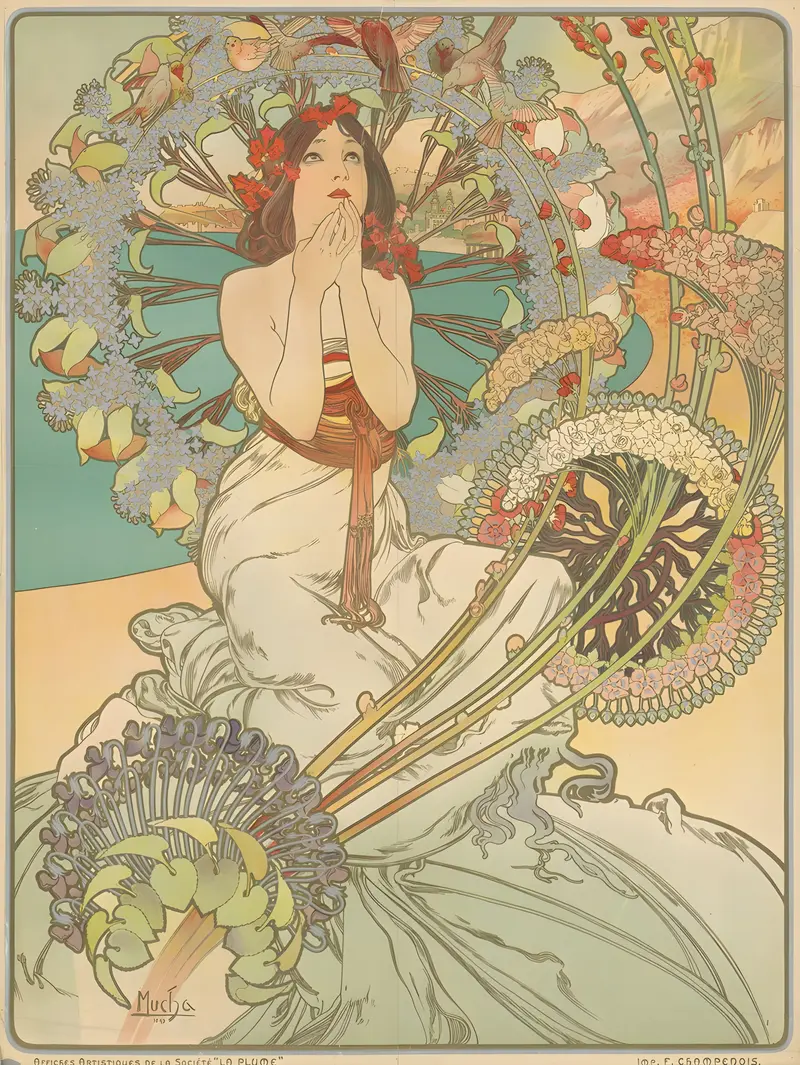
Alphonse Mucha posters
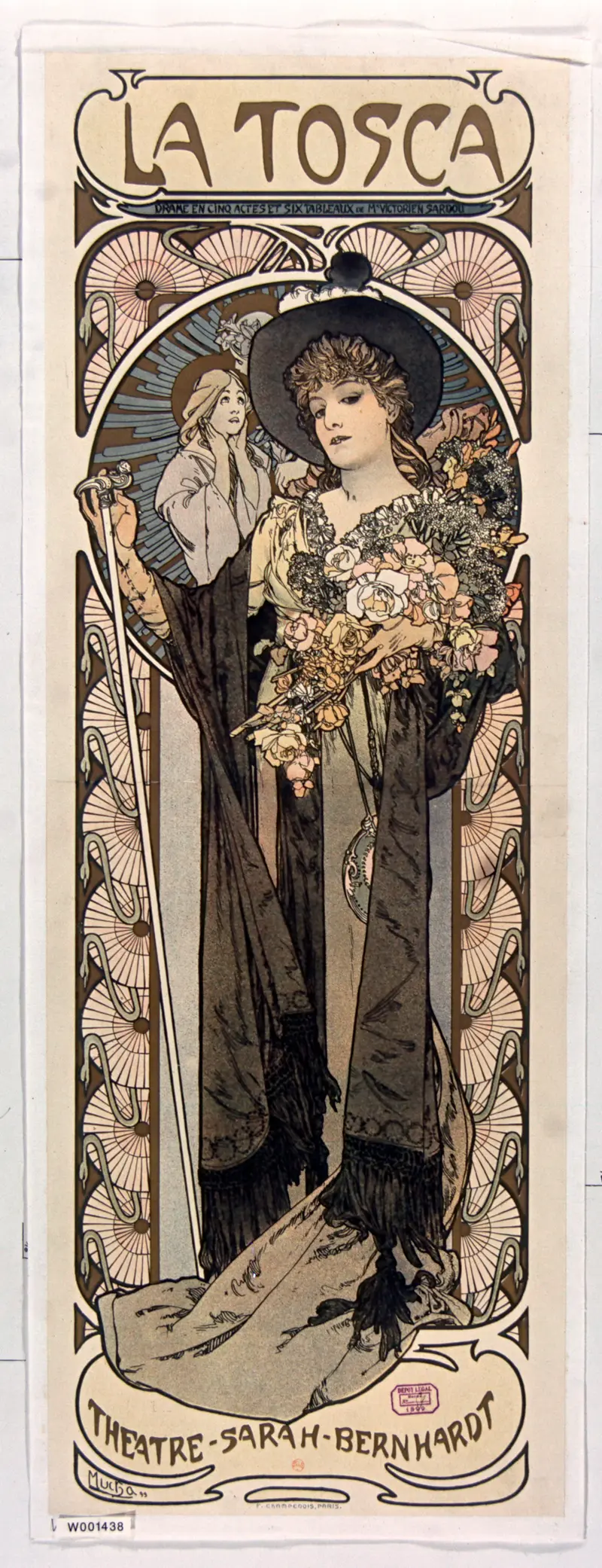
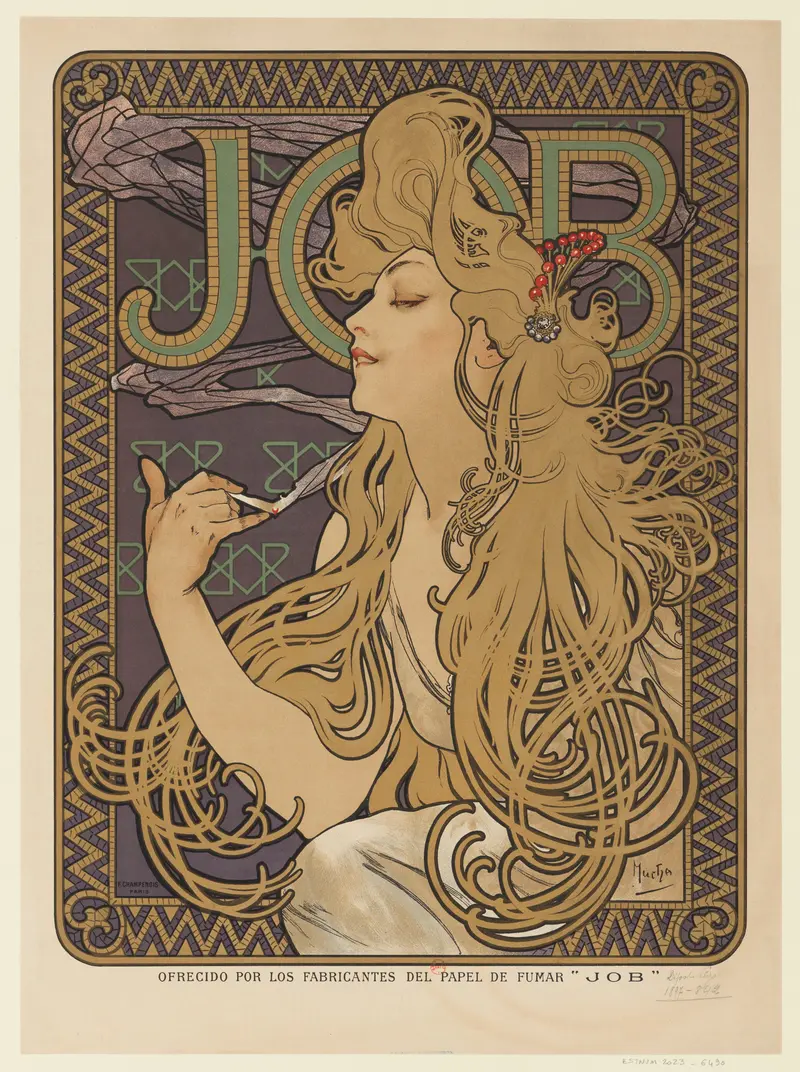
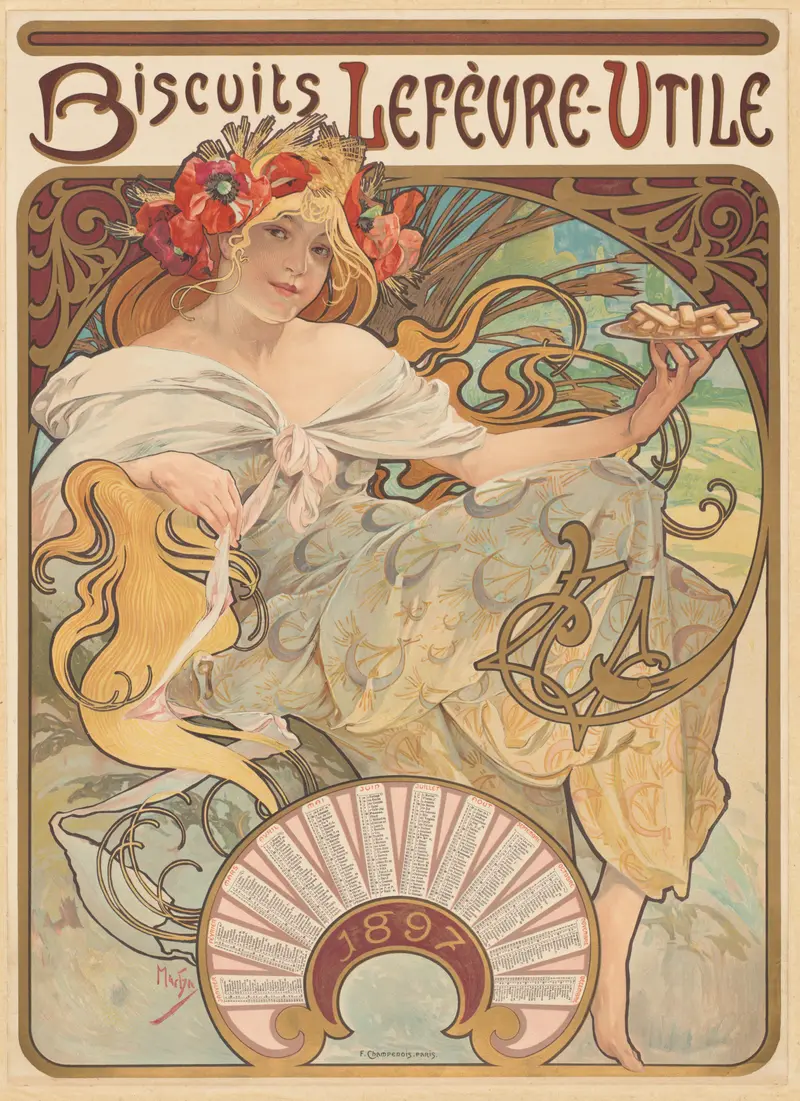
Mucha came to Paris in 1887 and made his name in 1895 with a poster of Sarah Bernhardt, who then hired him for more posters, sets and costumes. He took up posters for financial reasons, the V&A says, but called them “an art for the people.”
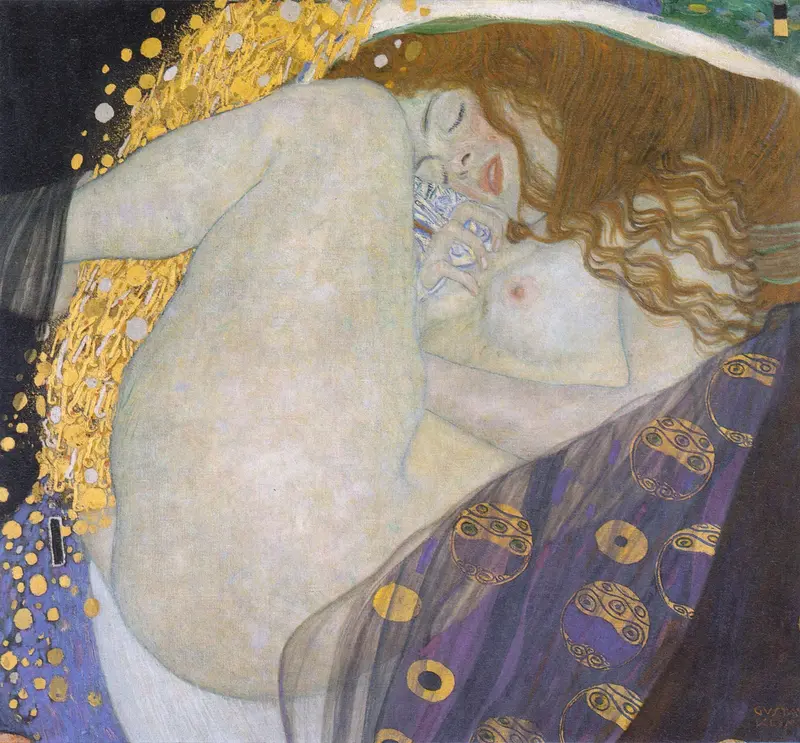
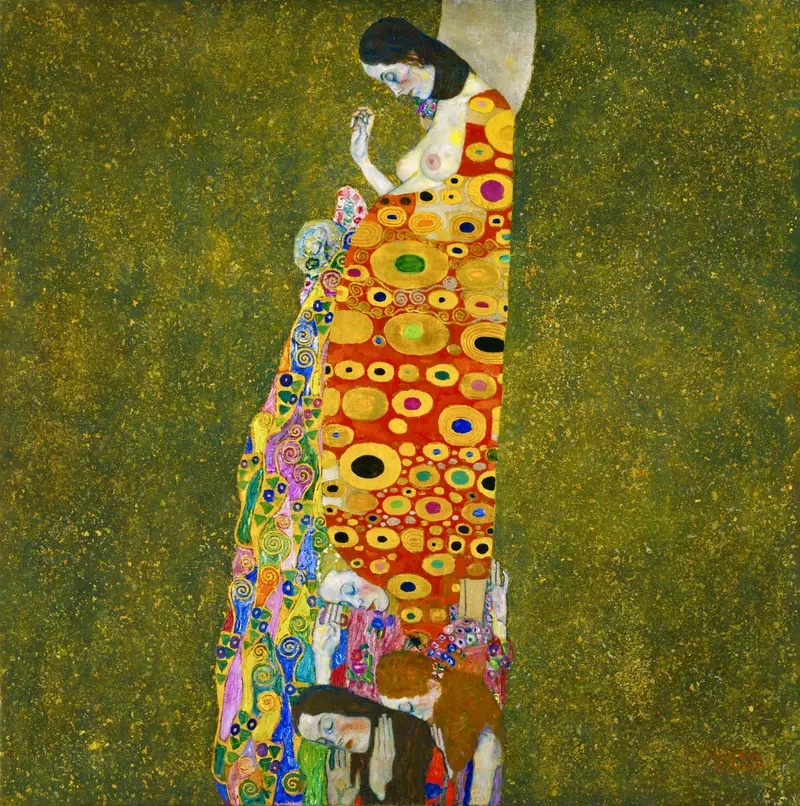
Gustav Klimt's golden style
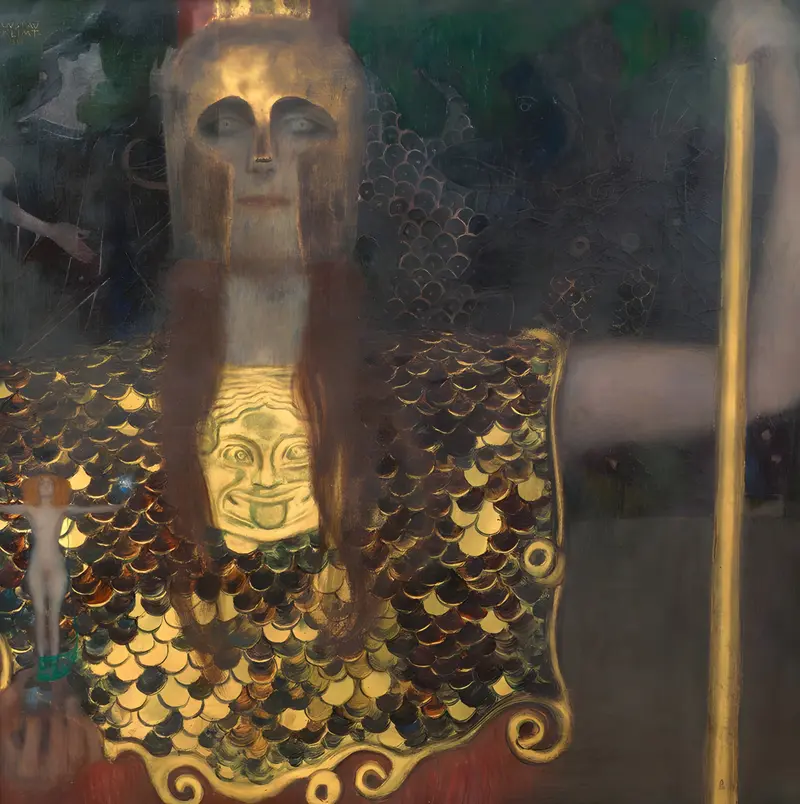
Klimt's golden style drew on the Byzantine mosaics he saw in Ravenna in December 1903, which he called of “unprecedented splendor,” the Neue Galerie says; he set figures in fields of gold and silver and jewel-like ornament. The Belvedere calls these years his “Golden Epoch.”


Art Nouveau posters from Paris
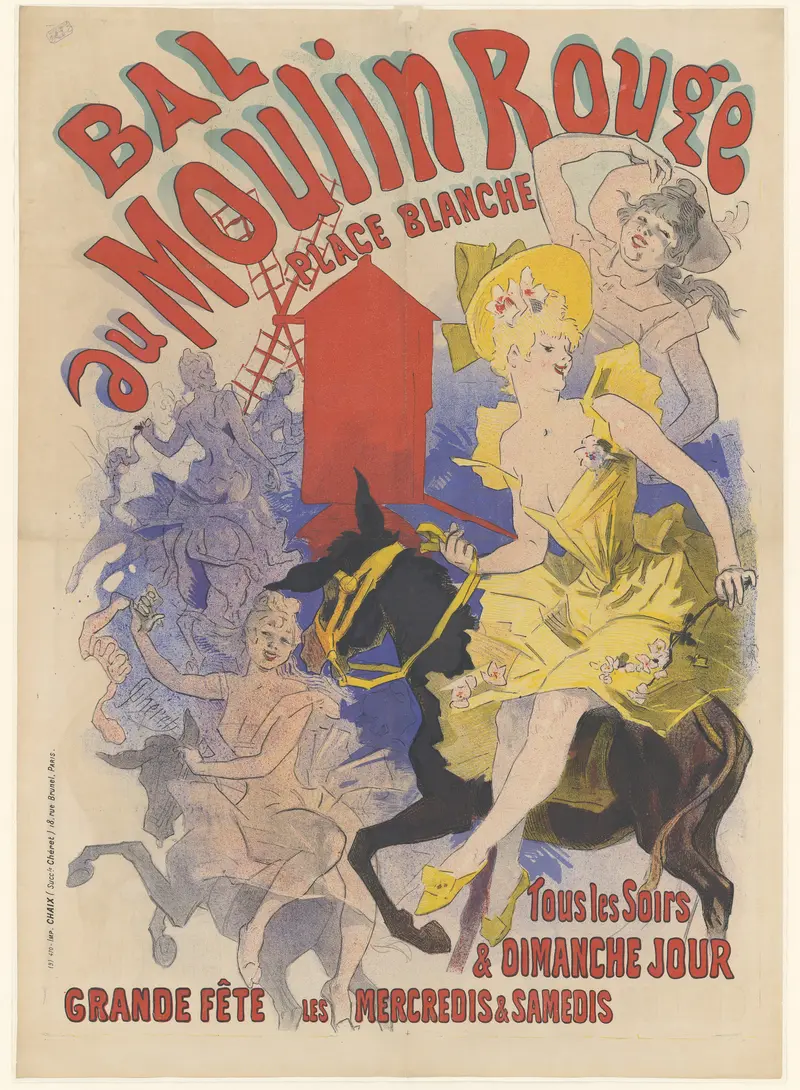
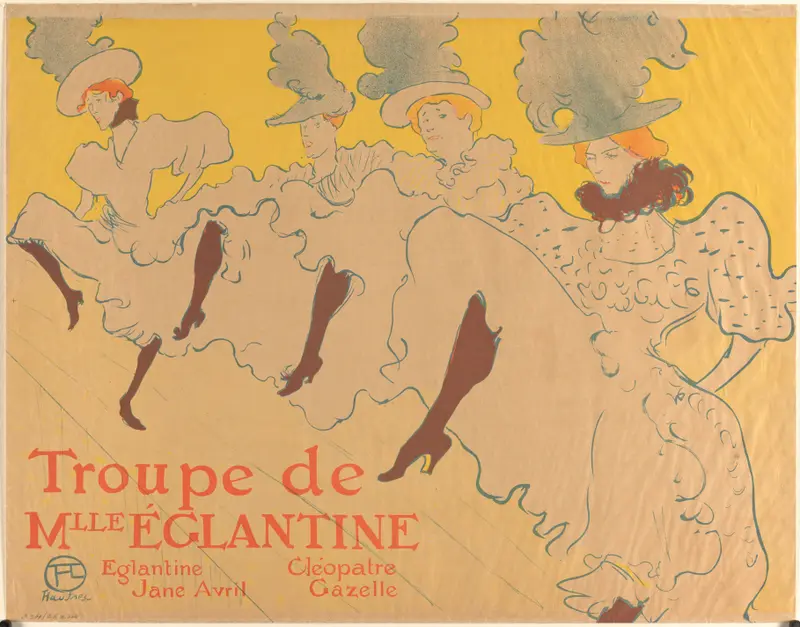
Jules Chéret printed the first color lithograph posters in 1866, the V&A says, and by the 1890s posters such as Toulouse-Lautrec's had captured the public imagination in Paris. The Exposition Universelle of 1900 then carried the style to the world.
Characteristics of Art Nouveau: how to recognize it
The whiplash curve
Follow the woman's hair as it loops and coils around her shoulders. The V&A calls this ornamental S-curve, the whiplash, the motif that defines much of Art Nouveau, and says it was derived from studies of the natural world.
Zodiaque (La Plume), Alphonse Mucha
Floral and plant forms
Each season is a woman framed by blossoms, fruit or snowy branches. Tate describes Art Nouveau's flowing organic shapes as based on plant forms, and the Mucha Foundation says the four panels together represent the harmonious cycle of nature.
The Seasons (1897), Alphonse Mucha
Gold and Byzantine ornament
Klimt covered Adele Bloch-Bauer's dress and chair with gold, silver and jewel-like patterns. He began the portrait in 1903, the year he saw the Byzantine mosaics of Ravenna, which he called of “unprecedented splendor,” the Neue Galerie says.
Portrait of Adele Bloch-Bauer I, Gustav Klimt
Women at the center
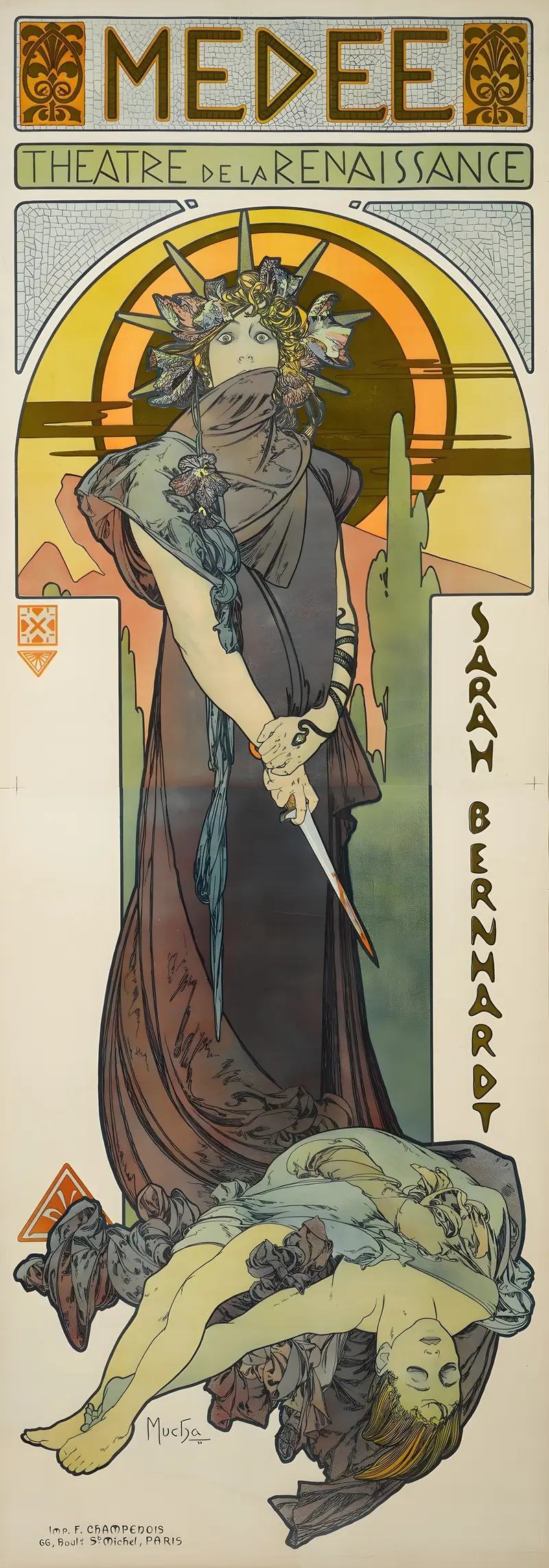
Sarah Bernhardt, as the sorceress Medea, holds a bloody dagger over a body at her feet. Women became the dominant theme of Art Nouveau, the V&A says, and Bernhardt hired Mucha for a series of her theater posters.
Medee, Alphonse Mucha
Flat color and bold outline
Toulouse-Lautrec builds the scene from flat blocks of color and black silhouettes, with the lettering part of the picture. The V&A sees in this the influence of Japanese woodblock prints.
Divan japonais, 75 rue des Martyrs Ed, Henri de Toulouse-Lautrec
Art for the street
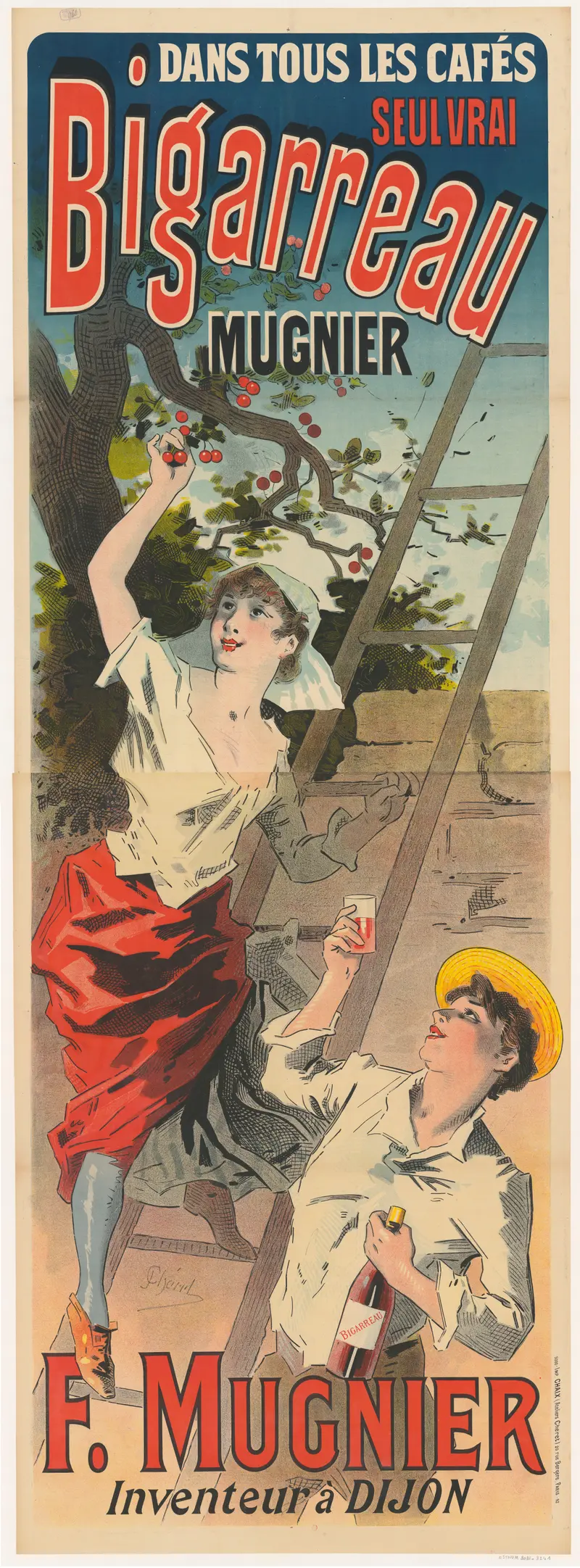
A hat, a cloak and a red scarf are enough to show the singer Aristide Bruant. Posters like this one were made to be seen in the street, and the V&A says posters, Mucha's above all, made the spread of Art Nouveau a public phenomenon.
Ambassadeurs. Aristide Bruant dans son cabaret, Henri de Toulouse-Lautrec
Before and after Art Nouveau
 Pre-Raphaelites1848–1890s
 Symbolismc. 1886–1900
- Art Nouveau1890s–1914
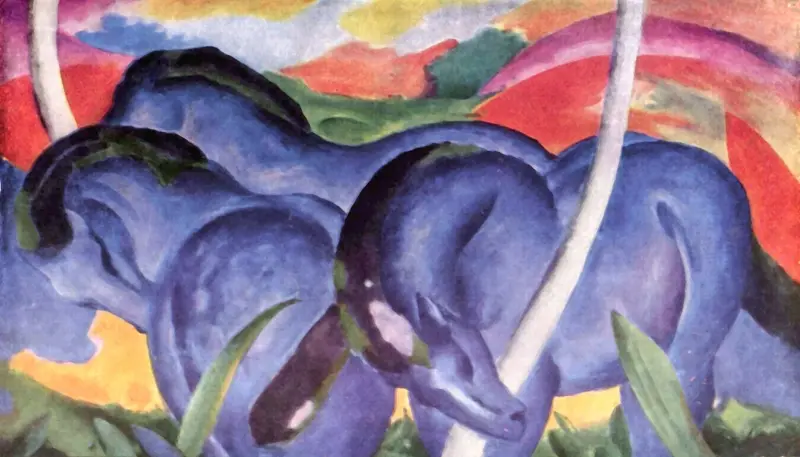 Expressionismc. 1905–1914
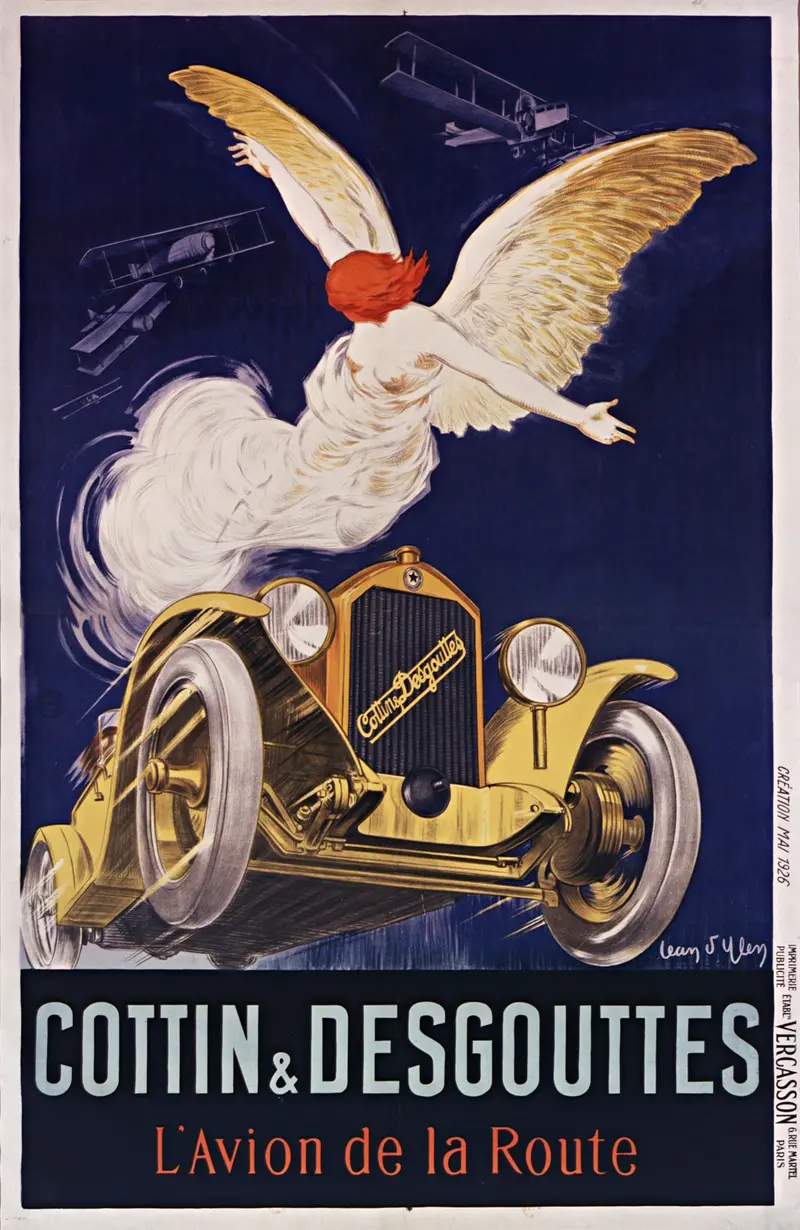 Art Deco1920s–1930s
Art Nouveau vs Arts and Crafts and the Aesthetic Movement
| Compared | Arts and Crafts | Aesthetic movement | Art Nouveau |
|---|---|---|---|
| When | 1860s–1910s | 1870s–1880s | 1890s–1914 |
| Where | Britain | Britain | Europe and the United States |
| Aim | Simple, well-made design for everyday life, raising design to the level of art | “Art for art's sake”: beauty first, over moral or narrative purpose | A new, modern style without historical models |
| Look | Plant forms as flat pattern, simple forms without excess ornament | Peacock feathers, sunflowers, Japanese influence | Whiplash curves, flowing plant forms, flat color and bold outline |
| Key artists | William Morris, Walter Crane, Edward Burne-Jones | James McNeill Whistler, Albert Moore, Frederic Leighton | Mucha, Klimt, Beardsley, Toulouse-Lautrec |
List of famous Art Nouveau paintings and posters and their artists
The famous Art Nouveau paintings and posters: who made them, when, and where each one is today.
Show the listHide the list
| Painting | Painted by | Year | Medium | Size | Located in | City |
|---|---|---|---|---|---|---|
| The Kiss (Lovers) | Gustav Klimt | 1908–1909 | Oil and gold leaf on canvas | 180 × 180 cm (70.9 × 70.9 in) | Belvedere Museum | Vienna |
| Portrait of Adele Bloch-Bauer I | Gustav Klimt | 1907 | Oil, gold and silver on canvas | Neue Galerie New York | New York | |
| Lady with a Fan | Gustav Klimt | 1917–1918 | Oil on canvas | 100 × 100 cm (39.4 × 39.4 in) | Private collection | |
| Ramon Casas and Pere Romeu on a Tandem | Ramon Casas | 1897 | Oil on canvas | 188 × 215.5 cm (74 × 84.8 in) | Museu Nacional d'Art de Catalunya | Barcelona |
| Divan Japonais | Henri de Toulouse-Lautrec | 1892–1893 | Color lithograph | 81.3 × 61.9 cm (32 × 24.4 in) | Victoria and Albert Museum | London |
| Plein Air | Ramon Casas | c. 1890–1891 | Oil on canvas | 50.5 × 65.5 cm (19.9 × 25.8 in) | Museu Nacional d'Art de Catalunya | Barcelona |
| The Seasons | Alphonse Mucha | 1897 | Color lithograph, four panels | Art Institute of Chicago | Chicago | |
| Interior of the Moulin de la Galette | Ramon Casas | c. 1890–1891 | Oil on canvas | 78.5 × 69 cm (30.9 × 27.2 in) | Museu Nacional d'Art de Catalunya | Barcelona |
| Ambassadeurs: Aristide Bruant | Henri de Toulouse-Lautrec | 1892 | Color lithograph | 134.6 × 94 cm (53 × 37 in) | Victoria and Albert Museum | London |
| Zodiac (La Plume) | Alphonse Mucha | 1896–1897 | Color lithograph | 63 × 47 cm (24.8 × 18.5 in) | Art Institute of Chicago | Chicago |
| Maude Adams as Joan of Arc | Alphonse Mucha | 1909 | Oil on canvas | 208.9 × 76.2 cm (82.2 × 30 in) | Metropolitan Museum of Art | New York |
| May Belfort | Henri de Toulouse-Lautrec | 1895 | Color lithograph | 79.8 × 60 cm (31.4 × 23.6 in) | Art Institute of Chicago | Chicago |
| Delftsche Slaolie (Delft Salad Oil) | Jan Toorop | 1894 | Color lithograph | 95 × 62.5 cm (37.4 × 24.6 in) | Rijksmuseum | Amsterdam |
| Encre L. Marquet | Eugène Grasset | 1892 | Color lithograph | 120.5 × 81 cm (47.4 × 31.9 in) | Victoria and Albert Museum | London |
| The Dancer's Reward (Salome) | Aubrey Beardsley | 1893–1894 | Line block print | 34.2 × 27.2 cm (13.5 × 10.7 in) | Victoria and Albert Museum | London |
| Cabourg, 5 Hours from Paris | Henri Privat-Livemont | 1896 | Color lithograph | 73.7 × 103.4 cm (29 × 40.7 in) | Victoria and Albert Museum | London |
| The Eyes of Herod (Salome) | Aubrey Beardsley | 1893–1894 | Line block print | 22.3 × 16.2 cm (8.8 × 6.4 in) | Victoria and Albert Museum | London |
| Frommes Kalender | Koloman Moser | 1899 | Color lithograph | 95.2 × 61.6 cm (37.5 × 24.3 in) | Leopold Museum | Vienna |
| Palais de la Danse | Manuel Orazi | 1900 | Color lithograph | 161 × 59.8 cm (63.4 × 23.5 in) | Museum für Kunst und Gewerbe Hamburg | Hamburg |
| Harper's August | Edward Penfield | 1897 | Color lithograph | 46.6 × 33.4 cm (18.3 × 13.1 in) | Victoria and Albert Museum | London |
| Poster for the 5th Exhibition of the Vienna Secession | Koloman Moser | 1899 | Color lithograph | 55 × 40 cm (21.7 × 15.7 in) | Leopold Museum | Vienna |
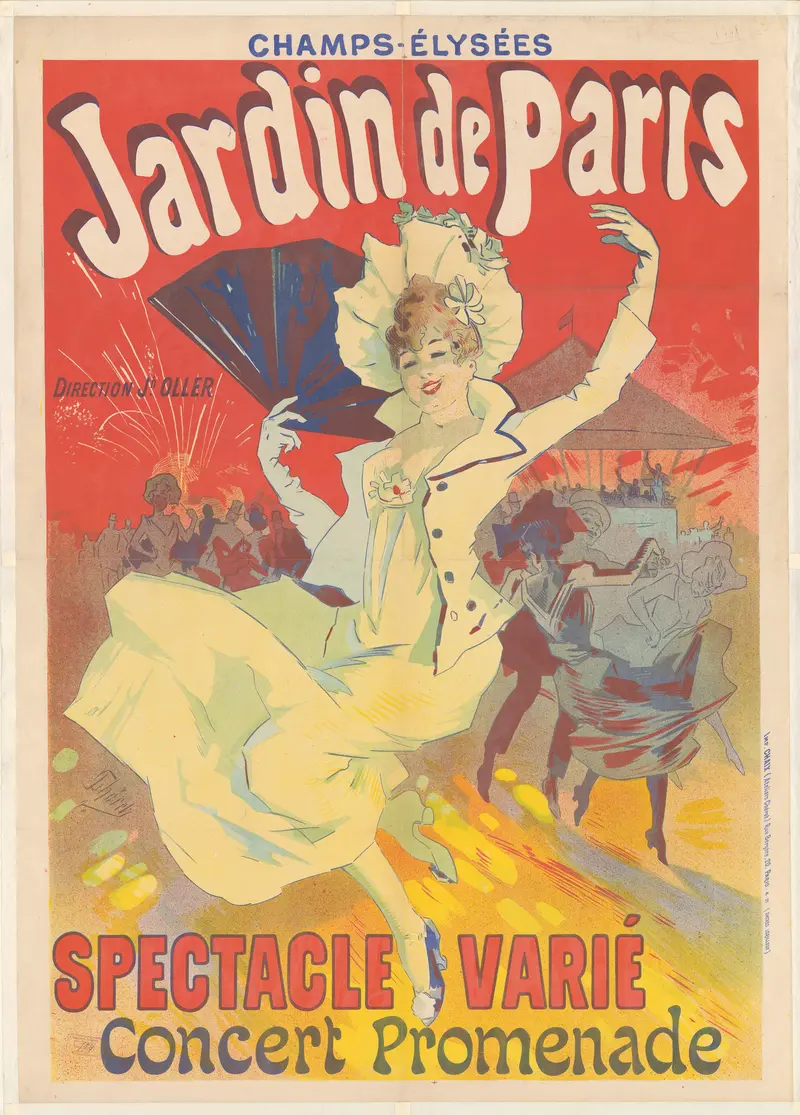
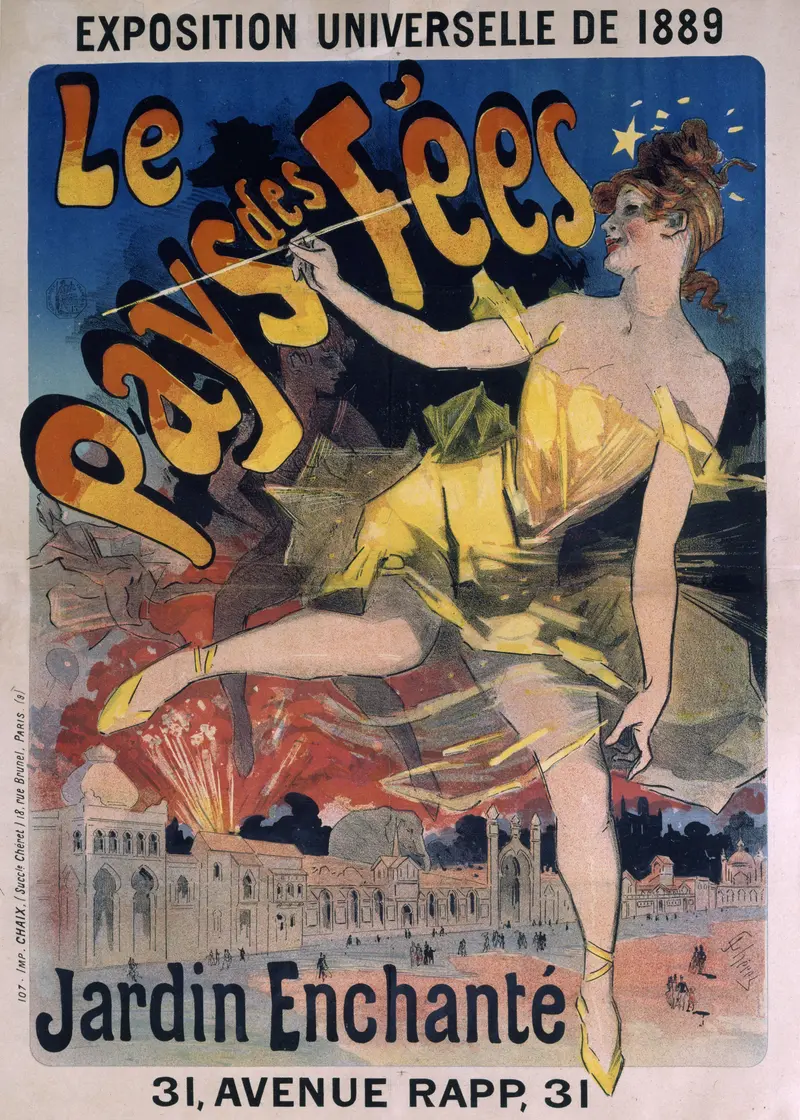
| Jardin de Paris | Jules Chéret | 1890 | Color lithograph | 124 × 88.5 cm (48.8 × 34.8 in) | Victoria and Albert Museum | London |
| The Woman in the Moon (Salome) | Aubrey Beardsley | 1894 | Line block print | 22.5 × 15.7 cm (8.9 × 6.2 in) | Victoria and Albert Museum | London |
| Cacao Van Houten | Henri Privat-Livemont | 1897 | Color lithograph | 153 × 63 cm (60.2 × 24.8 in) | Victoria and Albert Museum | London |
| Rajah | Henri Privat-Livemont | 1898 | Color lithograph | 76.8 × 44.5 cm (30.2 × 17.5 in) | Victoria and Albert Museum | London |
Art Nouveau: questions and answers
What does Art Nouveau mean in art?
Art Nouveau means “new art” in French. In art it is the international style that ran from the 1890s to the First World War and used sinuous lines and flowing shapes taken from plants, in posters, illustration, painting, design and architecture. The V&A says the name probably came from the Paris gallery of the dealer Siegfried Bing, the Maison de l'Art Nouveau, and that the term had already been used in the 1880s by the Belgian journal L'Art Moderne. The Getty's art vocabulary dates the style to about 1890–1910 in Europe and the United States.
Sources: V&A: Art Nouveau, an international style · Tate: Art nouveau · Getty AAT: Art Nouveau
What are the characteristics of Art Nouveau style?
Art Nouveau is recognized by long, sinuous lines, above all the S-shaped “whiplash” curve, and by flowing shapes taken from flowers, leaves and tendrils. The V&A lists delicate tendrils, organic forms, swooping, swirling lines, eccentric geometry and exotic bodies among its motifs, and says women became its dominant theme. In posters and prints, artists used flat areas of color and strong outlines, which the V&A traces to Japanese woodblock prints.
Sources: V&A: Art Nouveau · V&A: The Whiplash · V&A: Art Nouveau and the erotic · V&A: Divan Japonais, poster by Henri de Toulouse-Lautrec
When was the Art Nouveau period?
The Art Nouveau period ran from the early 1890s to the First World War. Tate says the style emerged in the 1890s, was brought to a wider audience by the Exposition Universelle in Paris in 1900, and was killed off by the First World War. The Getty's art vocabulary dates its flowering to about 1890–1910.
Sources: Tate: Art nouveau · Getty AAT: Art Nouveau · V&A: Art Nouveau, an international style
Where did Art Nouveau start?
Art Nouveau started in several European countries at once in the 1890s, and the V&A names Brussels, Paris and Munich as its centers. In Belgium the term was already in use in the 1880s, and the architects Victor Horta and Henry van de Velde made it a style for whole buildings, down to the door handles. It also took hold in Vienna, Glasgow, Spain, Italy and the United States, each under its own name.
Sources: V&A: Art Nouveau, an international style · V&A: The Whiplash
What is Art Nouveau called in other countries?
Art Nouveau had a different name almost everywhere. In Germany it was Jugendstil, after the Munich magazine Jugend, founded in 1896; in Austria Sezessionstil, after the Vienna Secession; in Spain it was part of Modernisme; in Italy it was Stile Liberty or Stile Floreale, after the London store Liberty & Co.; and in the United States it was the Tiffany style, after the glassmaker Louis Comfort Tiffany. In France, the V&A adds, it was also called Le Style Métro and Le Style nouille, the “noodle style.”
Sources: V&A: Art Nouveau, an international style · Getty AAT: Jugendstil
Who are famous Art Nouveau artists?
Famous Art Nouveau artists include the poster designer Alphonse Mucha, the Viennese painter Gustav Klimt, the English illustrator Aubrey Beardsley and the Paris poster makers Jules Chéret and Henri de Toulouse-Lautrec. The V&A names Beardsley's drawings, Victor Horta's architecture and Mucha's posters among the most familiar examples of the style, and Tate adds Hector Guimard's Paris Métro entrances, Tiffany glass and the furniture of Charles Rennie Mackintosh. In Vienna the painters and designers of the Secession, Klimt and Koloman Moser among them, made it their own.
Sources: V&A: Art Nouveau · Tate: Art nouveau · V&A: A short history of the poster · V&A: Art Nouveau, an international style
What are famous Art Nouveau paintings?
Gustav Klimt's The Kiss and his Portrait of Adele Bloch-Bauer I are the best-known Art Nouveau paintings. The Belvedere in Vienna calls The Kiss one of the icons of Viennese Jugendstil, and the Neue Galerie in New York says Adele Bloch-Bauer I, known as the Woman in Gold, is emblematic of his golden style. Other famous Art Nouveau paintings include Klimt's last portrait, Lady with a Fan, and Ramon Casas's picture of himself and Pere Romeu on a tandem, painted for the Barcelona beer hall Els Quatre Gats.
Sources: Belvedere, Vienna (Google Arts & Culture) · Neue Galerie New York: Gustav Klimt · Belvedere: Lady with Fan, Gustav Klimt's last works · Museu Nacional d'Art de Catalunya
What are Art Nouveau posters?
Art Nouveau posters are the color lithograph advertisements and theater posters made in Paris, Brussels, Vienna and beyond from the 1890s. The V&A credits Jules Chéret with the first color lithograph posters, in 1866, calls Toulouse-Lautrec the best-known name of the French heyday of the art poster, and says the Art Nouveau style, popularized by Alphonse Mucha, took the poster world by storm. Mucha's 1895 poster of Sarah Bernhardt as Gismonda was an overnight sensation, and collectors stripped copies from the hoardings to hang at home.
Sources: V&A: A short history of the poster · V&A: The Whiplash · V&A: Gismonda, poster by Alphonse Mucha
Who was Alphonse Mucha?
Alphonse Mucha (1860–1939) was a Czech painter and designer whose posters, the V&A says, popularized the Art Nouveau style and took the poster world by storm. He came to Paris in 1887 and took up posters for financial reasons, but he called the medium “an art for the people.” His 1895 poster for Sarah Bernhardt's Gismonda was an overnight sensation, and Bernhardt contracted him to design more posters, sets and costumes. Mucha resisted being labeled an Art Nouveau artist, but his women became, in the V&A's words, an ever-present and much-copied leitmotif.
Sources: V&A: Job, poster by Alphonse Mucha · V&A: The Whiplash · V&A: A short history of the poster
What is Gustav Klimt's art style?
Gustav Klimt's best-known style is his “golden style,” in which figures sit in flat fields of gold and silver covered with jewel-like patterns. The Neue Galerie in New York links it to the Byzantine mosaics he saw in Ravenna in December 1903, which he called of “unprecedented splendor,” and the Belvedere calls The Kiss the high point of this “Golden Epoch.” Klimt led the Vienna Secession, the group founded in 1897 that, the V&A says, first popularized Art Nouveau in Austria; Tate calls him one of the greatest of all Symbolist painters.
Sources: Neue Galerie New York: Portrait of Adele Bloch-Bauer I · Neue Galerie New York: Gustav Klimt · Belvedere, Vienna (Google Arts & Culture) · Tate: Secession · V&A: Art Nouveau, an international style
What inspired Art Nouveau?
Art Nouveau was inspired above all by nature: the V&A says its whiplash line was derived from studies of the natural world, including deep-sea organisms and botanical gardens. Japanese art was a second source, in the flat colors and outlines of posters and in the prints sold by Siegfried Bing, whose Paris gallery gave the style its name. In Britain, the V&A adds, it was largely indebted to the Arts and Crafts movement and to Aestheticism.
Sources: V&A: The Whiplash · V&A: Art Nouveau and the erotic · V&A: Art Nouveau, an international style
What is the difference between Art Nouveau and Arts and Crafts?
Arts and Crafts looked back to handmade craft and traditional design; Art Nouveau set out to invent a new, modern style. The V&A says the Arts and Crafts movement, inspired by John Ruskin and William Morris, wanted a revival of traditional handicrafts, a simpler way of life and better design for everyday objects, and Tate adds that its wallpapers and fabrics treated plant forms as flat pattern. Art Nouveau, which in Britain was largely indebted to it, turned plant forms into fluid, serpentine lines and used modern materials such as iron and glass, as the Getty's art vocabulary notes.
Sources: V&A: Art Nouveau, an international style · Tate: Arts and crafts · Getty AAT: Art Nouveau
Why did Art Nouveau end?
Art Nouveau ended with the First World War, which, in Tate's words, killed it off. The V&A says its opulence and ornament were already being shunned in favor of sleeker, mass-produced forms, and that the stark style of Modernism took its place. Its erotic content and its link with decadence also turned people against it. In posters and design it was followed by the more angular Art Deco, which Tate calls both its successor and a reaction against it.
Sources: Tate: Art nouveau · V&A: The Whiplash · V&A: Art Nouveau, an international style · V&A: Art Nouveau and the erotic · V&A: A short history of the poster · Tate: Art deco
Is Art Nouveau art in the public domain, and can I download it free?
Yes. Every artist on this page died by 1939, so their works are in the public domain in the United States and in countries where copyright ends 70 years after the artist's death. You can download them free and use them for anything, including commercial projects. A few countries have their own rules on photographs of artworks, so check them if you publish outside the U.S.
Sources: Cornell University Library: Copyright Term and the Public Domain
How we chose the famous paintings and posters
The famous paintings and posters on this page are the Art Nouveau works known most widely around the world, measured by the number of languages that have an encyclopedia entry about each one, checked in November 2026. Art Nouveau's best-known images are often posters and prints rather than paintings, so we counted both. Most posters have no encyclopedia entry of their own; for those we counted how many language editions of the encyclopedia show the work, and then went by date. No artist has more than three works on the list, which is why Klimt's Danaë and most of Mucha's posters appear in their own rows further down.
We include only works that the holding museum, Wikidata or our own catalogue classes as Art Nouveau (in Austria Secession style, in Germany Jugendstil, in Catalonia Modernisme), by artists who died before 1956. We left out a few famous works whose image in our collection is framed or mounted, among them Mucha's Gismonda, Toulouse-Lautrec's Moulin Rouge: La Goulue and Steinlen's Chat Noir, until we have clean images of them. Posters were printed in many impressions, so the museum we name holds one of them.
Dates, sizes and locations come from the museums' own records and from Wikidata.
Spotted a mistake? Tell us and we will correct it.