Discover insights about this artwork
Ver Sacrum 1903 15 275 Hohe Warte — History & Facts
In Ver Sacrum 1903 15 275 Hohe Warte, Carl Moll employs a vibrant color palette dominated by greens, blues, and warm earth tones. The composition features stylized figures intertwined with nature, reflecting the Art Nouveau aesthetic. The setting appears to be a lush garden or natural landscape, filled with flowing lines and organic forms.
This creates a harmonious relationship between the figures and their surroundings. The painting is executed in oil on canvas, showcasing Moll's skill in blending colors and forms. Viewers can observe the intricate details in the figures' flowing garments and the delicate patterns of the foliage. The use of light and shadow adds depth to the scene, enhancing the three-dimensional quality of the figures.
Overall, the work exemplifies the characteristics of the Art Nouveau movement, with its emphasis on nature and decorative elements. Carl Moll was an important figure in the Vienna Secession movement, which sought to break away from traditional artistic norms. Ver Sacrum translates to 'Sacred Spring,' and this work reflects the themes of renewal and rebirth. An interesting fact about this painting is that it was created during a period of significant artistic experimentation in Vienna, where Moll and his contemporaries explored new ideas in art and design.
This piece is a testament to the vibrant cultural atmosphere of early 20th-century Austria.
More Artworks by Carl Moll
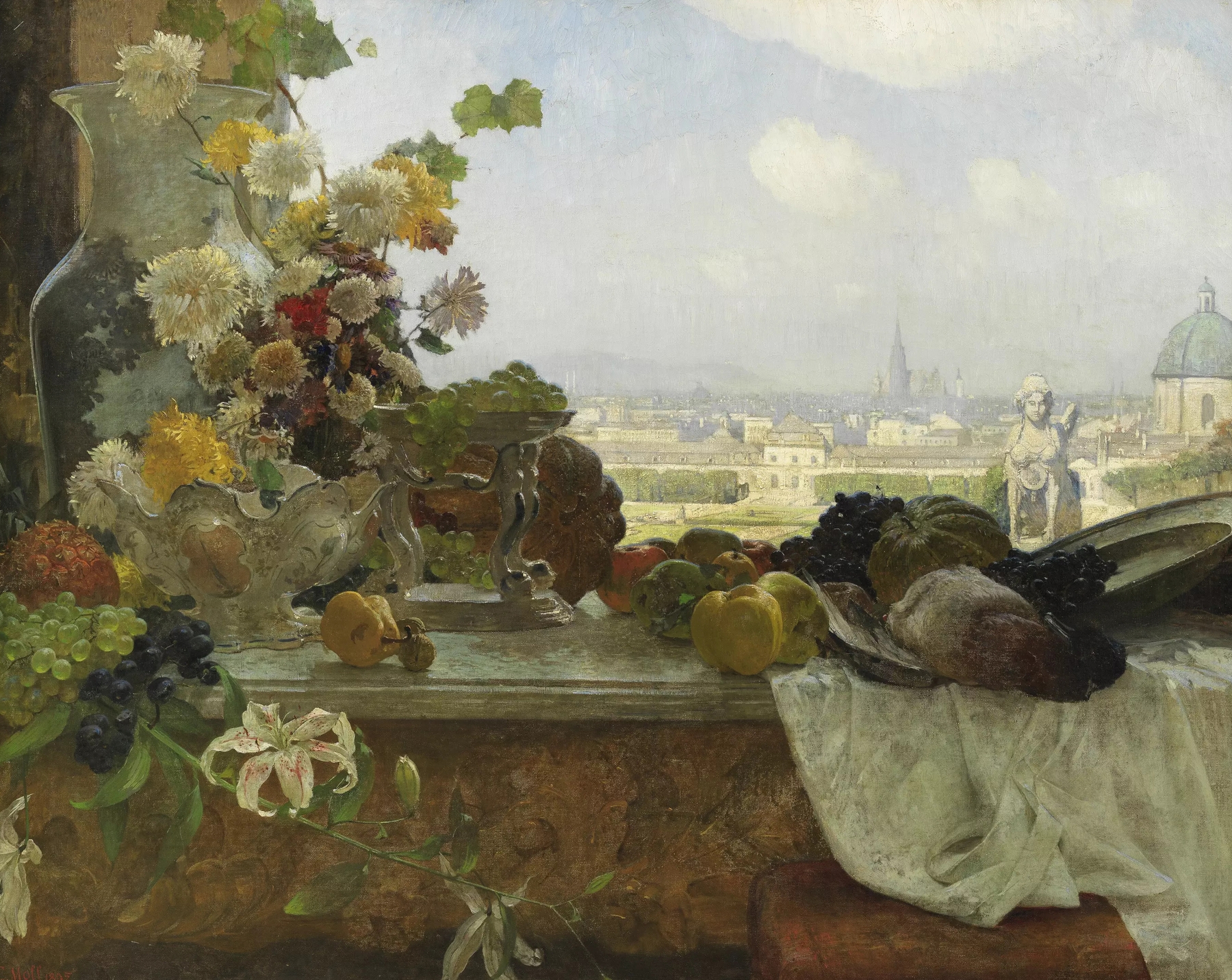
Blick vom Belvedere auf die Innere Stadt
Carl Moll

Salon im Haus auf der Hohen Warte
Carl Moll

Ver Sacrum 1903 15 263 Altwiener Gartenhaus in Döbling
Carl Moll
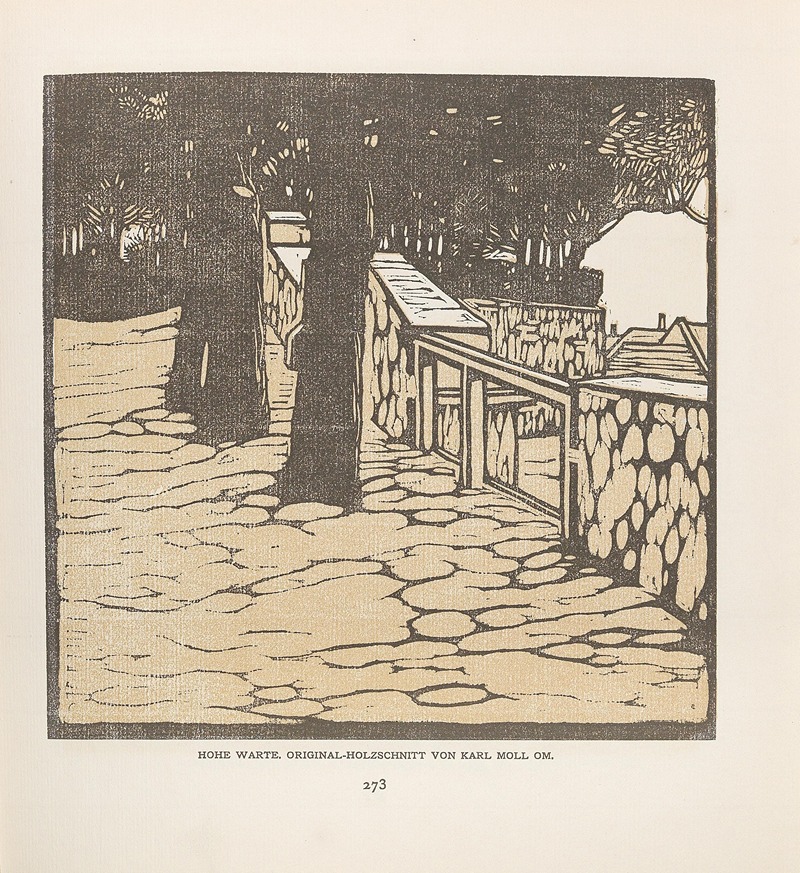
Ver Sacrum 1903 15 273 Hohe Warte
Carl Moll

Landing stage at Heustadlwasser (Prater, Vienna)
Carl Moll

Landschaftsbild (Wien XIX., Hohe Warte)
Carl Moll
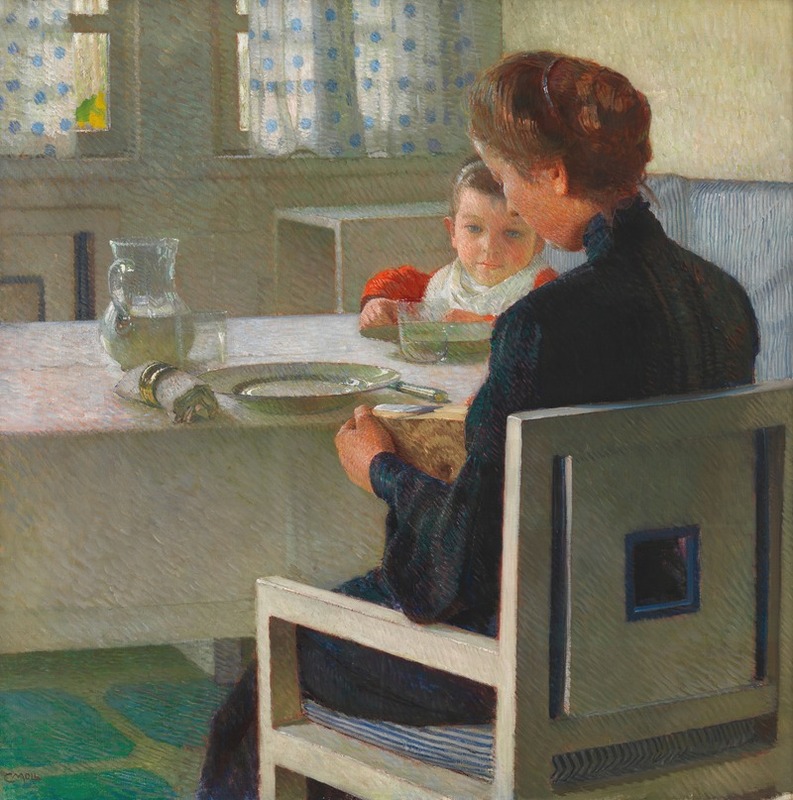
Mutter und Kind bei Tisch (Beim Frühstück)
Carl Moll
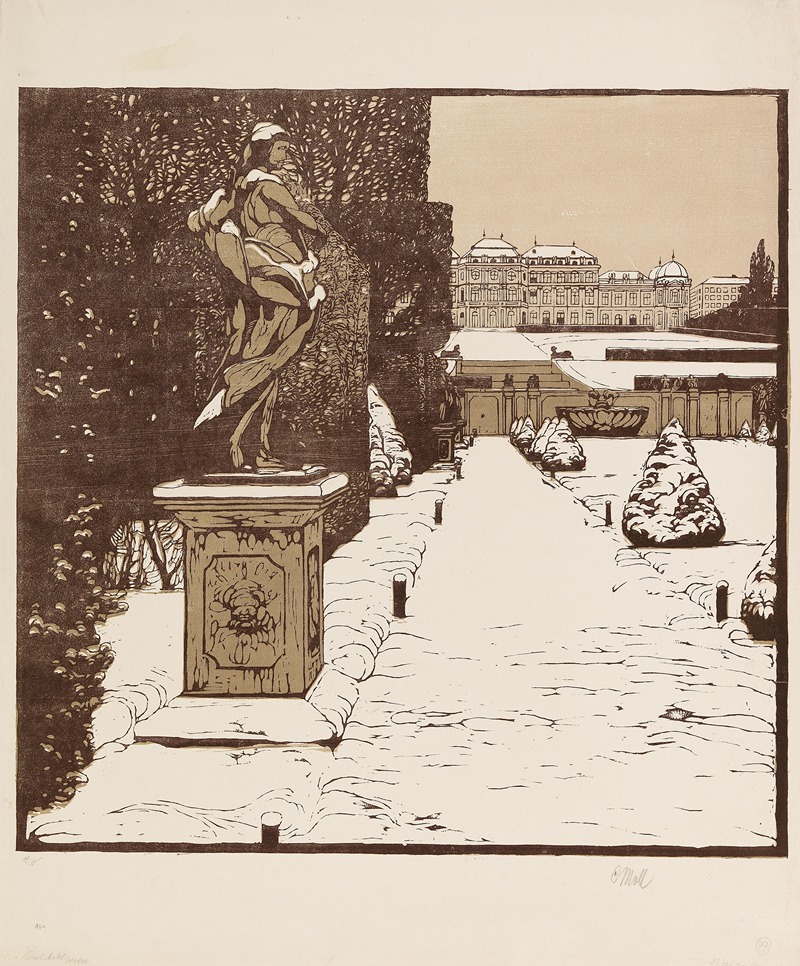
Belvederegarten im Winter
Carl Moll
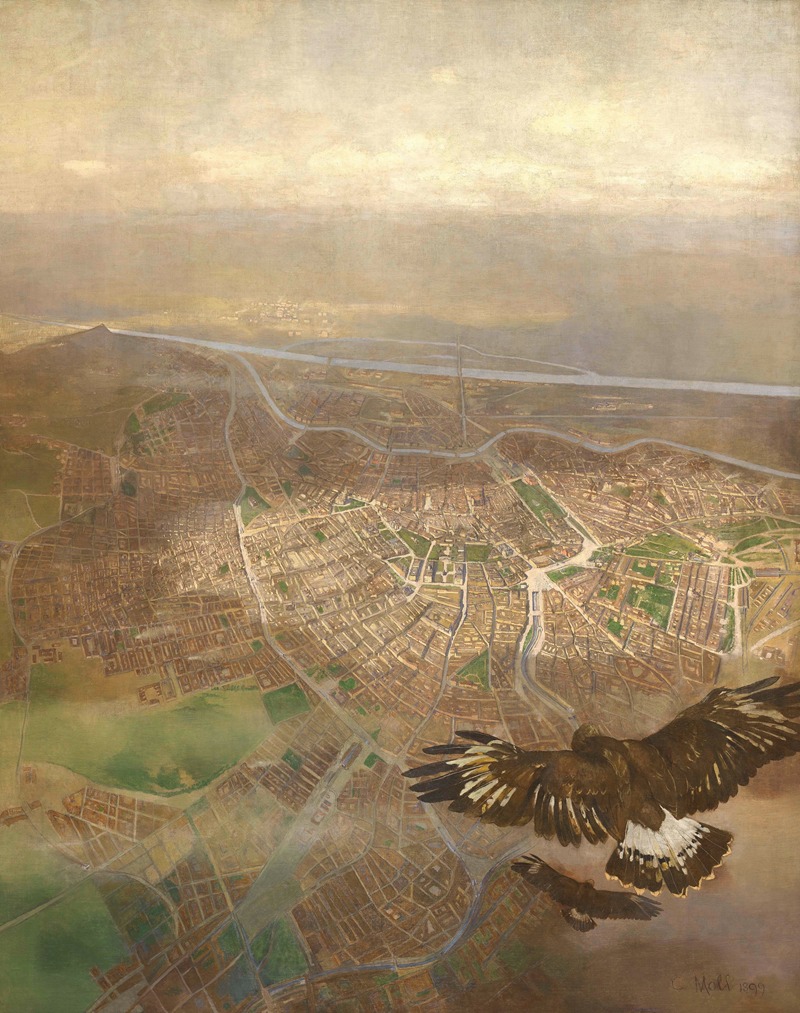
Blick auf Wien aus der Ballonhöhe von 3000m über der Schönbrunner Gloriette
Carl Moll
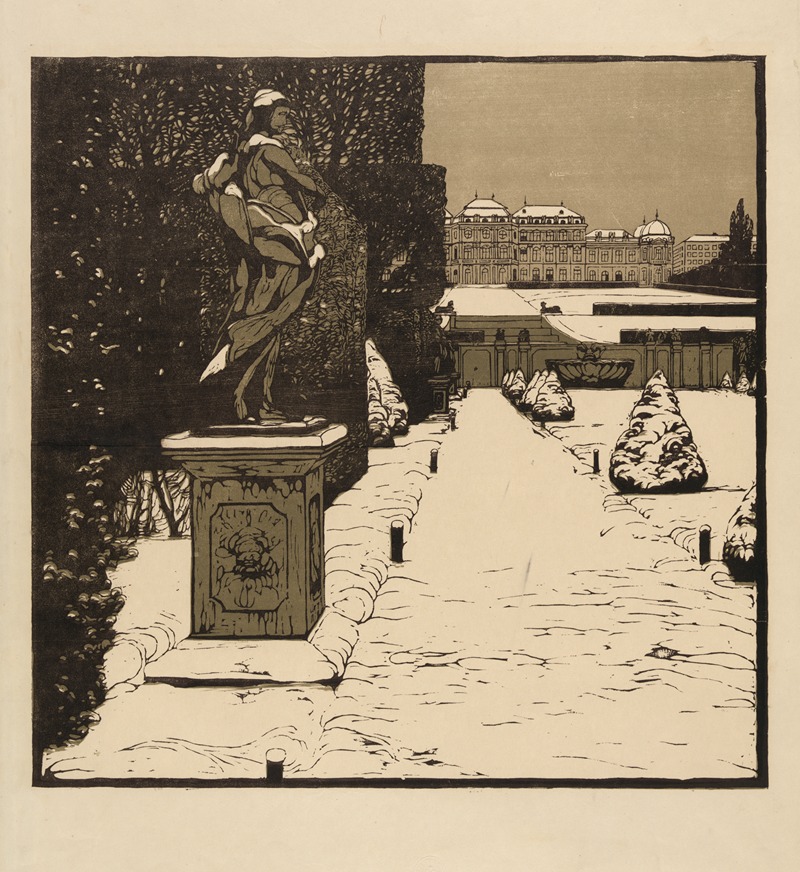
Belvedere
Carl Moll