
Vervallen klassiek badhuiscomplex (Thermen van Diocletianus) — History & Facts
It holds the weight of untold stories, the remnants of violence etched into forgotten walls, and the echoes of lives once lived within its frame. Look to the center of the composition, where the crumbled façade of the classical bathhouse looms large, its once-grand arches now fractured and weary. The muted palette of ochres and grays speaks of decay, while shafts of light filter through the gaps, revealing every jagged edge and ruinous detail. Observe how the artist layers textures, making the stones appear both solid and ghostly, as if the very structure breathes in its despair. Beneath the surface, a profound tension simmers.
The bathhouse, a symbol of opulence and communal joy, now stands in stark contrast to its dilapidated state, suggesting the violence of time and history's relentless march. The interplay of light and shadow creates an eerie tranquility, inviting contemplation of forgotten rituals and the bodies that once inhabited this space, emphasizing a profound sense of loss and nostalgia. Created between 1500 and 1549, this work emerges from an era of significant transition in European art, marked by a shift towards realism and an exploration of human emotion. The unknown artist, capturing the essence of decay, reflects broader societal changes and the fragility of beauty in a world increasingly aware of its own transience.
At a time when Renaissance ideals were prominent, this depiction of ruin serves as a haunting reminder of impermanence.
More Artworks by Unknown Artist
Browse all →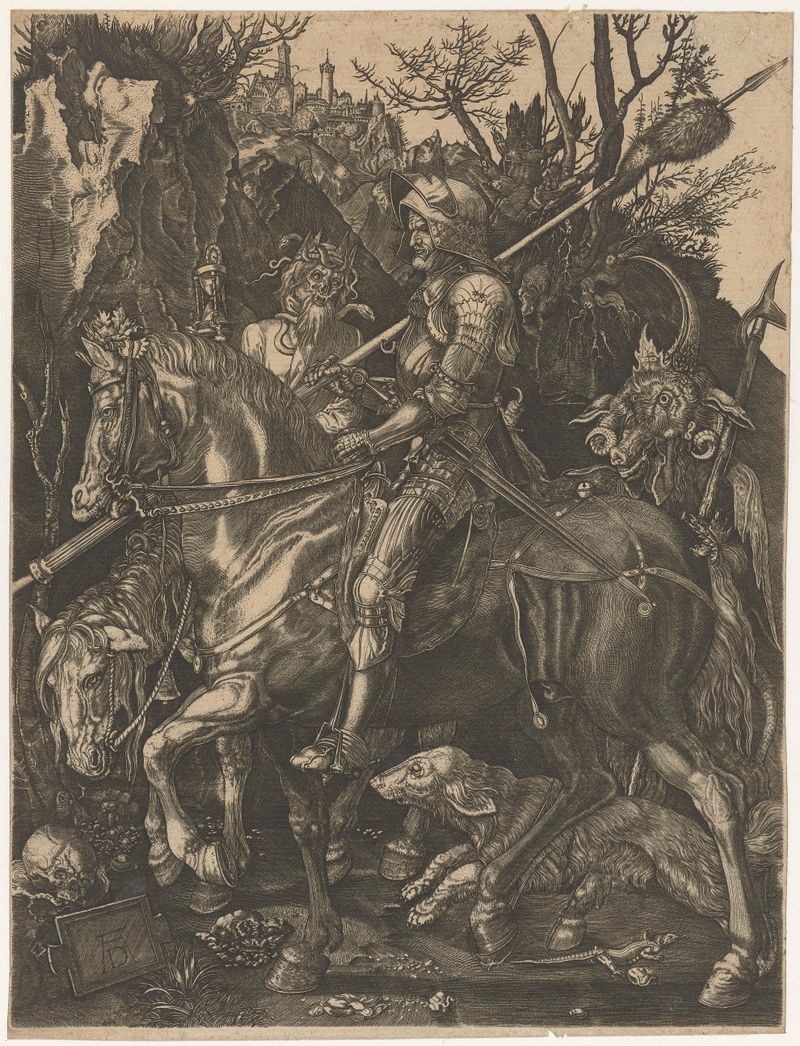
Ridder, Dood en Duivel
Unknown Artist
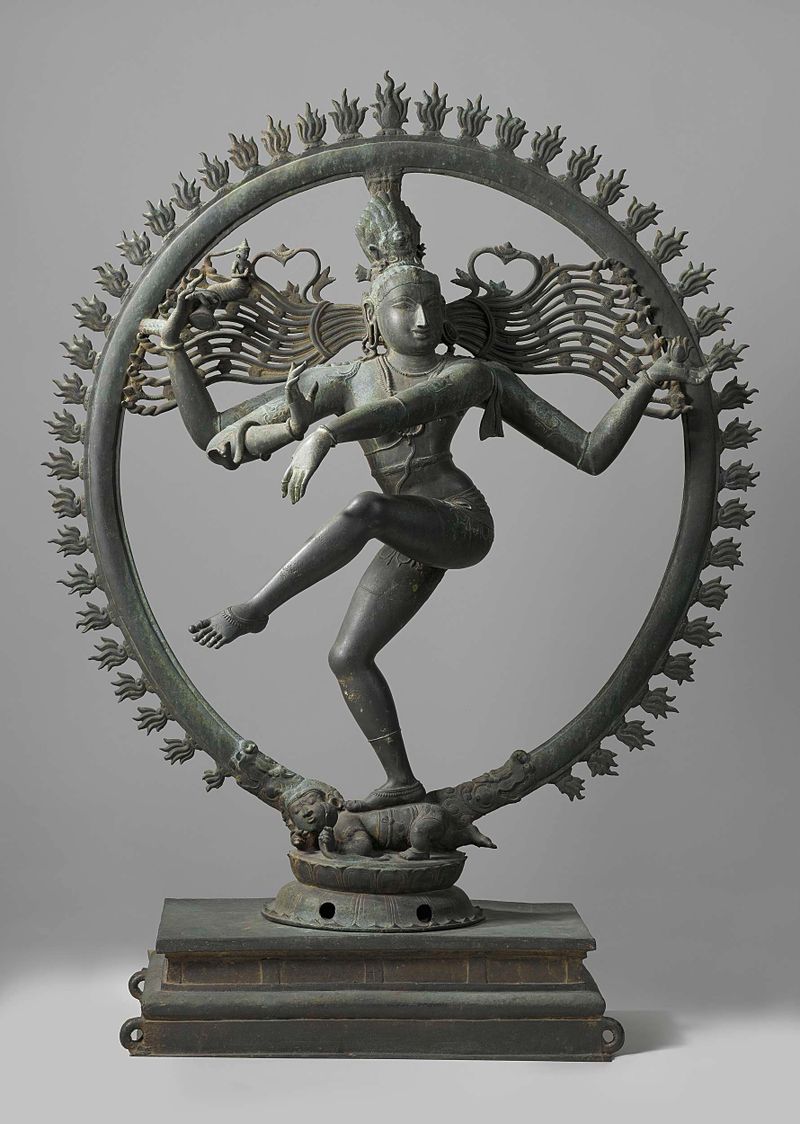
Shiva Nataraja
Unknown Artist
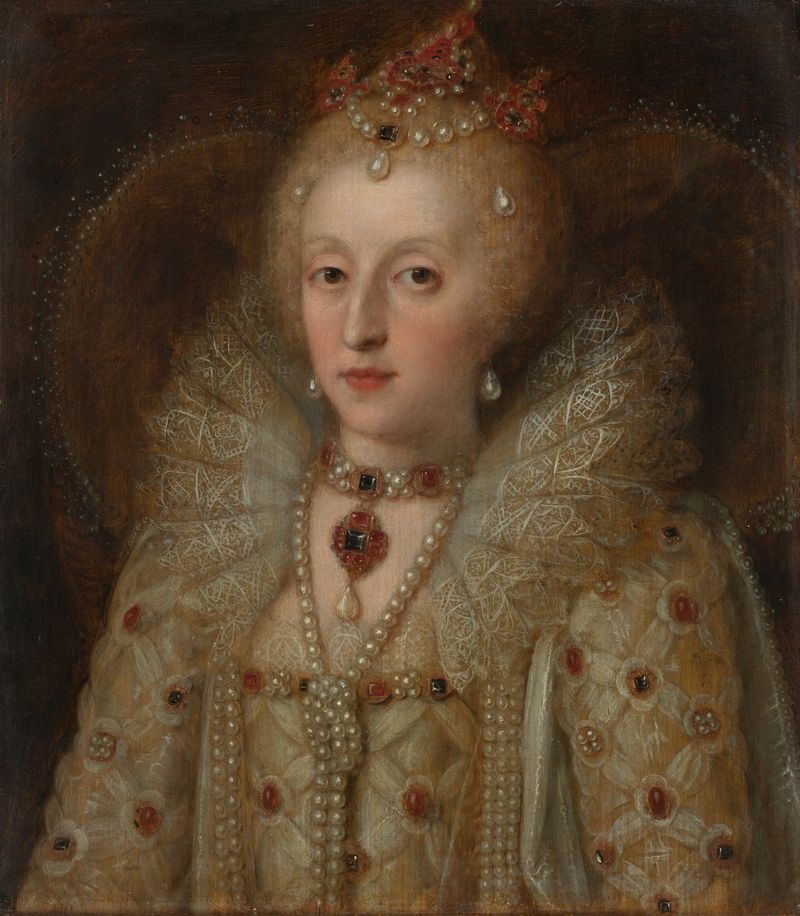
Portrait of Elizabeth I, Queen of England
Unknown Artist
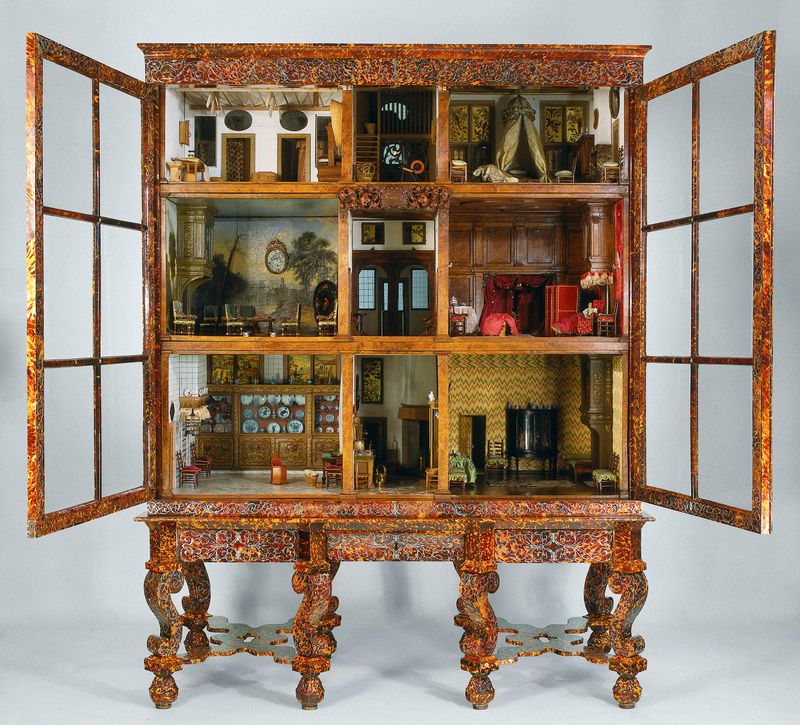
Dolls’ house of Petronella Oortman
Unknown Artist
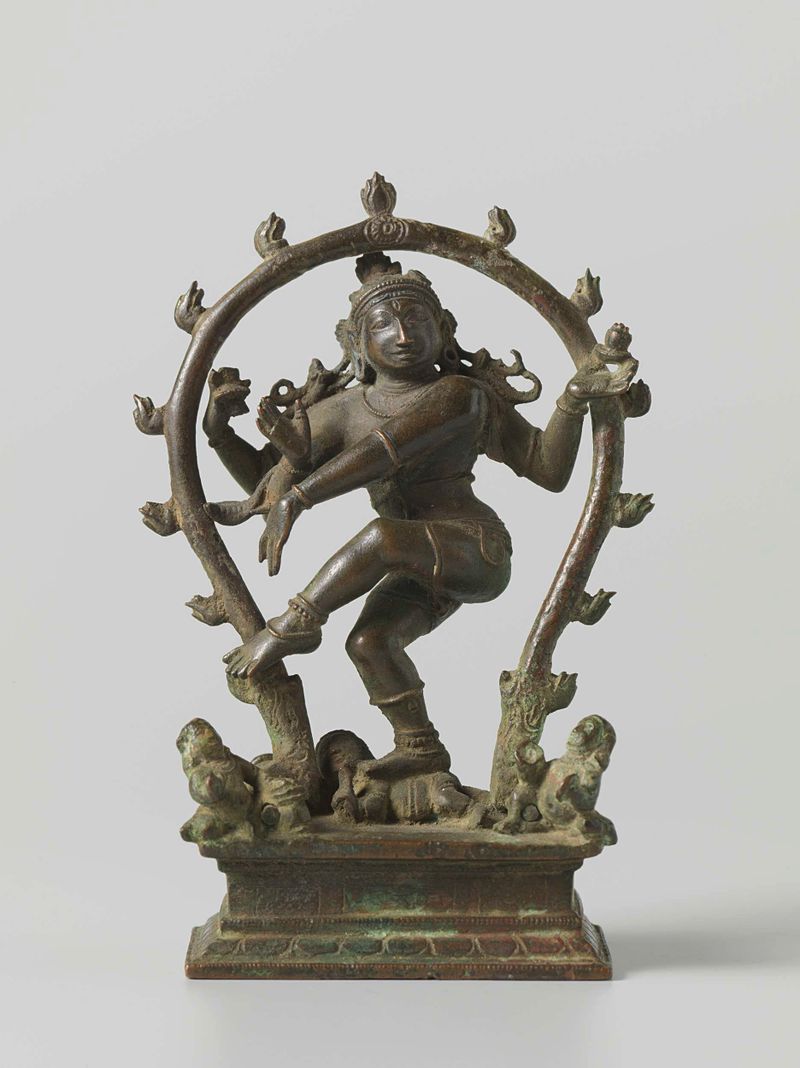
Shiva Nataraja
Unknown Artist

The Tale of Genji
Unknown Artist

The Tale of Genji
Unknown Artist

Cong
Unknown Artist
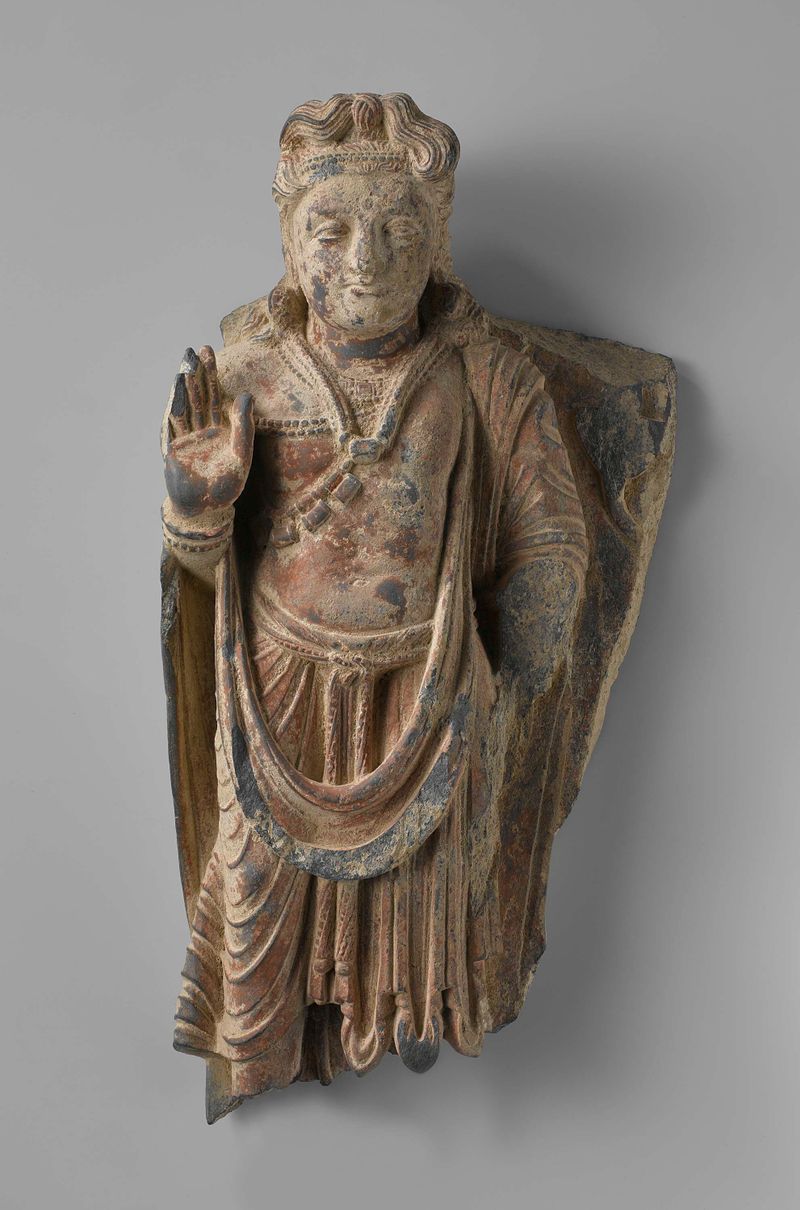
The bodhisattva Maitreya
Unknown Artist

Teabowl with a 'hare's fur' glaze
Unknown Artist
More Architecture Art
Browse all →
The statue of Liberty
Frédéric Auguste Bartholdi

View of Houses in Delft, Known as ‘The Little Street’
Johannes Vermeer

View of Houses in Delft, Known as ‘The Little Street’
Johannes Vermeer

The Cathedral in Rouen. The portal, Grey Weather
Claude Monet

The yellow house
Vincent van Gogh

The Church in Auvers-sur-Oise, View from the Chevet
Vincent van Gogh