
Discover insights about this artwork
Victory – now you can invest in it! Victory loan — History & Facts
In Victory – now you can invest in it! Victory loan, Dean Cornwell presents a vibrant scene filled with rich colors. The painting features a strong allegorical figure, symbolizing victory and prosperity. Surrounding this central figure are various elements that suggest investment and hope for the future.
The overall composition is dynamic, drawing the viewer's eye towards the figure and the message it conveys. The painting is executed in oil on canvas, a medium that allows for deep color saturation and texture. Cornwell's technique showcases a blend of realism and allegorical representation, making the message clear yet artistically engaging. The dimensions of the work are approximately 91 x 122 cm, making it a substantial piece that commands attention.
Viewers can appreciate the details in the figure's expression and the surrounding imagery. Dean Cornwell was known for his work in the early 20th century, often creating illustrations and paintings that conveyed strong narratives. This particular work, created around 1919, was part of a campaign to promote Victory loans during World War I. An interesting fact about this painting is its role in encouraging public investment in war efforts, reflecting the socio-political climate of the time.
Cornwell's ability to blend art with propaganda is a hallmark of his career.
More Artworks by Dean Cornwell
Options
Dean Cornwell
Never the Twain Shall Meet
Dean Cornwell
The Den of Iniquity
Dean Cornwell
The Great Things of Life-Travel
Dean Cornwell
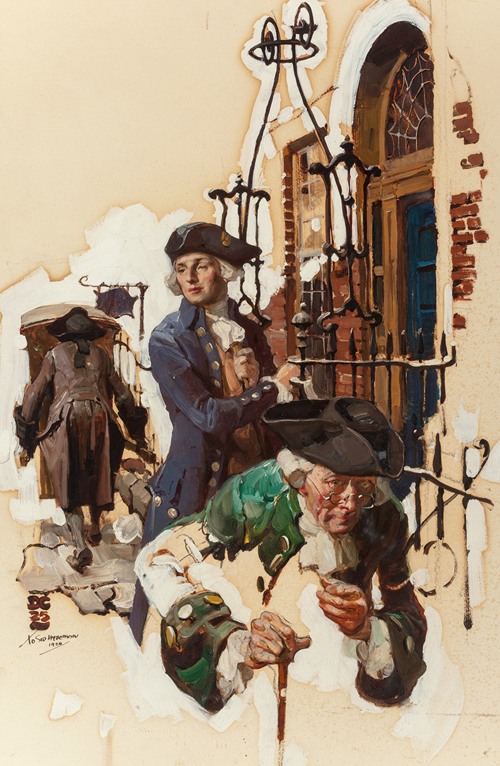
The Callers
Dean Cornwell
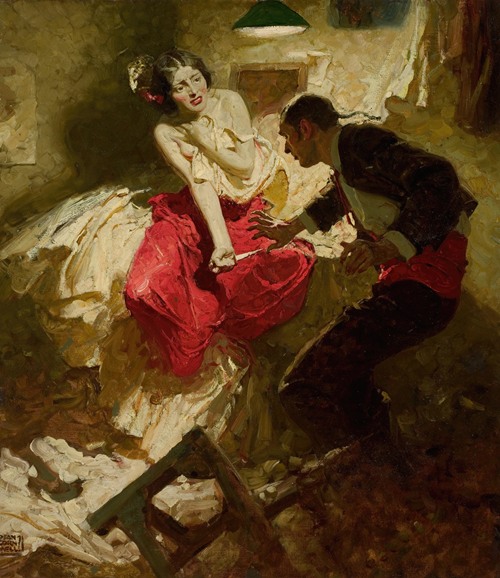
The Red Shawl
Dean Cornwell
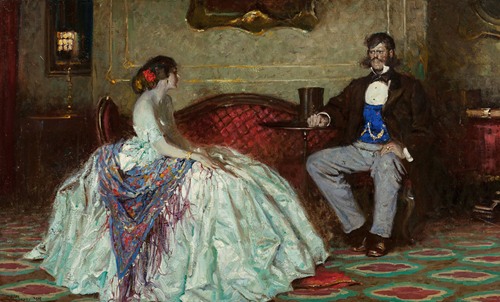
The Dark Fleece
Dean Cornwell
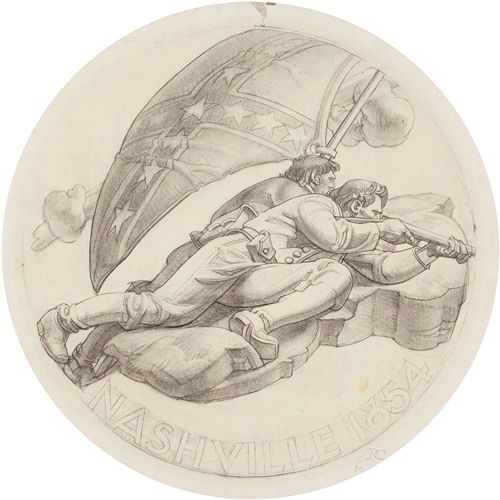
Nashville
Dean Cornwell
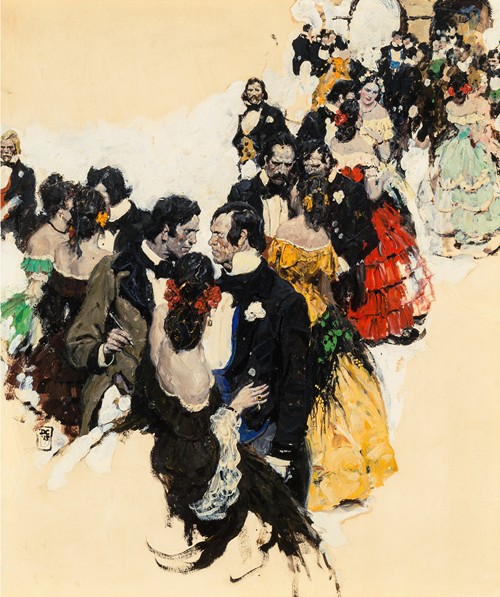
Periwinkle House
Dean Cornwell
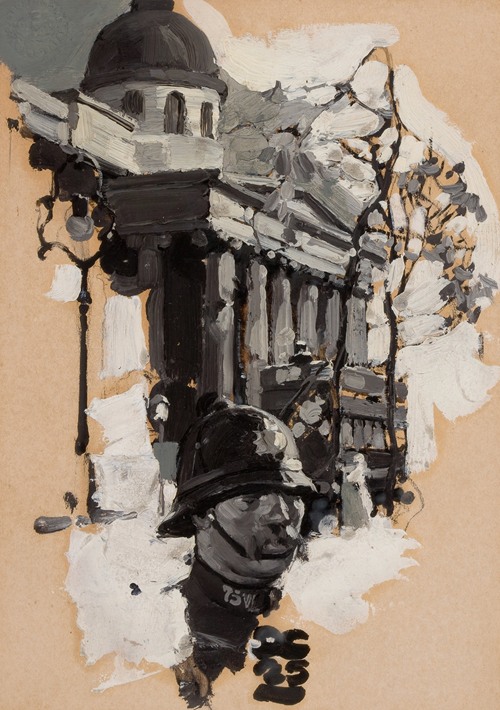
Policeman with Parliamentary Building
Dean Cornwell
More Allegory Art
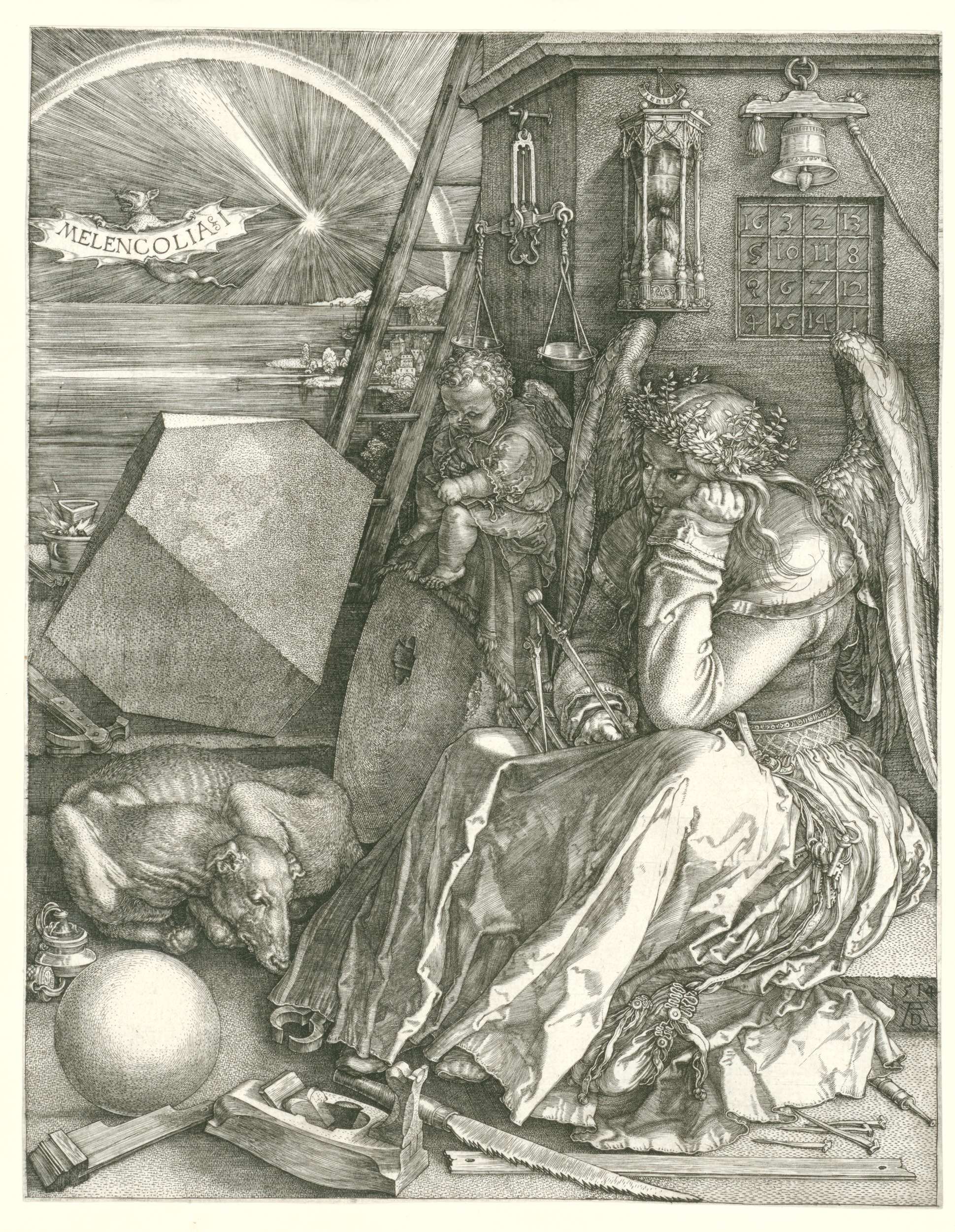
Melancholia
Albrecht Dürer
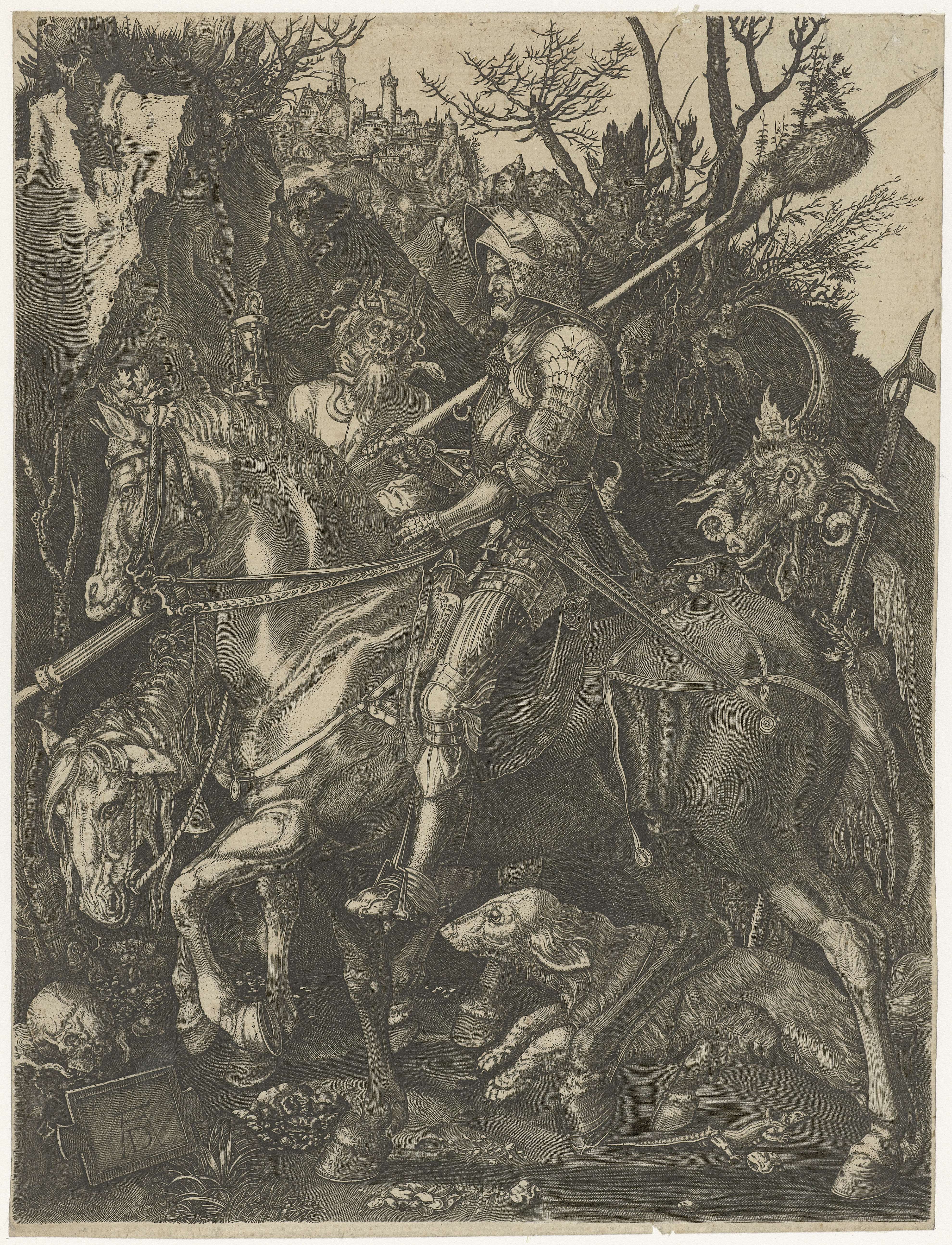
Ridder, Dood en Duivel
Unknown Artist
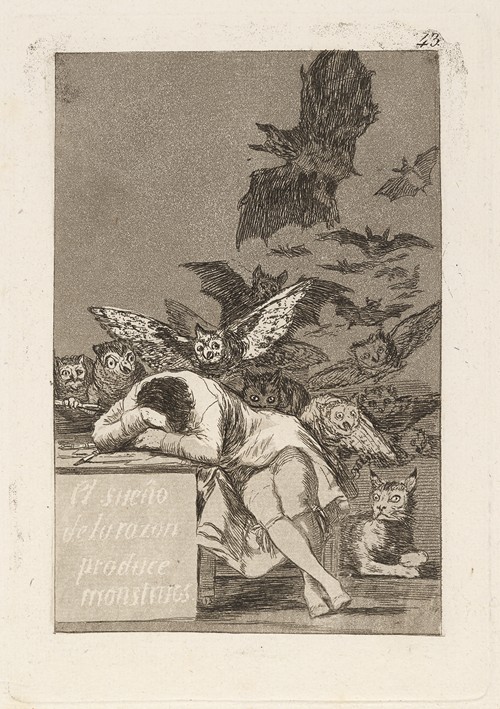
El sueño de la razon produce monstruos. (The sleep of reason produces monsters.)
Francisco de Goya
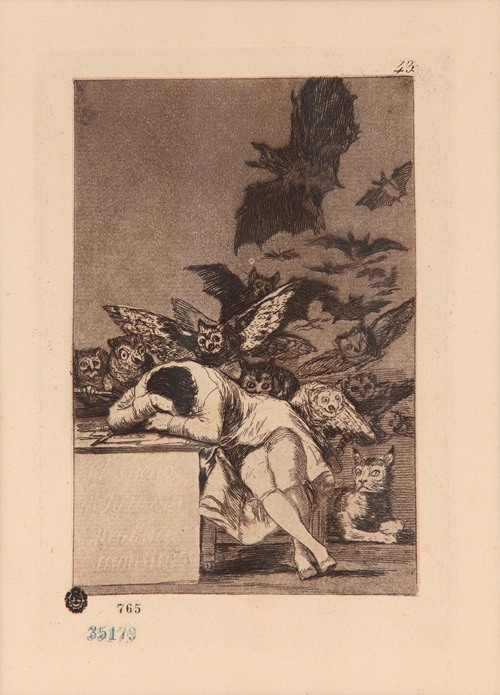
El sueño de la razon produce moustruos (Serie Caprichos)
Francisco de Goya
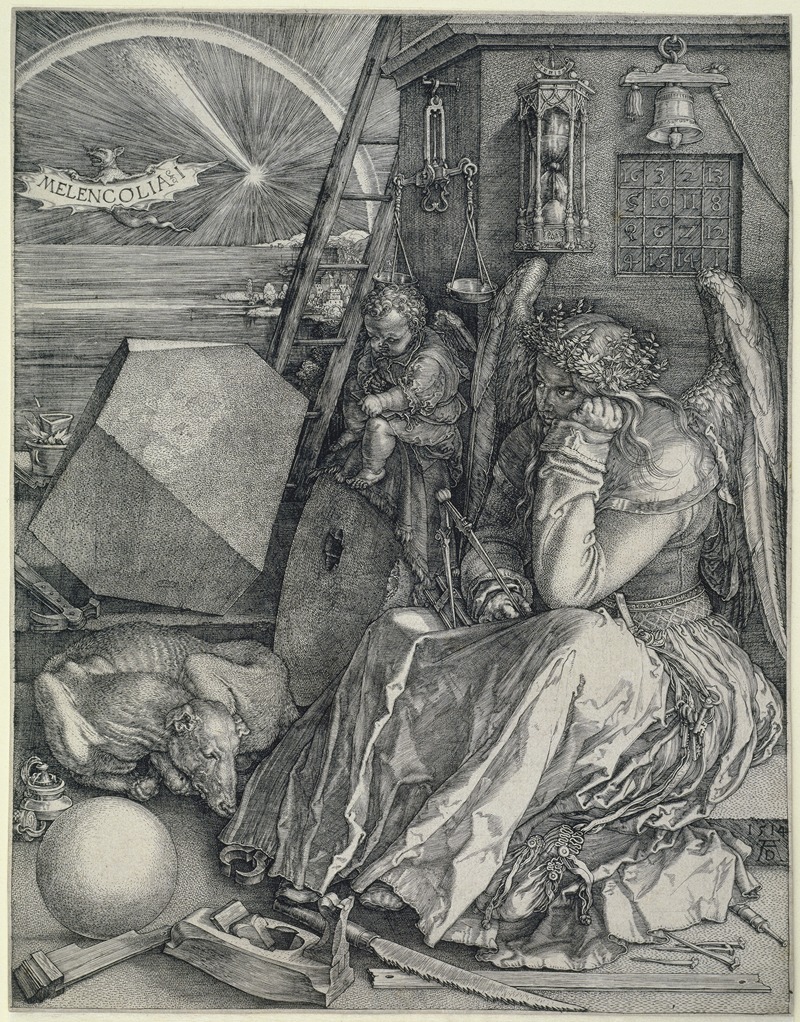
Melencolia I (The Melancholy)
Albrecht Dürer
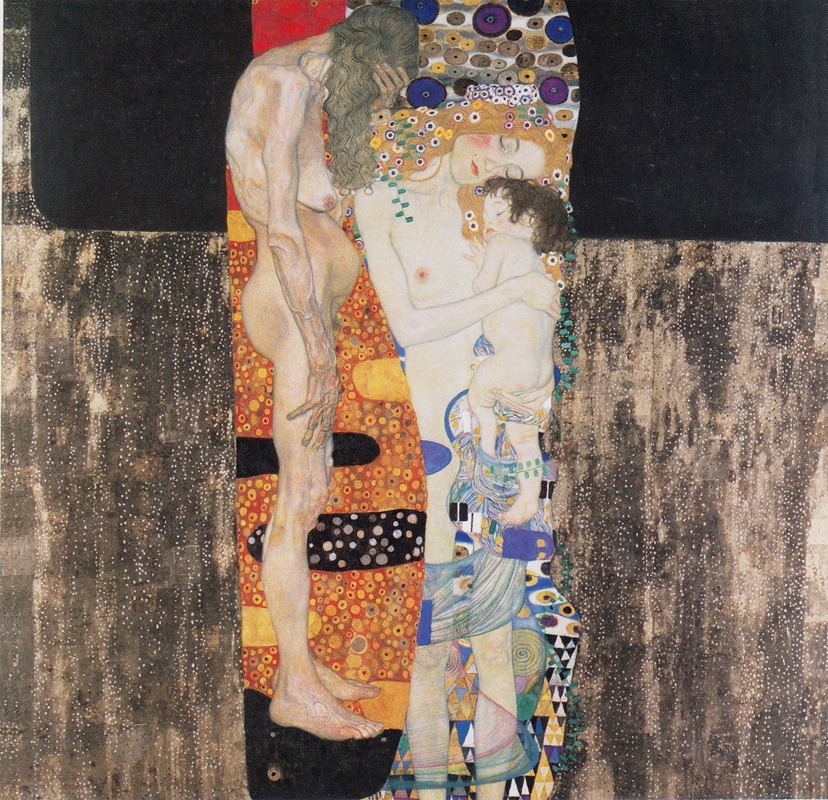
The Three Ages of the Woman
Gustav Klimt