View from ancient Rome with figures — History & Facts
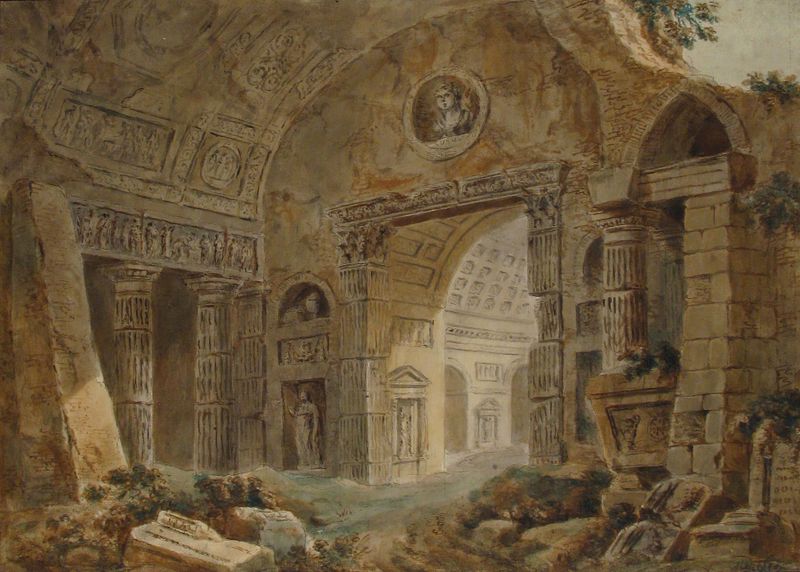
Can paint confess what words never could? Within the delicate strokes lies a narrative of shadows and whispers, a silent dialogue between the past and the present. Look closely at the foreground, where figures meander through a landscape intertwined with the remnants of ancient architecture. Notice how Clérisseau expertly captures the interplay of light and shadow, casting a soft glow on the weathered stones while enveloping the figures in an enigmatic haze. The gentle palette of earthy tones invites a sense of nostalgia, grounding viewers in a moment that feels both timeless and transient. As your gaze drifts upwards, consider the contrast between the lively figures and the monumental ruins that surround them.
They exude an air of contemplation, a subtle tension between the vibrancy of life and the weight of history. The shadows lengthen as if to remind us of the fleeting nature of existence, provoking thoughts on the legacies of those who walked before us. Each brushstroke carries the weight of memory, echoing the stories that remain untold within the walls of the ancient city. This artwork emerged during Clérisseau's formative years in the late 18th century, a period ripe with discoveries in architecture and classical themes.
Living in France amidst the Enlightenment, he was deeply influenced by his studies in Italy, where he encountered the remnants of Rome's grandeur. The melding of his fascination with antiquity and the evolving art scene of his time is evident in this evocative portrayal, capturing a moment suspended between reverence and reflection.